OpenAI Misses Revenue and User Growth Targets, Rattling AI Infrastructure Stocks
OpenAI missed multiple monthly revenue targets in 2026 and fell short of its billion-user ChatGPT goal, triggering a selloff in Nvidia, Oracle, and AMD.
Top Stories
All Sections
Finance
About
18 results for "Nvidia"
OpenAI missed multiple monthly revenue targets in 2026 and fell short of its billion-user ChatGPT goal, triggering a selloff in Nvidia, Oracle, and AMD.
Hoppr and Nvidia built a foundation model approach that lets hospitals train clinical AI on hundreds of patient records instead of 100,000 — opening hospital-grade AI to community health systems.
A new NVIDIA survey finds 89% of telecom companies plan to grow AI spending — up from 65% last year — with network automation now the industry's top AI priority ahead of customer experience.
Anthropic's Claude Mythos autonomously found and demonstrated high-severity exploits across every major OS and browser — triggering Project Glasswing, a defensive coalition of Apple, Google, Microsoft, NVIDIA, and Cisco.
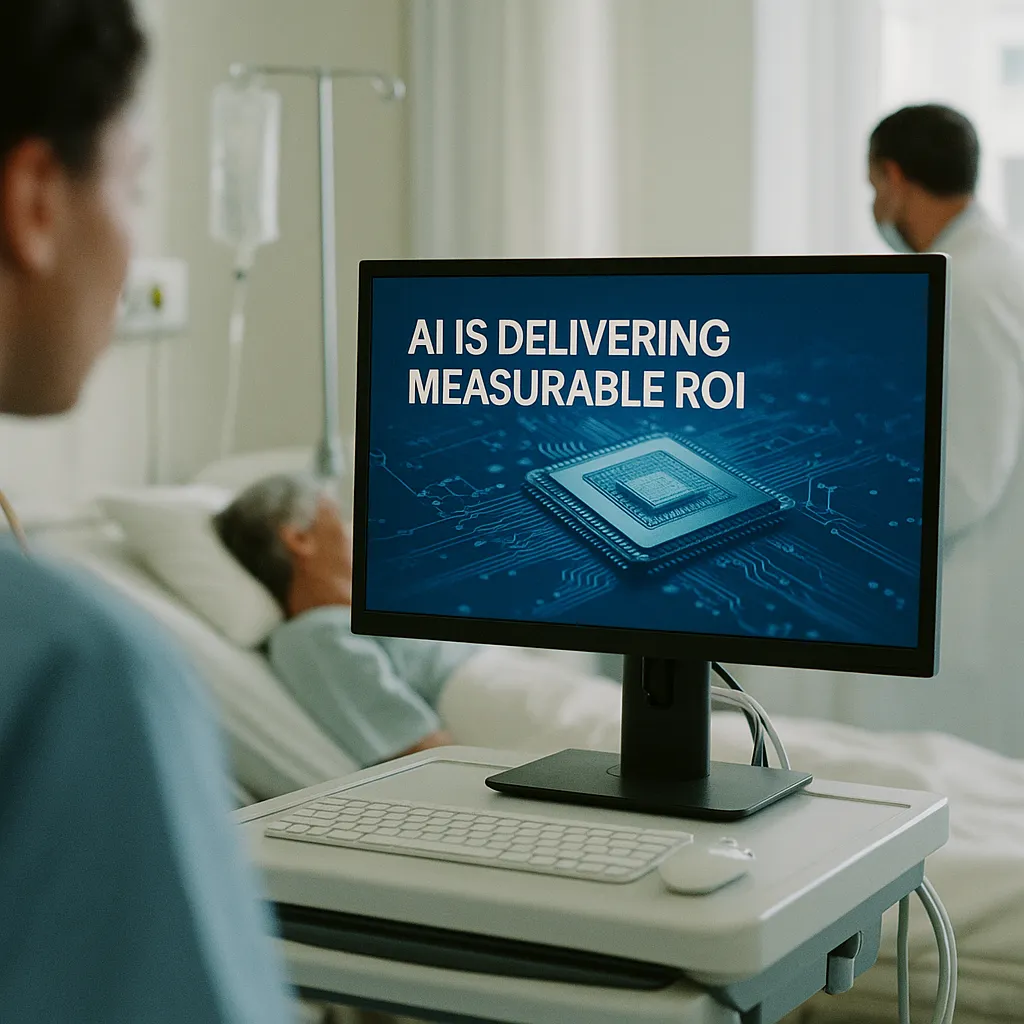
A new NVIDIA-commissioned survey finds AI is producing measurable returns across healthcare, with hospitals reporting concrete gains in radiology throughput, diagnostic accuracy, and drug discovery timelines.
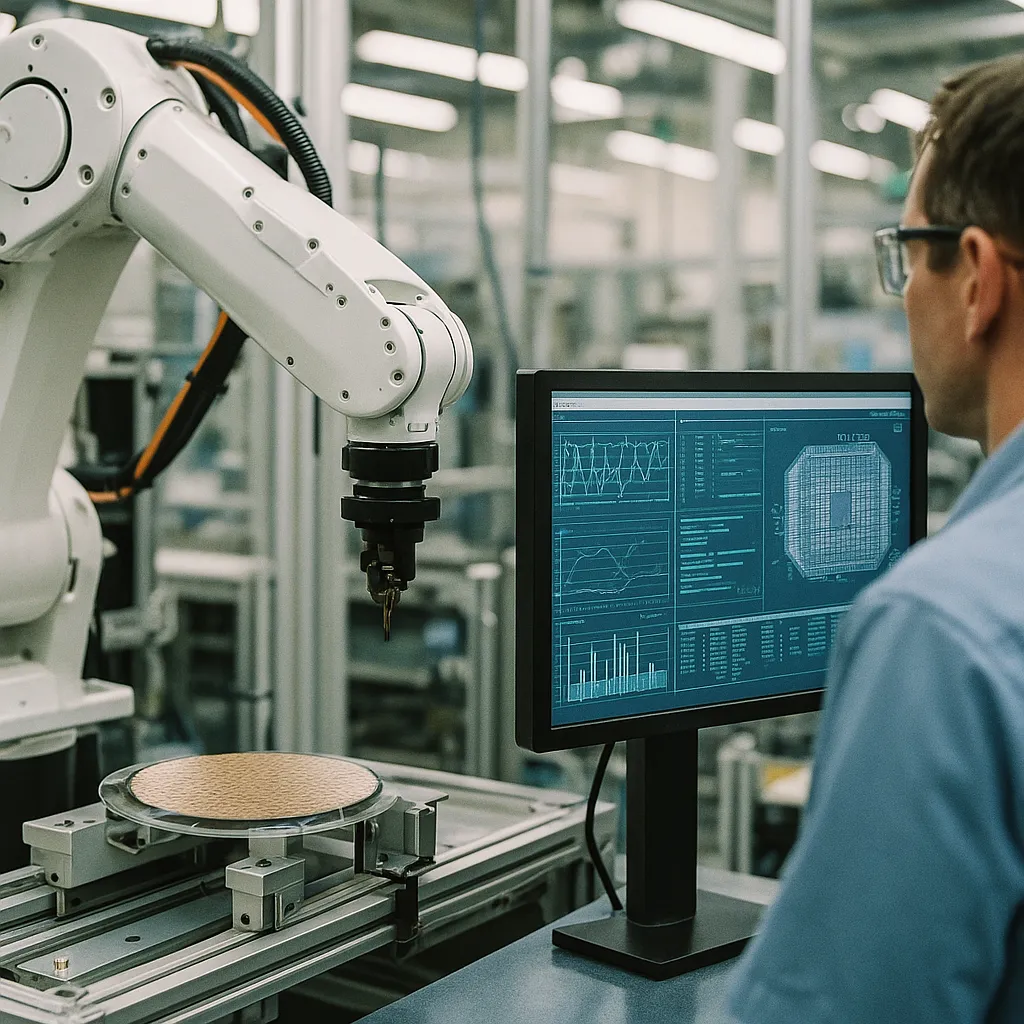
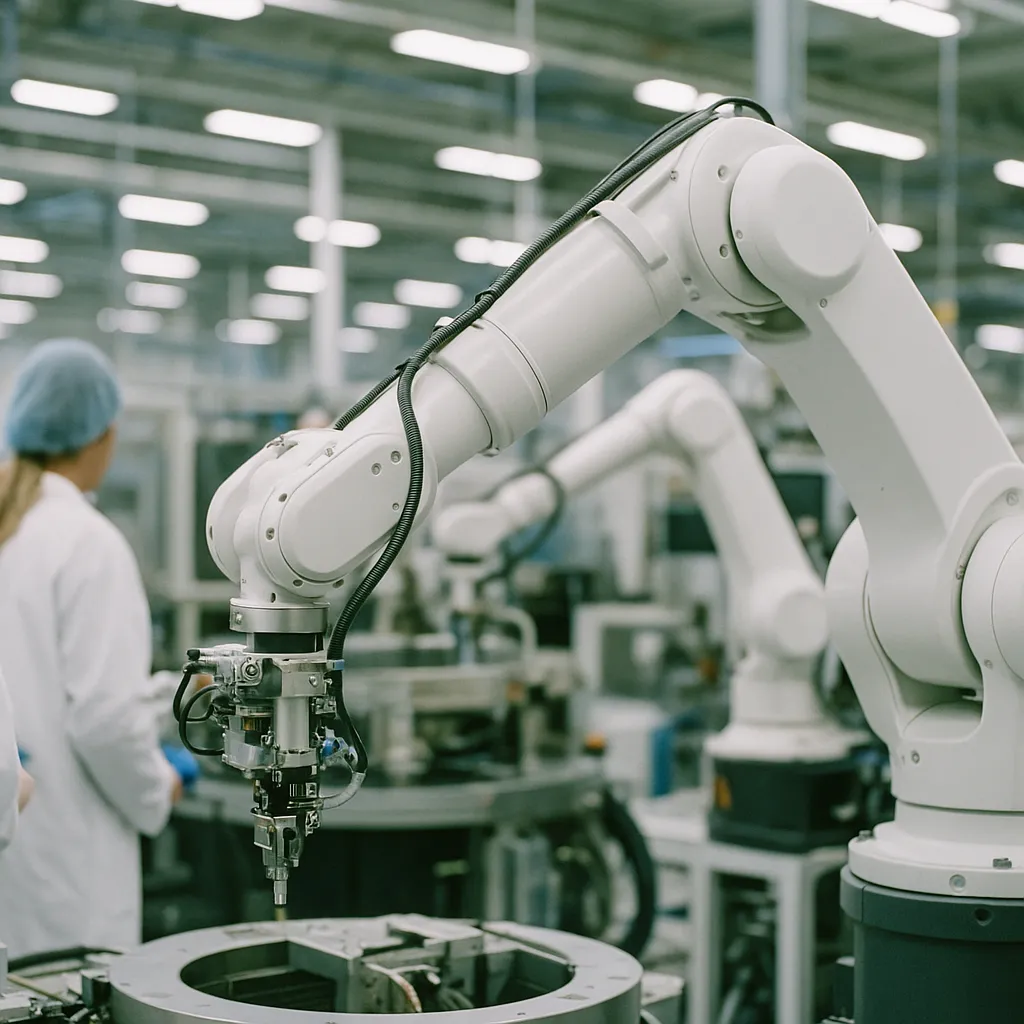
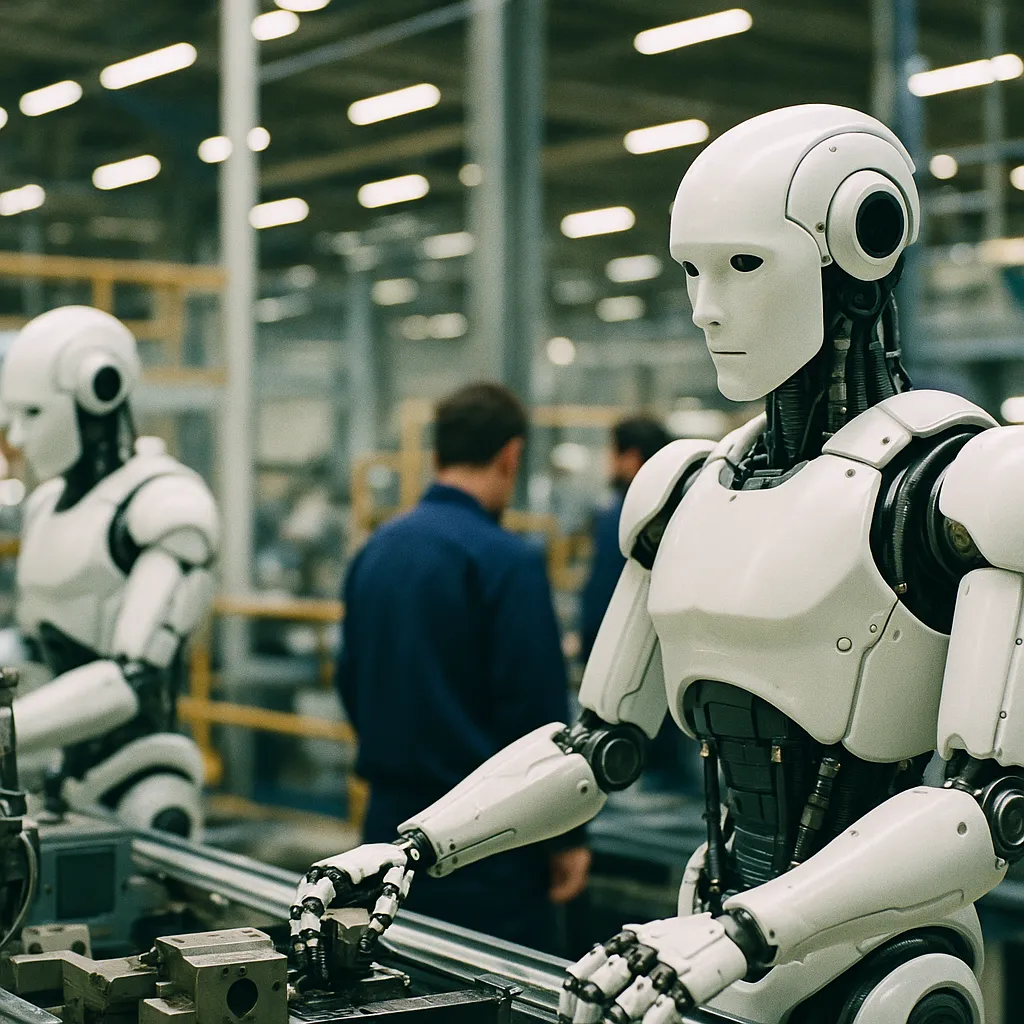
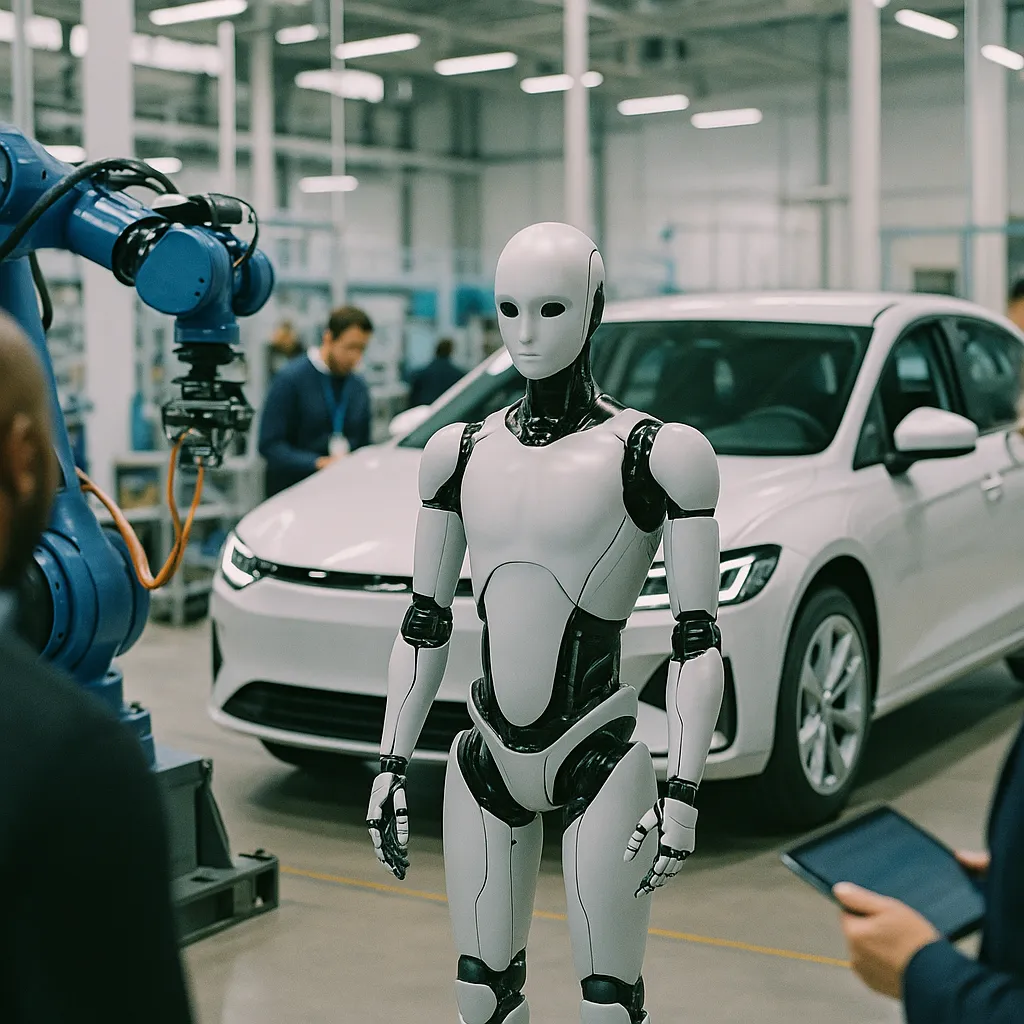
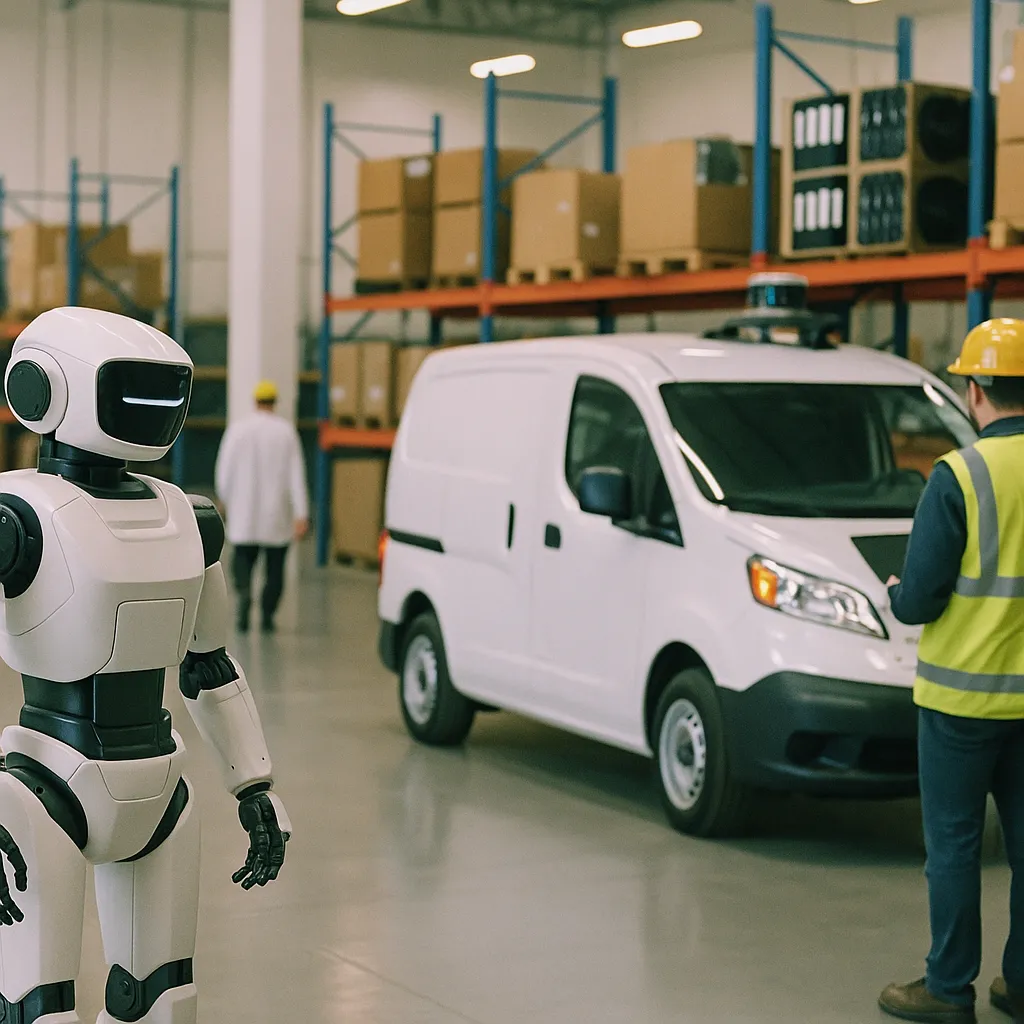
NVIDIA and Siemens showed a wheeled humanoid robot completing real logistics tasks inside a working electronics factory at Hannover Messe 2026 — compressing two years of development into seven months via simulation-first training.
NVIDIA's open Ising model family delivers error-correction decoding that is 2.5x faster and 3x more accurate than traditional methods, removing the calibration and decoding bottlenecks blocking practical quantum computing.
NVIDIA's 2026 survey finds 89% of global telecom operators are raising AI budgets, with network automation overtaking customer experience as the top ROI use case—signaling AI has moved into the core network.
NVIDIA released Ising on World Quantum Day — the first open-source family of AI models built specifically for quantum computing, including a 35B-parameter vision-language model for processor calibration and a decoder that runs 2.5x faster than classical error correction methods.
At Hannover Messe 2026, NVIDIA and manufacturing partners including Siemens demonstrated physical AI and humanoid robots operating on real, active production floors — the clearest signal yet that industrial AI has crossed from showcase to operational deployment.
For the first time, network automation has overtaken customer service as telecoms' top AI investment priority — a structural shift from chatbots to the infrastructure layer itself.
NVIDIA released Ising, described as the world's first open-source AI models designed to close the gap between current quantum hardware limitations and practical utility.
OpenAI is committing more than $20 billion to Cerebras over three years — doubling a prior arrangement — and taking a potential 10% equity stake in the chip startup as it builds an inference stack independent of Nvidia.
NVIDIA released new models across Nemotron (agentic AI), Cosmos (physical world simulation), and Isaac GR00T (robotics foundation) during National Robotics Week — a coordinated push to establish its stack as the software foundation for industrial and service robotics.
NVIDIA released Ising on World Quantum Day — the first open-source AI models purpose-built for quantum hardware. They cut calibration time from days to hours and deliver 3x more accurate error correction.
DeepSeek is preparing to release V4, a roughly 1 trillion parameter model with fully open weights that runs on Huawei's latest chips — not Nvidia hardware.
Anthropic launched Project Glasswing, uniting AWS, Apple, Cisco, CrowdStrike, Google, JPMorgan Chase, Microsoft, NVIDIA, and Palo Alto Networks under the Linux Foundation to defend software supply chains against AI-powered attacks.
NVIDIA announced partnerships with major U.S. manufacturing and robotics companies during National Robotics Week, with CEO Jensen Huang declaring that physical AI has reached its commercial inflection point as manufacturer interest in LLMs doubled to 35%.