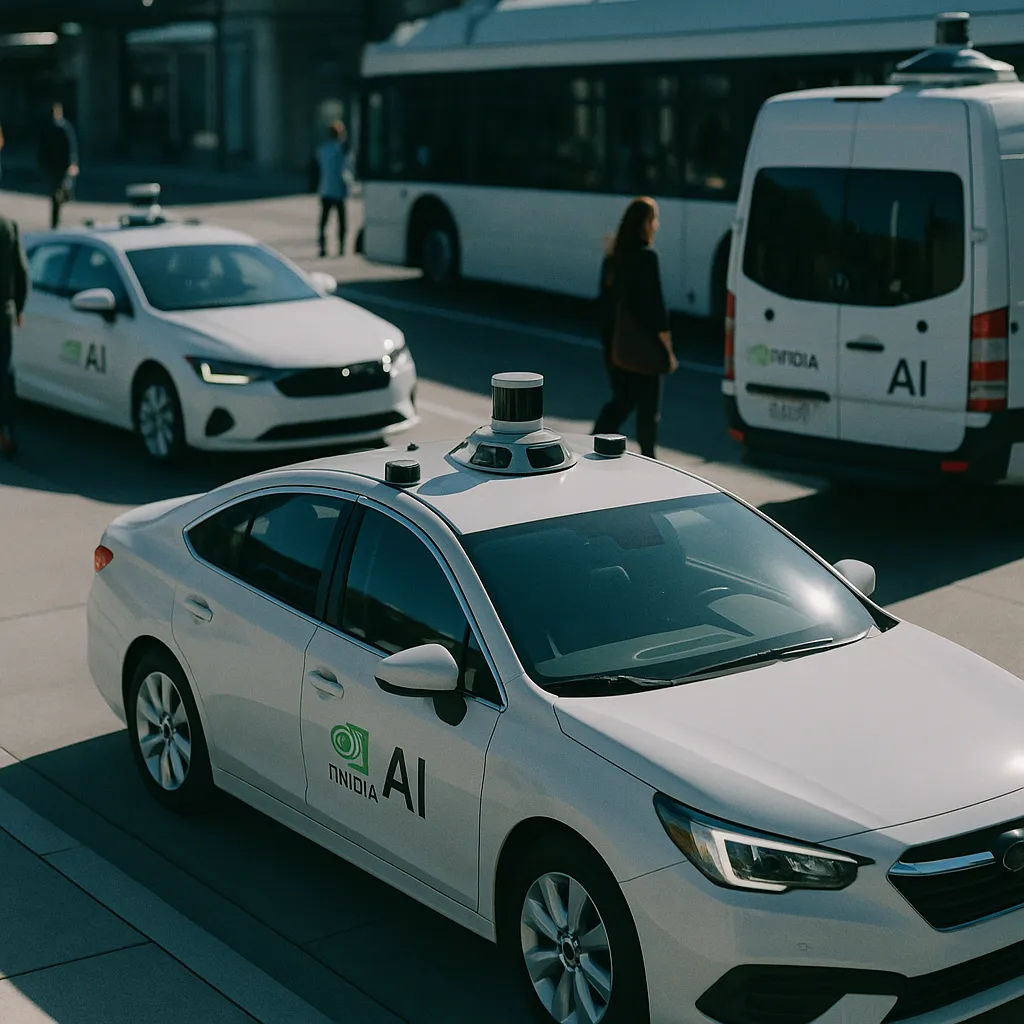
NVIDIA unveiled Cosmos 3 and physical AI agent frameworks at CVPR 2026, positioning embodied intelligence as the next compute platform after LLMs — with direct implications for autonomous vehicle and robotics development.
By Hector Herrera | June 7, 2026 | Vertical: Transport | Type: Company News
At CVPR 2026 in Denver, NVIDIA unveiled a suite of physical AI agent frameworks and introduced Cosmos 3 — described as the first open omnimodel for physical AI — as part of a sustained push to position embodied intelligence as the next major compute platform after large language models. The announcements land as autonomous vehicle and robotics deployments are accelerating past the pilot phase across multiple industries.
Background
CVPR — the Computer Vision and Pattern Recognition conference — is the premier annual venue for the computer vision and robotics research community. NVIDIA has used it in recent years as a platform for signaling where it sees compute demand heading: not just into LLM inference, but into the real-time sensor processing, world modeling, and robotic control that define autonomous systems.
NVIDIA's strategic bet on physical AI has been visible for several years. The company has invested in robotics simulation (Isaac Sim), autonomous vehicle development toolchains (DRIVE), and industrial AI platforms (Omniverse). Cosmos 3, announced at CVPR, represents an attempt to provide a foundational model layer that unifies those separate efforts under a common architecture.
What NVIDIA Announced at CVPR
According to NVIDIA's blog, the company's CVPR 2026 announcements included:
Cosmos 3 — introduced as the first open omnimodel for physical AI. An omnimodel, in this context, means a single model architecture capable of understanding and generating multiple physical data modalities: video, sensor point clouds, robot state observations, and action outputs. Earlier AI models required separate specialized models for each modality. Cosmos 3's unified architecture is designed to simplify the development pipeline for autonomous systems.
Physical AI agent skill frameworks — a set of tools and pretrained capabilities for accelerating autonomous vehicle and robotics development, covering:
Get this in your inbox.
Daily AI intelligence. Free. No spam.
- Neural rendering for generating photorealistic synthetic training environments
- World simulation for modeling how physical objects and agents interact in three-dimensional space
- Generative AI for sensor fusion — combining data from cameras, LiDAR, radar, and other sensors into coherent environmental representations
Research contributions — NVIDIA also detailed new research on 3D scene understanding, trajectory prediction, and generalist robot policies being presented by its teams across multiple CVPR sessions.
Why Physical AI Is NVIDIA's Next Chapter
NVIDIA's GPU dominance was built on training large language models. That market is real and growing — but it is also increasingly competitive, with AMD, Intel, and custom silicon from Google (TPU), Amazon (Trainium), Microsoft (Maia), and others all competing for a slice of LLM training workloads.
Physical AI — the compute required for autonomous vehicles, robotics, and embodied AI agents — is a different market segment with different characteristics:
- Inference at the edge. Autonomous systems need to process sensor data and make decisions in milliseconds, at the vehicle or robot, without latency to a cloud server. That is a different compute profile from cloud LLM inference.
- Simulation demand. Training autonomous systems safely requires vast amounts of synthetic data generated in simulation. That simulation compute runs on NVIDIA hardware.
- Lower current competition. The physical AI toolchain — simulation, world models, robot control — is less contested than the LLM training space. NVIDIA has first-mover depth in tools like Isaac Sim and DRIVE.
- Hardware adjacency. As autonomous vehicles and robots deploy at scale, the onboard compute they require — NVIDIA's Orin and Thor chips — becomes a recurring hardware revenue stream per unit deployed.
Impact: Who This Affects
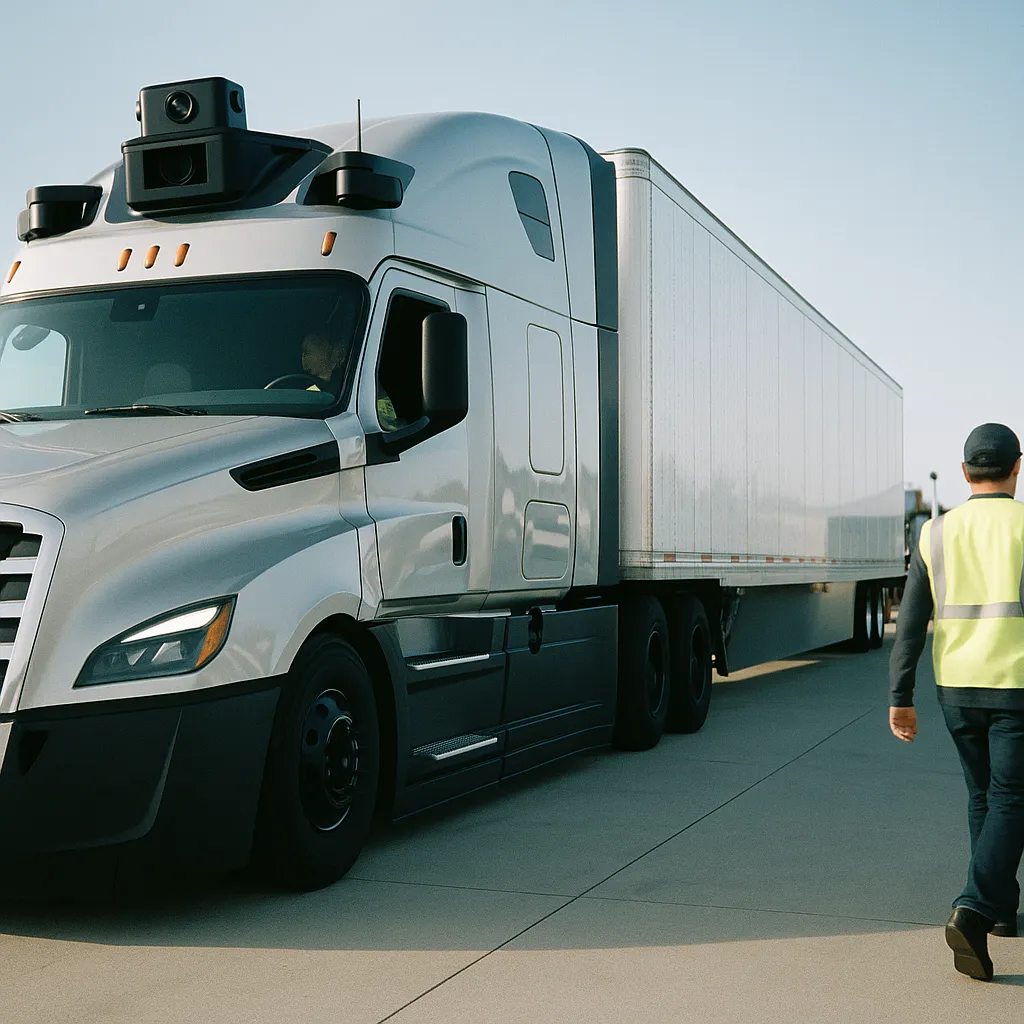
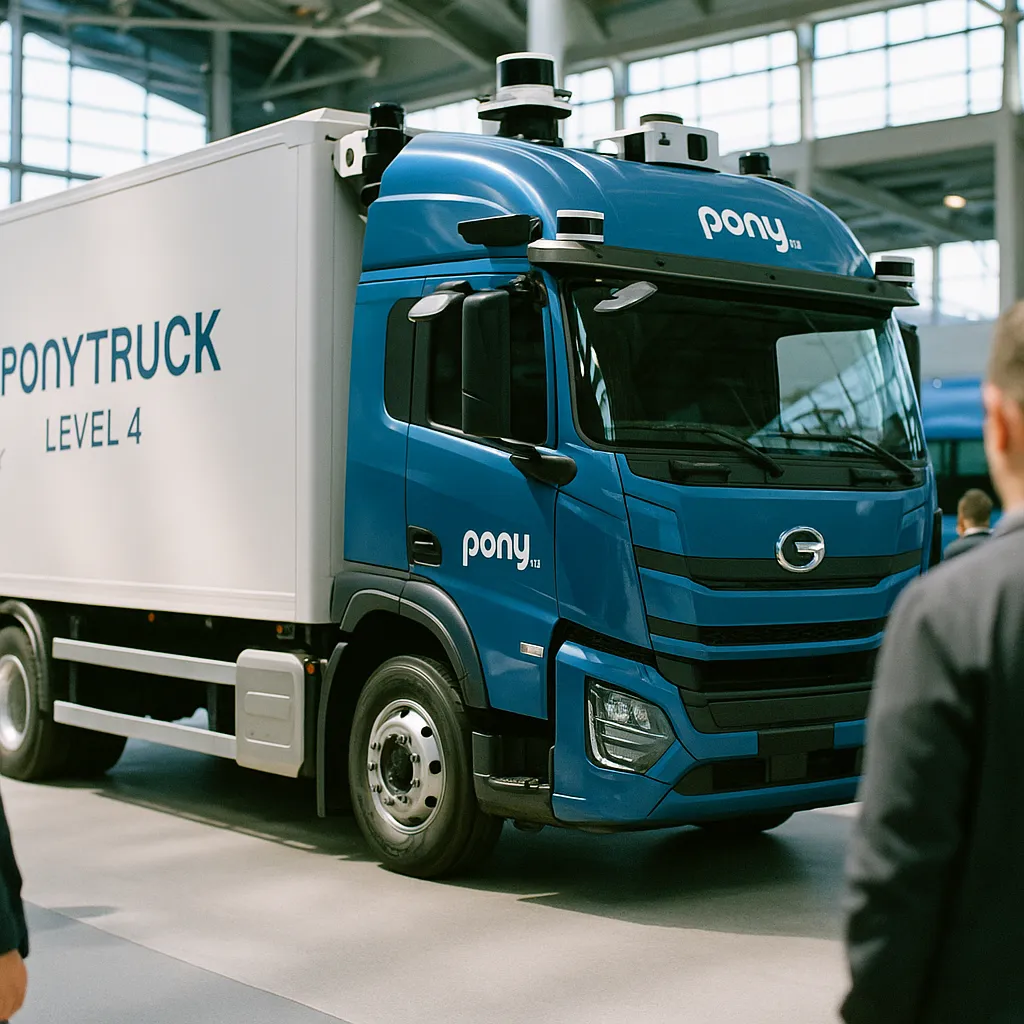
For autonomous vehicle developers: Cosmos 3's sensor fusion and world simulation capabilities directly address two of the highest-cost components of AV development: generating sufficient training data and validating behavior across rare edge cases. A unified foundational model that handles both reduces the infrastructure burden for teams building on top of NVIDIA's platform.
For robotics companies: Physical AI frameworks with pretrained agent skills lower the barrier to building capable robots without starting from scratch. Companies building industrial, logistics, or service robots gain access to pretrained spatial understanding and manipulation capabilities as a starting point rather than a research problem.
For automotive OEMs: The DRIVE platform and Cosmos 3 integration give carmakers a clearer development path to advanced driver assistance and full autonomy — with NVIDIA supplying both the training infrastructure and the in-vehicle compute.
For the broader AI industry: The physical AI thesis — that embodied intelligence is the next compute paradigm — is shared by other major players including Google DeepMind (RT-X), Meta (V-JEPA), and a range of well-funded robotics startups. NVIDIA's position in simulation and sensor hardware gives it structural advantages in this race, but the model layer is actively contested.
What to Watch
Cosmos 3's "open" designation is worth scrutinizing. NVIDIA has used "open" to mean different things across different products — sometimes fully open-source weights, sometimes an accessible API with commercial licensing terms. The degree of openness will determine how broadly the robotics research community adopts it as a foundation.
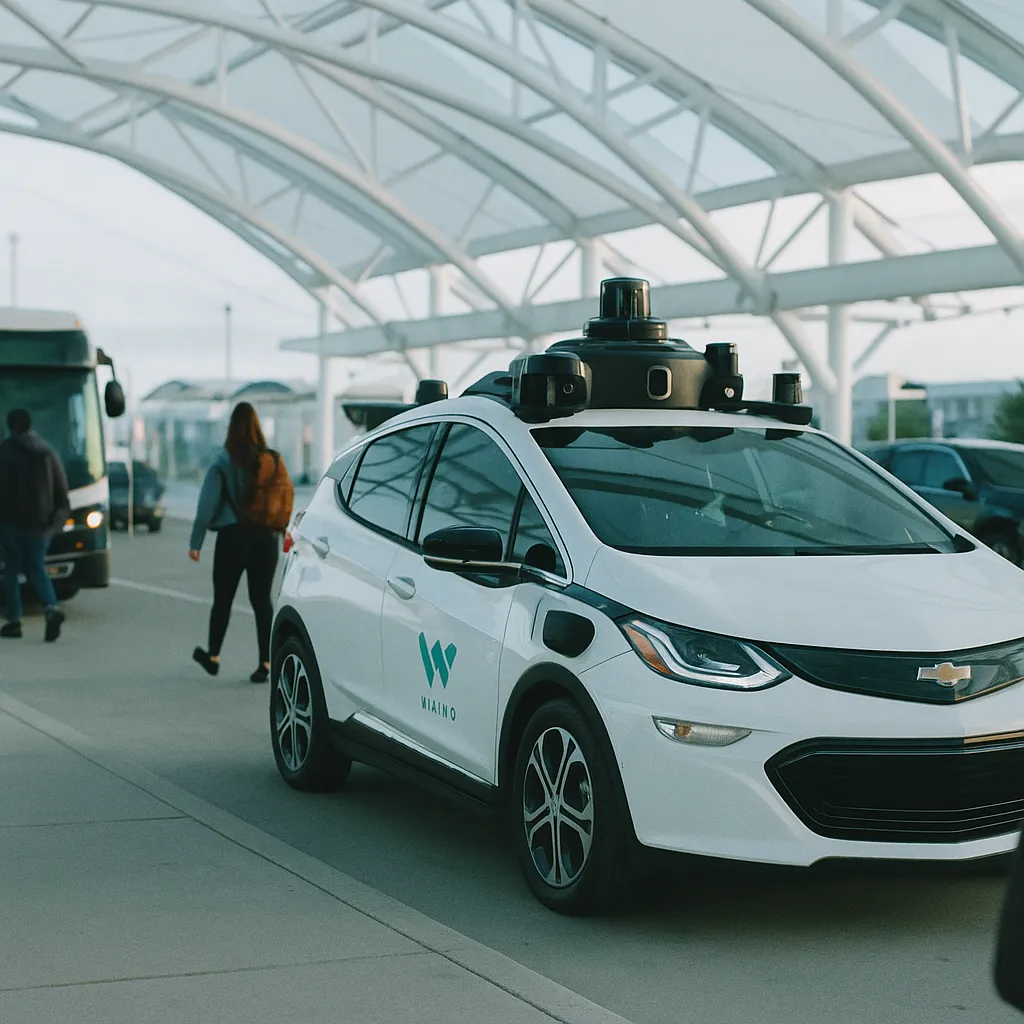
Watch also for adoption signals from Waymo, Zoox, and the major automotive OEMs. If tier-1 AV programs announce DRIVE and Cosmos integration at scale before year-end, it validates NVIDIA's physical AI thesis in the most commercially significant deployment context. And watch for announcements from the robotics companies that have already deployed at scale — Figure, Apptronik, Agility Robotics — about whether they are building on Cosmos 3 or developing competing model foundations.
Hector Herrera covers autonomous systems and AI infrastructure for NexChron.
Did this help you understand AI better?
Your feedback helps us write more useful content.
Get tomorrow's AI briefing
Join readers who start their day with NexChron. Free, daily, no spam.