Nine in ten retailers plan to grow their AI budgets in 2026, with agentic AI the fastest-growing deployment category — but more than half of consumers still describe shopping experiences as generic.
Nine in Ten Retailers to Increase AI Budgets in 2026 as Agentic Commerce Takes Center Stage
By Hector Herrera | June 8, 2026 | Retail
Ninety percent of retailers plan to increase their AI budgets this year, with agentic AI — autonomous systems that act and make decisions without human approval at each step — now the fastest-growing investment category across the sector. That finding, from NVIDIA's third annual State of AI in Retail and CPG survey, marks the clearest signal yet that AI has moved from experimentation into operational infrastructure in retail. The persistent problem: more than half of consumers still describe their shopping experience as generic, exposing a wide gap between investment and actual customer outcomes.
The retail industry has been layering AI into operations since the early 2020s, starting with demand forecasting and recommendation engines. The shift toward agentic systems represents a step-change in how chains are deploying the technology. Where earlier AI required a human to review outputs before acting, agentic AI executes end-to-end — browsing inventory, negotiating with suppliers, personalizing entire customer journeys — without waiting for sign-off. McKinsey projects agentic commerce could unlock up to $1 trillion in U.S. retail revenue by 2030.
Where the Money Is Going
The NVIDIA survey highlights three primary deployment areas for agentic AI in retail:
Get this in your inbox.
Daily AI intelligence. Free. No spam.
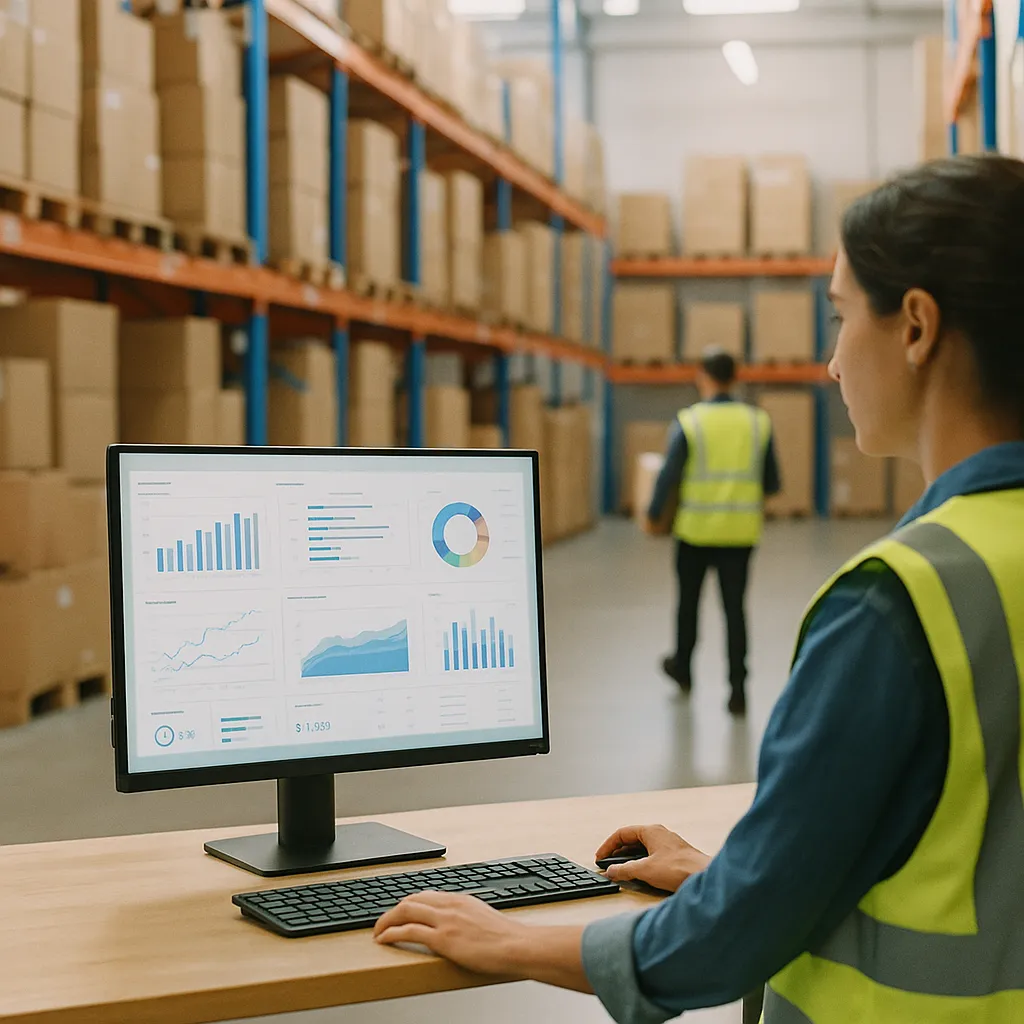
- Inventory management — autonomous systems that monitor stock levels, predict shortfalls, and trigger reorders without manual oversight
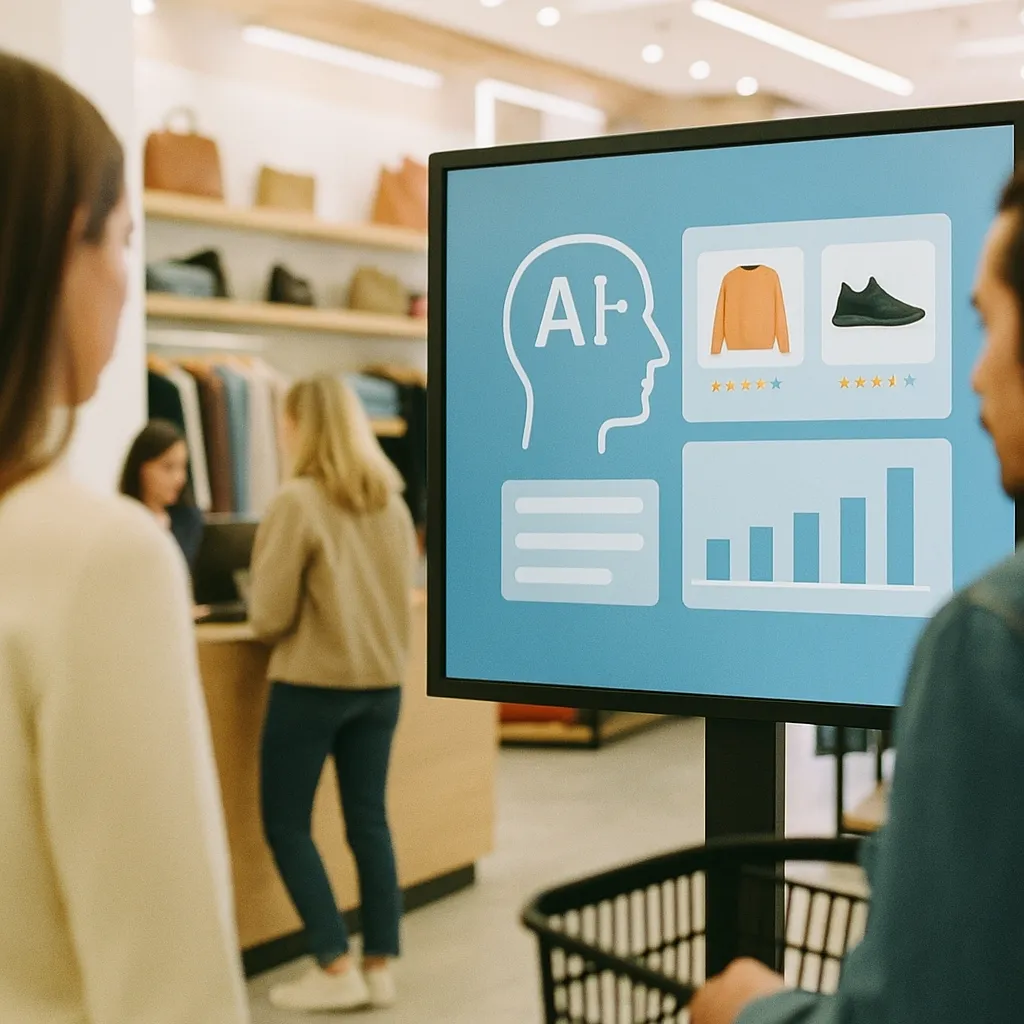
- Hyper-personalization — AI agents that build real-time customer profiles and dynamically adjust what each shopper sees, including pricing and promotions
- Supply chain orchestration — automated coordination across suppliers, logistics partners, and warehouse systems that reduces lead times and waste
The consumer packaged goods (CPG) side of the equation shows similar momentum, with brands using AI to optimize shelf placement, run dynamic promotional strategies, and accelerate new product development cycles.
The Customer Experience Gap
Despite record investment, the survey surfaces a significant paradox. More than half of consumers still describe their retail experiences as generic, meaning the AI deployed at scale has not yet translated into meaningful personalization at the customer touchpoint. That gap suggests much of the current agentic investment is still backend-facing — supply chain, inventory, pricing models — while the visible layer that the shopper actually encounters is lagging the infrastructure buildout.
This matters commercially. McKinsey's $1 trillion projection for agentic commerce is premised on AI successfully personalizing the purchase experience at scale, not just optimizing warehouse operations. Retailers that close the customer-facing experience gap first stand to capture disproportionate market share before competitors catch up.
What It Means for the Industry
The shift to agentic AI in retail carries several structural implications. For large chains, it accelerates the consolidation advantage: retailers with the data infrastructure and technical talent to deploy agentic systems can execute faster and leaner than competitors still relying on traditional merchandising cycles. For smaller retailers, the emergence of cloud-based agentic platforms from NVIDIA and its partners provides a path to adoption without building infrastructure from scratch — though it also creates dependency on vendor ecosystems and their pricing power.
For workers, agentic commerce is beginning to compress headcount in planning, buying, and supply chain roles where coordination tasks can be handled autonomously. The NVIDIA survey does not address workforce impact directly, but the operational efficiency gains retailers are projecting require fewer human decision steps in the loop.
What to Watch
The next inflection point is whether consumer-facing agentic features — truly personalized storefront experiences, AI-powered shopping assistants, dynamic loyalty systems — narrow the experience gap the NVIDIA survey identifies. Retailers who crack that problem over the next 12 months will set the benchmark that forces the rest of the sector to follow.
Did this help you understand AI better?
Your feedback helps us write more useful content.
Get tomorrow's AI briefing
Join readers who start their day with NexChron. Free, daily, no spam.