Nvidia and startup Emerald AI partnered with AES, Constellation, Invenergy, NextEra, Nscale, and Vistra to operate AI data centers as dispatchable grid resources that throttle power consumption in real time — reframing AI infrastructure from grid burden to grid tool.
Nvidia and Emerald AI Partner with Six Utilities to Turn AI Data Centers Into Flexible Grid Assets
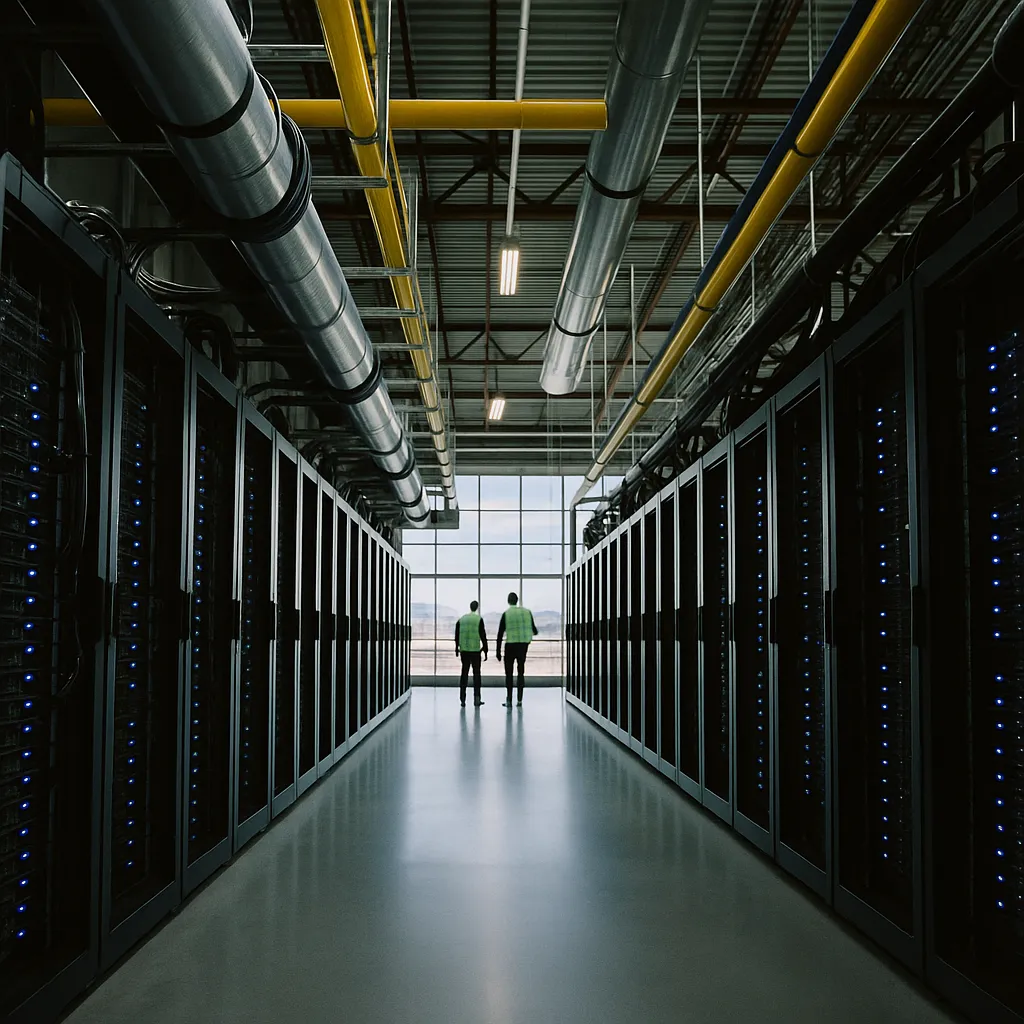
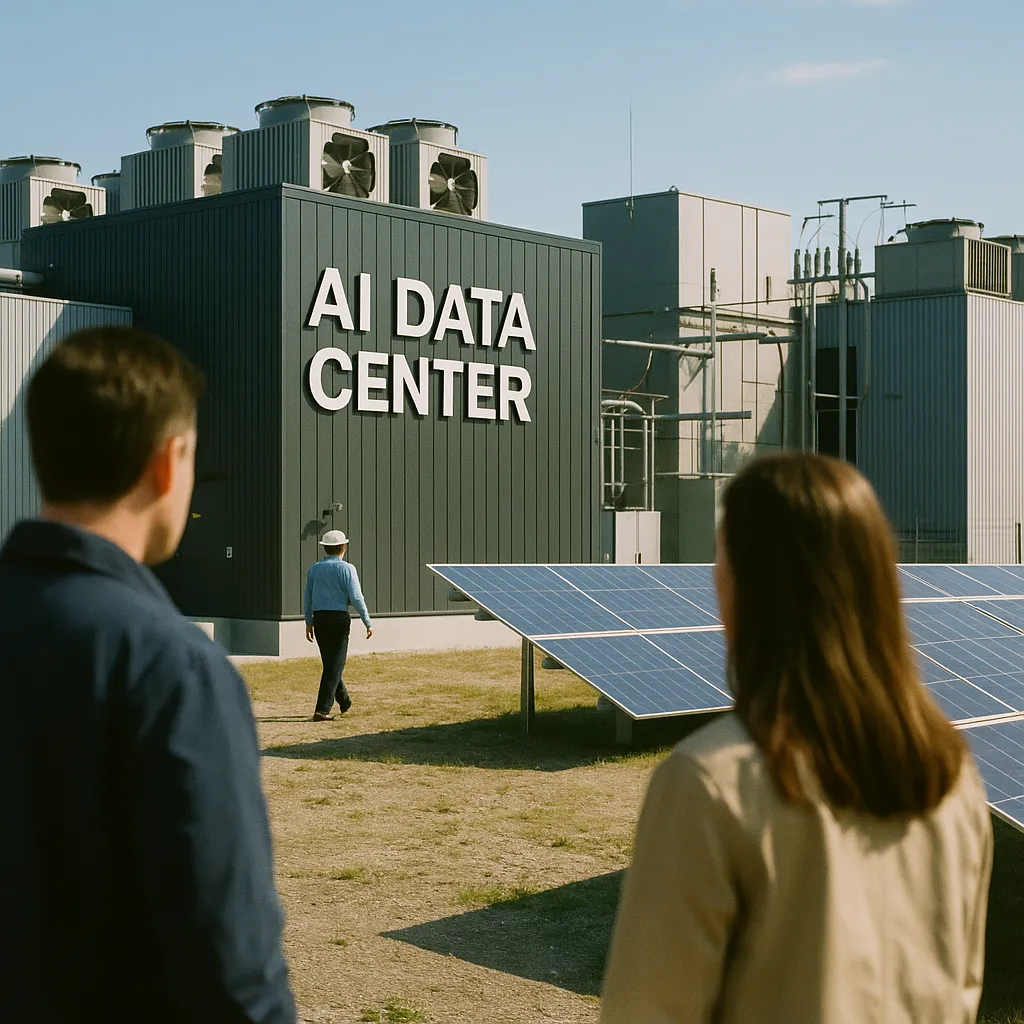
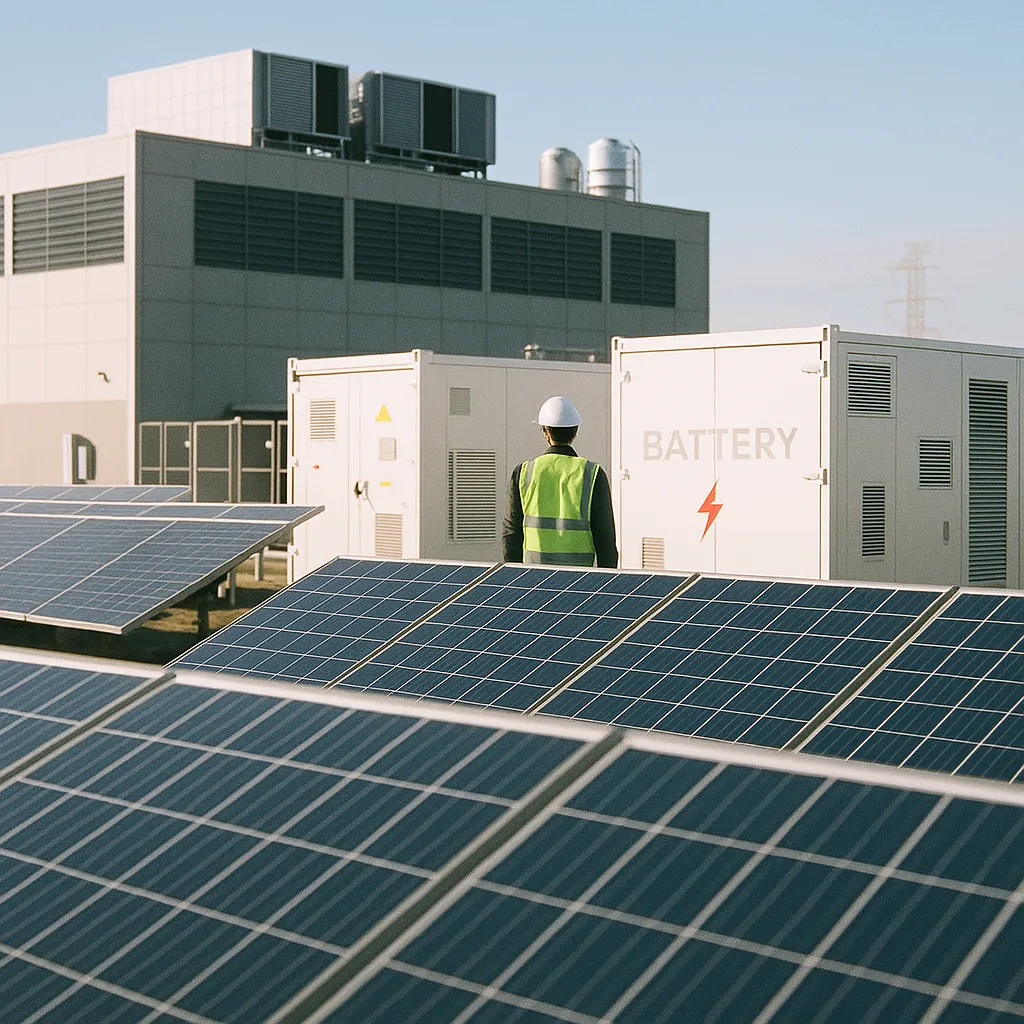
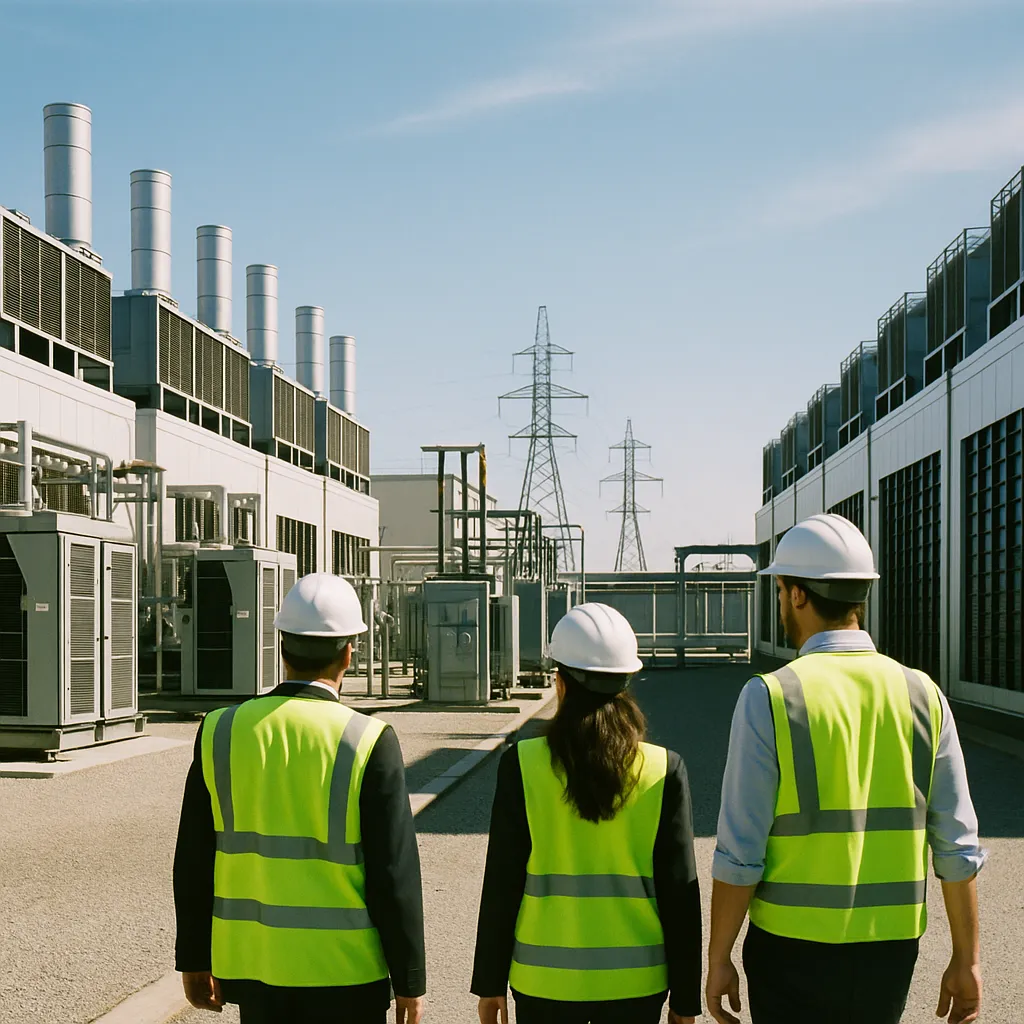
Nvidia and startup Emerald AI announced on June 8 a partnership with six major U.S. utilities — AES, Constellation, Invenergy, NextEra Energy, Nscale, and Vistra — to operate AI data centers as flexible grid assets that throttle their power consumption in real time to support grid stability. The announcement reframes the dominant narrative around AI infrastructure: rather than treating data centers purely as a growing burden on the electrical grid, this model treats them as dispatchable resources that utilities can call on to balance load when generation and demand diverge.
If it works at scale, this is a genuinely significant shift in how AI infrastructure and power infrastructure relate to each other — not just economically, but in terms of how grid operators plan for AI's energy footprint.
What "Flexible Grid Asset" Actually Means
When power demand on the grid spikes — during a heat wave, during peak evening hours, when a major generator trips offline — grid operators need ways to quickly reduce load or increase supply. Historically they've done this through demand response programs, where large industrial customers agree to cut consumption during grid emergencies in exchange for lower electricity rates.
Emerald AI's model, integrated with Nvidia's infrastructure, takes that concept further. Rather than emergency curtailment on an ad-hoc basis, the system is designed for real-time dispatchability: the data center's AI workload scheduler continuously monitors grid signals and can throttle compute consumption in a controlled, graduated way — pausing non-latency-sensitive training runs, reducing cooling system draw, or shifting batch workloads to off-peak windows — without interrupting time-sensitive inference operations.
The six utility partners represent a significant cross-section of U.S. generation types:
- AES — renewables and gas, operating across 14 countries
- Constellation — the largest U.S. nuclear operator
- Invenergy — primarily wind and solar
- NextEra Energy — the world's largest renewables generator
- Nscale — AI-focused data center infrastructure
- Vistra — diversified generation including nuclear, coal, gas, and solar
The breadth of generation types is deliberate. A flexible data center that can only respond to grid signals from one type of generator isn't very flexible. Covering nuclear baseload, intermittent renewables, and gas peakers means the system can respond across the full range of grid conditions.
Why This Partnership Is Structurally Different from Prior Grid Agreements
Large data centers have had power purchase agreements with utilities for years. The standard structure: the utility agrees to supply a fixed block of power, often with renewable energy certificates attached, and the data center pays a contracted rate. The data center is a passive load; the utility shoulders all the balancing responsibility.
Get this in your inbox.
Daily AI intelligence. Free. No spam.
What Nvidia and Emerald AI are proposing is an active load model. The data center participates in grid balancing rather than simply consuming at a fixed rate. That changes the commercial relationship: a flexible data center is worth more to a utility than a fixed load, because it reduces the utility's cost of managing grid variability. That additional value — typically measured in capacity market payments and demand response revenue — flows back to the data center operator as a cost offset against electricity bills.
At the scale Nvidia operates — its data centers collectively consume gigawatts of power — even marginal flexibility is worth meaningful dollars. And as AI training workloads grow, the opportunity to shift non-real-time compute (training runs, fine-tuning jobs, batch inference) to off-peak windows grows proportionally.
The Grid Stability Context
The U.S. electrical grid is under more stress than at any point in decades. AI data center construction is a significant contributor: the Lawrence Berkeley National Laboratory estimated that data centers could represent 12% of U.S. electricity consumption by 2028, up from roughly 4% today. Grid operators in Texas (ERCOT), the Mid-Atlantic (PJM), and California (CAISO) have all flagged AI load growth as a planning challenge.
At the same time, the grid is absorbing an unprecedented wave of variable renewable energy — solar and wind that produce power when conditions allow rather than on demand. Managing the gap between renewable generation curves and demand curves requires either storage, transmission, or flexible loads. AI data centers, which have significant workload scheduling flexibility, are an underutilized flexible load resource.
The Nvidia-Emerald-utility partnership is the first major attempt to operationalize that insight at scale. It's not a regulatory mandate or a policy experiment — it's a commercial arrangement that aligns incentives: Nvidia reduces electricity costs, utilities gain dispatchable load, and grid operators gain flexibility resources.
Challenges to Watch
The flexibility model is technically compelling but operationally complex. AI training jobs have dependencies — checkpoints, distributed training coordination, data pipeline synchronization — that can't always be gracefully paused and resumed. Inference workloads, which serve live users, cannot be throttled without degrading user experience. The practical flexibility ceiling of any data center is lower than the theoretical maximum, and getting the scheduling layer right without disrupting production workloads is a genuine engineering challenge.
There's also a regulatory dimension. Participating in capacity markets and demand response programs requires working through each utility's regulatory framework, which varies by state. The six-utility structure of this partnership suggests Nvidia and Emerald are pursuing a multi-market strategy rather than expecting uniform regulatory treatment — but navigating ERCOT in Texas, PJM in the Mid-Atlantic, and CAISO in California simultaneously is non-trivial.
What to Watch
Watch for grid operator responses from ERCOT, PJM, and CAISO on whether Nvidia-Emerald's flexible assets will qualify for capacity market payments or demand response programs — those decisions will determine the financial economics of the model. Watch also for other major data center operators — Microsoft, Amazon Web Services, Google Cloud — to announce similar flexibility programs as the commercial case becomes clearer. If flexible operation meaningfully reduces electricity costs at Nvidia's scale, hyperscalers will have strong incentive to follow.
The deeper story here is whether AI infrastructure and energy infrastructure can move from an adversarial relationship — where data centers are a grid burden — to a collaborative one, where they're grid tools. This partnership is the most concrete attempt yet to answer that question with commercial arrangements rather than policy mandates.
Hector Herrera covers AI and energy infrastructure for NexChron.
Did this help you understand AI better?
Your feedback helps us write more useful content.
Get tomorrow's AI briefing
Join readers who start their day with NexChron. Free, daily, no spam.