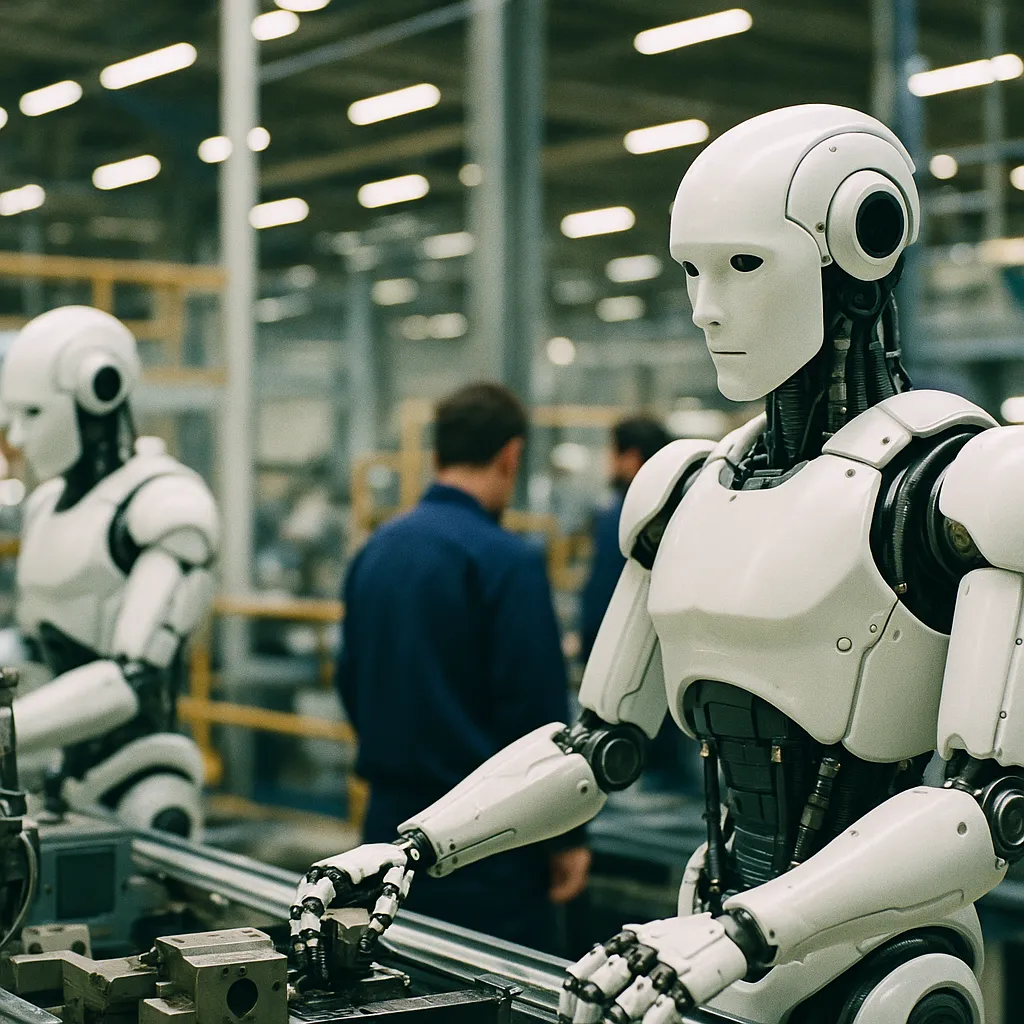
At the world's largest industrial trade fair, NVIDIA and Hexagon Robotics demonstrated AI-native manufacturing tools that compress robot deployment timelines from months to days.
NVIDIA and Partners Showcase AI-Native Manufacturing Stack at Hannover Messe 2026
By Hector Herrera | June 8, 2026 | Manufacturing
NVIDIA used Hannover Messe 2026 — the world's largest industrial trade fair — to demonstrate that AI has arrived as production infrastructure in manufacturing, not as a future concept but as a working system on factory floors today. Alongside industrial partners including Hexagon Robotics, the company showcased a full AI-native manufacturing stack that collapses the timeline from robot training to production deployment from months to days.
Hannover Messe, held annually in Hannover, Germany, is where industrial buyers and technology vendors negotiate the future of physical production. For years, AI demonstrations at the show were aspirational — impressive prototypes operating in research conditions, not deployed systems running in actual factories. The 2026 edition marked a visible shift: NVIDIA's showcase was built around tools already in use at production facilities.
Get this in your inbox.
Daily AI intelligence. Free. No spam.
What NVIDIA Demonstrated
The centerpiece was the Physical AI Data Factory Blueprint — NVIDIA's framework for generating synthetic training data that industrial robots and AI systems use to learn tasks in simulation before being deployed on actual production lines. The key components on display:
- NVIDIA IGX Thor — an industrial-grade edge compute platform designed for factory floor deployment, capable of running AI inference workloads directly at the machine level without requiring cloud connectivity
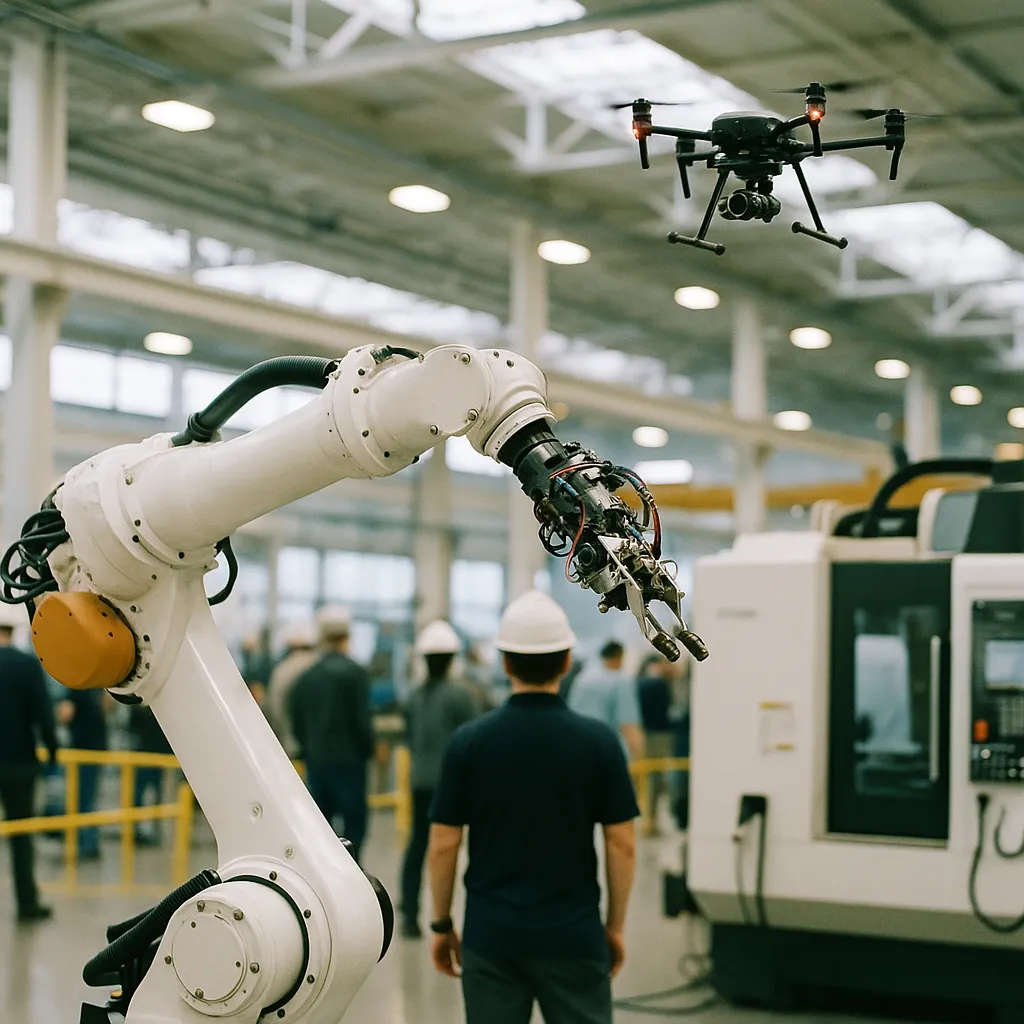
- Hexagon Robotics integration — a live demonstration showing how the Physical AI Data Factory accelerates robot training cycles, with robots learning assembly tasks in simulation and then deploying to real manufacturing cells without extended physical calibration
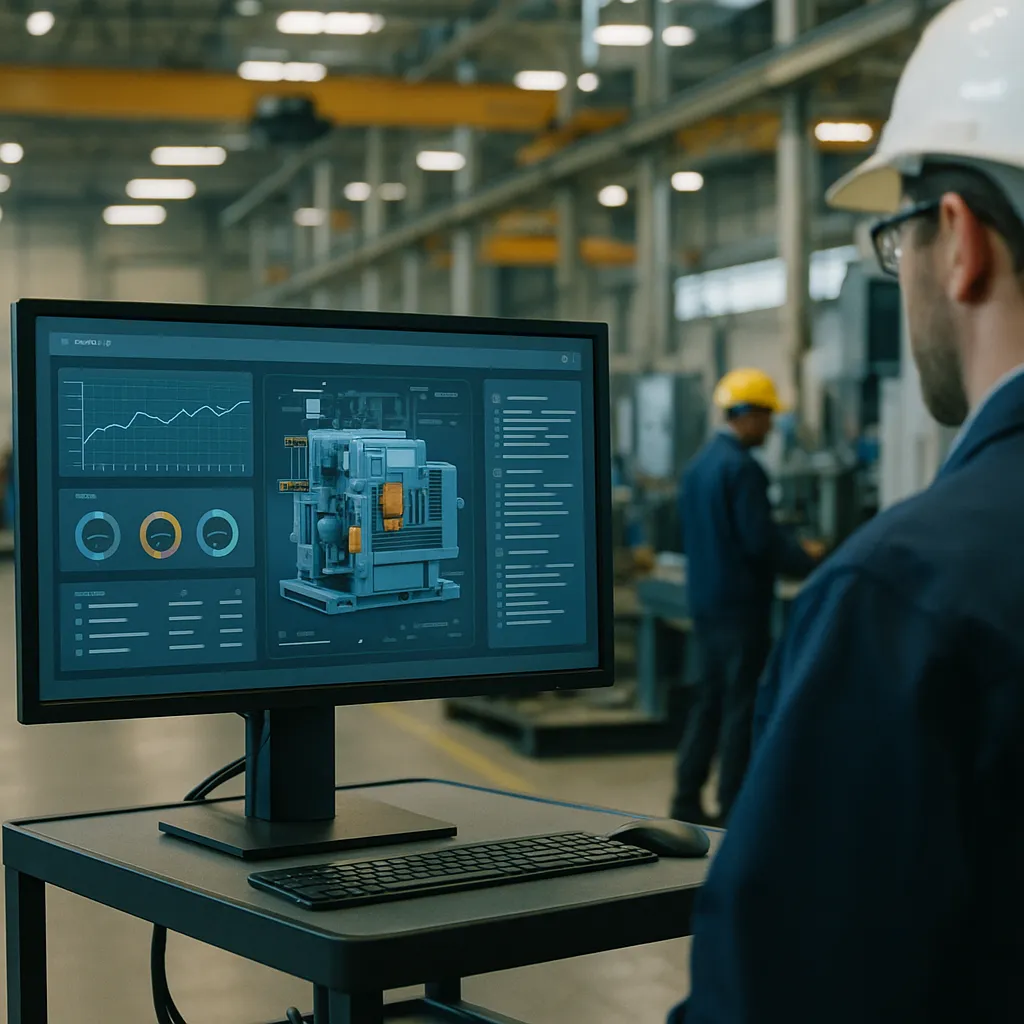
- Omniverse for factory simulation — digital twin capabilities that allow manufacturers to simulate entire production environments, test AI workflows, and identify bottlenecks before making changes on the physical floor
The Deployment Timeline Shift
The typical timeline for deploying a new AI-enabled robotic workstation in a manufacturing plant previously ran 6–12 months, much of it consumed by physical training, calibration, and iterative testing on the actual factory floor. The Physical AI Data Factory approach compresses that cycle by generating synthetic training environments at scale, allowing robots to arrive at a production cell already trained on the specific tasks they will perform. Hexagon's live demonstration showed this translating to measurable reduction in commissioning time.
That compression matters commercially. Manufacturing automation projects that take 12 months to deploy carry substantial capital cost and opportunity cost. A technology that cuts that to weeks changes the ROI calculation and opens AI adoption to manufacturers who couldn't previously justify the timeline investment.
What to Watch
The Hannover Messe demonstrations give a preview of what the industrial AI market looks like at scale. The critical next signal is verified production data from early customers: measurable throughput improvements, defect rate reductions, and energy efficiency gains that the Physical AI Data Factory Blueprint and IGX Thor ecosystem claim to enable. Numbers from reference customer deployments over the next two quarters will determine whether the manufacturing industry at large accelerates adoption or waits for a second generation of the technology.
Did this help you understand AI better?
Your feedback helps us write more useful content.
Get tomorrow's AI briefing
Join readers who start their day with NexChron. Free, daily, no spam.