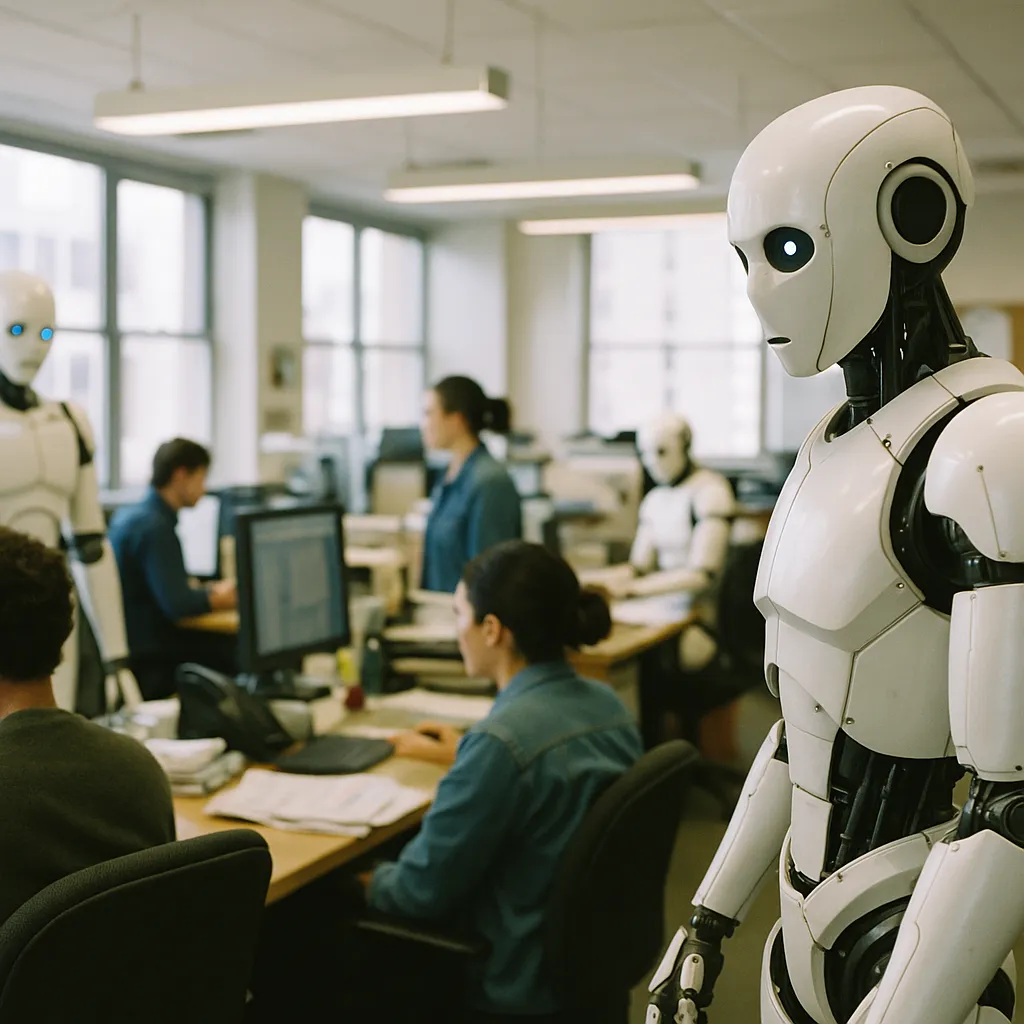
NVIDIA has launched a sweeping partnership initiative to deploy AI-driven factories across the U.S., framing the push as reindustrialization — not just automation.
NVIDIA Is Betting That AI-Trained Robots Can Rebuild American Manufacturing
By Hector Herrera | May 8, 2026 | Manufacturing
NVIDIA has launched a sweeping partnership initiative with U.S. manufacturing and robotics companies to deploy AI-driven factories using its Omniverse simulation platform and physical AI software stack — framing the effort explicitly as "reindustrialization," not just automation. The announcement from NVIDIA's newsroom positions the company as the infrastructure layer for a wave of domestic manufacturing investment that its leadership argues cannot happen without AI-trained robots and digital twin technology at its core.
The timing is deliberate: NVIDIA made the announcement ahead of Automate 2026, the robotics and automation trade show running this week in Chicago, where the company is a keynote anchor alongside ABB, Fanuc, and Rockwell Automation — the established industrial automation players it is now competing with and partnering simultaneously.
What NVIDIA Is Actually Building
The physical AI initiative bundles several NVIDIA platforms into what the company calls a factory-scale AI stack:
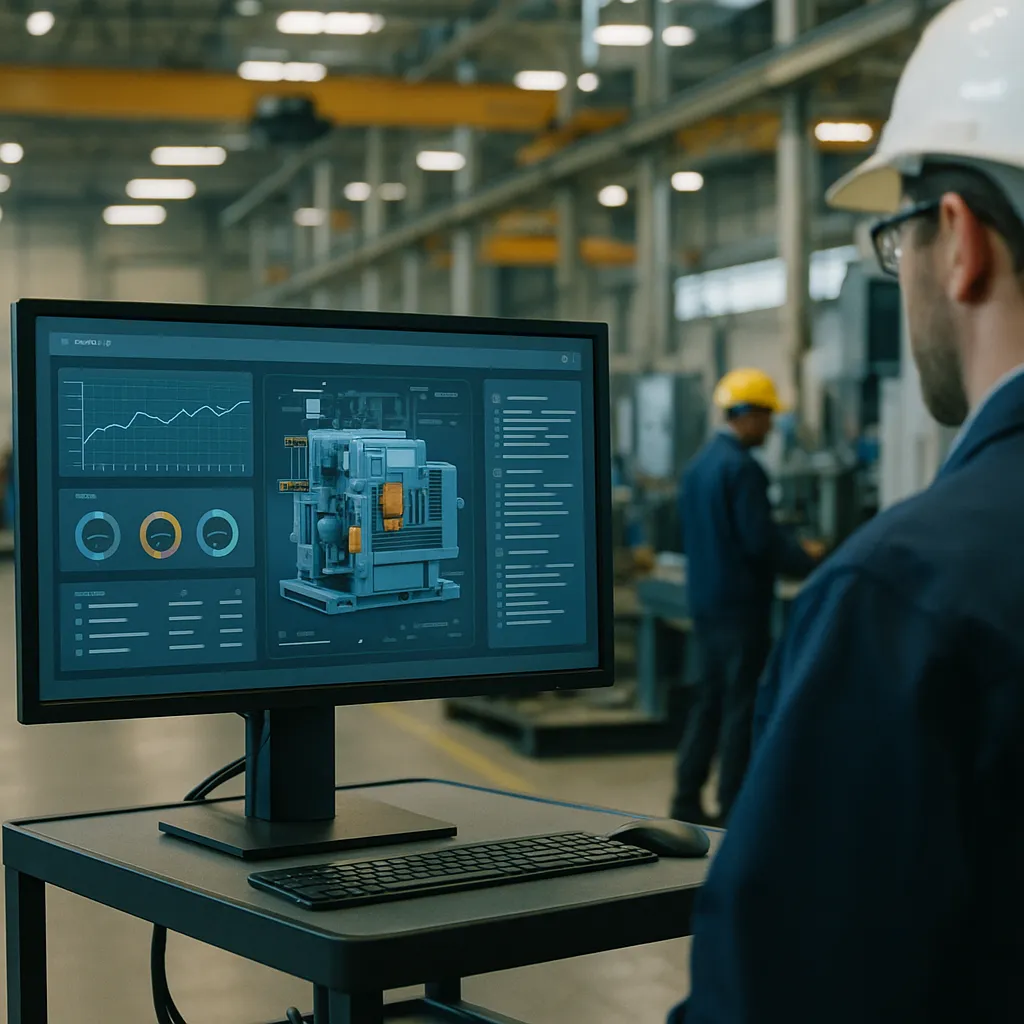
- Omniverse — NVIDIA's simulation platform that creates photorealistic digital twins of factory floors. Manufacturers can simulate production changes, test robot behaviors, and identify bottlenecks without stopping physical production.
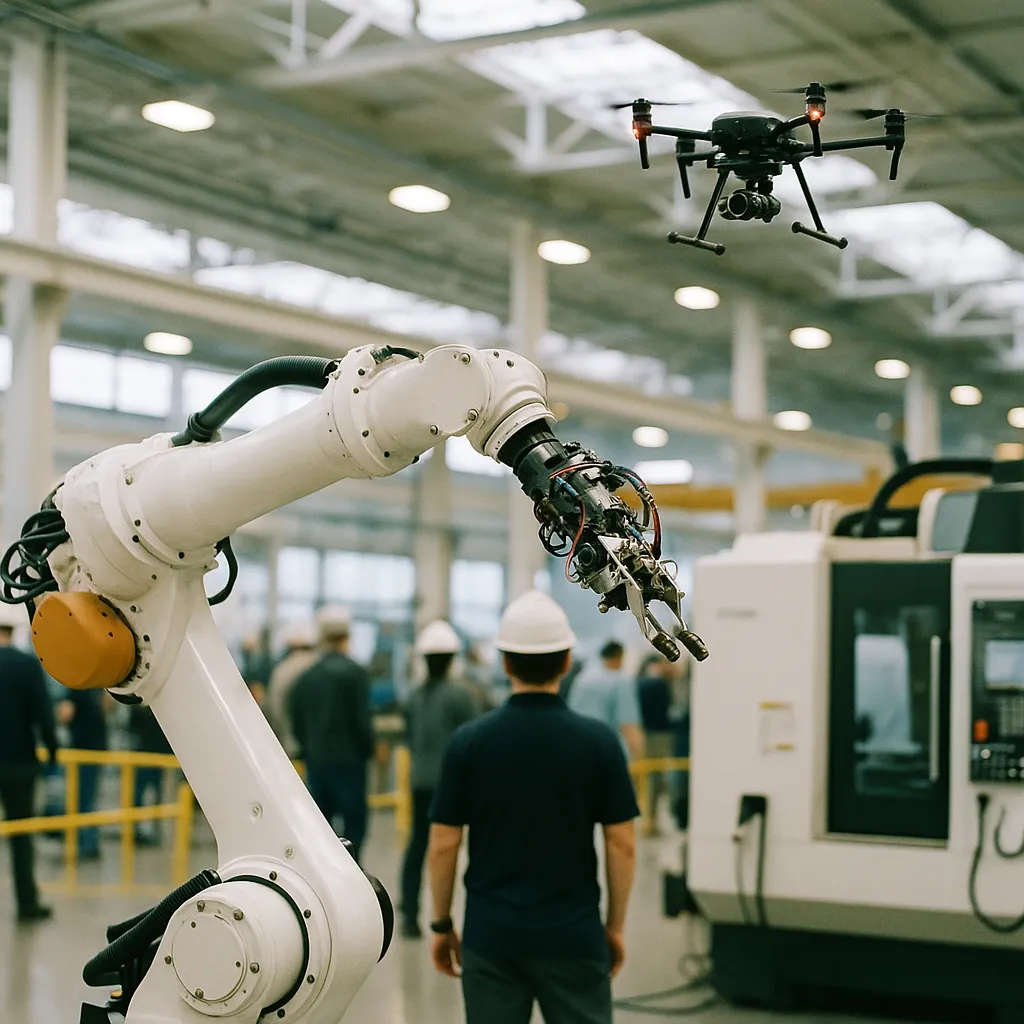
- Isaac — NVIDIA's robotics development platform, which provides the training infrastructure for autonomous mobile robots (AMRs), robotic arms, and inspection systems.
- Metropolis — computer vision infrastructure for factory floor monitoring, quality inspection, and safety compliance.
The partnership model brings in companies across the manufacturing and robotics stack: systems integrators, robot manufacturers, machine builders, and enterprise software vendors. NVIDIA's role is providing the AI training and simulation infrastructure; partners handle the physical deployment.
The Reindustrialization Claim
NVIDIA's language is pointed. The company is not describing this as efficiency improvement for existing factories — it is using "reindustrialization" to mean rebuilding domestic manufacturing capacity that has eroded over decades. The argument runs roughly: labor cost differentials that made offshoring economically rational are now offset by AI-trained robotics, making domestic production competitive for categories of goods that have not been made in the U.S. at scale for a generation.
Get this in your inbox.
Daily AI intelligence. Free. No spam.
This is a significant claim. It's also one that the manufacturing industry has heard before — automation has been displacing some offshoring for years, and the pace of reshoring has been slower than advocates projected. What's different in the NVIDIA framing is the specificity about AI's role: not just robots that perform fixed tasks faster, but robots that can be retrained through simulation rather than physical reprogramming, reducing the cost of adapting production to new products.
Whether that retraining flexibility actually changes the economic math on reshoring depends on factors NVIDIA doesn't control — tariff policy, energy costs, workforce availability, and supply chain geography among them. The physical AI stack is a necessary condition for competitive domestic manufacturing in some sectors; it is not sufficient by itself.
Who's Deploying It
Automate 2026 features several live demonstrations of the NVIDIA-enabled stack:
- ABB is showcasing AI-powered robot programming that uses natural language to configure robotic arms — reducing the specialized engineering labor currently required to program industrial robots.
- Fanuc is demonstrating visual inspection systems trained on NVIDIA's AI infrastructure, capable of detecting defects at speeds and accuracy levels that exceed manual inspection in certain high-volume applications.
- Rockwell Automation is integrating NVIDIA's Metropolis platform into its FactoryTalk suite, connecting computer vision with existing factory management systems.
These are established industrial automation companies with deep customer relationships in automotive, electronics, food and beverage, and pharmaceutical manufacturing. Their adoption of NVIDIA's AI stack signals that the physical AI layer is moving from pilot programs toward production integration.
The Labor Question
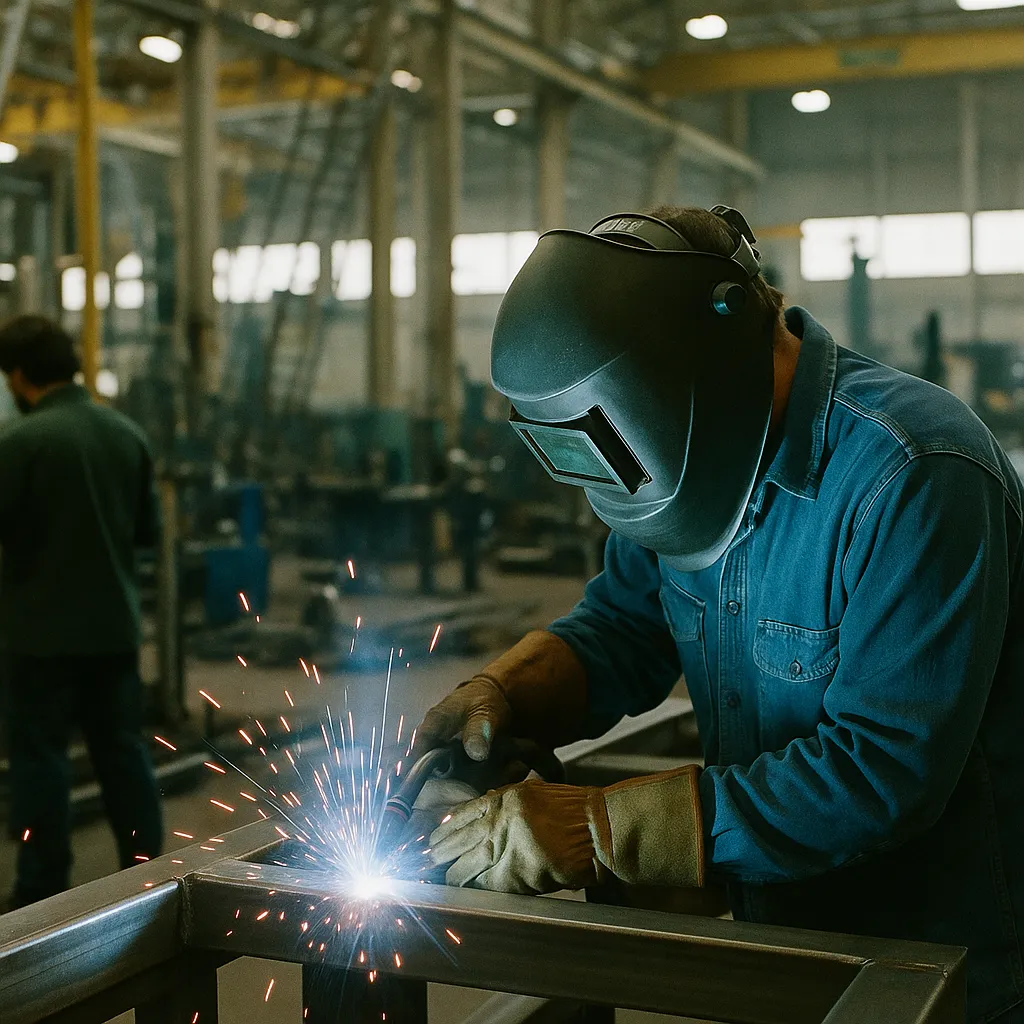
NVIDIA's reindustrialization framing sidesteps the labor displacement dimension that is unavoidable in any serious discussion of manufacturing AI. More production in the U.S. does not automatically mean more manufacturing jobs in the U.S. — AI-trained robotic systems can increase domestic output while reducing the number of human workers required per unit of production.
The net employment effect depends on the magnitude of reshoring relative to the automation intensity of the new facilities. In sectors like semiconductor fabrication, the new domestic facilities (TSMC Arizona, Samsung Texas, Intel Ohio) are highly automated from the start. The jobs created are real but fewer per unit of output than traditional manufacturing employment.
This is not an argument against physical AI or domestic manufacturing investment. It is context that should inform workforce policy, training programs, and community economic development planning alongside the reshoring push.
What to Watch
Automate 2026 runs through May 9. Watch for customer announcements from manufacturers committing to NVIDIA-based production lines — those are the leading indicators of actual deployment, not just partnership agreements. The federal manufacturing incentives under the CHIPS Act and its successor programs include AI-driven facilities; how those grant awards track against NVIDIA partner companies will indicate whether the reindustrialization narrative is translating into funded projects.
Did this help you understand AI better?
Your feedback helps us write more useful content.
Get tomorrow's AI briefing
Join readers who start their day with NexChron. Free, daily, no spam.