NVIDIA's Omniverse platform is now powering factory digital twins and autonomous robotics at Foxconn, Toyota, TSMC, Caterpillar, and Lucid Motors — the most concrete test yet of physical AI in American manufacturing.
NVIDIA Deploys Omniverse Physical AI Across U.S. Factories With Foxconn, Toyota, and TSMC
By Hector Herrera | May 11, 2026 | Manufacturing
NVIDIA has announced that a cluster of major manufacturers — including Foxconn, Toyota, TSMC, Caterpillar, Lucid Motors, Belden, and Wistron — are now deploying its Omniverse platform to build factory digital twins and train AI robotics systems at scale. The deployments target America's chronic skilled-labor shortage and represent the most concrete test yet of whether "physical AI" can deliver on the domestic manufacturing revival that politicians and executives have been promising for three years.
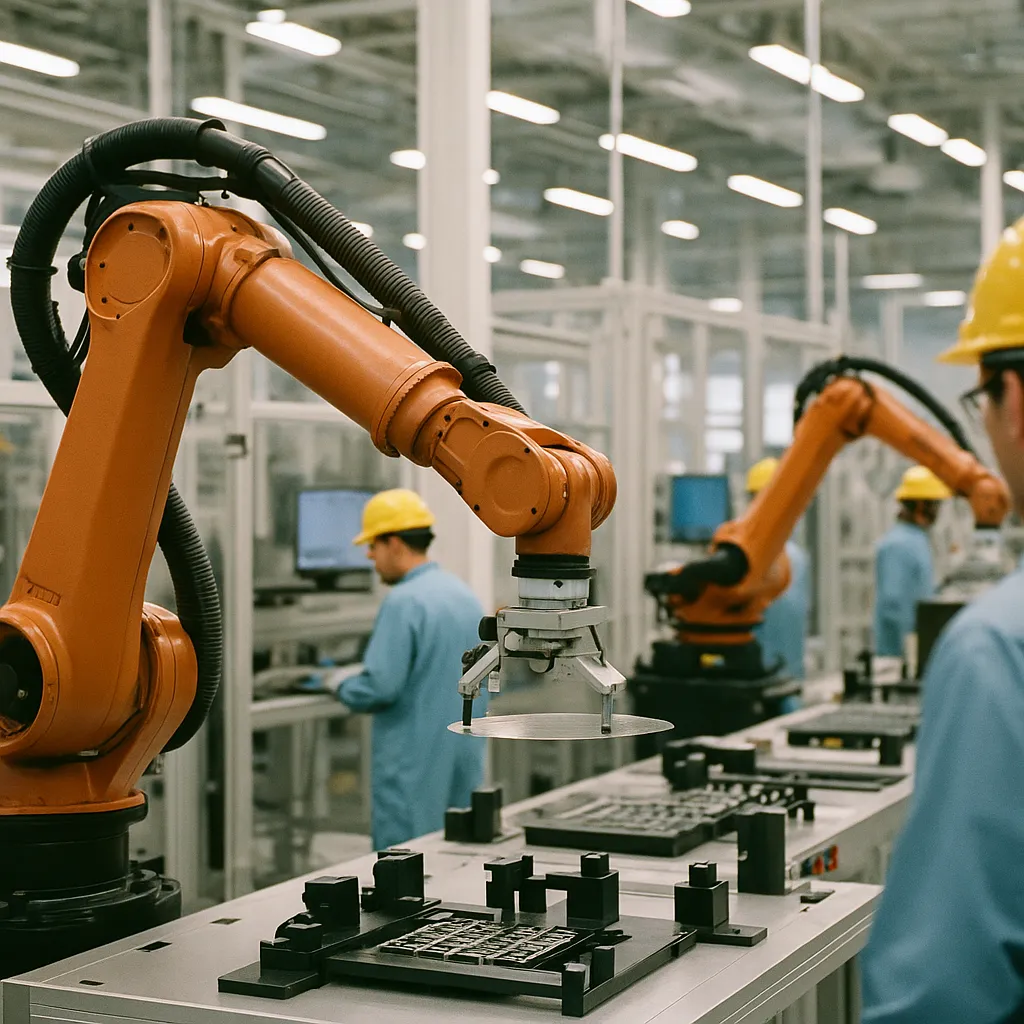
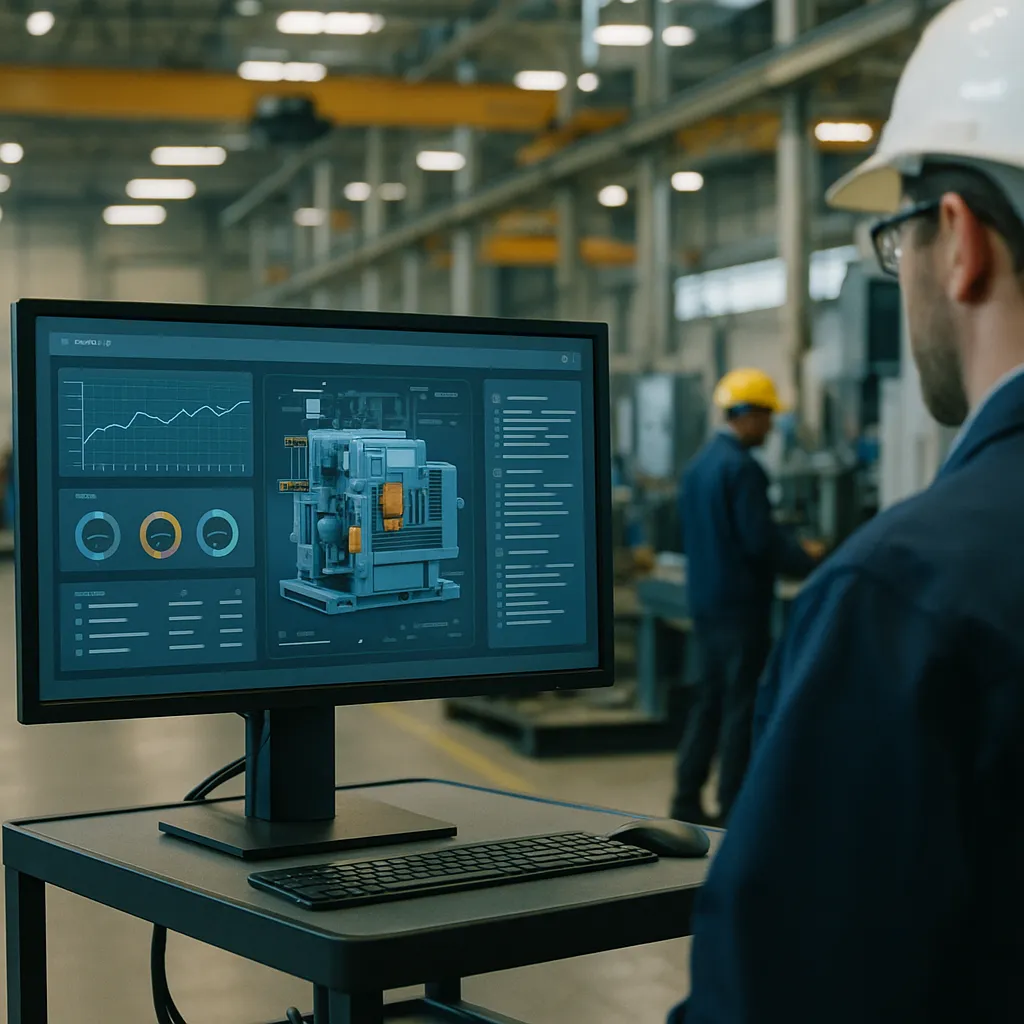
Physical AI is the application of AI not to generate text or images but to operate in the physical world — moving, sensing, assembling, and adapting. It's a harder problem than language AI, with narrower margins for error and real consequences when it fails. The NVIDIA Omniverse platform lets manufacturers build a photorealistic, physics-accurate simulation of a factory floor — a digital twin — that AI systems use to train before they ever touch real equipment.
What's Actually Being Deployed
According to NVIDIA's announcement, the deployments break down by company:
- TSMC (Phoenix fab): Using Omniverse-powered digital twins to simulate and optimize its Arizona semiconductor fabrication facility — the most capital-intensive manufacturing environment in the world and one where any unplanned downtime is counted in millions of dollars per hour.
- Lucid Motors: Training autonomous assembly robots through real-time digital twin optimization. Lucid is validating assembly sequences in simulation before deploying them on the production line, reducing the physical trial-and-error cycle.
- Foxconn: Deploying AI factory systems at its U.S. operations, building on its existing Omniverse integration at overseas facilities.
- Toyota: Using AI-powered robotics planning integrated with Omniverse for production optimization.
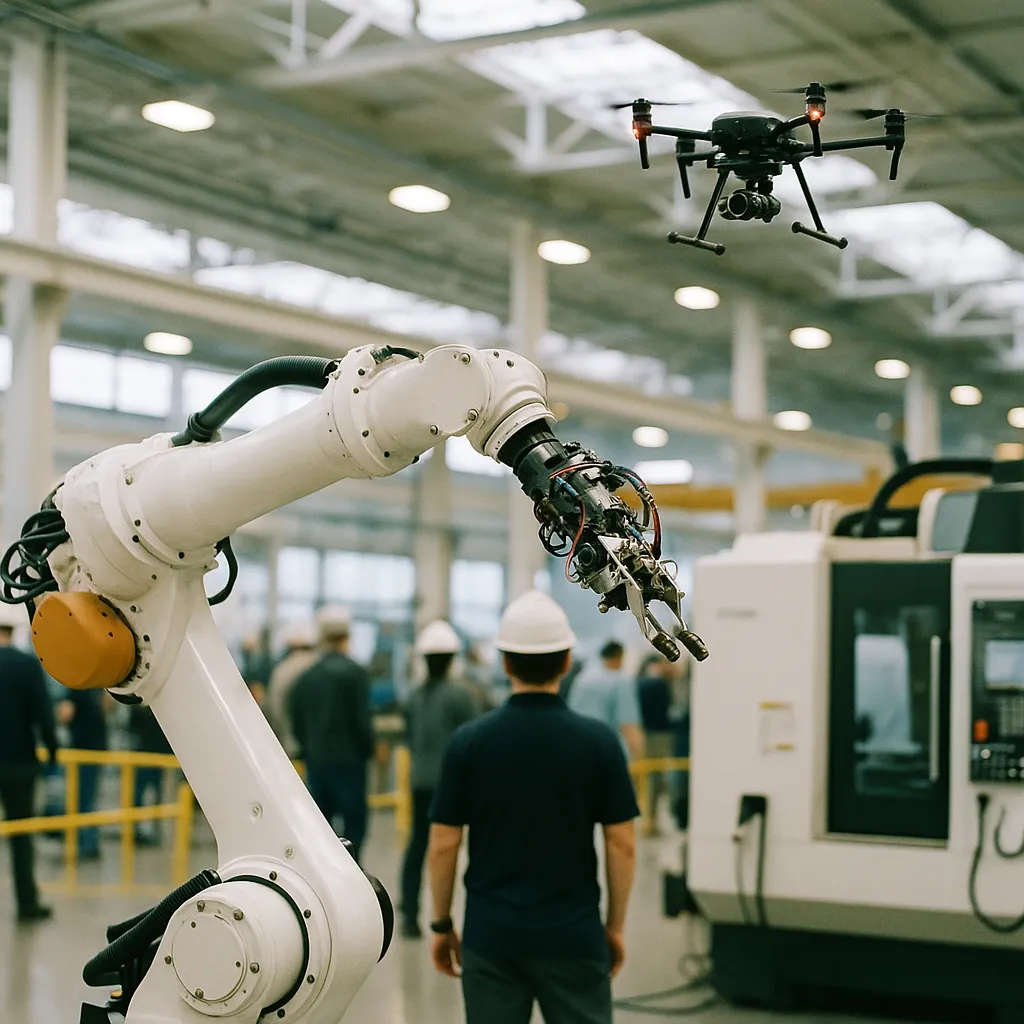
- Caterpillar: Applying physical AI to heavy equipment manufacturing, where precision assembly and quality inspection are the highest-value targets.
- Belden and Wistron: Deploying factory AI for electronics and infrastructure manufacturing.
NVIDIA did not disclose financial terms or specific productivity benchmarks for any of the deployments in this announcement.
The Digital Twin Advantage
The core claim behind physical AI and digital twins is straightforward: simulate before you build, train before you deploy. In traditional manufacturing, new equipment configurations or robot programming changes require physical testing that halts production. A digital twin lets engineers iterate in simulation — testing thousands of configurations — before committing to physical changes.
For semiconductor manufacturing in particular, this is transformative. TSMC's Phoenix fab processes wafers under conditions of extraordinary precision. A digital twin enables the kind of systematic process optimization that previously required extremely expensive physical experimentation.
Get this in your inbox.
Daily AI intelligence. Free. No spam.
The economic argument breaks down to risk reduction: if a digital twin catches one production problem before it occurs on the fab floor, the ROI on the Omniverse deployment can be justified. At TSMC margins and volumes, the math tends to work out quickly.
The Labor Shortage Context
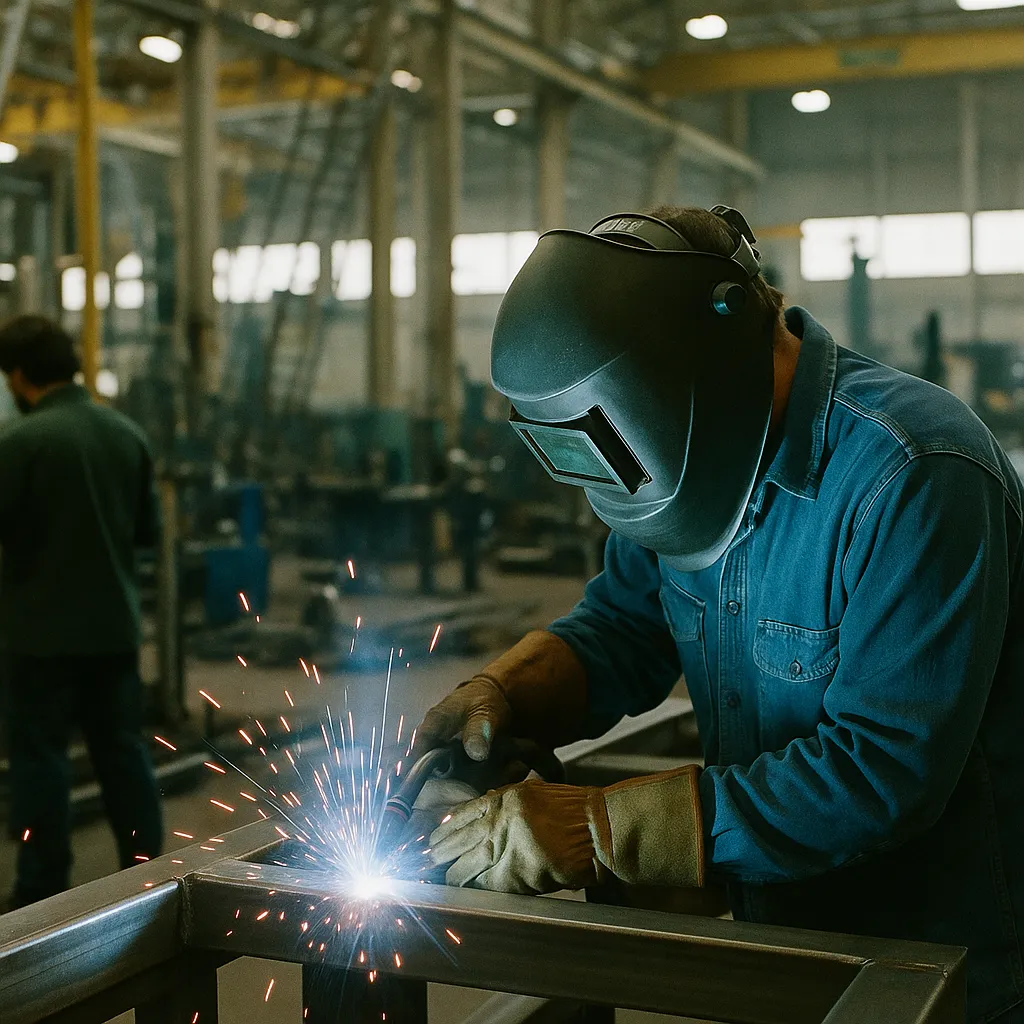
These deployments are occurring against a specific economic backdrop: the U.S. manufacturing sector faces a structural shortfall estimated at 2.1 million unfilled jobs through 2030, according to the National Association of Manufacturers. The shortage is concentrated in precision machining, semiconductor fabrication, advanced welding, and quality inspection — exactly the functions physical AI targets.
The political dimension matters here too. The CHIPS Act, the Inflation Reduction Act's domestic manufacturing provisions, and a series of bilateral trade agreements have created financial incentives for companies like TSMC and Toyota to build or expand U.S. facilities. Those incentives only pay off if the facilities can operate productively — which requires either trained workers or AI systems capable of handling high-precision tasks. In many cases, the workforce simply isn't there on the timelines the incentives require.
Physical AI isn't replacing American manufacturing workers at scale — it's filling jobs that have no candidates. That framing is contested, and the longer-term labor displacement question remains legitimate, but in the immediate term, the constraint these companies face is vacancy, not excess staffing.
What This Means for the Sector
For manufacturers considering similar moves, the NVIDIA announcement signals several things:
- Omniverse is now a production system, not a research tool. Companies of TSMC and Toyota's operational conservatism do not deploy technology in core production environments for press releases.
- Digital twin investment is accelerating, with NVIDIA, Siemens, PTC, and Rockwell Automation all competing for enterprise digital twin contracts. The consolidation dynamic in industrial software is worth watching.
- AI robotics training data is becoming a competitive asset. Companies that build Omniverse simulation environments accumulate proprietary training data describing their specific factory physics, equipment tolerances, and production sequences. That data has value beyond its immediate application.
For smaller manufacturers, the challenge is access. The companies deploying Omniverse today are among the most capitalized in the world. The question for 2026 and beyond is whether digital twin and physical AI tooling becomes accessible to mid-market manufacturers — or whether physical AI, like advanced robotics before it, concentrates advantages among the largest players.
What to Watch
Watch TSMC's Phoenix ramp schedule. The fab has faced delays related to workforce training and equipment qualification; if Omniverse-assisted digital twin optimization accelerates the qualification timeline, it will be the most consequential validation of physical AI in manufacturing to date.
Also watch NVIDIA's industrial revenue segment in upcoming earnings. If physical AI deployments are moving from pilot to production, it should show up in the numbers.
Source: NVIDIA Newsroom
Did this help you understand AI better?
Your feedback helps us write more useful content.
Get tomorrow's AI briefing
Join readers who start their day with NexChron. Free, daily, no spam.