NVIDIA and Emerald AI are building data centers engineered to scale compute loads up or down on grid operator command, turning AI's electricity appetite into a grid stability tool.
NVIDIA and Emerald AI Build Data Centers That Double as Flexible Power Grid Assets
By Hector Herrera | May 4, 2026 | Energy
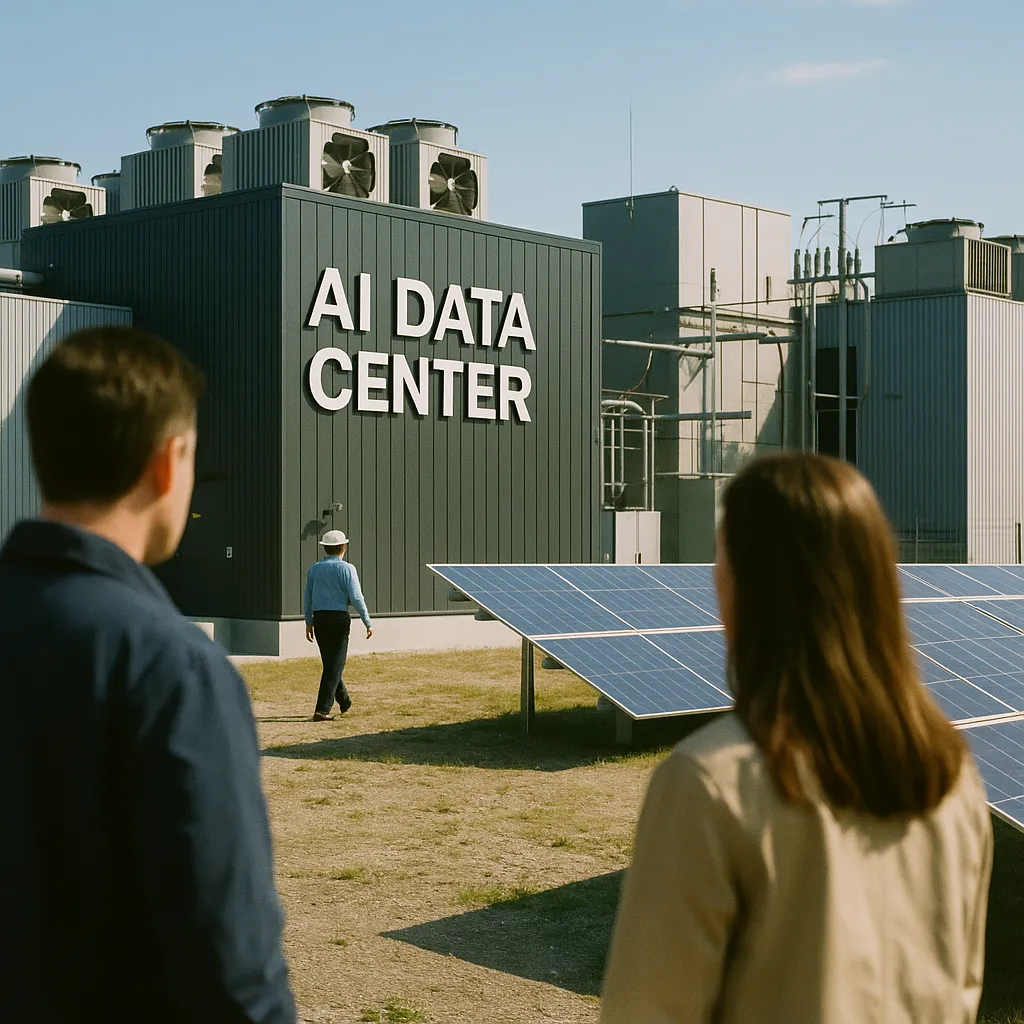
NVIDIA and Emerald AI have announced a partnership with major energy companies to build AI data centers that function as grid-responsive load assets — meaning the data centers can scale their power consumption up or down on demand to help grid operators balance electricity supply. The announcement is significant because it turns the AI industry's biggest liability — its enormous and growing electricity appetite — into a potential grid asset.
Background
The collision between AI infrastructure and the power grid has been building for several years. Data center electricity demand is projected to double or more by the end of the decade, driven primarily by AI training and inference workloads. That growth is creating two simultaneous crises: AI companies struggle to secure sufficient power, and grid operators struggle to integrate more renewable energy because solar and wind generation doesn't match the flat, predictable load profiles that made grids easy to balance.
Flexible demand response — the ability to increase or decrease electricity consumption on command from a grid operator — has historically come from industrial users like aluminum smelters and chemical plants that could throttle energy-intensive processes when grid conditions required it. AI data centers, with their massive but adjustable compute workloads, are a new and potentially large source of that flexibility.
What NVIDIA and Emerald AI Announced
According to the NVIDIA Newsroom announcement, the partnership involves building "flexible AI factories" — data centers engineered from the ground up to participate in grid demand response programs. Key elements:
- Grid interconnection designed for flexibility — the facilities are connected to utility grids with metering and control infrastructure that allows rapid load adjustment
- Energy company partnerships — major energy companies are involved as operational partners, not just power suppliers, suggesting the grid participation is a formal commercial arrangement rather than an ad-hoc agreement
- NVIDIA infrastructure — the compute backbone uses NVIDIA hardware, connecting this partnership to NVIDIA's broader push to position its platforms as the infrastructure layer for AI everywhere
- Emerald AI's role — Emerald AI is building and operating the data centers, with the flexible grid integration as a core feature rather than an add-on
The model assumes that AI workloads — particularly inference workloads that can be scheduled with some flexibility — can be throttled or paused for short periods without meaningfully degrading service quality for customers. Training workloads are typically harder to interrupt, but inference (running AI models to answer queries) can often tolerate brief gaps.
Get this in your inbox.
Daily AI intelligence. Free. No spam.
Why This Matters for the Grid
Grid operators face a specific problem: as solar generation increases, there's a daily pattern called the "duck curve" where midday solar production exceeds demand and evening demand spikes when solar drops off. Managing that imbalance requires either electricity storage or flexible load. Storage is expensive and still limited in scale. Flexible load is cheap and immediately scalable if the right industrial customers participate.
A large AI data center consuming 100–500 megawatts has significant demand-response potential. If it can reduce consumption by 20% for two hours during an evening peak event, that's 20–100 megawatts of effective grid flexibility — comparable to a peaker plant, without burning fuel.
The economic model also works for the data center operator. Demand response programs pay participating facilities for their flexibility — not just when they actually curtail, but for being available to curtail. That availability payment is effectively a new revenue stream for data center operators who build in the flexibility capability. Emerald AI and NVIDIA are betting that the combination of lower effective energy costs (demand response credits offset electricity costs) and grid participation revenue makes the flexible AI factory model economically superior to a conventional data center.
What This Means for the Energy Transition
This partnership is one data point in a larger shift: the AI industry moving from being a passive consumer of electricity to an active participant in grid management. If the model works at scale, it suggests a future where AI data center capacity is explicitly counted in grid planning models as a demand-response resource — reducing the need for new peaker plants or expensive storage deployments.
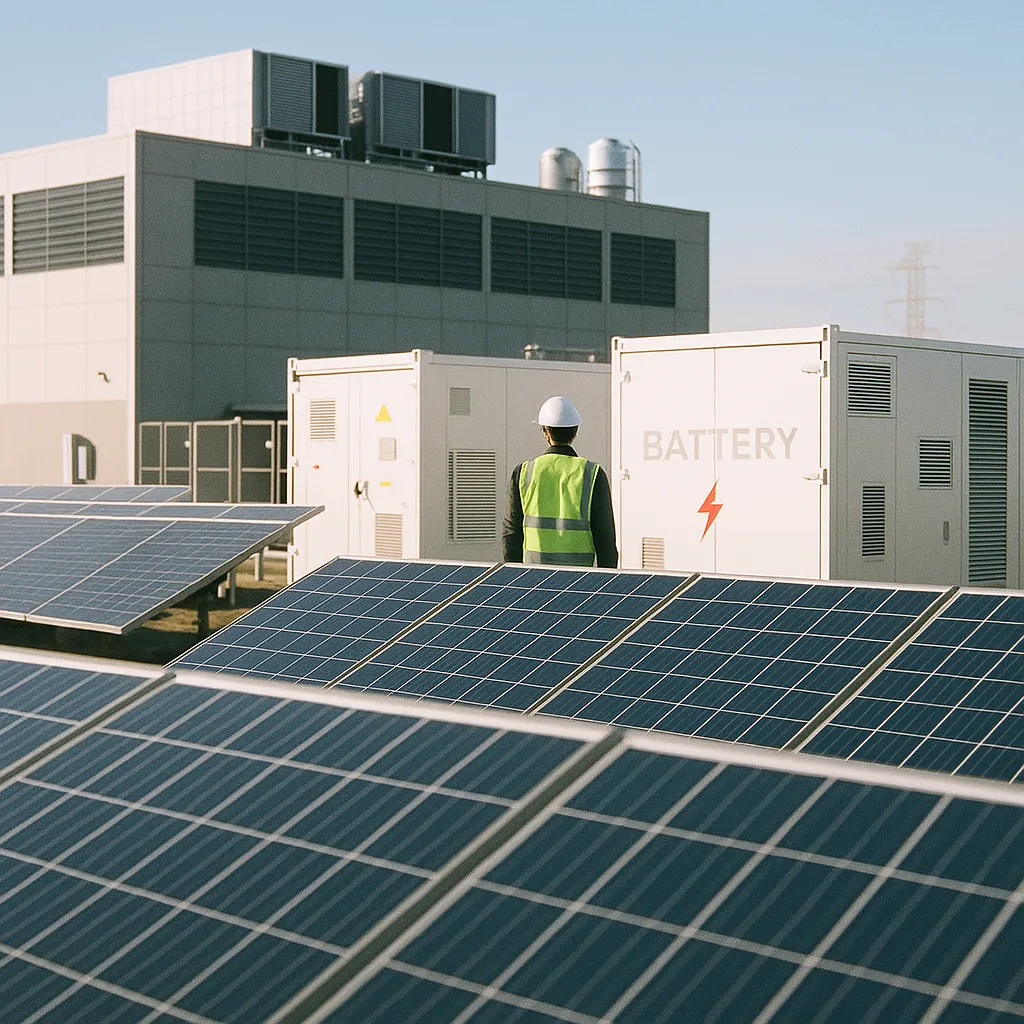
The implications for renewable energy integration are particularly important. More flexible load makes more renewable generation viable. If AI data centers can absorb excess solar production and back off during evening peaks, the economic case for building more solar improves. The partnership, if successful, could create a positive feedback loop between AI infrastructure investment and clean energy deployment.
There are real constraints. Demand response requires reliable, fast communication between grid operators and load facilities. It requires AI operators to accept that their compute capacity will be constrained at certain times — which has implications for service-level agreements with customers. And it requires regulatory frameworks in each grid jurisdiction that allow large industrial loads to participate in demand response markets, which varies significantly by state and grid operator.
What to Watch
The critical test is whether this model produces meaningful grid services at commercial scale, not just in controlled demonstrations. Watch for NVIDIA and Emerald AI to announce specific grid operator partnerships — CAISO in California, ERCOT in Texas, or PJM in the mid-Atlantic are the most likely candidates given their renewable penetration and demand response market development. Also watch for competing announcements: if this model is economically attractive, other data center operators and hyperscalers will move quickly to replicate it, and grid operators will begin incorporating AI load flexibility into their resource adequacy planning.
Source: NVIDIA and Emerald AI Join Leading Energy Companies to Pioneer Flexible AI Factories as Grid Assets
Did this help you understand AI better?
Your feedback helps us write more useful content.
Get tomorrow's AI briefing
Join readers who start their day with NexChron. Free, daily, no spam.