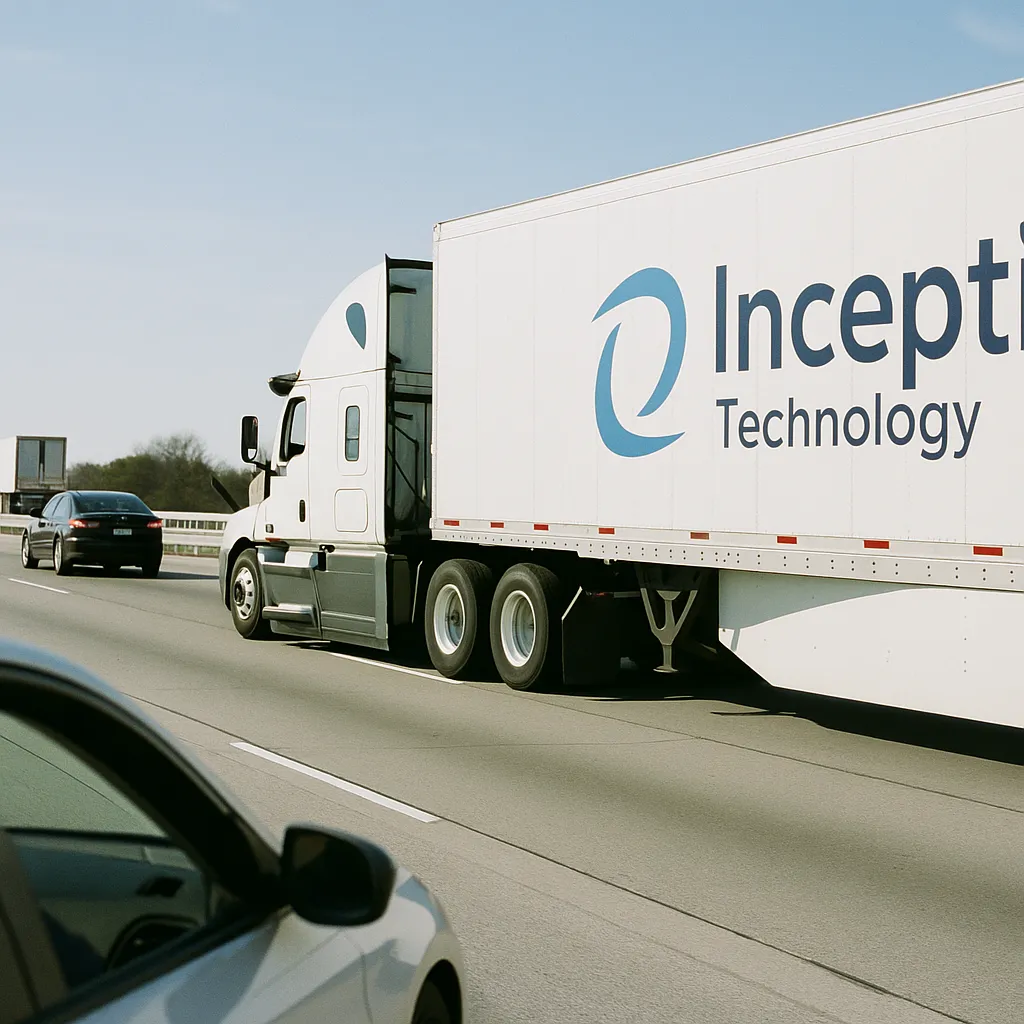
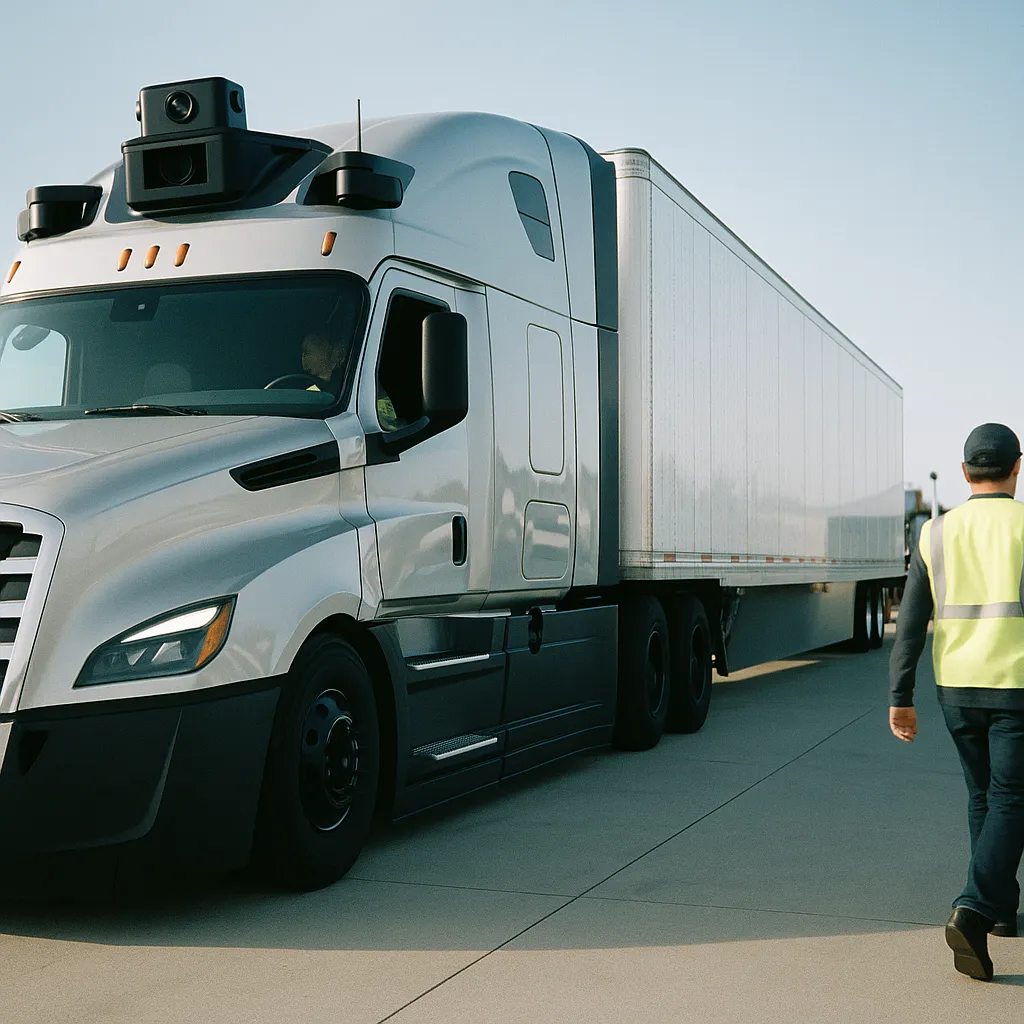
Inceptio Technology's autonomous driving systems crossed 1 billion commercial kilometers on September 8, a dataset the company frames as the foundation for next-generation freight physical AI models.
Inceptio Technology Crosses 1 Billion Kilometers of Commercial Autonomous Trucking
Inceptio Technology announced September 8 that its autonomous driving systems have surpassed 1 billion kilometers of commercial operation on public highways—a milestone that positions the Chinese freight AI company among the highest-mileage autonomous trucking fleets in the world, and hands it a dataset the company says is foundational to training the next generation of freight physical AI models.
The figure is not simulation data or controlled-environment miles. Inceptio's systems have been running commercially—hauling freight on public roads with paying cargo—giving the 1 billion km claim a different weight than laboratory or test-track accumulations.
In autonomous vehicles, mileage accumulation is both a safety benchmark and a training asset. The more real-world miles a system logs in unstructured environments—varied weather, unpredictable driver behavior, highway construction, load weight fluctuations—the more edge cases its AI models encounter and learn from.
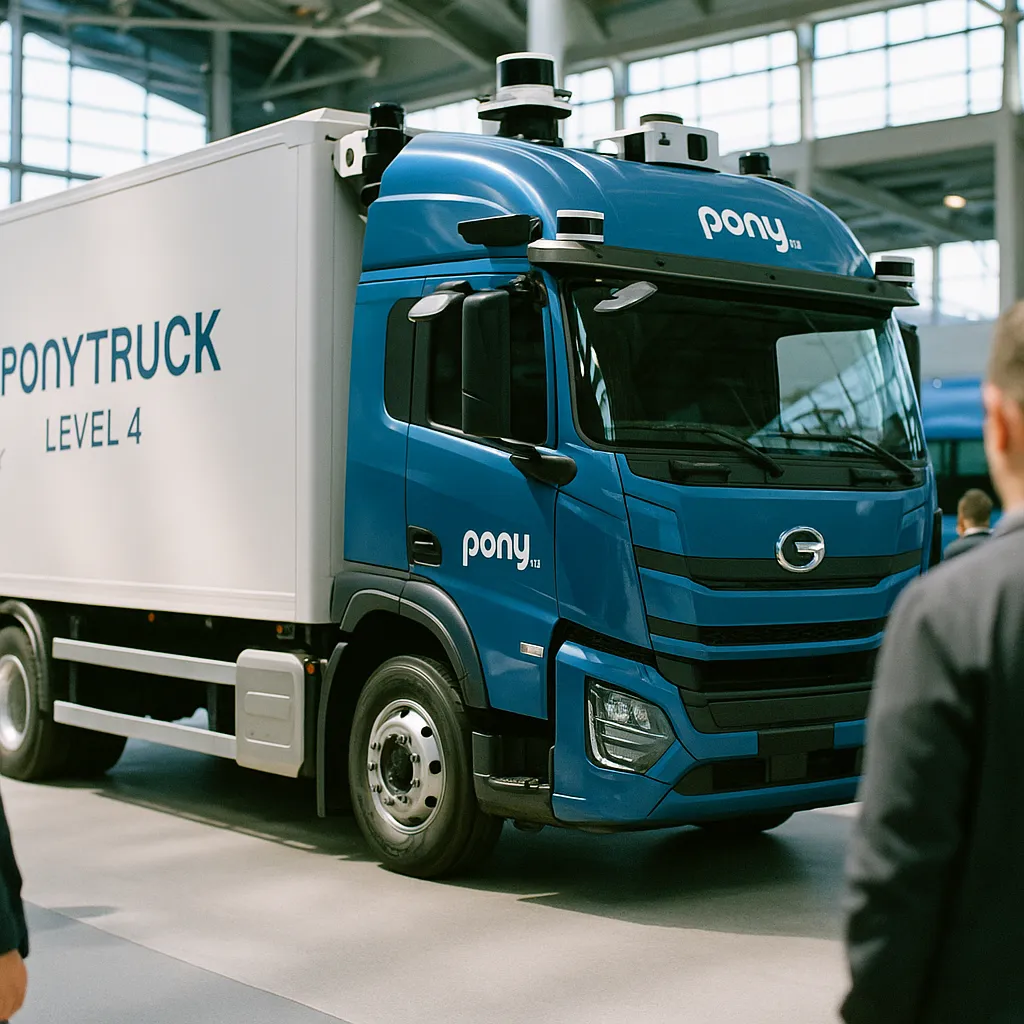
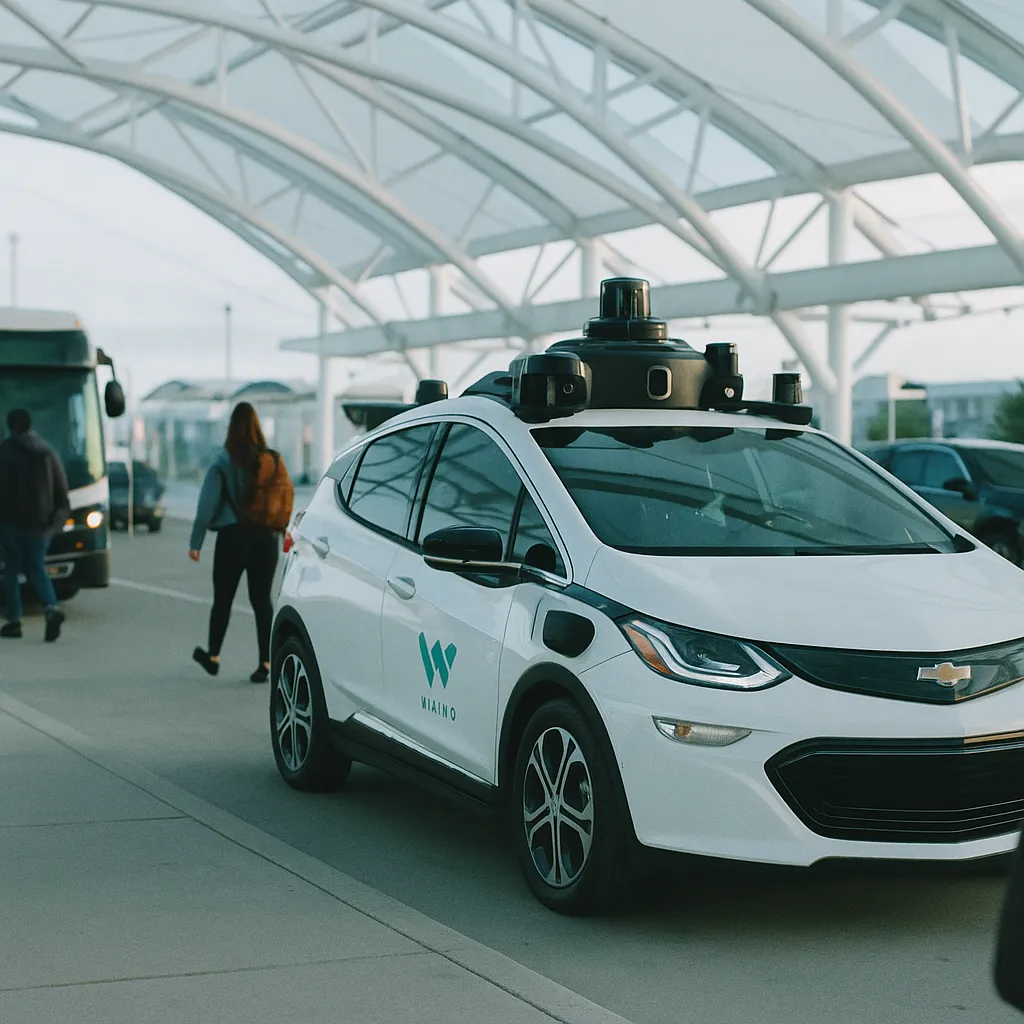
For autonomous trucking specifically, highway miles are the primary operating environment. Long-haul trucking runs on predictable corridors with fewer of the low-speed urban complexities that have slowed robotaxi deployment. That structural advantage has allowed autonomous trucking companies to accumulate commercial miles faster than urban AV programs, and to monetize those miles as operational revenue rather than purely R&D spend.
According to Inceptio's announcement via PR Newswire, the company frames the 1 billion km milestone explicitly as a dataset asset—the foundation for training large-scale freight physical AI models capable of handling unstructured highway and logistics environments reliably at scale.
The Competitive Landscape
Inceptio's milestone lands as the autonomous trucking sector globally reaches an inflection point. In the United States:
- Aurora Innovation completed its first fully driverless commercial hauls earlier in 2026 after crossing 250,000 commercial miles on the Dallas-to-Houston corridor
- Waabi and PlusAI are advancing toward driver-out operations on U.S. highways
- Gatik secured a 41-truck deal with PepsiCo for autonomous middle-mile operations
Inceptio's 1 billion km figure substantially exceeds the public mileage counts of its Western competitors. The gap reflects both operational timeline—Inceptio has been running commercial systems in China for several years—and the sheer scale of China's long-haul freight market, one of the largest in the world by volume and highway distance.
Get this in your inbox.
Daily AI intelligence. Free. No spam.
What "Freight Physical AI" Means
Inceptio uses the term "freight physical AI" to describe AI models trained and optimized for the physical dynamics of commercial trucking: load handling, trailer sway, braking distances for heavy vehicles, fuel optimization under varying payload conditions, and the operational cadence of logistics networks rather than point-to-point trips.
The distinction matters because a passenger vehicle AI model and a freight trucking AI model are not interchangeable. Trucks operate differently at every level—physics, regulation, route type, and failure consequence. A 1 billion km commercial dataset specific to freight gives Inceptio training data that cannot be replicated by repurposing passenger AV miles.
The company's use of this milestone as a model training announcement—rather than purely an operational milestone—signals that physical AI development, not just autonomous operation, is becoming the core value proposition for the leading autonomous trucking companies.
The China Advantage in Autonomous Freight
Inceptio's mileage reflects structural advantages in China's regulatory and infrastructure environment. China has moved faster than the United States on approving commercial autonomous trucking operations on its national highway network, and has done so at scale rather than in geographically limited pilot corridors. Inceptio operates across multiple major Chinese freight routes under commercial contracts, not demonstration programs.
That regulatory speed has allowed Chinese autonomous trucking companies to accumulate real-world training data faster than their U.S. counterparts, who have faced state-by-state regulatory approvals, insurance framework negotiations, and more conservative federal oversight postures.
The geopolitical dimension is relevant: Inceptio's dataset is China-specific in its road conditions, traffic patterns, and freight network structure. That specificity limits direct transferability to U.S. or European operations without additional training, but it also means the company's models are deeply optimized for one of the world's most demanding freight environments.
What This Means for the Industry
A 1 billion km commercial dataset changes what Inceptio can offer to logistics partners. The safety and reliability arguments become data-backed rather than projection-based, which matters in enterprise procurement conversations and in regulatory filings.
For the autonomous trucking sector globally, Inceptio's milestone is a competitive benchmark. Aurora, Waabi, and PlusAI will face investor and partner questions about when they expect to reach comparable mileage thresholds—and what the gap in training data means for model reliability in adverse conditions.
What to Watch
Inceptio's next strategic move will indicate whether it intends to compete globally or consolidate its position in Chinese freight. International expansion would require navigating geopolitical restrictions on Chinese AV technology operating in the United States and Europe—a barrier that has complicated other Chinese autonomous vehicle companies' plans. If Inceptio instead uses the 1 billion km milestone to attract freight carrier partnerships within China and Southeast Asia, it will be positioning for regional dominance rather than a global race with Aurora and Waabi. The product release of any publicly released freight physical AI models—trained on this dataset and offered to logistics operators—would be the clearest signal of the company's strategic direction.
By Hector Herrera
Did this help you understand AI better?
Your feedback helps us write more useful content.
Get tomorrow's AI briefing
Join readers who start their day with NexChron. Free, daily, no spam.