AV startups raised a record $21.4 billion in Q1 2026 — a 262% jump from all of 2025. Waymo's $16B Series D at a $126B valuation dominates the total, but 33 other deals signal broad conviction that commercialization is imminent.
Autonomous Vehicle Startups Raised $21.4 Billion in Q1 2026 — a 262% Jump
By Hector Herrera | April 20, 2026 | Transport
Autonomous vehicle startups raised a record $21.4 billion across 34 deals through mid-April 2026 — a 262% jump from the $5.9 billion raised in all of 2025, according to Crunchbase News. Three quarters of that total came from a single deal: Waymo's $16 billion Series D, which valued the company at $126 billion and represents one of the largest venture rounds in technology history. The quarter's numbers signal that institutional investors have collectively decided that self-driving vehicle commercialization is no longer speculative — it is imminent.
The comparison to 2025 is striking precisely because 2025 was not a bad year for AV funding. The 262% increase off an already-meaningful baseline indicates an acceleration, not a recovery.
The Waymo Effect — and What's Underneath It
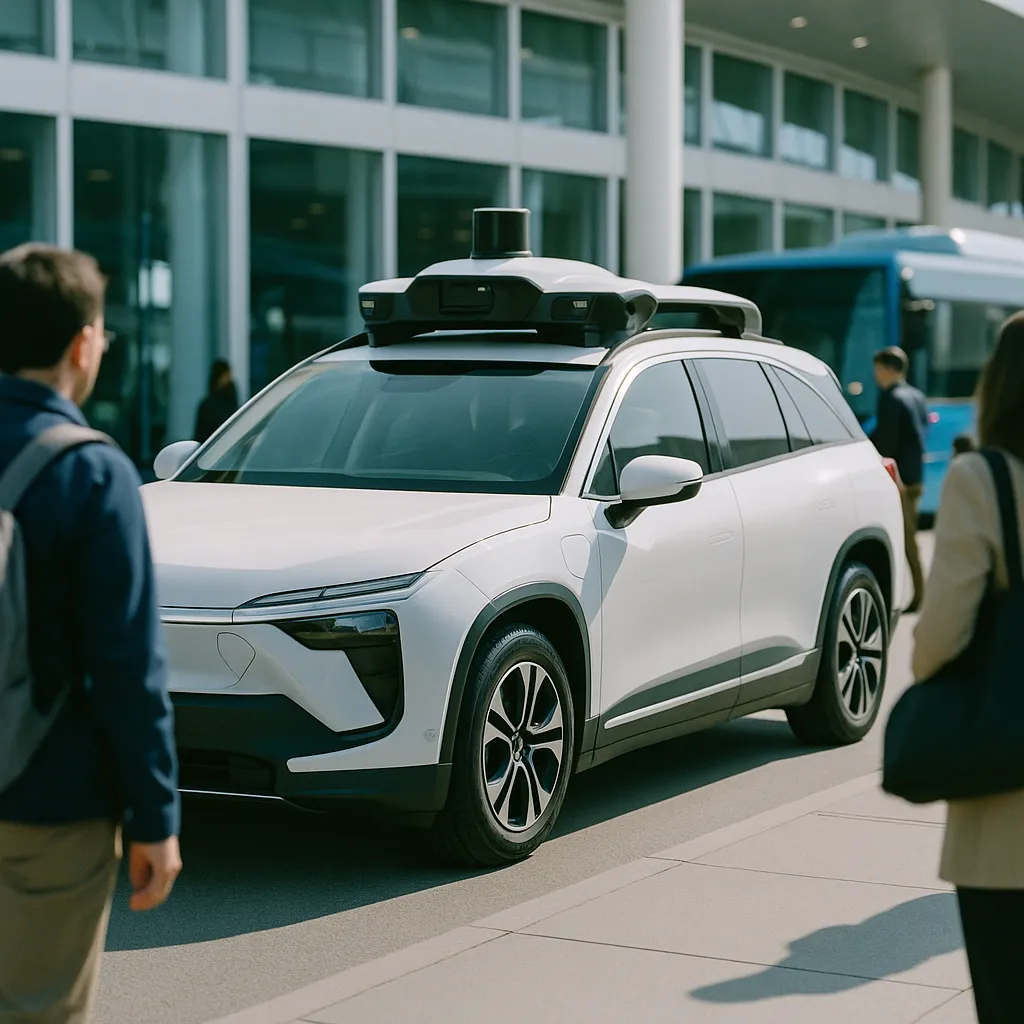
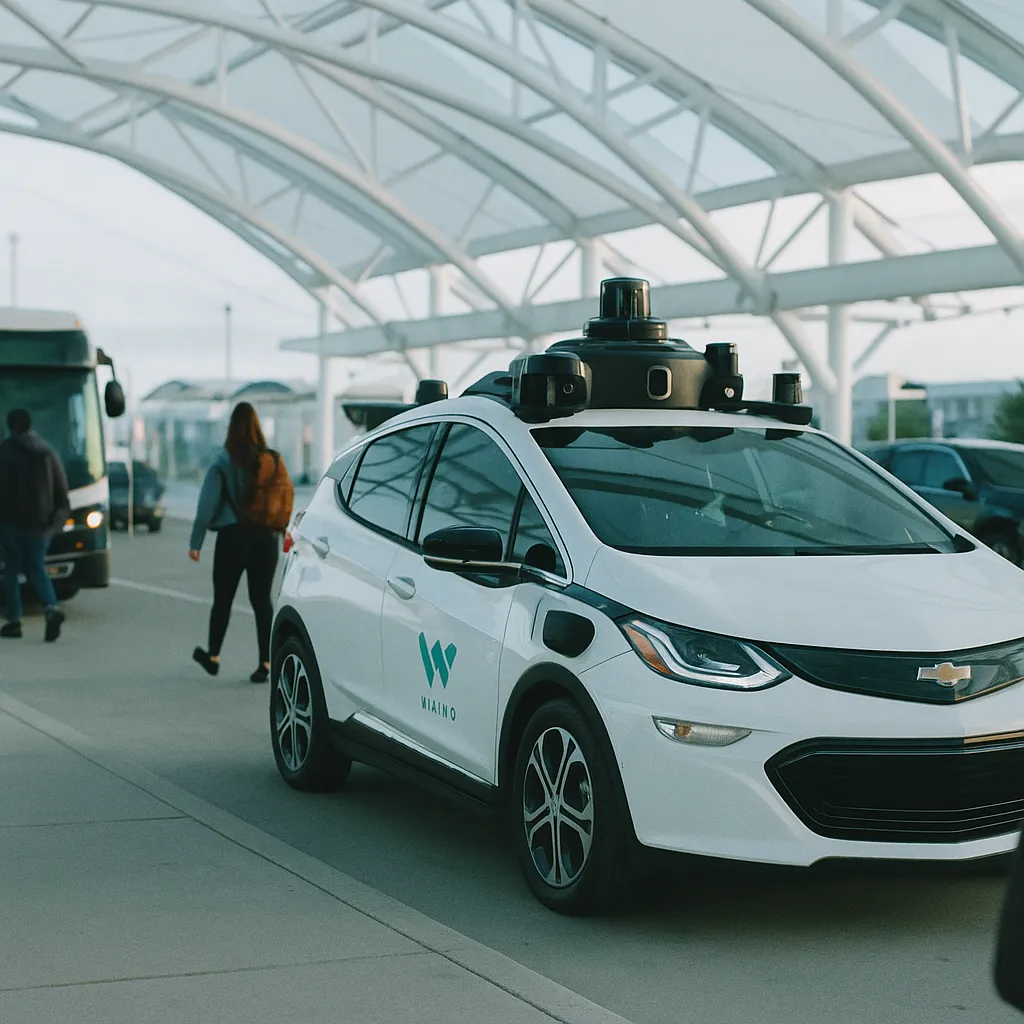
Waymo's $16 billion round at a $126 billion valuation is the dominant number in Q1, and it requires context. At $126 billion, Waymo is valued at roughly the same scale as General Motors and Ford combined. That is an extraordinary implied valuation for a company that, as of Q1 2026, operates paid robotaxi services in San Francisco, Los Angeles, and Phoenix.
The valuation is forward-looking. Investors are pricing in a scenario where Waymo expands to dozens of cities, operates hundreds of thousands of autonomous vehicles, and becomes the dominant platform for autonomous mobility. Whether that scenario materializes is the $126 billion question.
But the non-Waymo portion of Q1 AV funding — roughly $5.4 billion across 33 deals — is the number that reveals broader market conviction. That figure represents more total AV investment in a single quarter than all of 2025 combined, excluding Waymo. The pipeline of smaller deals signals that investors are not simply betting on Waymo — they are funding multiple companies across autonomous trucking, last-mile delivery, agricultural vehicles, and enabling technology.
Who Else Is Getting Funded
The $5.4 billion in non-Waymo Q1 deals reflects several sub-sectors gaining investor traction:
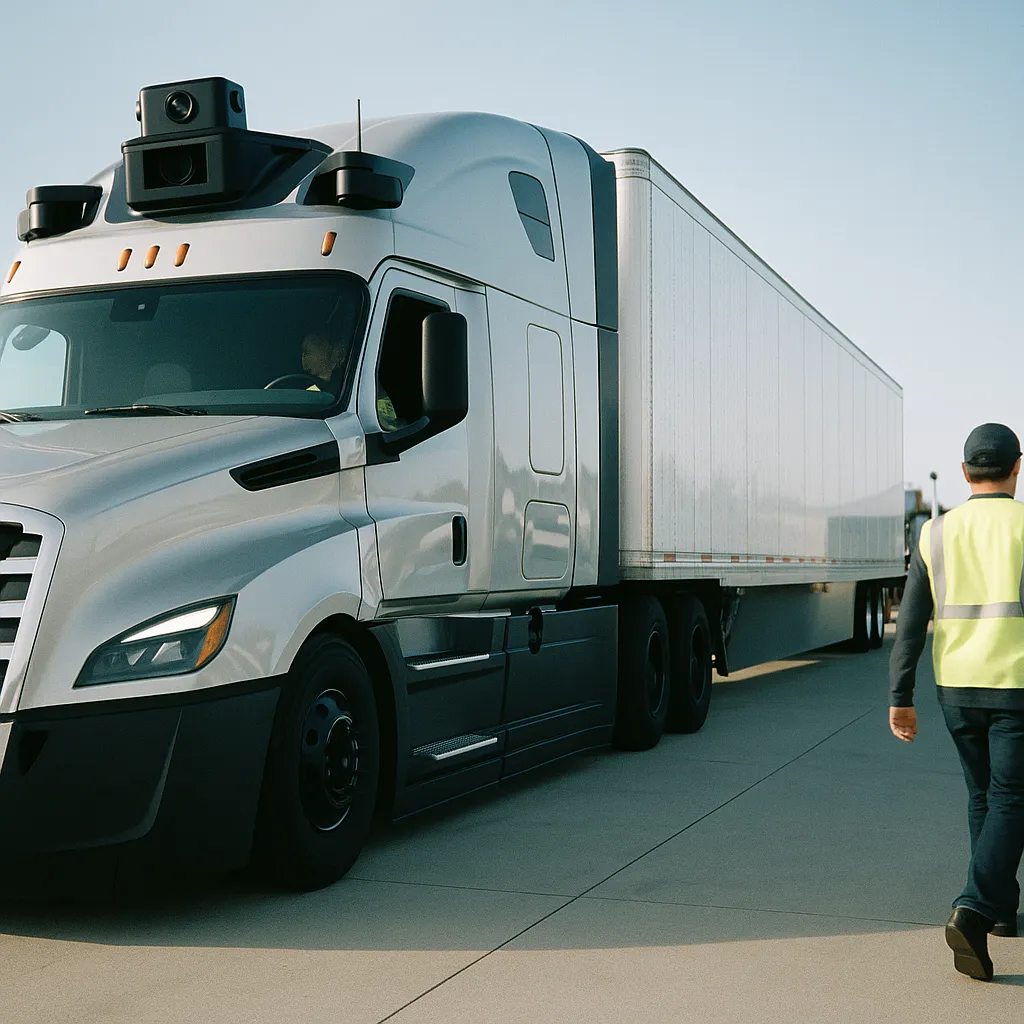
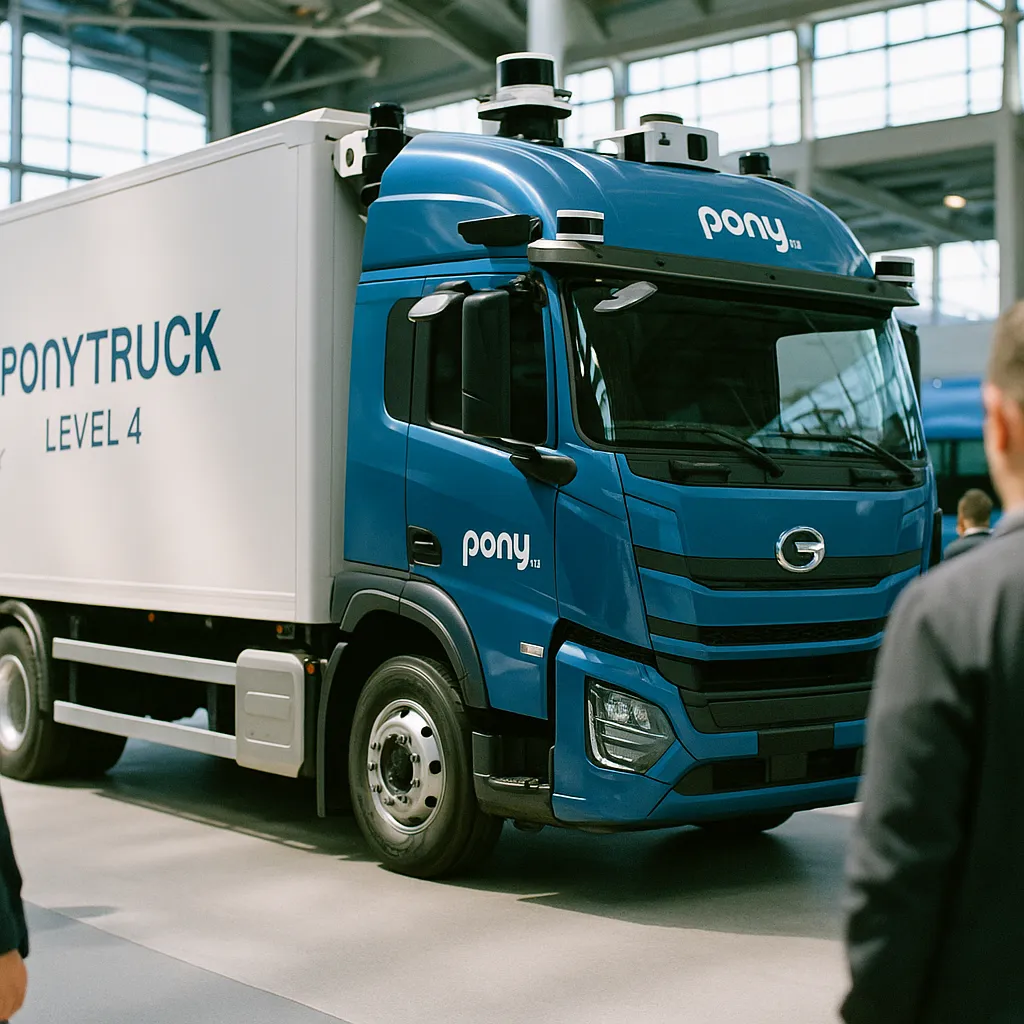
Autonomous trucking is seeing renewed capital after a difficult 2023-2024 period following the liquidation of Convoy and operational struggles at several early players. The logic of autonomous long-haul trucks is compelling: interstates are more predictable than urban streets, the driver shortage is acute and worsening, and the freight economics favor automation. Aurora Innovation, Kodiak Robotics, and several international entrants are competing for this market.
Get this in your inbox.
Daily AI intelligence. Free. No spam.
Robotaxi platform infrastructure — the software, mapping, fleet management, and sensor fusion systems required to run a robotaxi service — is attracting investment separately from the vehicle operators. Companies building the operating system for robotaxi fleets are positioned to benefit regardless of which vehicle platform wins.
Last-mile delivery — sidewalk robots, autonomous delivery vans, and campus-scale autonomous vehicles — is a quieter but consistent funding category. The unit economics are more tractable than robotaxi because delivery routes are more defined and the regulatory exposure is lower.
Federal Policy Is Catching Up
One of the friction points for AV commercialization has been regulatory patchwork: autonomous vehicles operating in one state under one set of rules, prohibited or restricted in others. Federal transportation policy is now moving toward national standards that would streamline cross-state deployment, according to Crunchbase News.
The practical impact would be significant for autonomous trucking specifically. Long-haul freight operates across state lines by definition. A truck that is legally autonomous in Texas but faces restrictions in Oklahoma and compliance hurdles in Tennessee cannot run a viable commercial route. National standards would remove that obstacle.
The proposed framework would not override all state authority — states retain road maintenance and local safety regulation — but would establish minimum federal standards for autonomous vehicle testing and deployment that preempt inconsistent state prohibitions. This is the same federal preemption logic playing out in AI law (described above), applied to physical robotics.
What 6 Billion of Waymo Means for the Industry
Waymo's valuation functions as a price signal for the entire AV ecosystem. When the most credible, most-deployed AV company in the world is valued at $126 billion, it communicates several things to the market:
The technology is real. Waymo's San Francisco and Phoenix operations are commercially operational, not pilots. Real passengers are paying for rides in vehicles with no human driver. That was not true three years ago.
The addressable market is large enough to justify the valuation. The U.S. taxi and rideshare market alone is roughly $50 billion annually. Autonomous trucking represents a far larger prize — U.S. trucking is a $900 billion industry. Waymo's current focus is passenger vehicles, but the platform and technology investments are broadly applicable.
Competing for a piece of this market is rational. If Waymo is worth $126 billion as the leader, a company that captures 10% of the market in a parallel segment could be worth $10-12 billion. That math justifies the 33 other deals that closed in Q1.
What to Watch
Watch for Waymo's city expansion announcements over the next two quarters — the company has been coy about its next markets, and the rate of geographic expansion will be the most credible test of whether the $126 billion valuation is supportable. On the trucking side, watch for Aurora Innovation's commercial launch timeline and whether federal truck AV legislation moves out of committee. If national autonomous trucking standards are introduced as standalone legislation this session, it will accelerate the timeline for the entire segment.
Hector Herrera is the founder of Hex AI Systems and editor of NexChron.
Did this help you understand AI better?
Your feedback helps us write more useful content.
Get tomorrow's AI briefing
Join readers who start their day with NexChron. Free, daily, no spam.