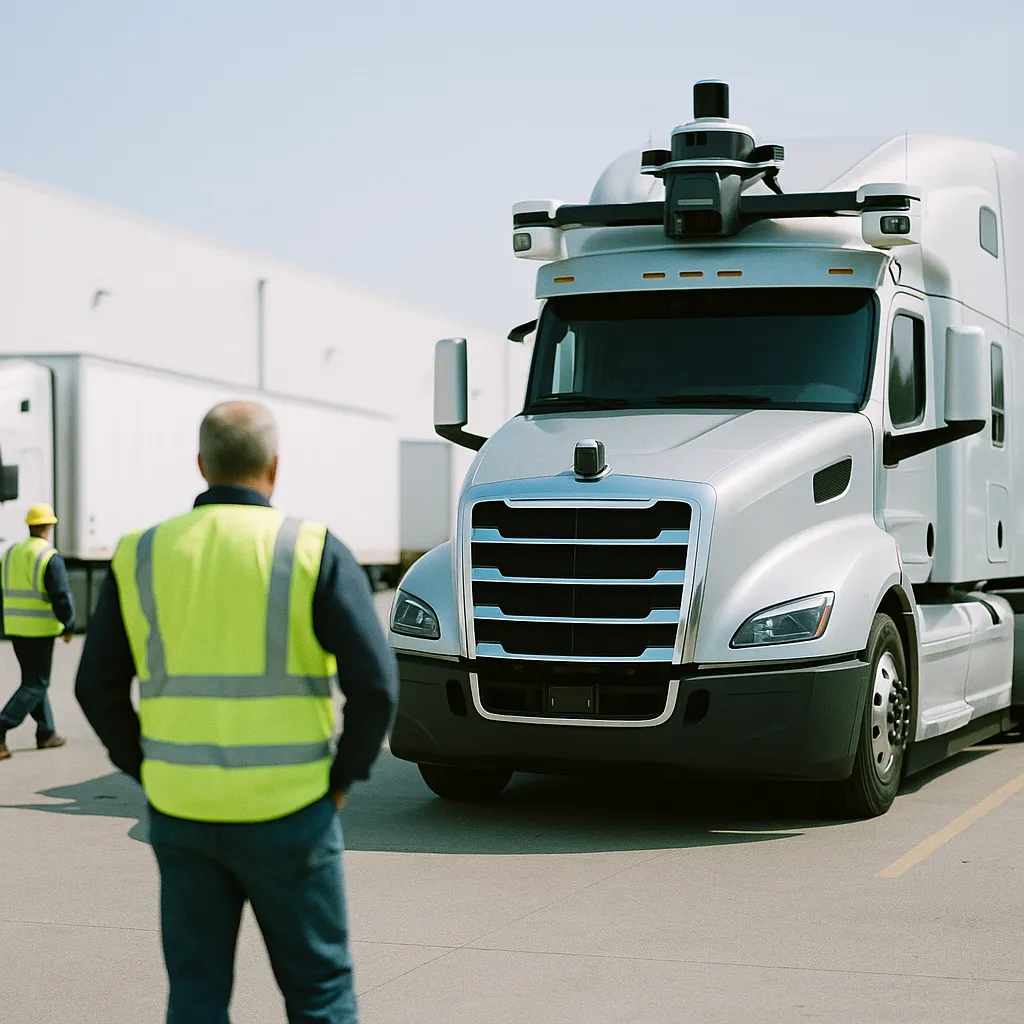
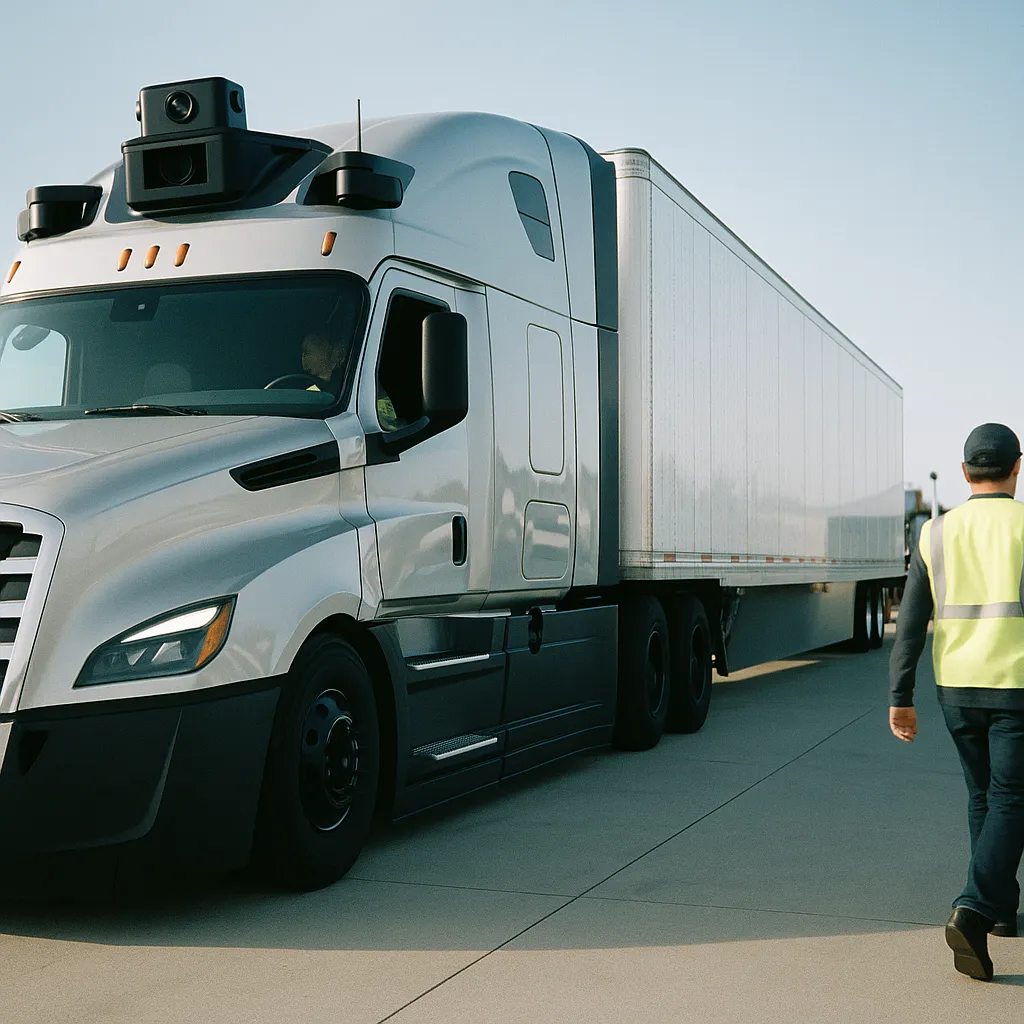
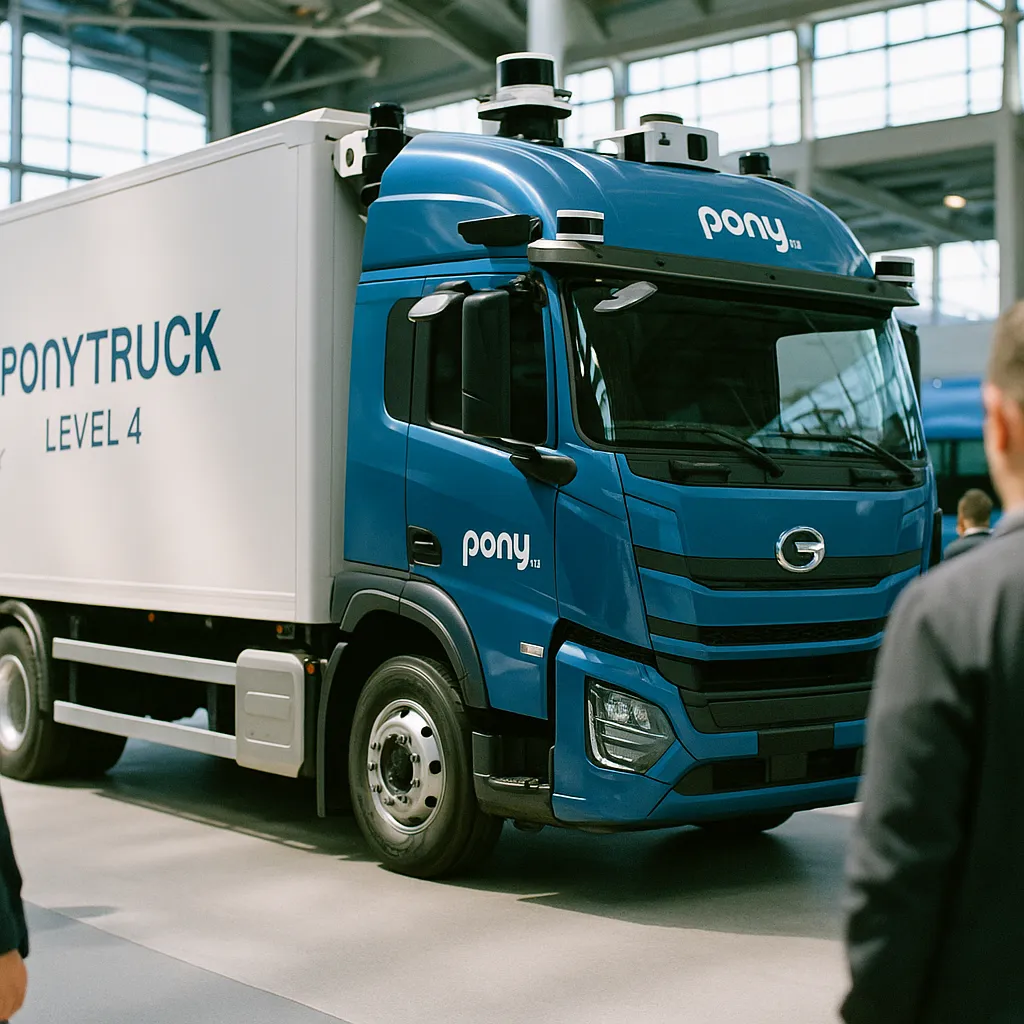
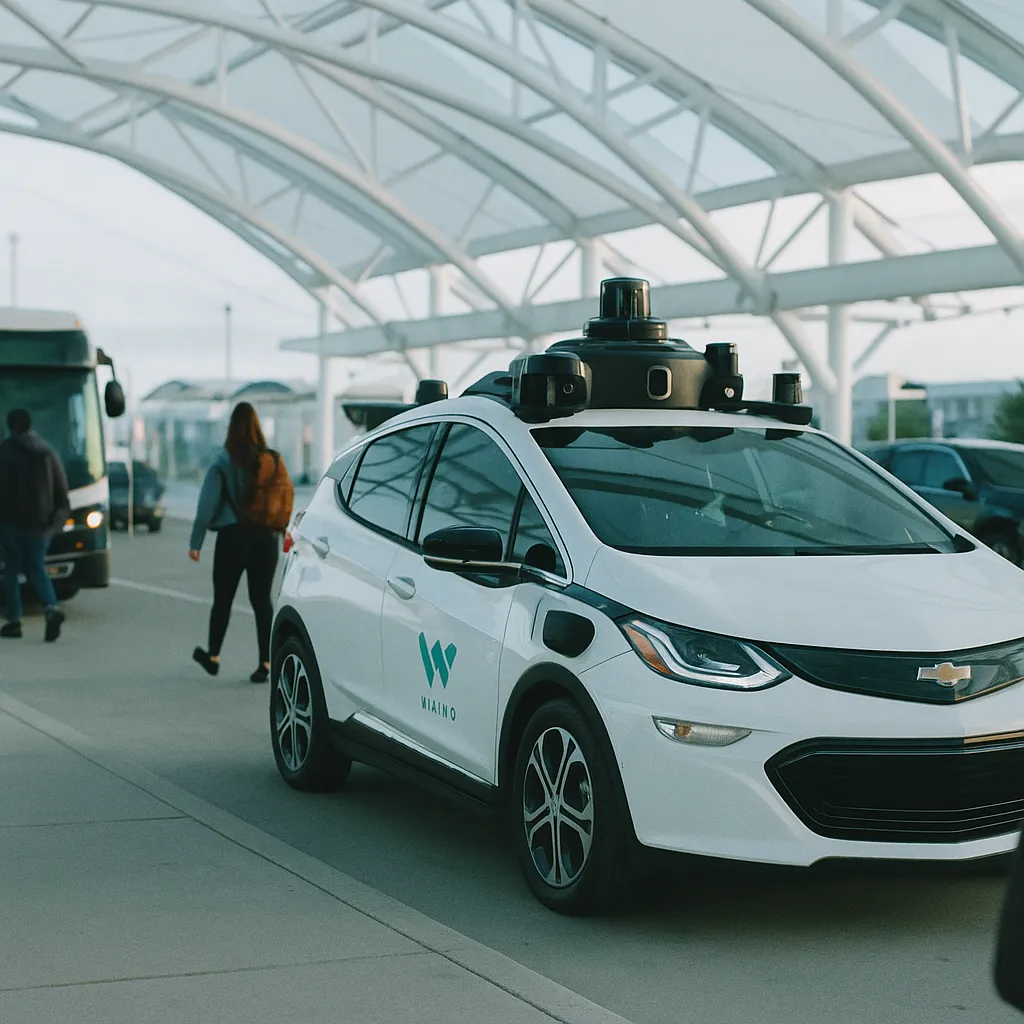
The autonomous freight industry has left the pilot phase. Aurora, Plus.ai, and Waabi are deploying driverless trucks at commercial scale across Sun Belt routes in 2026, marking the sector's first true mass-deployment phase.
Autonomous Trucking Enters Mass Deployment Phase as Aurora, Plus.ai, and Waabi Go Driver-Out
By Hector Herrera | April 27, 2026
The autonomous freight industry is leaving the pilot phase. Aurora Commercial Trucking expects more than 200 driverless trucks running commercial freight across Sun Belt highways by year-end, with plans to expand past 1,000 units in 2027. Alongside similar timelines from Plus.ai and Waabi, this marks autonomous trucking's first true mass-deployment phase — and the beginning of a transition that cannot be quietly rolled back.
The stakes are measurable. According to Transport Topics, the autonomous trucking market currently sits at $575 million and is projected to reach $3.25 billion by 2035. Getting from here to there requires exactly what 2026 is delivering: commercial fleets operating real freight routes without a human in the cab.
From Pilot to Production
Autonomous trucking has been generating headlines since at least 2016. What separates 2026 from every prior announcement is convergence. HD mapping of key freight corridors has matured. On-board computing has reached price points that make commercial operation viable. And several Sun Belt states — Texas and Arizona especially — have cleared regulatory pathways for driverless commercial vehicles operating without a safety driver.
Aurora launched its first commercial driverless freight runs in 2025 and has since expanded its Virtual Driver system across Texas corridors. The company is purpose-built for this: unlike earlier autonomous trucking ventures that adapted passenger AI to freight, Aurora was designed for long-haul commercial freight from its founding. Its 200-unit target for 2026 and 1,000-unit target for 2027 are not aspirational — they are the company's public operational commitments.
Three Companies, Three Technical Bets
Plus.ai takes a different approach than Aurora's ground-up vehicle strategy. Its SuperDrive system is designed to retrofit existing Class 8 freight vehicles — lowering the capital barrier for fleet operators who already hold assets. Plus.ai has been running commercial freight with logistics partners and is backed by investors across the transportation supply chain.
Get this in your inbox.
Daily AI intelligence. Free. No spam.
Waabi, founded by AI researcher Raquel Urtasun, is built around a simulation-first philosophy: its autonomous system is trained primarily in synthetic environments before operating on real roads. Urtasun argues this produces faster, safer generalization than approaches dependent on accumulating real-world data at scale. Waabi is targeting commercial launch in the same Sun Belt corridors as Aurora on a parallel timeline.
The three companies are not yet competing for the same contracts — the market is not crowded at this stage. They represent different technical architectures converging on the same conclusion: long-haul autonomous freight is operationally viable in 2026.
What This Means for Shippers
For freight buyers, autonomous trucking has a direct economic argument. A driverless truck is not subject to federal Hours of Service rules, which cap human drivers at 11 driving hours within a 14-hour window. A truck running a Sun Belt long-haul route can operate continuously, cutting transit time meaningfully and providing schedule reliability that just-in-time supply chains value highly.
Near-term deployment is intentionally concentrated on the simplest, highest-volume corridors — long, straight routes with mature infrastructure mapping. These are not the only routes autonomous trucks will eventually cover, but they are where the technology is ready now, and they are also among the most profitable lanes in domestic freight.
The Labor Dimension
The trucking industry has framed autonomous vehicles as additive — filling an unfilled driver shortage that reached tens of thousands of open positions in recent years. That framing holds some truth in the short term, particularly on routes where carriers have struggled to attract and retain drivers.
The longer-term arithmetic is harder to avoid. A fleet that scales from 200 units to 1,000 to 10,000 across the industry's most profitable corridors eventually reshapes the economics of long-haul trucking employment. The Teamsters have been unambiguous in their opposition and are lobbying for federal rules requiring a human driver in every commercial cab.
Regulatory clarity remains incomplete. NHTSA has not finalized autonomous commercial vehicle standards. The current administration has signaled a lighter-touch approach to autonomous vehicle regulation, which removes one potential ceiling on deployment pace.
What to Watch
Aurora's year-end target — 200 driverless trucks operating commercial freight — is the number that matters. If Aurora hits it without a significant safety incident, it creates durable momentum across the industry: for insurers writing commercial policies, for regulators evaluating federal standards, and for carriers and shippers currently watching from the sidelines.
The question for 2027 is not whether autonomous trucking deploys at scale, but how quickly the insurance, regulatory, and infrastructure pieces converge around fleets that are no longer running pilots.
Did this help you understand AI better?
Your feedback helps us write more useful content.
Get tomorrow's AI briefing
Join readers who start their day with NexChron. Free, daily, no spam.