AV startups raised $21.4 billion in Q1 2026—up 262% from all of 2025—led by Waymo's record $16 billion Series D at a $126 billion valuation, signaling renewed investor confidence in autonomous deployment.
Autonomous Vehicle Startup Funding Triples to Record $21.4 Billion in Q1 2026
By Hector Herrera | April 22, 2026 | Transport
Autonomous vehicle startups raised $21.4 billion in Q1 2026—up 262% from all of 2025—with Waymo's $16 billion Series D at a $126 billion valuation anchoring a capital surge that is accelerating deployment timelines across robotaxi, autonomous trucking, and military aviation. After years of post-hype recalibration, the money is back, and the amounts are historic.
The Numbers
According to Crunchbase, AV startups raised $21.4 billion across 34 deals through mid-April 2026. That exceeds total AV funding for all of 2025 by 262%. The headline figures:
- $16 billion — Waymo Series D, valuing the company at $126 billion
- $2 billion — Shield AI, focused on AI-piloted military aircraft
- The remaining $3.4 billion spread across 32 additional deals
Waymo's round alone is one of the largest single venture raises in technology history, private or public market.
What Changed
The AV sector went through a painful reckoning from 2022 to 2024. Early optimism about rapid deployment timelines collided with the hard reality of edge cases—rare, unpredictable driving events that autonomous systems struggle with. Several high-profile companies shut down or dramatically scaled back. Investors pulled back. The sector went quiet.
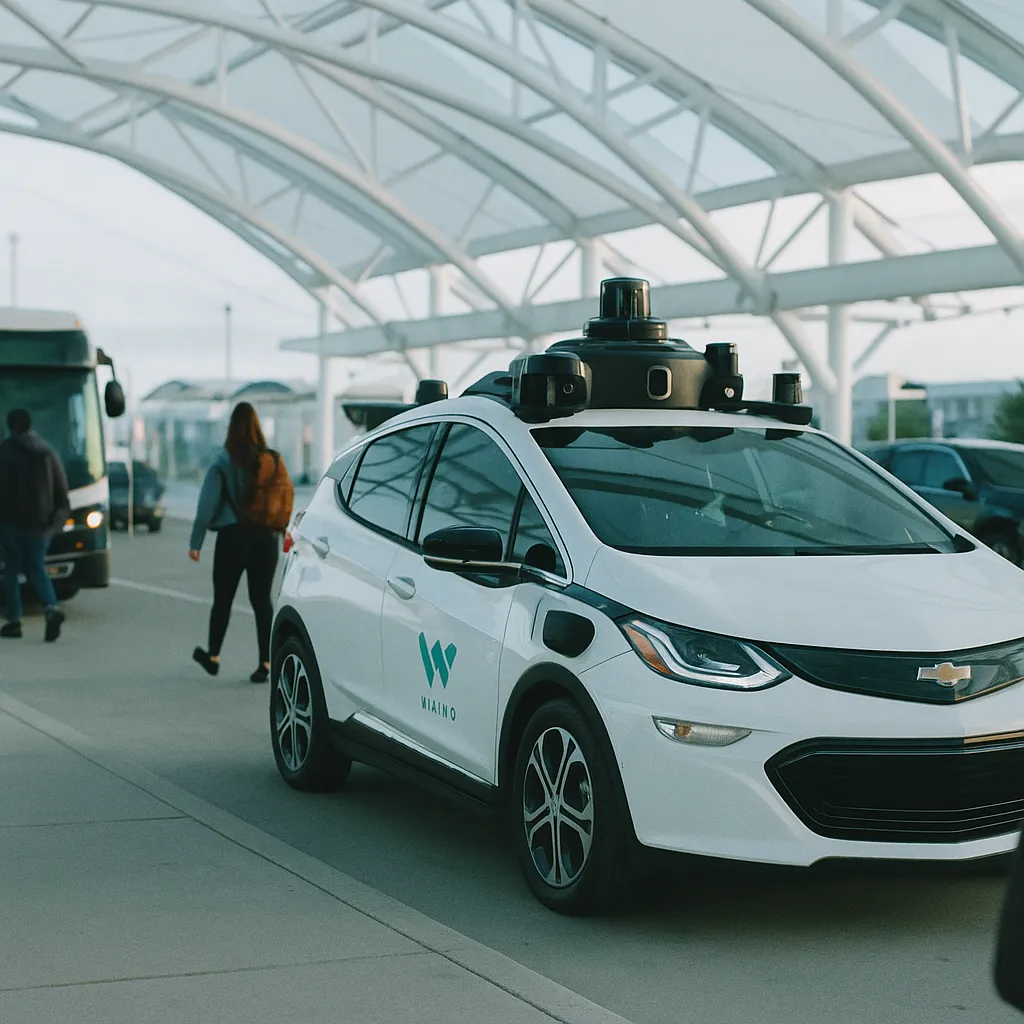
What changed is performance data. Waymo has been operating commercial robotaxi services in San Francisco, Phoenix, and Los Angeles. It has accumulated hundreds of millions of real-world miles. Incident rates have fallen. Rider uptake has grown. When you raise at a $126 billion valuation, you need evidence to support it—and Waymo now has it. The capital surge reflects investor confidence that meaningful commercial deployment is no longer theoretical.
Three Segments, Three Stories
The Q1 2026 funding covers three distinct markets with different timelines and risk profiles:
Get this in your inbox.
Daily AI intelligence. Free. No spam.
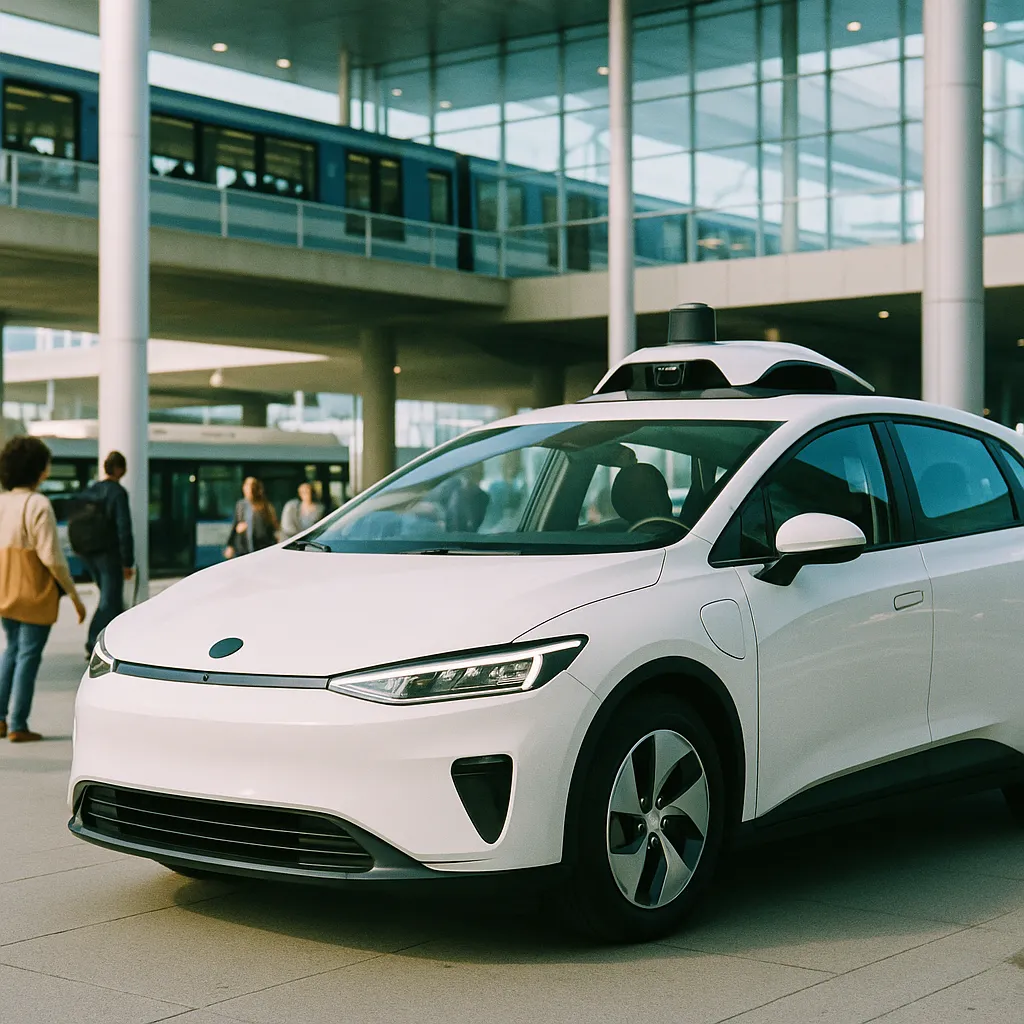
Robotaxi: Waymo is the dominant player, now capitalized to expand fleet size and geographic footprint aggressively. Competitors—Zoox, Motional, and others—remain in the game, but the capital gap between Waymo and the field is now enormous. A company with $16 billion in fresh capital can absorb delays and setbacks that would end smaller competitors.
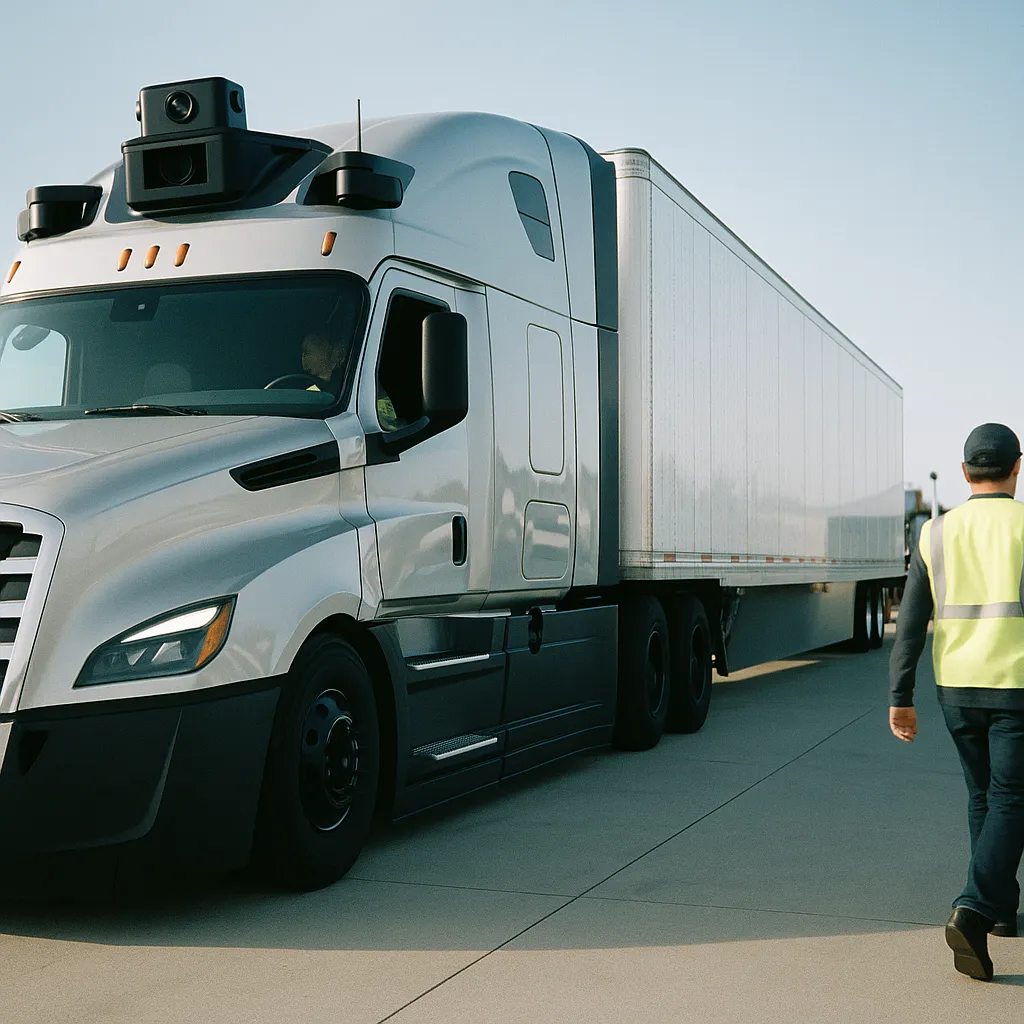
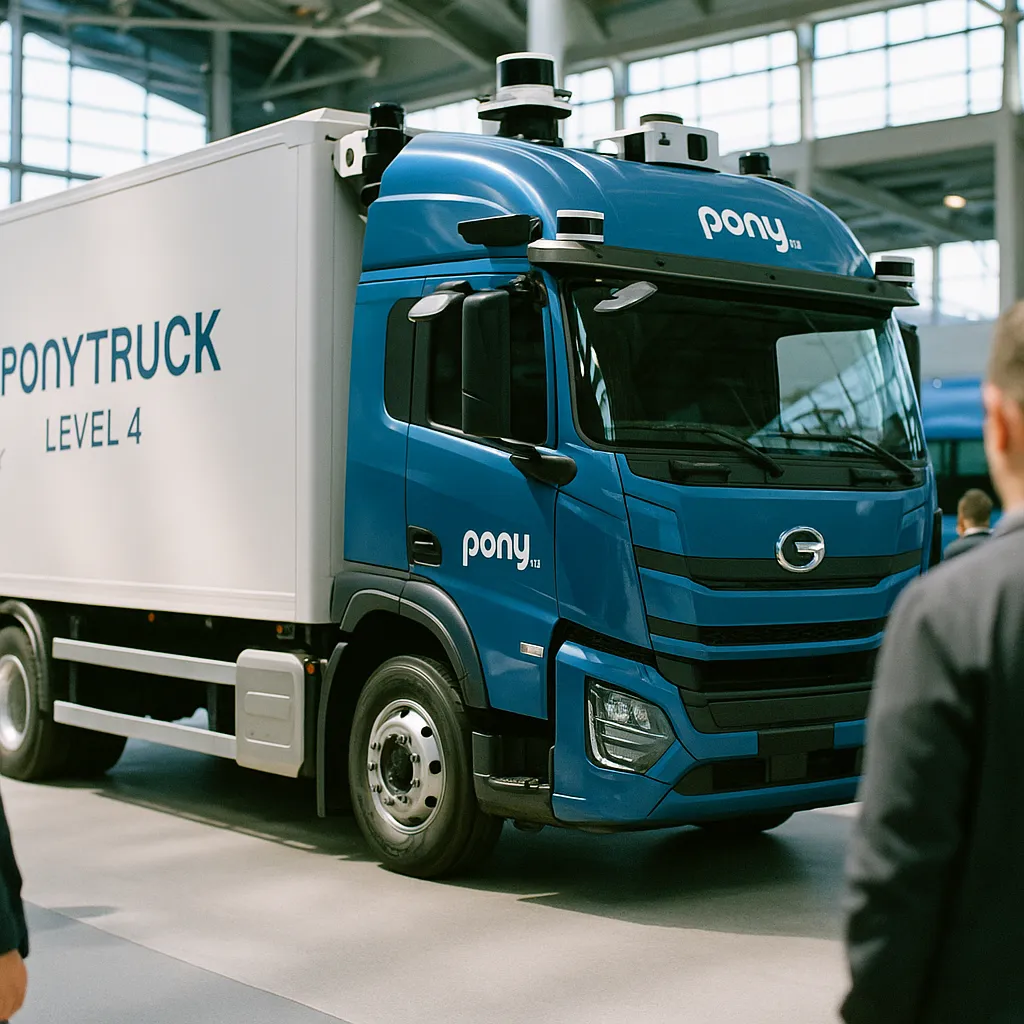
Autonomous trucking: Several companies are in active commercial deployments on US freight corridors. The business case has sharpened as driver shortages worsen and fuel economics remain volatile. Aurora, Kodiak, and others are converting this capital into commercial route expansions. Unlike robotaxis, which need to handle unpredictable urban environments, long-haul trucks on defined highway corridors present a more tractable autonomous driving problem.
Military aviation: Shield AI's $2 billion round is categorically different. The company builds AI-piloted aircraft designed for military missions in denied communications environments—situations where a human pilot can't maintain radio contact with the ground. That's a solved problem with a different technical approach than civilian AV.
Implications
For Waymo's competitors: Raising capital against a company with $16 billion in fresh funding and a $126 billion valuation requires differentiation, not head-to-head competition. Smaller robotaxi operators will need to find specific corridors, use cases, or customer segments where Waymo isn't focused—airport shuttles, specific metros, fleet-only B2B models.
For freight and logistics: The autonomous trucking capital arriving now accelerates the commercial timeline. Logistics companies planning 5-10 year capacity strategies should be modeling scenarios where AI-operated trucks are commercially available on major US corridors within 2-3 years.
For cities and regulators: Municipalities without AV regulatory frameworks need to move. The companies deploying this capital will seek operating permits in cities with clear, manageable regulatory environments. Cities that have frameworks will attract deployments; cities that don't will wait.
For truck drivers: The roughly 3.5 million professional truck drivers in the United States are the workforce most directly in the path of autonomous trucking deployment. The commercial timeline is not imminent—safety certification, regulatory approval, and route-specific testing all take time—but the capital arriving in Q1 2026 makes it more concrete than it was a year ago.
What to Watch
Waymo's expected IPO will be the defining event for the AV sector in the next 12-18 months. Whether its $126 billion private valuation holds in public markets will reveal whether institutional confidence in AV is durable or speculative. Also watch autonomous trucking commercial mile announcements—the conversion of Q1 capital into real freight revenue is the signal that the current funding wave is justified by actual deployment, not just promise.
Hector Herrera covers AI in transportation for NexChron.
Did this help you understand AI better?
Your feedback helps us write more useful content.
Get tomorrow's AI briefing
Join readers who start their day with NexChron. Free, daily, no spam.