ShipCargo is building an autonomous carrier for vehicle transport, combining AI-powered load matching and route optimization with its own truck fleet — entering an AV freight market that saw 81 new startup pitches in 2026 alone.
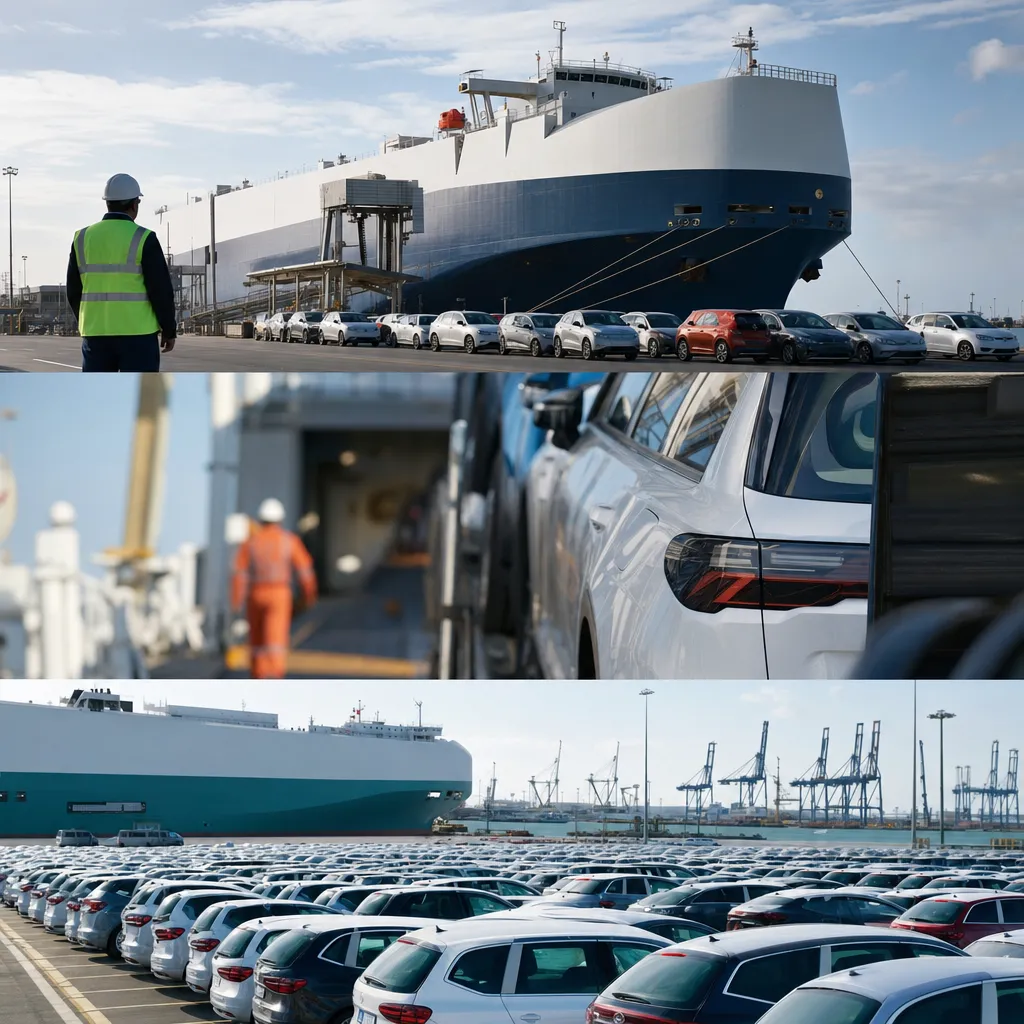
ShipCargo announced plans to build what it calls the first autonomous carrier purpose-built for vehicle transport — combining an AI-powered brokerage with its own asset-based trucking fleet to move cars between dealers, auctions, and ports. The move arrives as the autonomous vehicle freight sector sees its heaviest investment year on record: Trucks VC reports it has fielded pitches from 81 new AV startups in 2026, two-thirds more than the year before.
The Auto Transport Problem
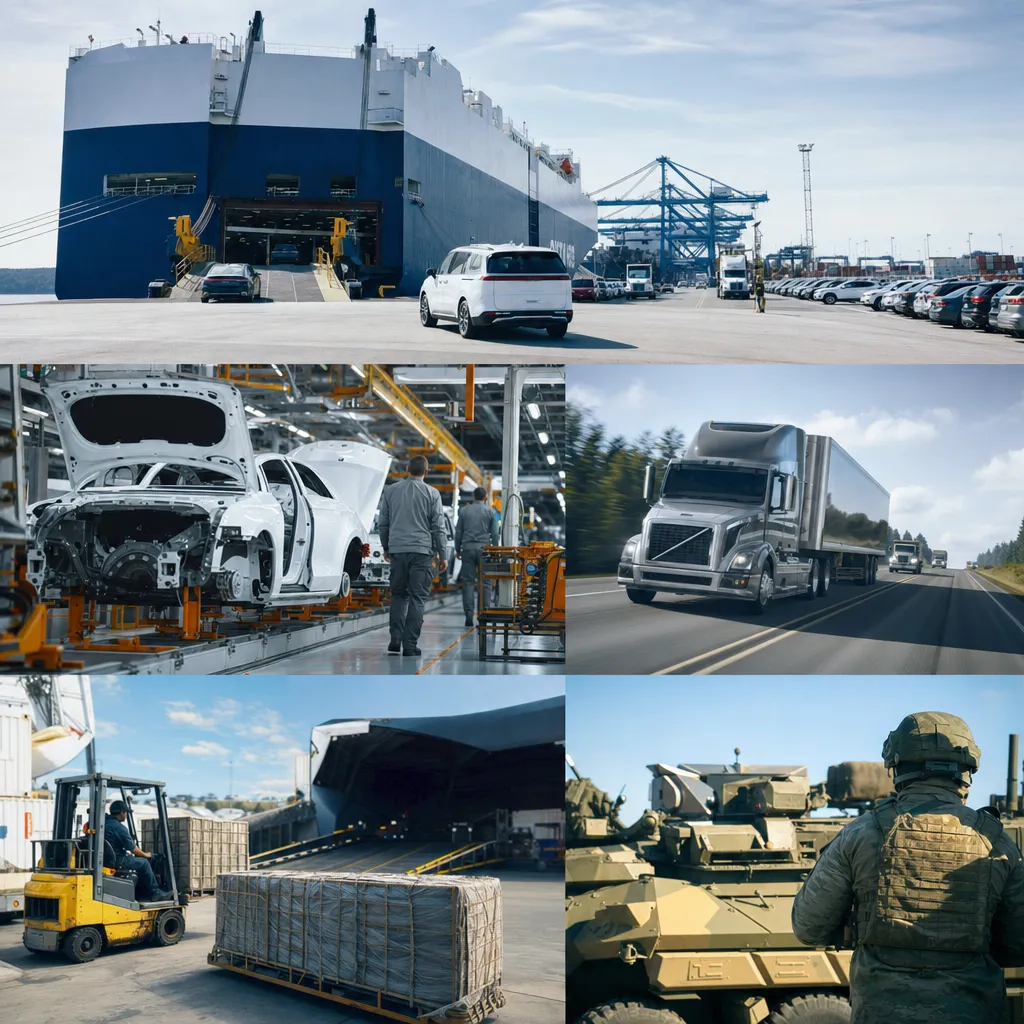
Vehicle transport is a niche but high-volume logistics problem. Every new car sold in the United States travels an average of 1,000 miles by truck or rail before reaching a dealership. Auto transport is also notoriously inefficient: loads are often partial, return trips run empty, and pricing is opaque. Brokers who match shippers and carriers operate manually, with significant variability in pricing and reliability.
ShipCargo's approach is vertical integration: own the trucks, run the AI platform, and use real operations data to continuously improve matching, routing, and pricing. That loop — data from operations feeding back into the algorithm — is the competitive advantage the company is betting on. A pure software broker lacks it; a pure asset carrier lacks the network optimization.
Get this in your inbox.
Daily AI intelligence. Free. No spam.
What the Platform Does
ShipCargo's AI system handles:
- Load matching — connecting dealer-to-dealer and port-to-dealer shipments to available carrier capacity in real time
- Route optimization — minimizing empty return miles across its own fleet and partner carriers
- Dynamic pricing — adjusting quotes based on route demand, fuel costs, and driver availability
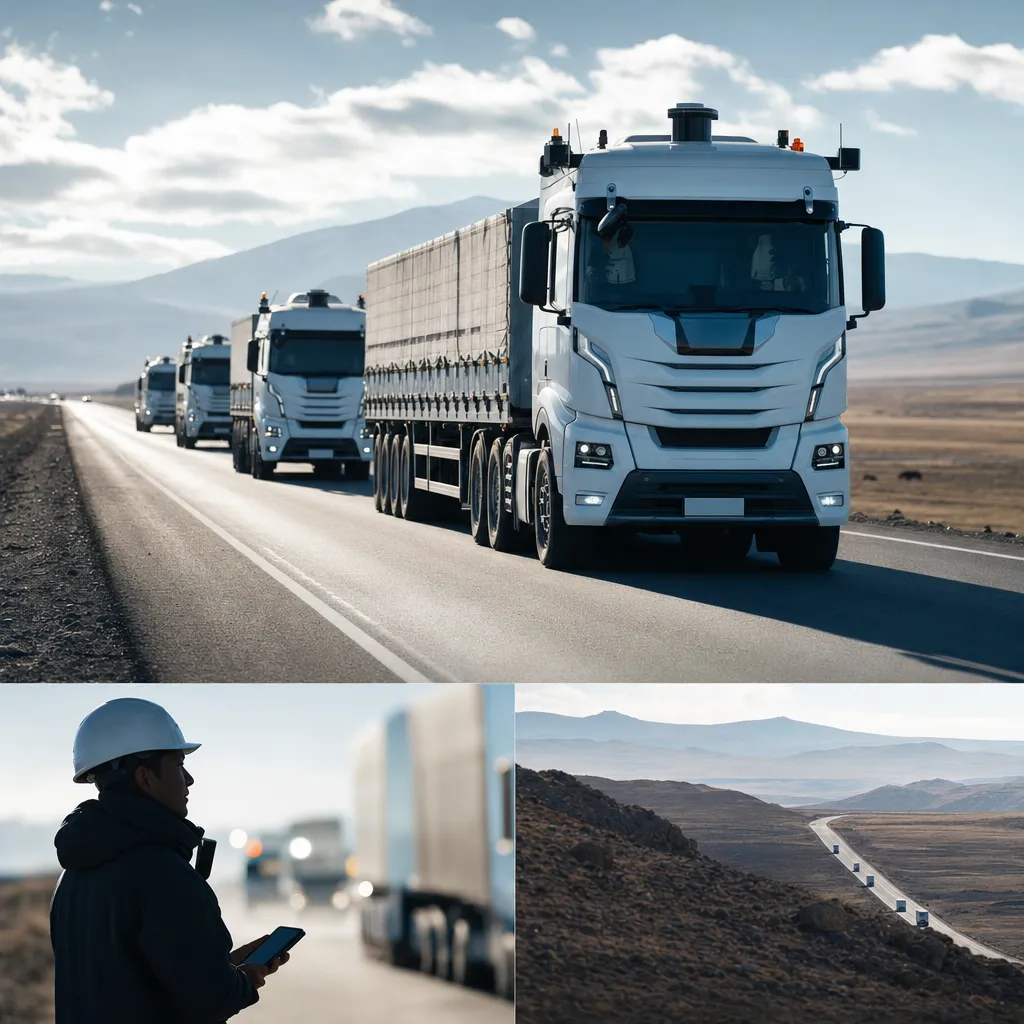
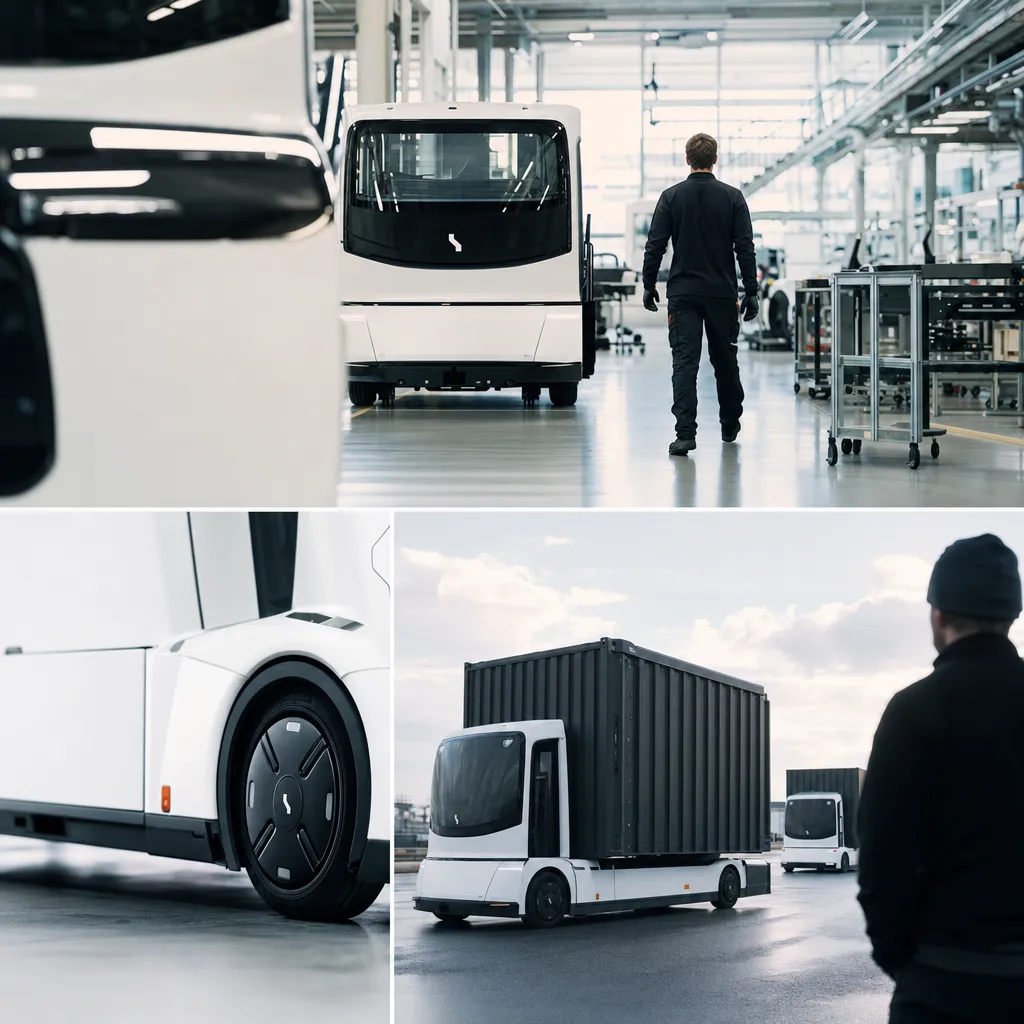
- Autonomous driving integration — the company's stated long-term goal is to integrate Level 4 autonomy into its owned fleet as the technology and regulatory environment matures
The autonomous driving integration is early-stage. Current autonomous trucking deployments — from companies like Kodiak, Gatik, and Waabi — focus on fixed lane-mile routes with high-volume repetitive loads. Vehicle transport involves more variability in pickup and drop-off locations, making full autonomy harder. ShipCargo is likely years away from deploying driverless trucks at scale.
Market Timing
The AV freight market is accelerating on multiple fronts. Waymo and Toyota announced a partnership for AV integration into the bZ4X earlier this year. Kodiak launched commercial driverless routes between Dallas and Laredo. Trucks VC's 81-startup figure signals that venture capital expects the sector to grow substantially.
Auto transport is a logical next vertical: routes are often point-to-point, loads are consistent in size, and the customer base — auto dealers and OEMs — is already accustomed to logistics technology. The market is estimated at approximately $12 billion annually in the US alone.
What to Watch
ShipCargo is a startup announcement, not a launch of proven commercial scale. The key milestones to track: first operational routes, carrier network size at six and twelve months, and whether it secures OEM partnerships — a direct relationship with Ford, GM, or Stellantis for factory-to-dealer transport would validate the model quickly. The AV integration timeline will depend on regulatory progress in its target corridors and whether it builds in-house or partners with an established AV platform.
Did this help you understand AI better?
Your feedback helps us write more useful content.
Get tomorrow's AI briefing
Join readers who start their day with NexChron. Free, daily, no spam.