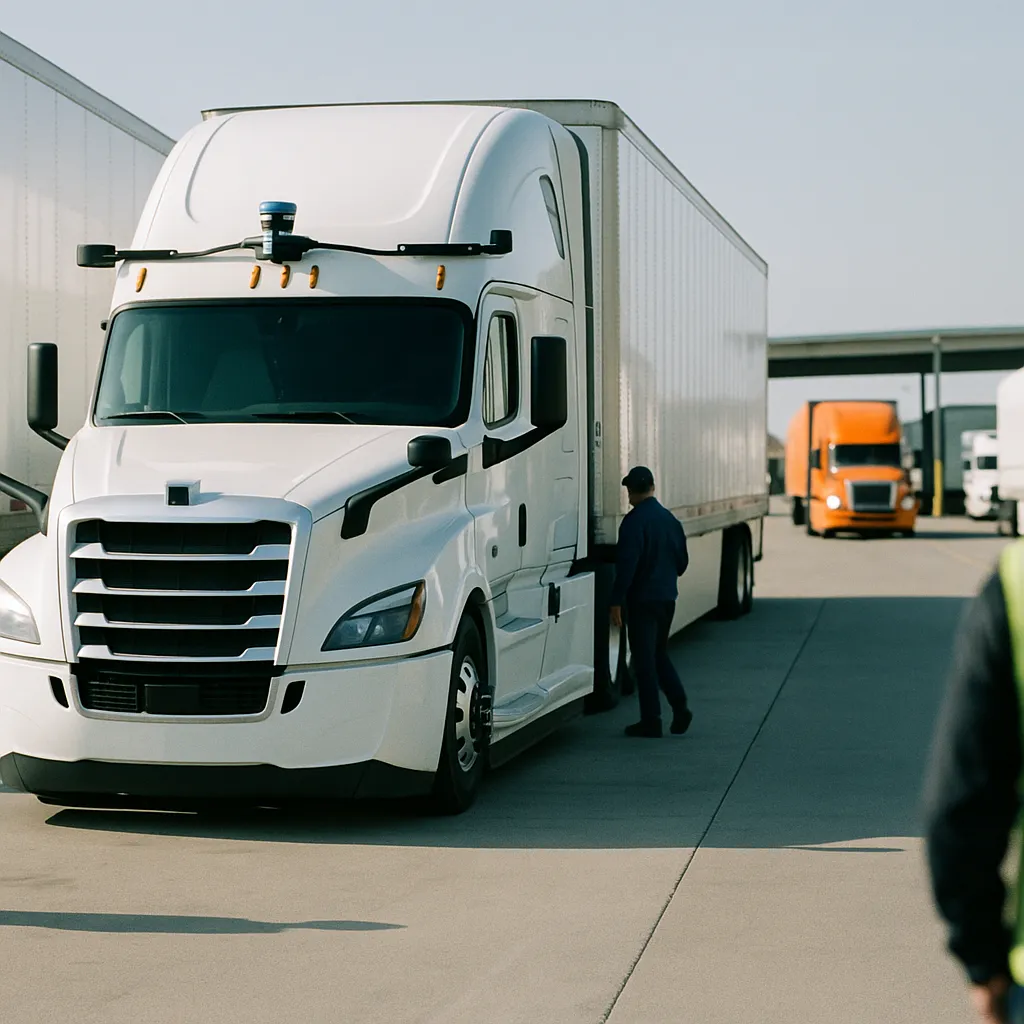
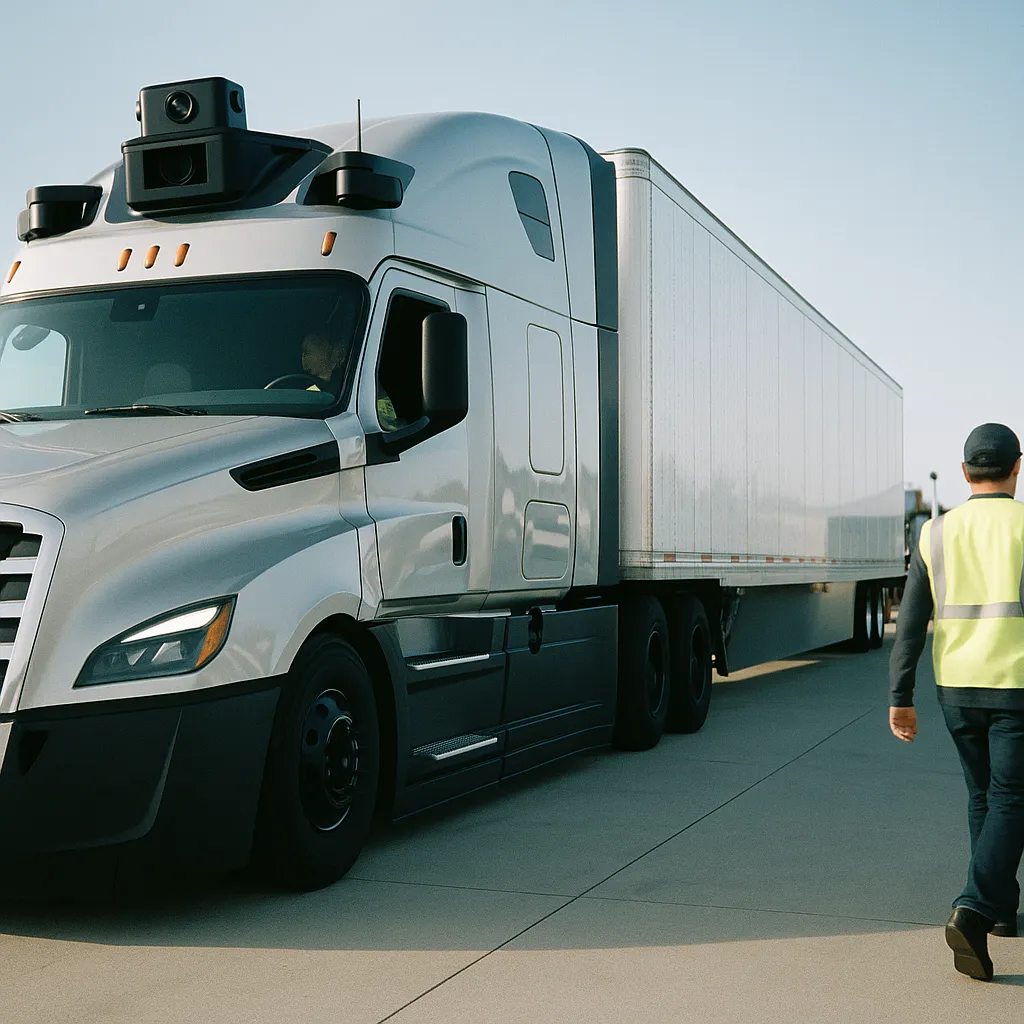
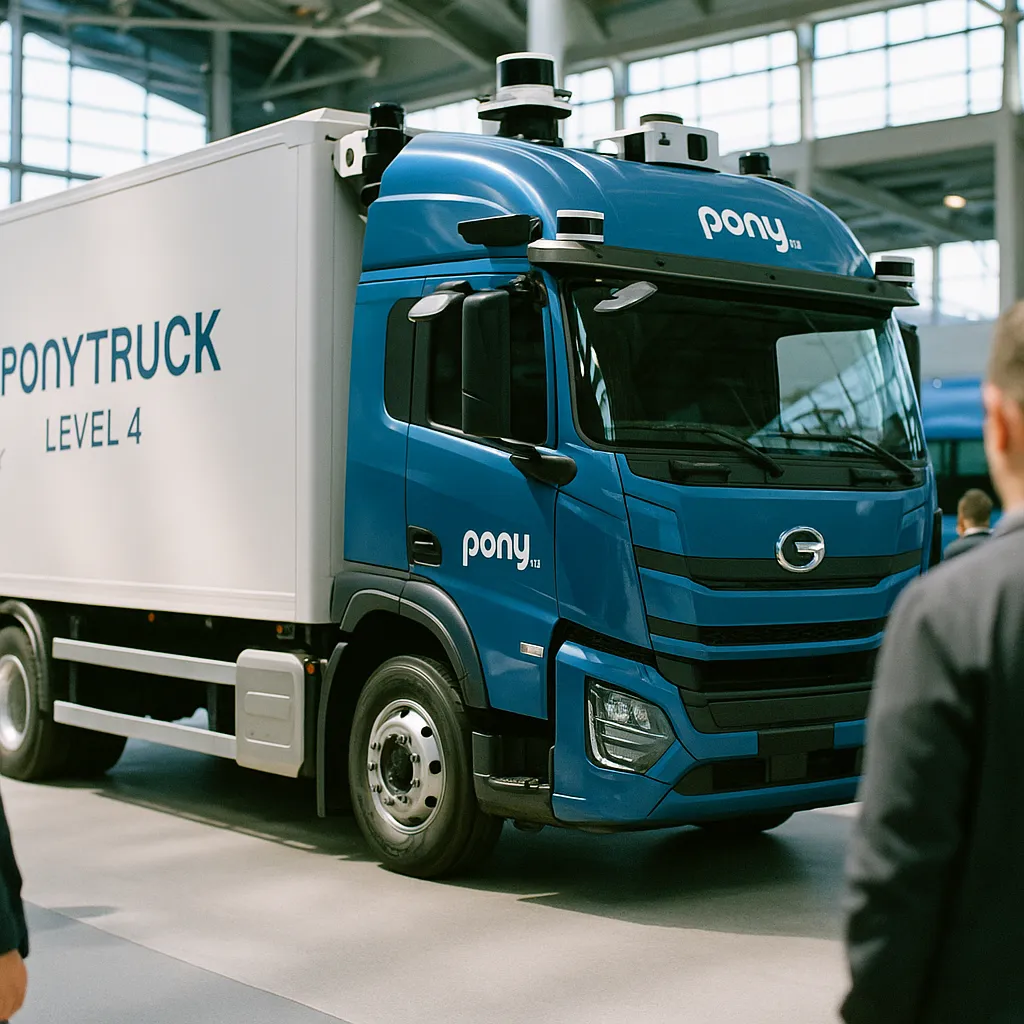
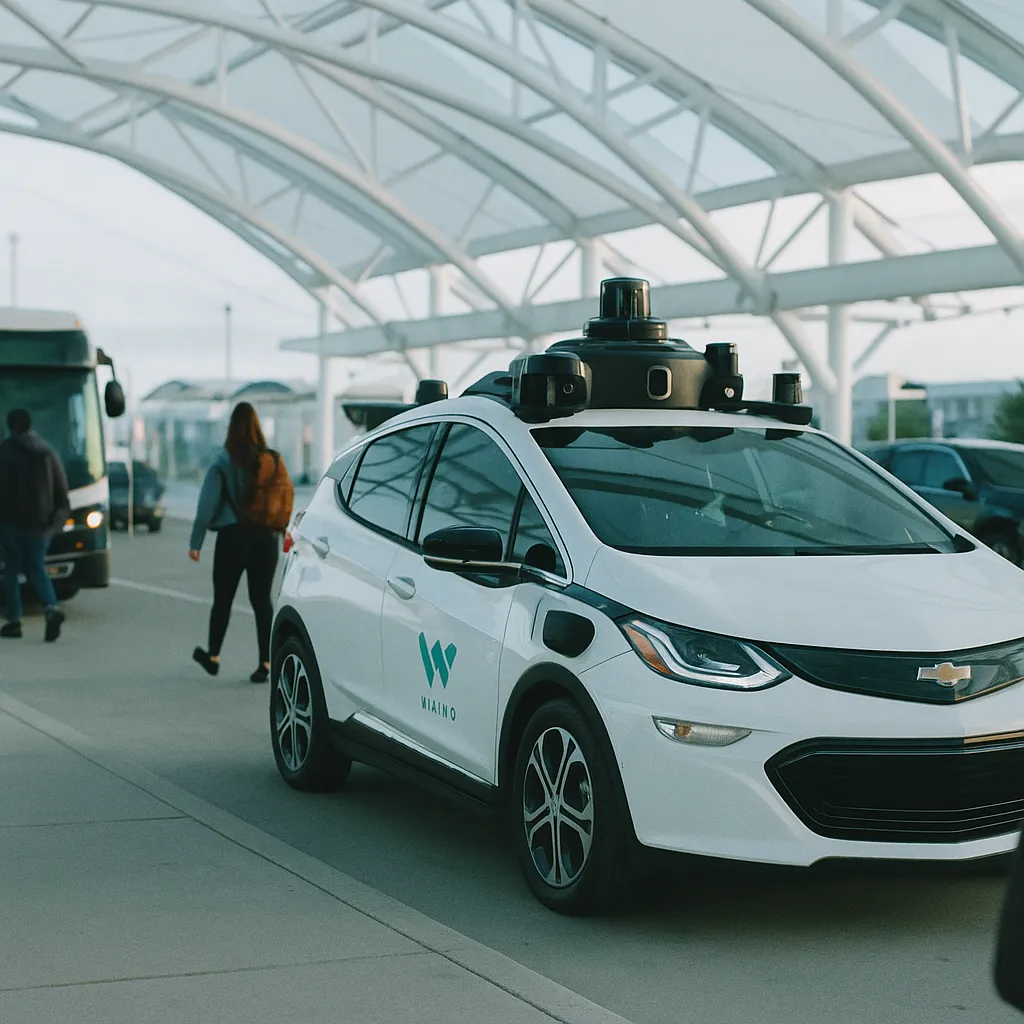
Goldman Sachs projects autonomous trucks will undercut the all-in cost of human-driven freight by 2028 — a crossover point that reshapes the economics of the entire trucking industry.
Goldman Sachs Says AV Trucks Will Undercut Human Drivers on Cost by 2028
By Hector Herrera | May 8, 2026 | Transport
Autonomous trucking has crossed the threshold where technology capability is no longer the binding constraint — economics is. An analysis published by Axios on May 6 lays out a Goldman Sachs projection that AV trucks will undercut the all-in cost of human-driven freight by 2028, as hardware prices continue declining and operational miles accumulate on commercial routes. The freight industry is not speculating about what autonomous trucks might eventually do. It is modeling what they will cost in two years.
The Cost Equation
The economics of autonomous trucking are straightforward in structure, even if the numbers have taken years to converge:
Human-driven freight costs break down as: driver wages, benefits, and compliance costs (~40% of operating cost) + vehicle + fuel + maintenance + overhead. The American Trucking Associations puts the average fully-loaded cost of a company truck driver at roughly $80,000–$100,000 per year in total compensation. A truck that operates 500+ miles per day needs at least two drivers for maximum utilization, or accepts lower utilization with one.
AV truck costs break down as: vehicle (higher upfront) + safety/teleoperations system + fuel + maintenance + licensing + remote oversight. The hardware premium for autonomous systems — sensors, compute, redundant systems — has fallen dramatically as volumes increased. Goldman's 2028 projection rests on the assumption that hardware cost per truck will drop another 30–40% from current levels as AV programs scale.
The crossover happens when hardware cost reduction plus operational efficiency gains exceed the driver cost savings foregone. Goldman is projecting 2028. Some operators say they're already there on specific lane types.
Get this in your inbox.
Daily AI intelligence. Free. No spam.
Who Is Actually Running Commercial Miles
The Axios analysis profiles companies that have moved past proof-of-concept to revenue-generating freight:
- Kodiak Robotics is running autonomous Class 8 trucks on Texas highway corridors, with safety drivers still aboard under current regulatory requirements but with the system operating autonomously for extended stretches.
- Torc Robotics (a Daimler Truck subsidiary) is testing on pre-commercial routes in New Mexico and Virginia, targeting 2027 for commercial deployment.
- Aurora went public via SPAC in 2021 and has been running the Aurora Driver system on Texas routes with carrier partners including Werner Enterprises and Schneider National.
- Waymo Via, the freight arm of Waymo, has been running driverless Class 8 trucks in Texas since 2024 under a limited commercial program.
What these programs share: they're running on defined highway lanes, not mixed urban/suburban routes. Long-haul highway freight — consistent speeds, predictable lane structures, limited interaction with cyclists and pedestrians — is the environment where AV technology performs most reliably. The "last mile" problem, getting freight from highway interchange to urban delivery point, remains harder and is typically handled by human drivers in hub-and-spoke models.
What 2028 Actually Means for Drivers
The Goldman projection refers to unit economics on a per-mile basis for commercial long-haul routes. It does not mean that autonomous trucks replace all truck drivers in 2028. The actual displacement dynamics are more complex:
- Fleet conversion takes years. Even if AV trucks become cost-competitive in 2028, replacing the existing U.S. commercial fleet of roughly 3.5 million trucks takes a decade or more at any realistic production rate.
- Regulatory approval is uneven. Texas and Arizona have permissive AV regulations. Many states do not. National driverless trucking at scale requires either federal regulation or state-by-state approval — neither is imminent.
- Labor contracts are a factor. Major carriers with unionized workforces have contractual constraints on how quickly they can redeploy or reduce driver headcount.
What 2028 means, practically, is that the economic case for new fleet investment shifts toward autonomous systems on eligible routes. Carriers facing driver shortages — which is most large carriers; the industry has been short roughly 80,000 drivers annually — will have a financially compelling alternative rather than a premium-cost experiment.
The labor displacement concern is real, but the timeline is compressed, not immediate. The 3.5 million truck driver jobs in the U.S. do not vanish in 2028. They begin a structural decline that plays out over years, concentrated first in long-haul highway driving.
What the Industry Is Not Saying Publicly
Several AV trucking companies have raised and spent significant capital on timelines that have slipped. Embark Truckers dissolved in 2023. TuSimple exited the U.S. market in 2023 amid governance controversy. The survivors are more cautious about public projections than early-stage companies were.
What is different now from the overheated AV period of 2018–2021 is that the companies still operating have real commercial miles and real shipper contracts — not just demonstration routes. Aurora's agreement with Uber Freight and its carrier partners is structured as a commercial service, not a pilot. That distinction matters for evaluating Goldman's 2028 projection: it's based on programs that are actually running freight, not simulations.
What to Watch
The first indicator of the 2028 inflection will be carrier capital expenditure decisions in 2026–2027 budget cycles. If large carriers announce AV truck procurement contracts at scale — not pilot purchases of 10–20 units — that's the signal that the cost math has flipped in practice, not just in Goldman models. Federal regulation on driverless commercial vehicles is the wildcard: the National Highway Traffic Safety Administration has been working on an AV regulatory framework for years without finalizing it. If federal rules clarify in 2026, deployment timelines compress further.
Did this help you understand AI better?
Your feedback helps us write more useful content.
Get tomorrow's AI briefing
Join readers who start their day with NexChron. Free, daily, no spam.