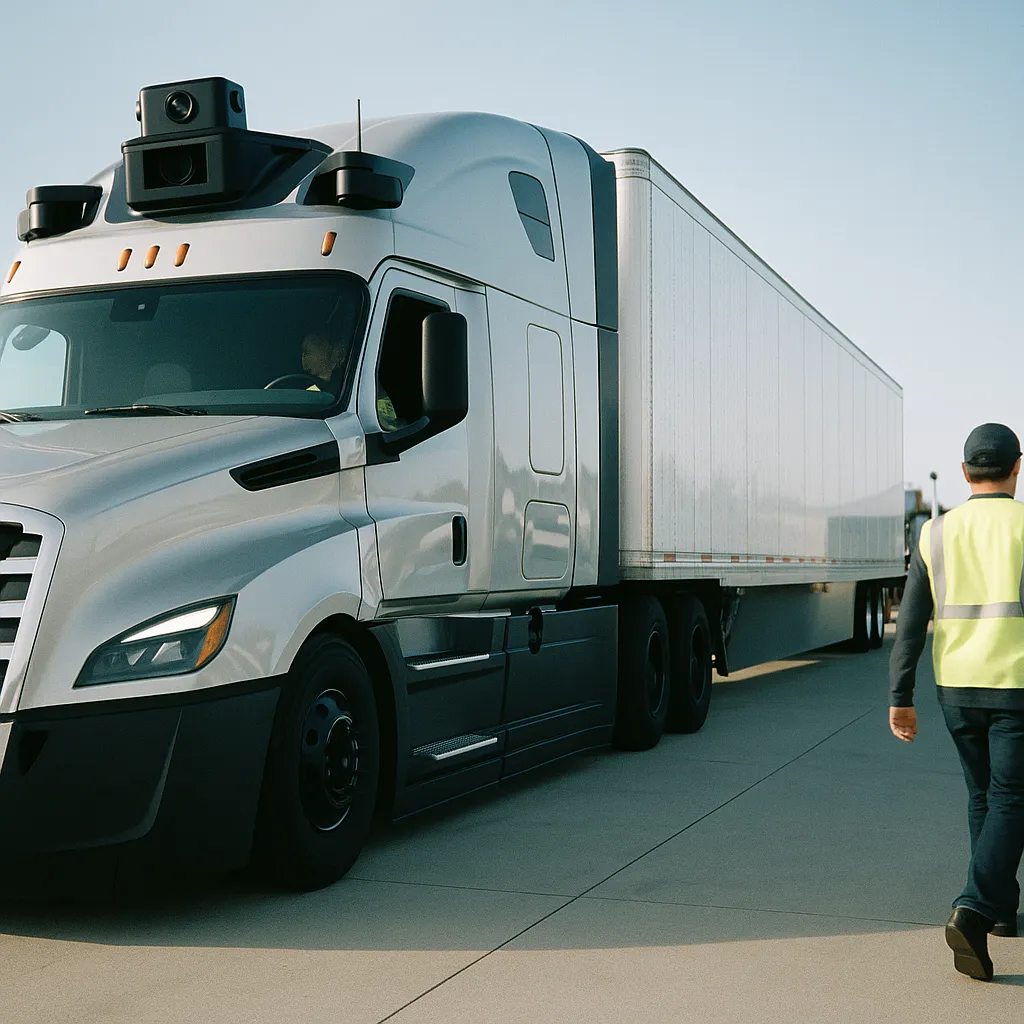
Kodiak AI has launched its first driverless freight operations outside the Sun Belt, running autonomous trucks on Interstate 70 in Ohio and Indiana — one of North America's busiest freight corridors.
Kodiak AI Expands Driverless Trucking Beyond the Sun Belt to Ohio and Indiana
By Hector Herrera | April 19, 2026 | Transport
Kodiak AI has launched its first autonomous trucking operations outside the Sun Belt, running driverless freight on Interstate 70 in Ohio and Indiana through a partnership with DriveOhio. The expansion tests autonomous trucking in more varied weather and regulatory conditions than the technology has operated in before — a signal that commercial driverless freight is moving past favorable-condition pilots.
What Happened
Kodiak AI has partnered with DriveOhio to deploy autonomous trucking operations on Interstate 70, which runs through Columbus, Ohio and Indianapolis, Indiana. This marks Kodiak's first operations outside the Sun Belt states — Texas, Arizona, Florida — where the autonomous trucking industry has concentrated its pilots due to relatively flat terrain, dry weather, and favorable regulatory environments.
DriveOhio is the state's autonomous vehicle coordination office, established to manage and enable autonomous vehicle testing and deployment across the state's transportation network.
Interstate 70 through Ohio and Indiana is one of North America's busiest freight corridors, connecting the Midwest manufacturing base to East Coast distribution networks. It is not a pilot route chosen for easy conditions — it is a commercially significant freight artery.
Context
The autonomous trucking industry has been scaling carefully. Early deployments focused on the Texas Triangle (Dallas-Houston-San Antonio) and similar Sun Belt corridors because the operating conditions — consistent weather, straight highways, and regulator-friendly environments — reduced the complexity of the technical problem. Proving the technology there was the necessary first step.
Get this in your inbox.
Daily AI intelligence. Free. No spam.
The challenge has always been what comes next: does autonomous trucking work in rain, snow, and the irregular traffic patterns of Midwest industrial corridors? Does it work in states with different regulatory frameworks? Those are the questions that determine whether the industry's addressable market is "the Sun Belt" or "North American freight."
Kodiak's I-70 expansion is an answer to those questions in progress. Ohio and Indiana experience full four-season weather including significant winter conditions. The regulatory environment is different from Texas. The traffic mix includes significant heavy commercial traffic. If Kodiak's systems perform reliably there, it materially expands the proven operating envelope for autonomous trucking.
Details
- Company: Kodiak AI (autonomous trucking)
- Partner: DriveOhio (Ohio's autonomous vehicle coordination office)
- Route: Interstate 70 — Ohio and Indiana
- Significance: First Kodiak operations outside Sun Belt states
- I-70 context: One of North America's busiest freight corridors
- Operating conditions: Four-season weather, varied terrain, different regulatory environment than Texas
The specific operational details — number of trucks, freight volumes, safety driver presence or absence, mile targets — have not been fully disclosed. Kodiak has operated in fully driverless commercial freight mode in Texas.
Impact
For the freight industry: Shippers and logistics operators who have been watching autonomous trucking from the sidelines will track the I-70 expansion closely. The Sun Belt pilots established baseline reliability data; the Ohio/Indiana expansion tests whether that reliability generalizes. Positive outcomes here accelerate adoption planning at freight companies operating Midwest corridors.
For truck drivers: The long-haul trucking workforce is watching these expansions carefully. The commercial case for autonomous trucking on high-volume interstate corridors is primarily economic: autonomous trucks can run 22 or more hours per day, don't require rest breaks, and don't face the driver shortage that has plagued the industry. The displacement impact on long-haul truck drivers — if the technology proves reliable — is real and significant.
For Ohio and Indiana: Both states have positioned themselves as autonomous vehicle-friendly through regulatory frameworks and public-private partnerships. The economic case: if autonomous freight infrastructure establishes operational hubs and maintenance facilities in Ohio and Indiana, it creates durable local economic activity even as the technology reduces driver employment. That is a complex economic trade-off that state officials are managing.
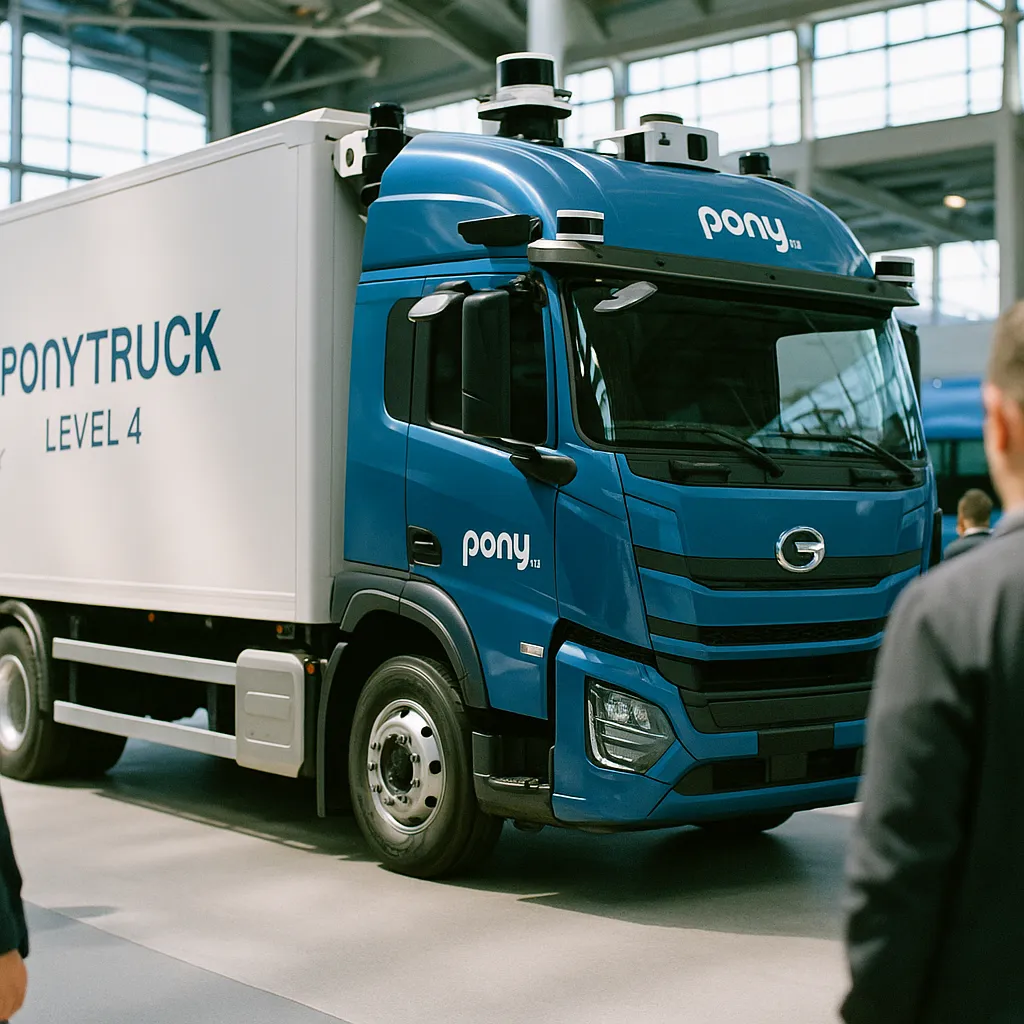
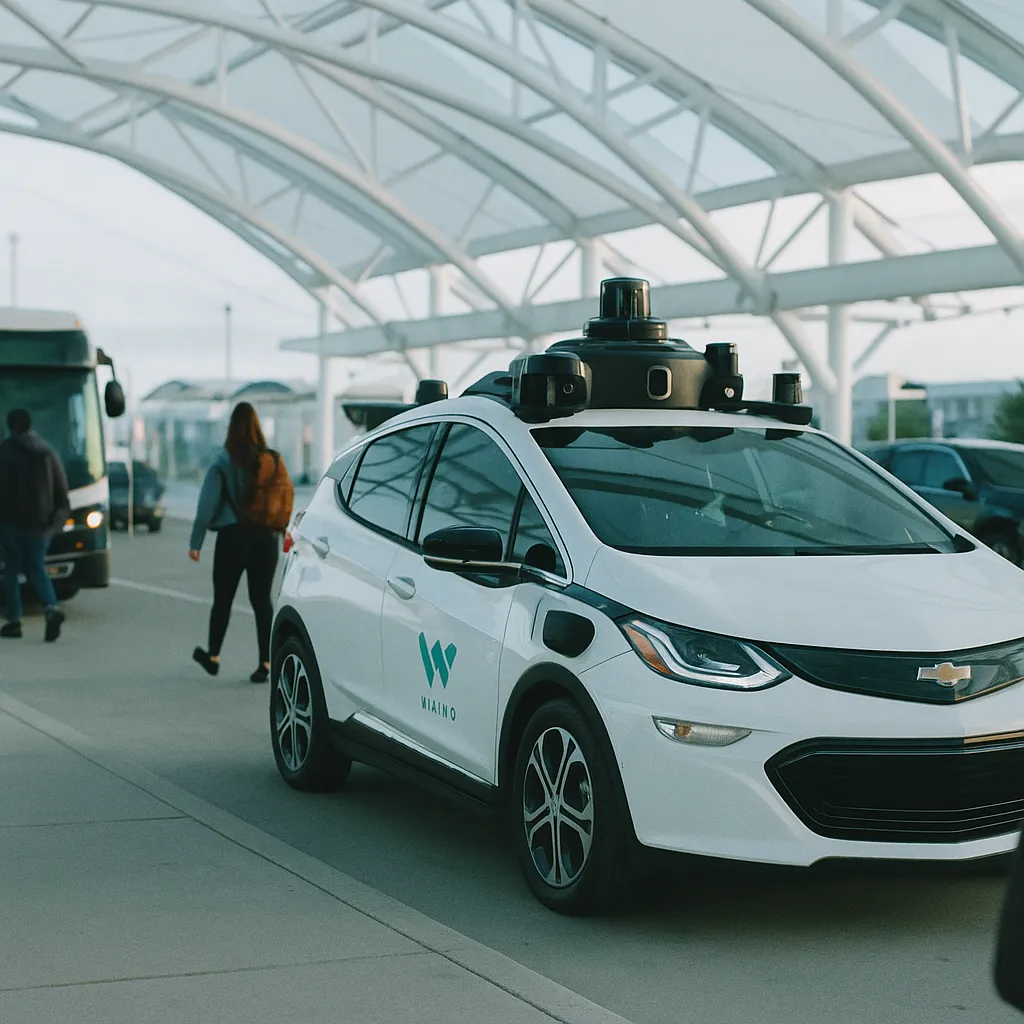
For Kodiak's competitors: Waymo Via (Alphabet's trucking unit), Aurora, and Torc Robotics are all operating in the same space. Kodiak's geographic expansion puts competitive pressure on all of them to demonstrate similar capability outside their own pilot corridors.
What to Watch
Weather performance is the critical technical test for the I-70 expansion. Watch for Kodiak's reporting on performance data through Ohio's winter conditions — if the systems maintain reliability in snow, ice, and reduced-visibility conditions, it significantly expands the addressable market for autonomous trucking. The other variable to watch is regulatory: whether Ohio formalizes a commercial autonomous trucking framework that Kodiak's I-70 operations help establish.
Hector Herrera covers transport and AI for NexChron.
Did this help you understand AI better?
Your feedback helps us write more useful content.
Get tomorrow's AI briefing
Join readers who start their day with NexChron. Free, daily, no spam.