AI Data Centers Are Driving an Unexpected Wave of U.S. Grid Innovation
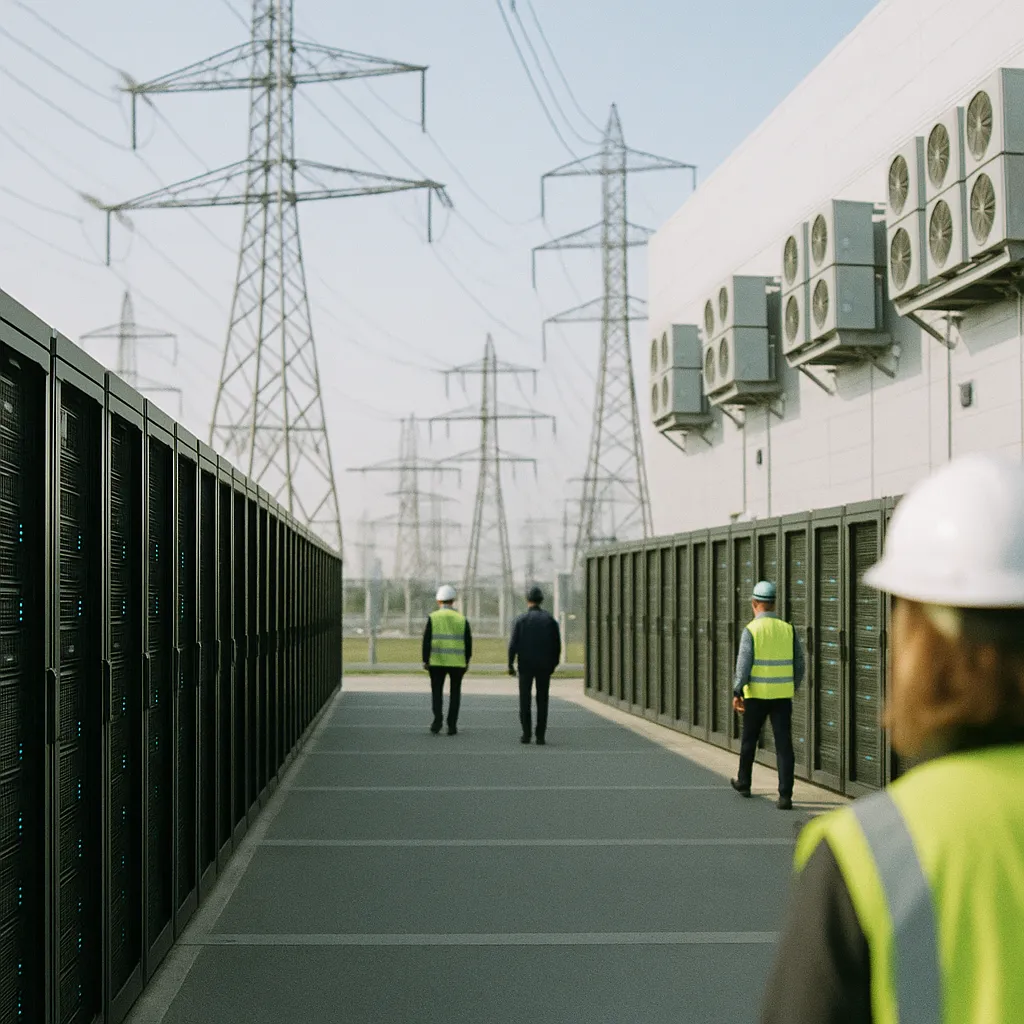
AI data centers are straining the U.S. power grid — but the same demand surge is funding and accelerating a wave of grid modernization that was stalled for years.
Top Stories
All Sections
Finance
About
12 results for "interconnection"
AI data centers are straining the U.S. power grid — but the same demand surge is funding and accelerating a wave of grid modernization that was stalled for years.
Amazon Web Services' energy lead argues AI can model thousands of grid scenarios simultaneously, cutting interconnection reviews from years to months as electricity demand surges.
Goldman Sachs now considers energy infrastructure delays the most likely near-term constraint on AI growth, while PG&E argues AI grid-planning tools are already helping clear a 2,700 GW interconnection backlog.
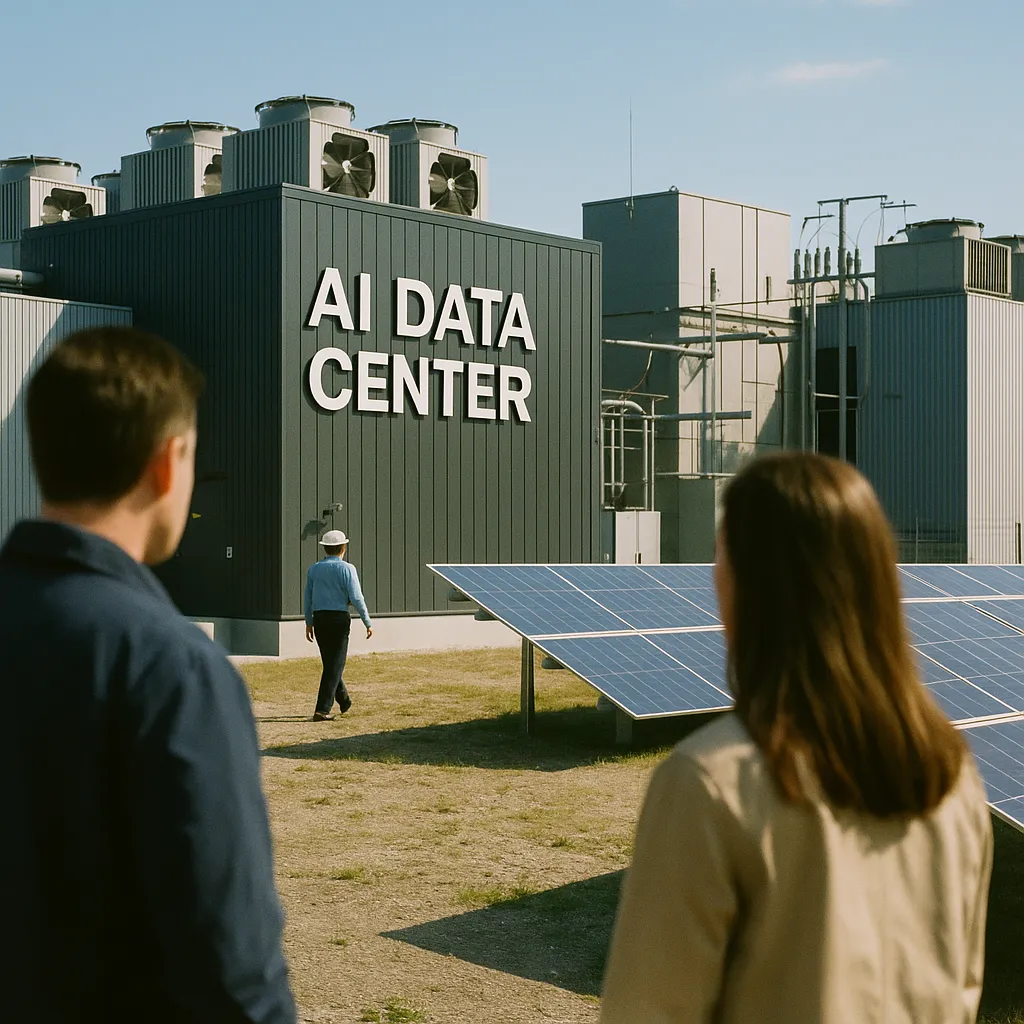
A new colocation model is placing AI data centers directly at renewable energy generation sites, bypassing multi-year grid interconnection queues and concentrating AI compute near power sources rather than population centers.
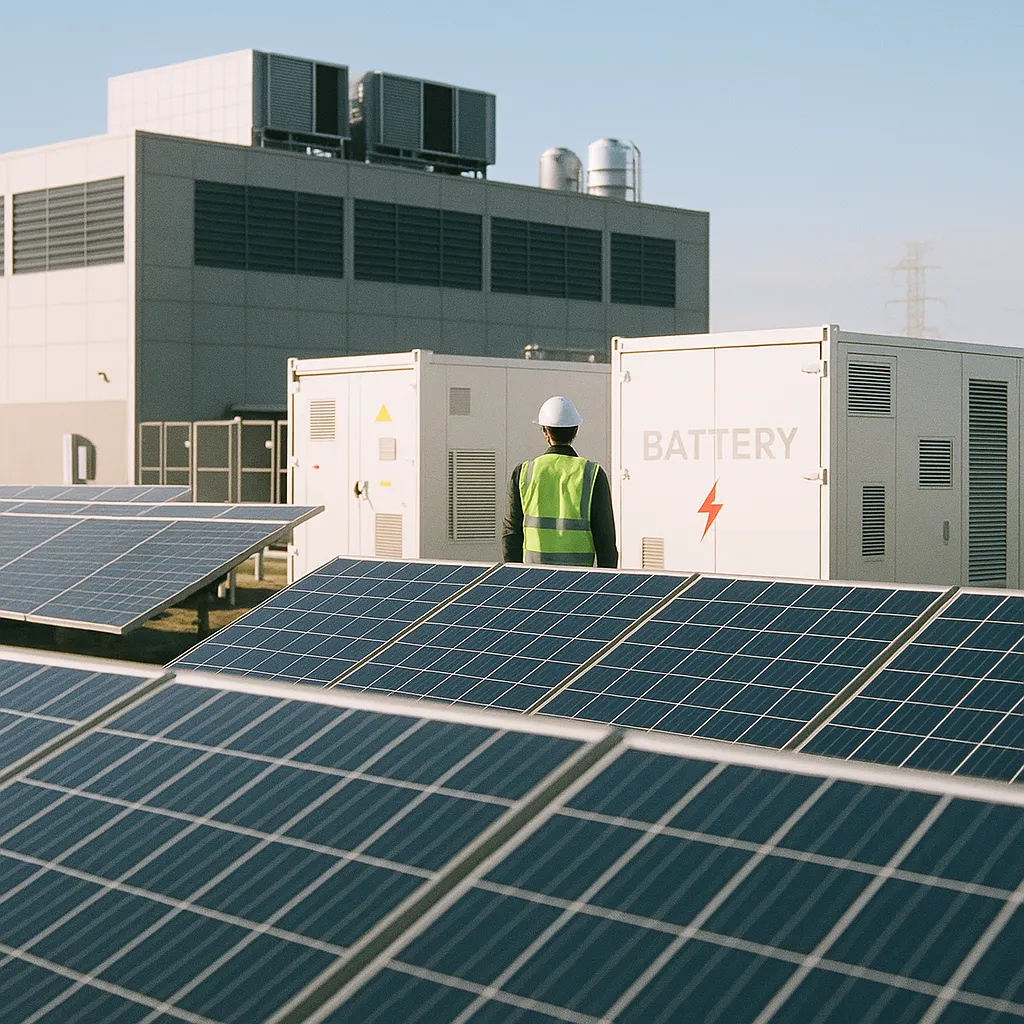
BloombergNEF data shows co-located solar-plus-storage investment hit a record $25 billion in H1 2026 — nearly double H2 2025 — as AI data centers race to secure reliable clean power without waiting years for grid interconnection.
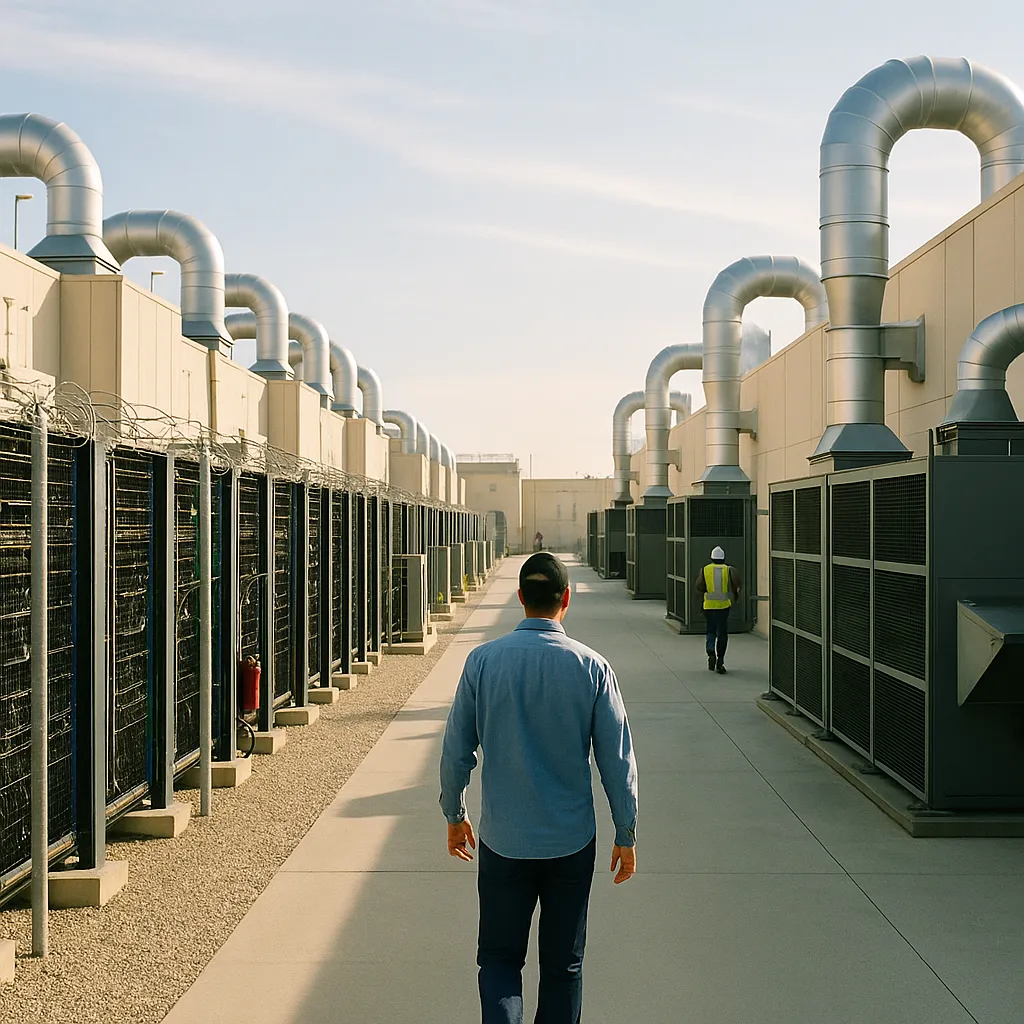
AI data centers are demanding power faster than the grid's seven-to-ten-year interconnection timeline can handle, forcing utilities and the DOE to promote battery-bridge connections and speed-first grid frameworks.
The CEO of PJM Interconnection — which manages electricity for 65 million people across 13 states — says the U.S. grid needs a fundamental structural redesign, not upgrades, to absorb AI-driven data center demand.
Europe's electricity grid faces a structural inability to meet AI data center demand, with interconnection queues stretching 3–5 years and aging cross-border infrastructure threatening both AI competitiveness and 2030 climate targets.
AI data centers are projected to consume 1,050 TWh globally by end of 2026—potentially ranking as the world's fifth-largest national energy user—while U.S. grid interconnection queues stretch three to five years.
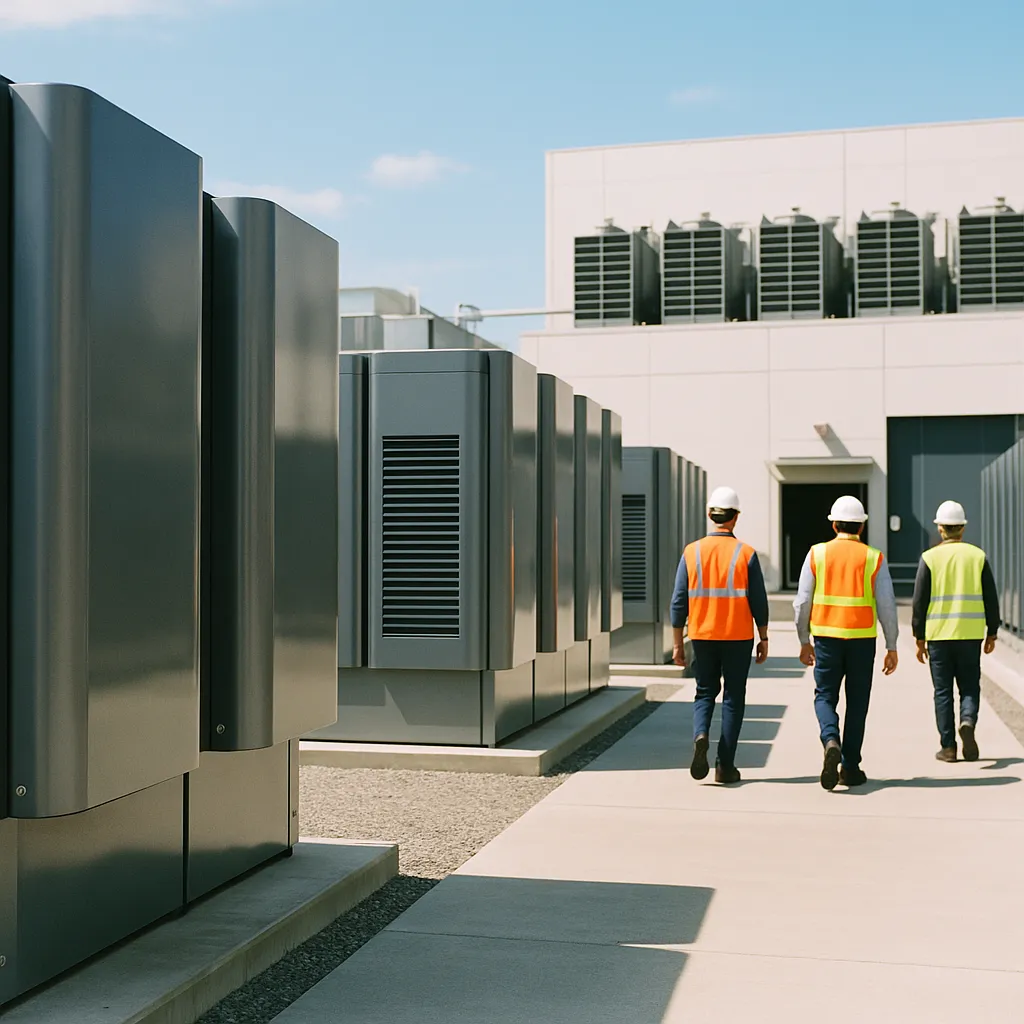
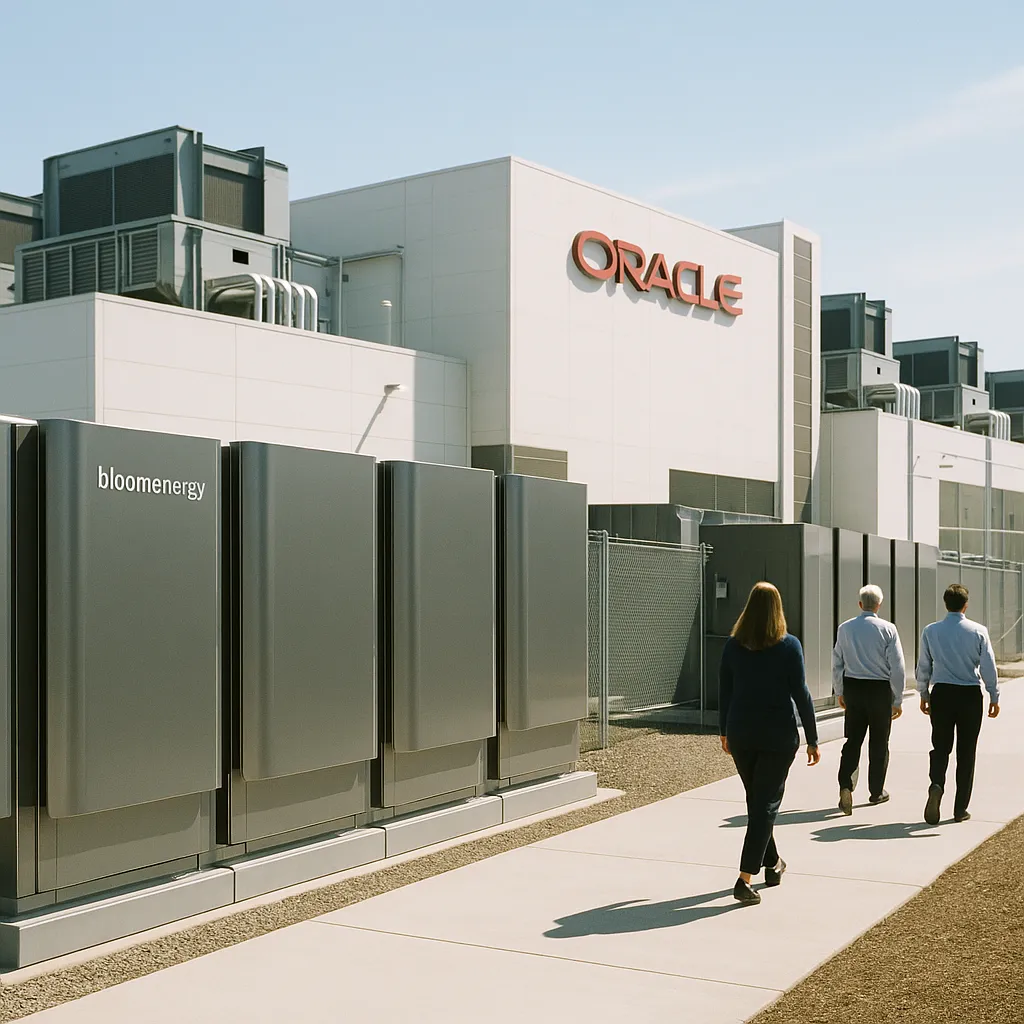
Oracle contracted 2.8 gigawatts from Bloom Energy's fuel cells because the grid interconnection queue is too slow—a structural shift that is turning hyperscalers into their own utilities.
Oracle has contracted up to 2.8 gigawatts of power from Bloom Energy's stationary fuel cells for AI data centers — bypassing utility interconnection queues that average four years and establishing off-grid power as a mainstream AI infrastructure strategy.
Bloom Energy and Oracle are deploying solid oxide fuel cells to power AI data centers without grid interconnection — a pivot driven by U.S. grid queues now measured in years.