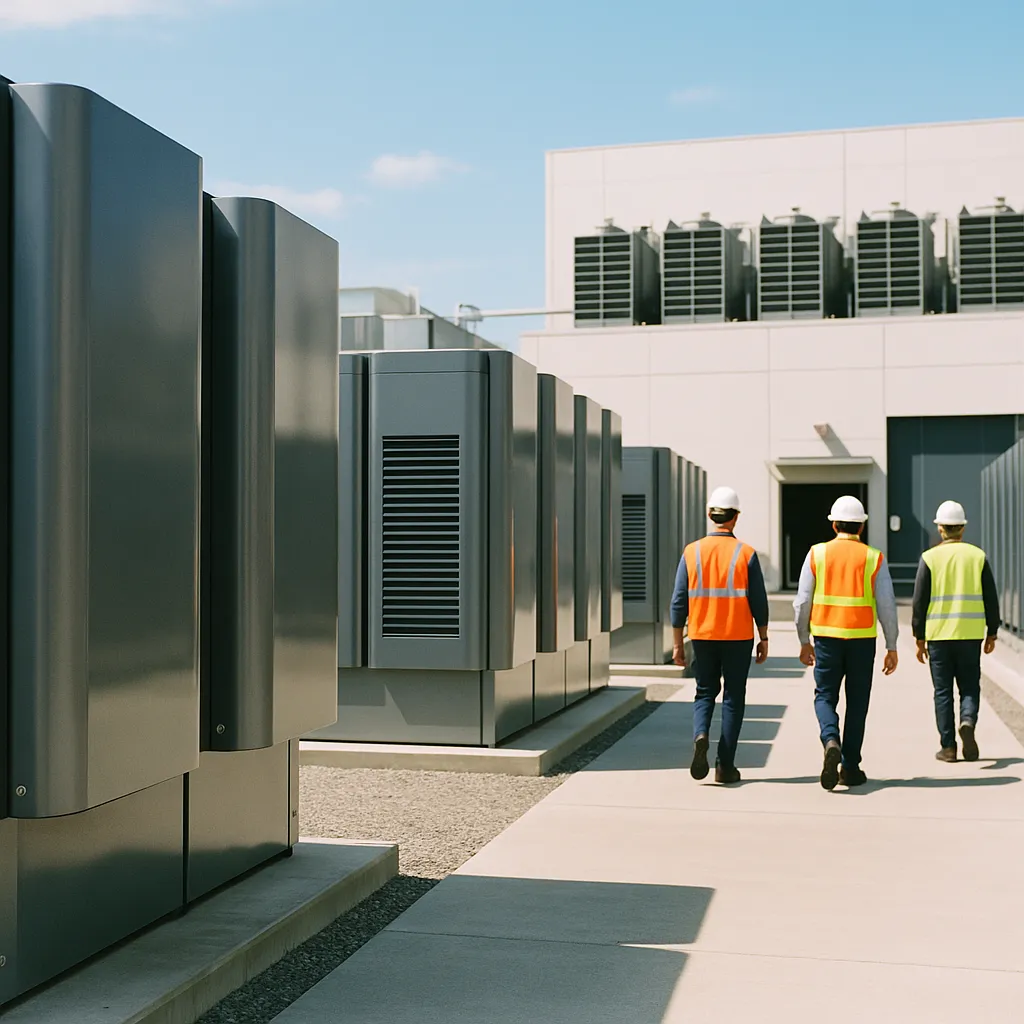
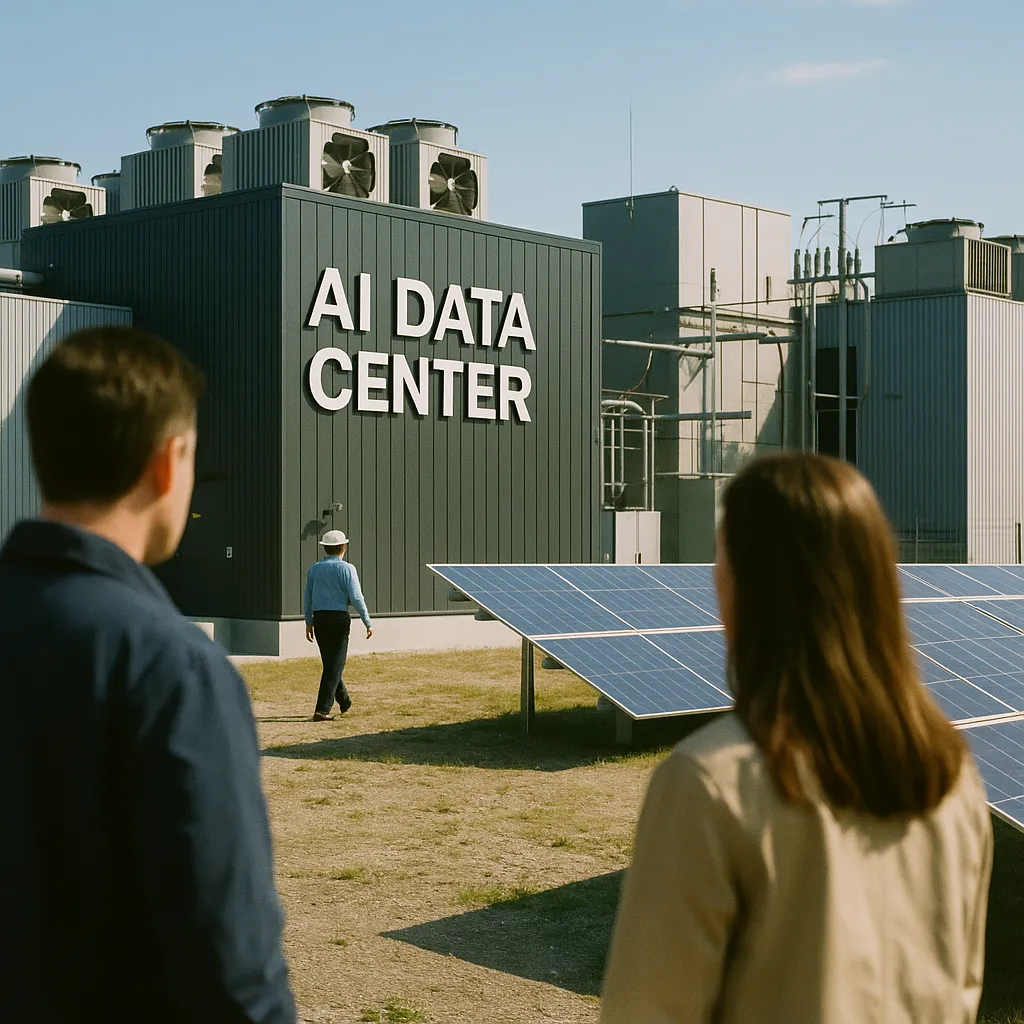
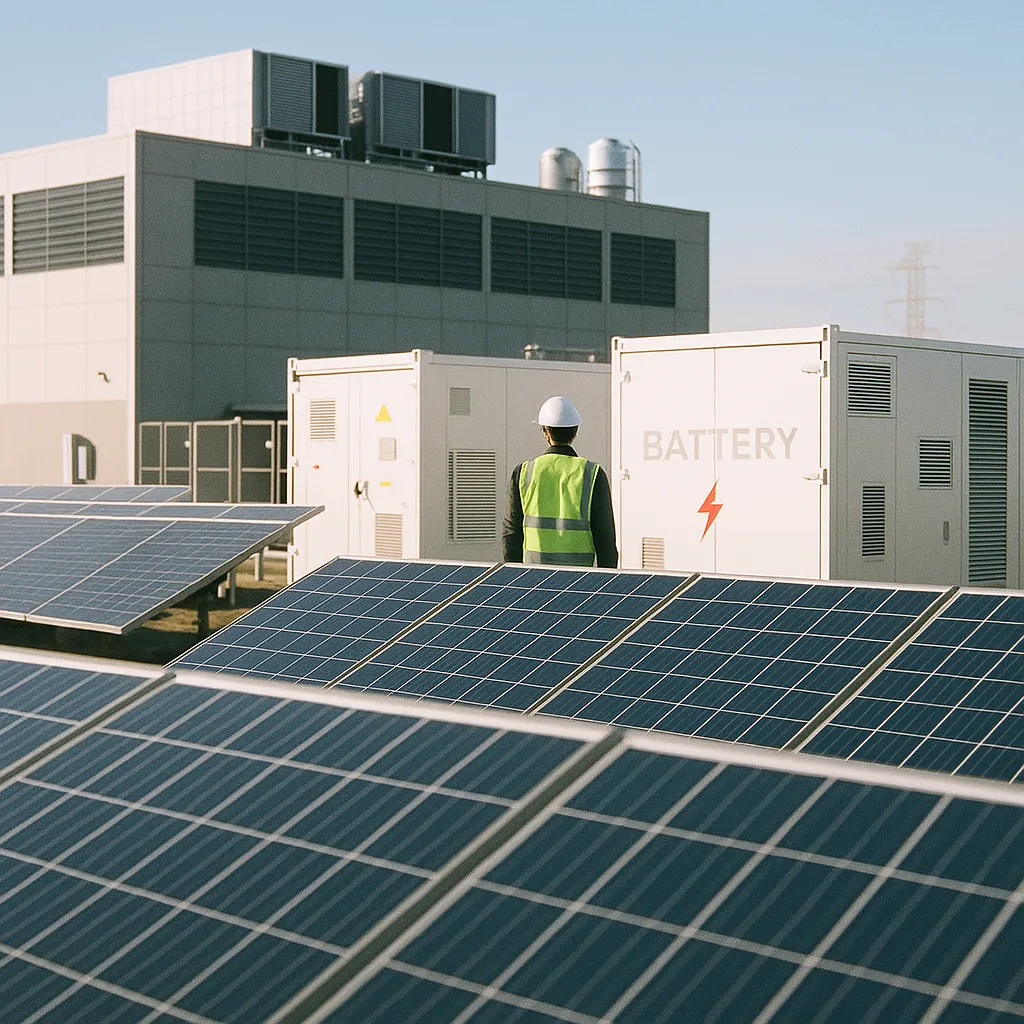
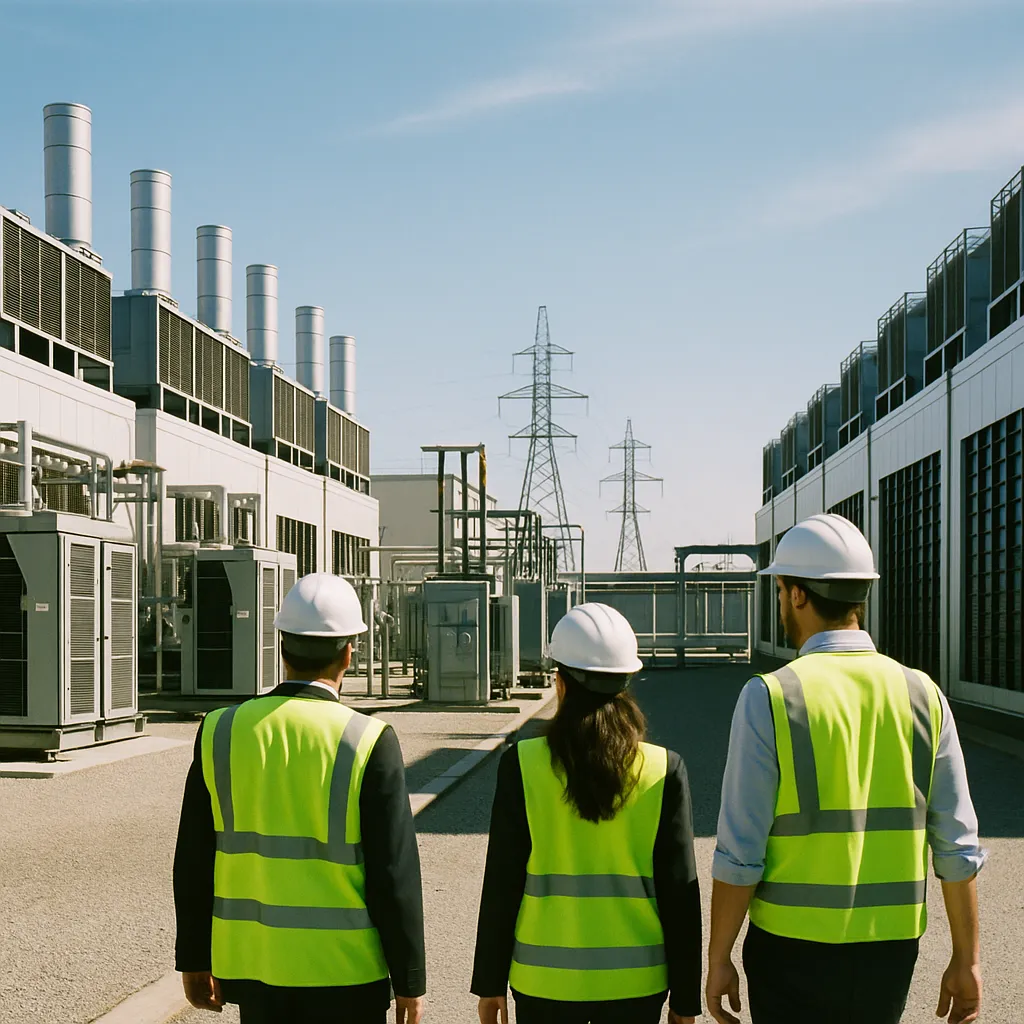
Oracle contracted 2.8 gigawatts from Bloom Energy's fuel cells because the grid interconnection queue is too slow—a structural shift that is turning hyperscalers into their own utilities.
Oracle and Bloom Energy Are Building On-Site AI Power Plants to Bypass the Broken Grid
By Hector Herrera | April 23, 2026 | Energy
Oracle has contracted 2.8 gigawatts of power from Bloom Energy's solid oxide fuel cells, with 1.2 GW already deploying, in a deal that signals a structural shift in how AI data centers get powered. The grid interconnection queue—the waitlist for connecting new large-scale power demand to the transmission grid—has become so backlogged that building on-site generation is now the faster, more reliable path to powering AI infrastructure. Hyperscalers are effectively becoming their own utilities.
Separately, Energy Secretary Chris Wright has directed the Federal Energy Regulatory Commission (FERC) to fast-track modernized interconnection rulemaking by April 30. That directive acknowledges what Oracle and Bloom Energy's deal makes obvious: the grid as currently structured cannot absorb AI-driven power demand at the pace the industry requires.
How Bad Is the Grid Backlog?
The grid interconnection queue is the line that power projects—new generation, large data centers, industrial facilities—must wait in before they can connect to the transmission grid. A project that submits an interconnection request today may wait three to seven years before it can actually draw from or contribute to the grid, depending on the regional transmission organization and location.
For AI data centers, that wait is operationally unacceptable. A hyperscaler announcing a new data center campus is typically making commitments to enterprise clients about capacity timelines that are measured in months, not years. Waiting for grid approval defeats the business case.
The backlog exists because the queue process was designed for a different era—when interconnection requests were relatively rare and the grid's capacity to absorb new load could be evaluated through a methodical, sequential study process. The explosion in both renewable energy generation projects and large-scale power demand (data centers, EV infrastructure, industrial electrification) since 2022 has overwhelmed that process entirely.
According to Renewable Energy Industry reporting, Oracle's commitment to Bloom Energy represents the largest single fuel cell deployment in U.S. history.
What Bloom Energy's Technology Actually Is
Bloom Energy builds solid oxide fuel cells—electrochemical devices that convert natural gas (or eventually hydrogen) directly into electricity without combustion. The cells operate at high temperature and produce electricity at roughly 60% efficiency, significantly higher than traditional gas turbine power generation.
The key operational advantages for data center applications:
Get this in your inbox.
Daily AI intelligence. Free. No spam.
- Modular deployment. Fuel cell arrays can be sized precisely to match power needs and expanded incrementally as demand grows. A data center can start with 50 MW of fuel cell capacity and add modules as server density increases.
- No grid dependency. On-site fuel cell generation connects directly to the facility's electrical infrastructure. The data center is powered by the fuel cells, with the grid serving as backup rather than primary supply.
- Consistent output. Unlike solar or wind, fuel cells produce constant output regardless of weather conditions. For data centers that require continuous uptime, reliability is non-negotiable.
- Siting flexibility. Because fuel cells don't require connection to the transmission grid for primary power, they can be sited where the data center is needed—near fiber infrastructure, near population centers, near water sources for cooling—rather than where the grid happens to have capacity.
The Hyperscaler-as-Utility Model
Oracle's 2.8 GW commitment is not the endpoint of this trend; it is the visible marker of a structural shift that will accelerate across hyperscalers over the next several years.
Microsoft, Google, and Amazon have all been investing in alternative power sources for data center development. Microsoft signed an agreement to restart a nuclear reactor at Three Mile Island. Google has backed advanced geothermal development. Amazon has invested in small modular nuclear reactor programs. The common thread: all three are attempting to source power outside the conventional grid interconnection process.
What makes the Oracle-Bloom Energy deal notable is the scale and the technology choice. Natural gas fuel cells are commercially available now—they don't require regulatory approval processes as lengthy as nuclear or the site-selection complexity of geothermal. Oracle is solving a present problem, not a future one.
The implication for grid operators and utilities is significant: if hyperscalers systematically self-provision power, the anticipated load growth that utilities have been planning around—and that has driven aggressive infrastructure investment planning—may not materialize on the grid. That changes the economics of transmission infrastructure investment across major data center corridors.
FERC's April 30 Deadline
Energy Secretary Chris Wright's direction to FERC to fast-track interconnection rulemaking by April 30 reflects the administration's recognition that the grid backlog is a national competitiveness issue. The United States is competing with other jurisdictions—particularly in Europe and Asia—for AI infrastructure investment, and grid interconnection delays are a concrete disadvantage.
The rulemaking is expected to address:
- Queue reform — changing how interconnection requests are studied and processed to reduce the multi-year backlog
- Cost allocation — clarifying who pays for grid upgrades required to accommodate large new loads
- Expedited pathways for projects that co-locate with existing generation or use technologies that reduce grid impact
Whether FERC can deliver meaningful rulemaking on that timeline, given the complexity of the interconnection system and the stakeholder conflicts between existing generators, utilities, and large load customers, is an open question. But the April 30 direction signals political pressure for the agency to move at an unusual pace.
What to Watch
Two signals will determine how quickly the hyperscaler-as-utility model spreads.
First, watch for comparable fuel cell or distributed generation commitments from Microsoft, Google, and Amazon. If Oracle's approach proves operationally successful at scale, competitors have strong incentives to replicate it. Each announcement accelerates the normalization of on-site AI power infrastructure.
Second, watch the FERC rulemaking outcome after April 30. If the interconnection queue reform is substantive, some hyperscalers may reverse course and return to grid-connected development as the primary model. If the reform is marginal or delayed, the on-site generation model becomes the default path for AI infrastructure expansion for the foreseeable future.
The grid as infrastructure for AI is broken at current demand levels. The question is whether it gets fixed or bypassed.
Hector Herrera is the founder of Hex AI Systems and editor of NexChron.
Did this help you understand AI better?
Your feedback helps us write more useful content.
Get tomorrow's AI briefing
Join readers who start their day with NexChron. Free, daily, no spam.