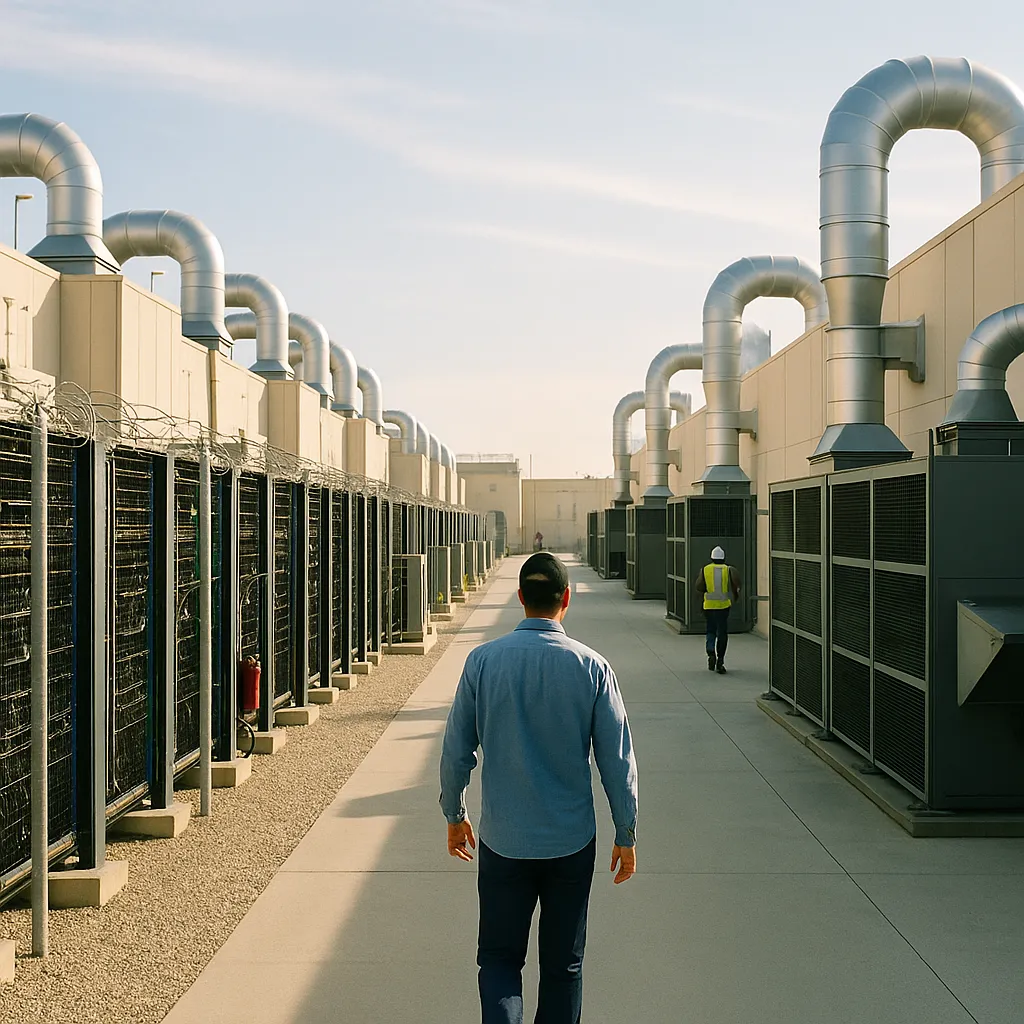
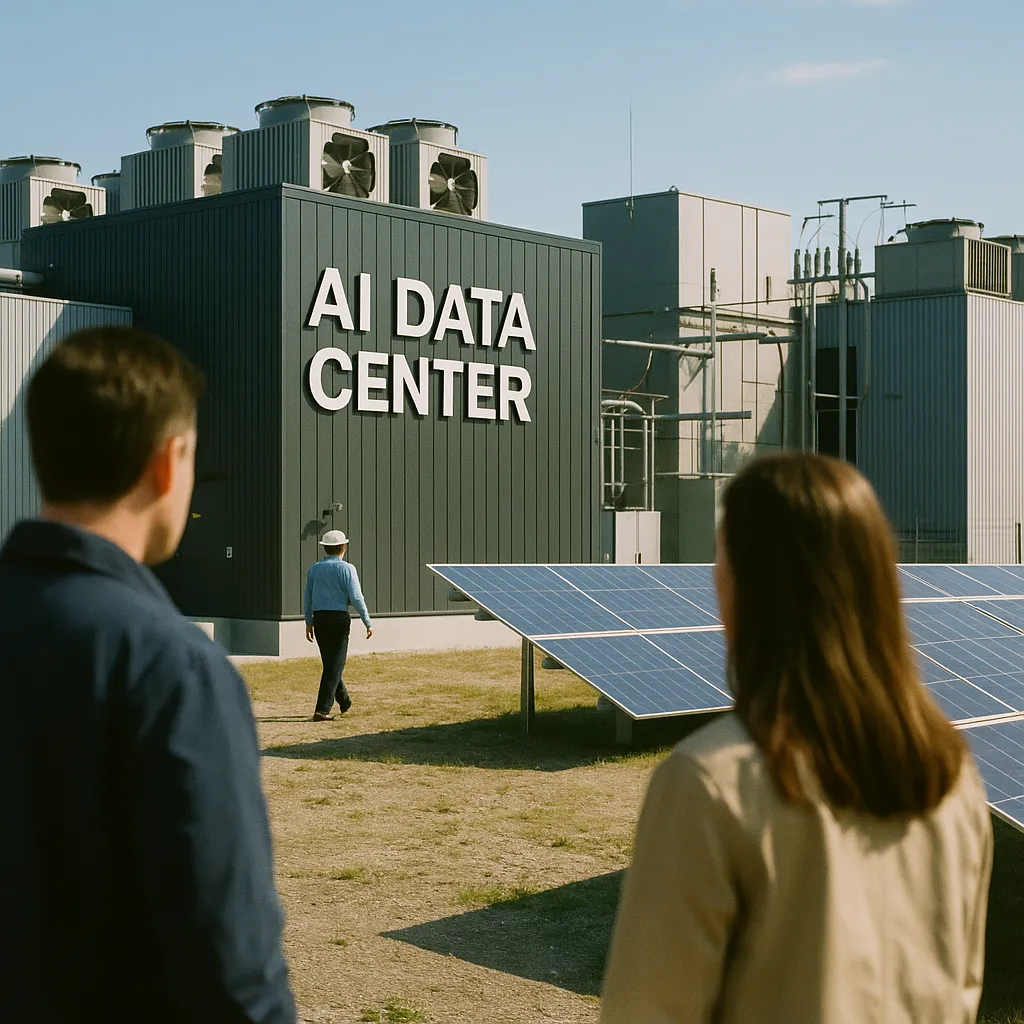
AI data centers are projected to consume 1,050 TWh globally by end of 2026—potentially ranking as the world's fifth-largest national energy user—while U.S. grid interconnection queues stretch three to five years.
AI Data Centers Could Drive 55% of U.S. Power Demand Growth. The Grid Is Not Ready.
By Hector Herrera | May 1, 2026 | Energy
AI data centers are on track to consume up to 1,050 terawatt-hours of electricity globally by the end of 2026 — a figure that would rank the global AI computing sector as roughly the fifth-largest national energy consumer on Earth, between Japan and Russia. E&E News assembled the latest projections and the numbers frame an urgent policy choice: the infrastructure needed to power AI growth is outpacing the infrastructure needed to keep clean energy commitments.
This is not a future problem. The renewable energy interconnection queue in the United States already stretches three to five years. New data centers are being announced faster than the grid can absorb them.
The Numbers, Plainly
According to E&E News's analysis, the key figures:
- 1,050 TWh — projected global AI data center electricity consumption by end of 2026
- 55% — share of U.S. electricity demand growth attributable to AI data centers over a five-year horizon under current trajectory
- 3–5 years — current wait time in U.S. renewable energy interconnection queues
- Japan and Russia — the national electricity consumers AI computing is projected to surpass in total demand this year
A terawatt-hour is one trillion watt-hours. For context, a typical U.S. home consumes roughly 10,500 kilowatt-hours per year. One terawatt-hour powers approximately 95,000 homes for a year. AI data centers are on track to consume the equivalent of powering roughly 100 million homes annually — a demand figure that rivals entire national grids.
The Interconnection Bottleneck
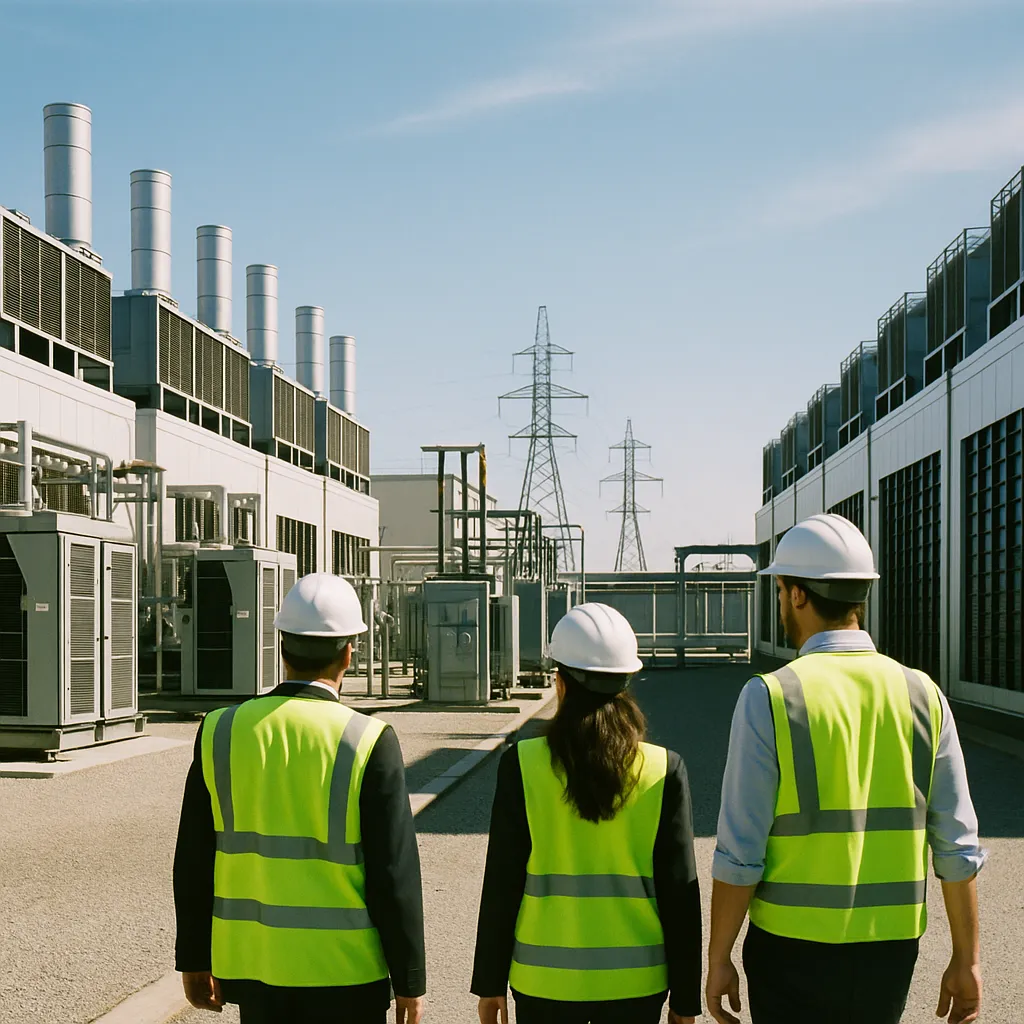
The most immediate constraint is not electricity generation — it is the physical process of connecting new power sources to the grid. Every new solar farm, wind project, or battery storage system must go through an interconnection review process managed by regional transmission organizations. That queue has swelled to thousands of projects waiting years for approval and physical connection.
This creates a specific problem for AI data centers: hyperscalers — the large cloud and AI infrastructure companies — are committing to 100% clean energy targets, signing power purchase agreements with renewable developers, and announcing carbon-neutral data center campuses. But if the renewable projects powering those campuses are stuck in interconnection queues, the data centers go online running on whatever power the local grid provides — which, in most U.S. regions, still includes substantial natural gas and coal.
The gap between announced clean energy commitments and actual clean energy supply is real and widening.
Get this in your inbox.
Daily AI intelligence. Free. No spam.
Battery Storage as the Bridge
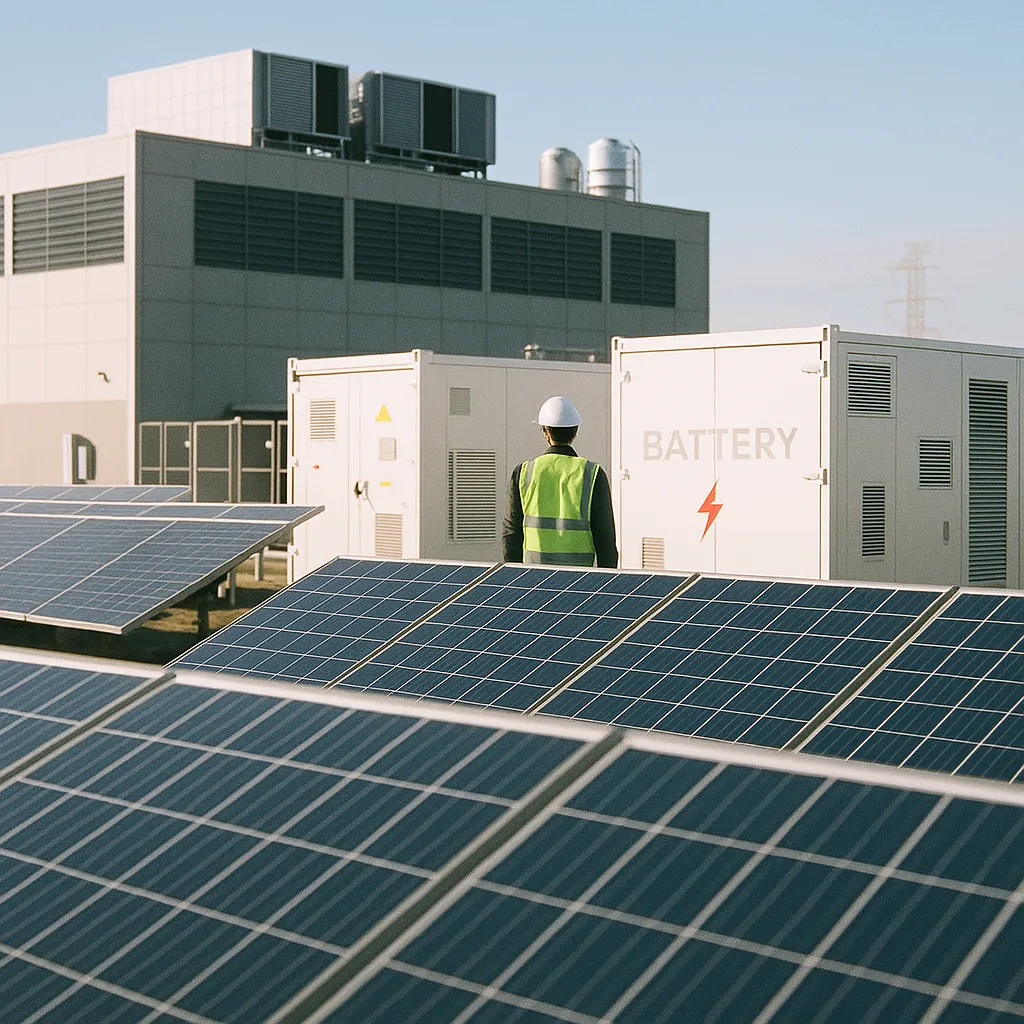
E&E News's analysis points to battery storage systems as the most viable near-term bridge between AI computing demand and grid capacity constraints. The logic:
- Batteries can absorb excess renewable generation during off-peak periods
- They can discharge during peak demand, reducing pressure on fossil fuel peaker plants
- They can be sited at or near data centers, reducing transmission bottlenecks
- Deployment timelines are measured in months rather than the years required for new transmission infrastructure
Battery storage deployment has accelerated dramatically in the United States — from roughly 10 GW of installed capacity in 2022 to projections exceeding 60 GW by end of 2026. But even at that pace, the math is challenging. Large AI data center campuses can draw 500 megawatts or more. The battery systems required to meaningfully buffer that demand at scale remain expensive and limited by lithium supply chains.
The Policy Collision
The tension at the center of this issue is a direct collision between two federal priorities:
Priority one: AI leadership. The current administration has explicitly identified AI infrastructure development as a national security and economic competitiveness imperative. Permitting reform for data centers, streamlined federal land approvals, and signals supporting rapid AI infrastructure buildout have all come from Washington in the past six months.
Priority two: Clean energy commitments. The United States has legally binding greenhouse gas reduction targets under domestic law and international agreements. Meeting them requires decarbonizing the electric grid faster than current trajectory. AI data centers building on gas-heavy grid power push that timeline further out.
These two priorities are now in direct conflict, and no federal framework has been articulated to resolve the tension. The result is a patchwork of state-level decisions: Texas is aggressively permitting data centers and leaning on gas generation; California is more restrictive and pushing harder on renewables; Virginia — home to the world's largest concentration of data centers — is caught between demand that is straining its grid and a legislature that has not given utilities clear authority to build the transmission infrastructure needed.
What This Means for Energy Markets
Utilities face capital allocation decisions they were not prepared for two years ago. Building generation capacity for AI data centers requires multi-decade infrastructure commitments, but AI hardware cycles are measured in 18 months. The mismatch in planning horizons creates real risk for regulated utilities that build out capacity and then face data center customers who renegotiate or relocate.
Renewable developers face a peculiar dynamic: demand for their product has never been higher, but the interconnection queue prevents them from monetizing it quickly enough. Project developers are increasingly lobbying for interconnection reform as loudly as data center operators.
Ratepayers face the question of who pays for grid upgrades. When a hyperscaler builds a 500-megawatt campus in a rural county, the transmission infrastructure needed to serve it often benefits the entire region — but the costs of building it are typically socialized across ratepayers. How those costs are allocated is increasingly contested.
What to Watch
The Federal Energy Regulatory Commission (FERC) interconnection reform order, finalized in 2024, was designed to accelerate the queue — but its effects are still working through the system. Watch for FERC to revisit the rules if the queue does not materially clear by mid-2026.
More immediately: watch which states move first on data center-specific power requirements. Several states are considering legislation requiring AI data centers above a certain size to demonstrate firm clean energy procurement before receiving permits. That would be the first hard regulatory link between AI buildout and clean energy commitments — and it would reshape where the next wave of data center investment goes.
Hector Herrera covers AI and energy policy for NexChron.
Did this help you understand AI better?
Your feedback helps us write more useful content.
Get tomorrow's AI briefing
Join readers who start their day with NexChron. Free, daily, no spam.