Bloom Energy and Oracle Are Building Off-Grid Power for AI Data Centers
Bloom Energy and Oracle are deploying solid oxide fuel cells to power AI data centers without grid interconnection — a pivot driven by U.S. grid queues now measured in years.
Why this matters
Bloom Energy and Oracle are deploying solid oxide fuel cells to power AI data centers without grid interconnection — a pivot driven by U.S. grid queues now measured in years.
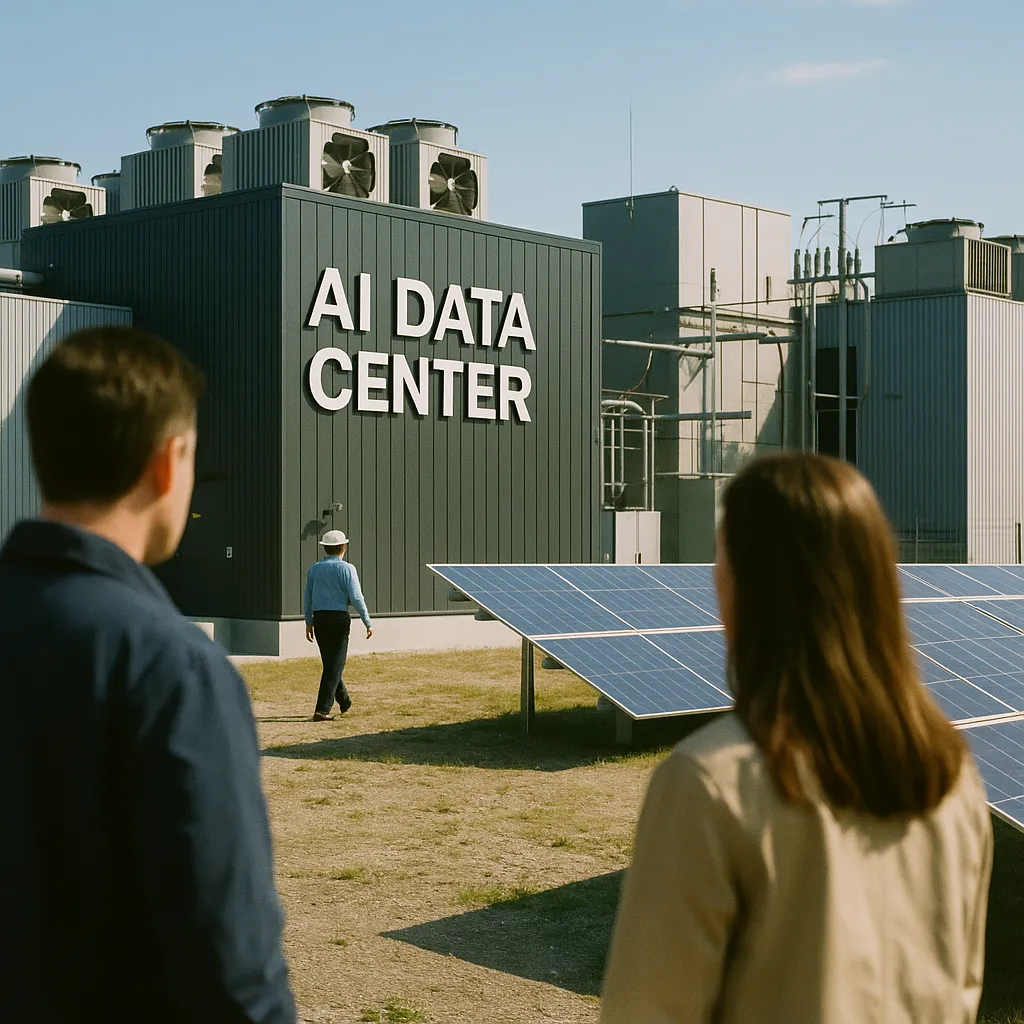
Bloom Energy and Oracle announced a partnership to power next-generation AI data centers with solid oxide fuel cells — on-site clean energy generation that bypasses the grid interconnection delays now blocking AI infrastructure expansion. Bloom's stock jumped 15% in a single session on the announcement, reflecting investor belief that distributed on-site energy is becoming critical infrastructure for the AI era.
The Problem This Solves
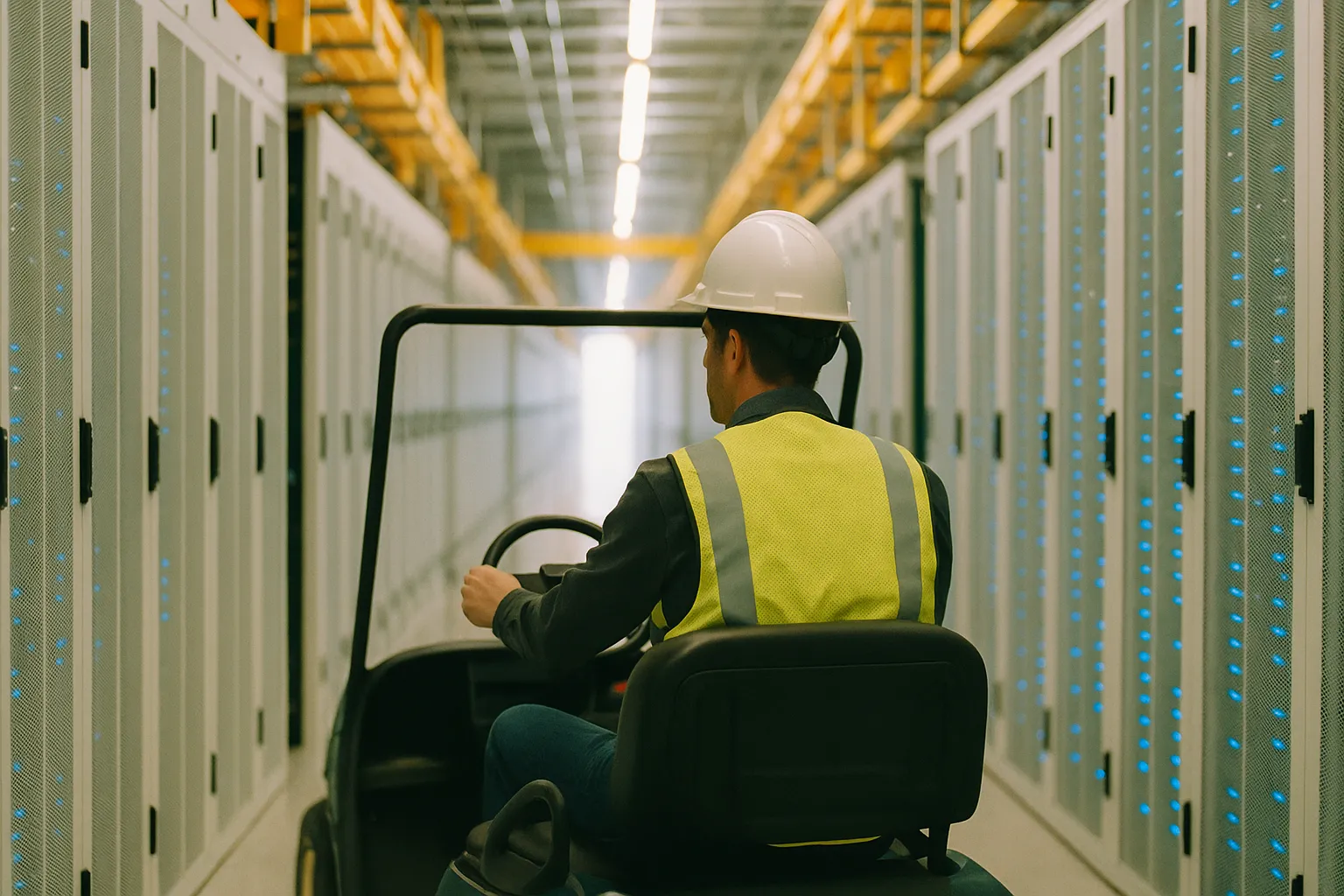
AI data centers consume extraordinary amounts of electricity. A hyperscale AI training cluster can draw as much power as a small city. The traditional path to powering a new data center runs through the utility grid: find a site with grid access, apply for interconnection, wait — often two to five years — for the interconnection queue to clear, then build.
That timeline doesn't work for companies trying to build AI infrastructure at the pace the market demands. Grid interconnection queues in the U.S. are now measured in years, not months. The American grid was not designed for the simultaneous, geographically concentrated surge in power demand that AI data center construction represents.
Bloom Energy's core product is the Bloom Energy Server — a solid oxide fuel cell (SOFC) system that generates electricity on-site by chemically converting fuel (natural gas, hydrogen, or biogas) into electricity without combustion. The process produces no air pollutants at the point of generation and can operate continuously and reliably — unlike solar or wind, which depend on weather conditions.
Get this in your inbox.
Daily AI intelligence. Free. No spam.
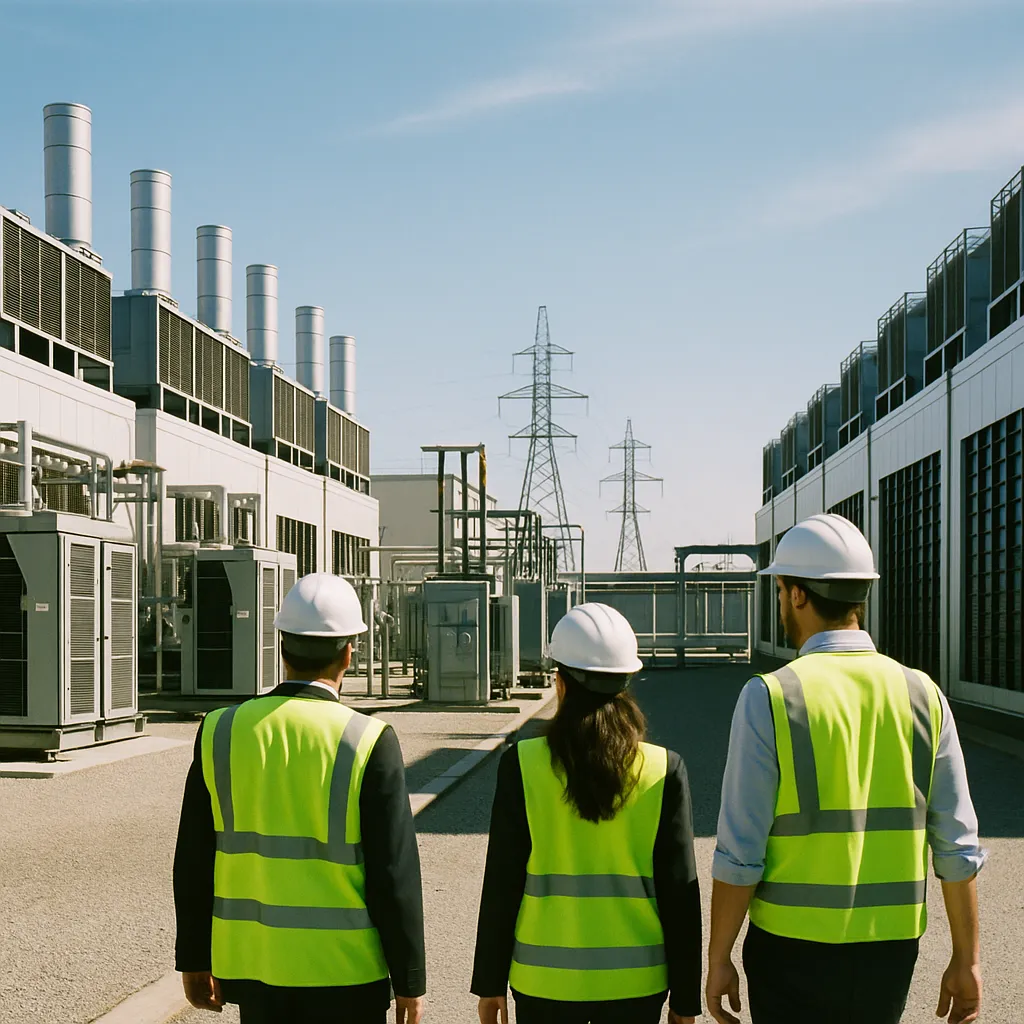
For a data center operator, the key advantage is location independence: a site that lacks grid interconnection can still be powered with Bloom fuel cells. You're generating your own electricity on-site, at the scale you need, without waiting for the utility.
The trade-offs are real:
Fuel cells require fuel, adding an ongoing cost and logistics requirement
They're cleaner than diesel generators but not zero-carbon unless running on green hydrogen, which remains expensive
Capital costs are higher than connecting to the grid — when grid access is available quickly
The bet Bloom and Oracle are making is that grid access won't be available quickly for a large share of the data center sites AI companies want to build in the next five years. At current interconnection queue rates, that's a defensible bet.
What the 15% Stock Move Signals
A 15% single-session stock move on a partnership announcement is significant. It reflects investor belief that:
AI data center power demand is real and sustained, not cyclical
Grid interconnection constraints are structural, not temporary
On-site generation companies are structurally positioned to benefit
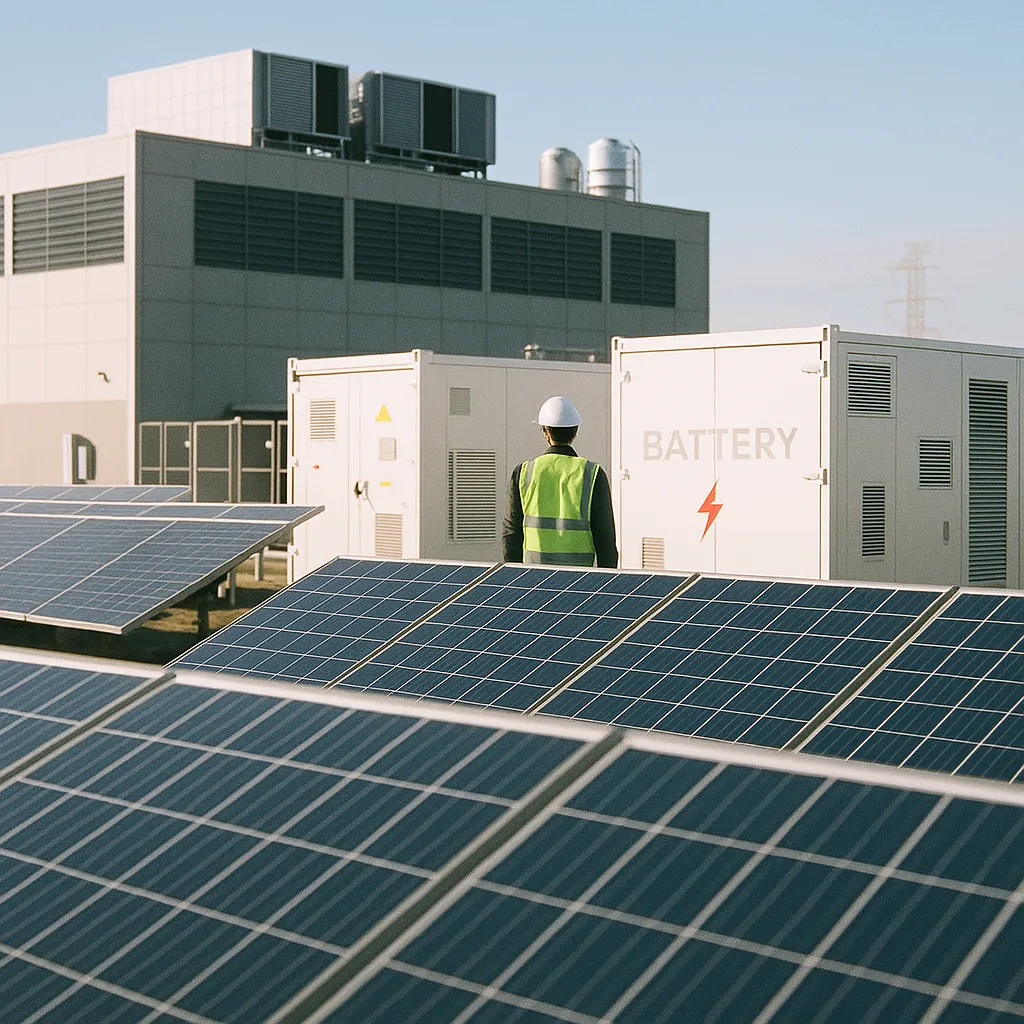
This is part of a broader energy infrastructure investment thesis driving capital into natural gas peaker plants, small modular nuclear reactors, and grid-scale batteries alongside fuel cells.
What to Watch
Watch for Oracle to disclose specific data center projects that will use Bloom fuel cells — the first site announcements will test whether this is a meaningful operational commitment or a marketing partnership. Also watch hydrogen pricing: Bloom's pathway to genuinely clean on-site generation depends on green hydrogen costs continuing to fall. If they do, this technology becomes significantly more compelling for organizations with hard decarbonization targets.
Hector Herrera is an AI systems architect and the founder of Hex AI Systems. He designs and runs AI systems in production and writes daily about how AI is reshaping business, government and everyday life. 20+ years building for the web. Houston, TX.