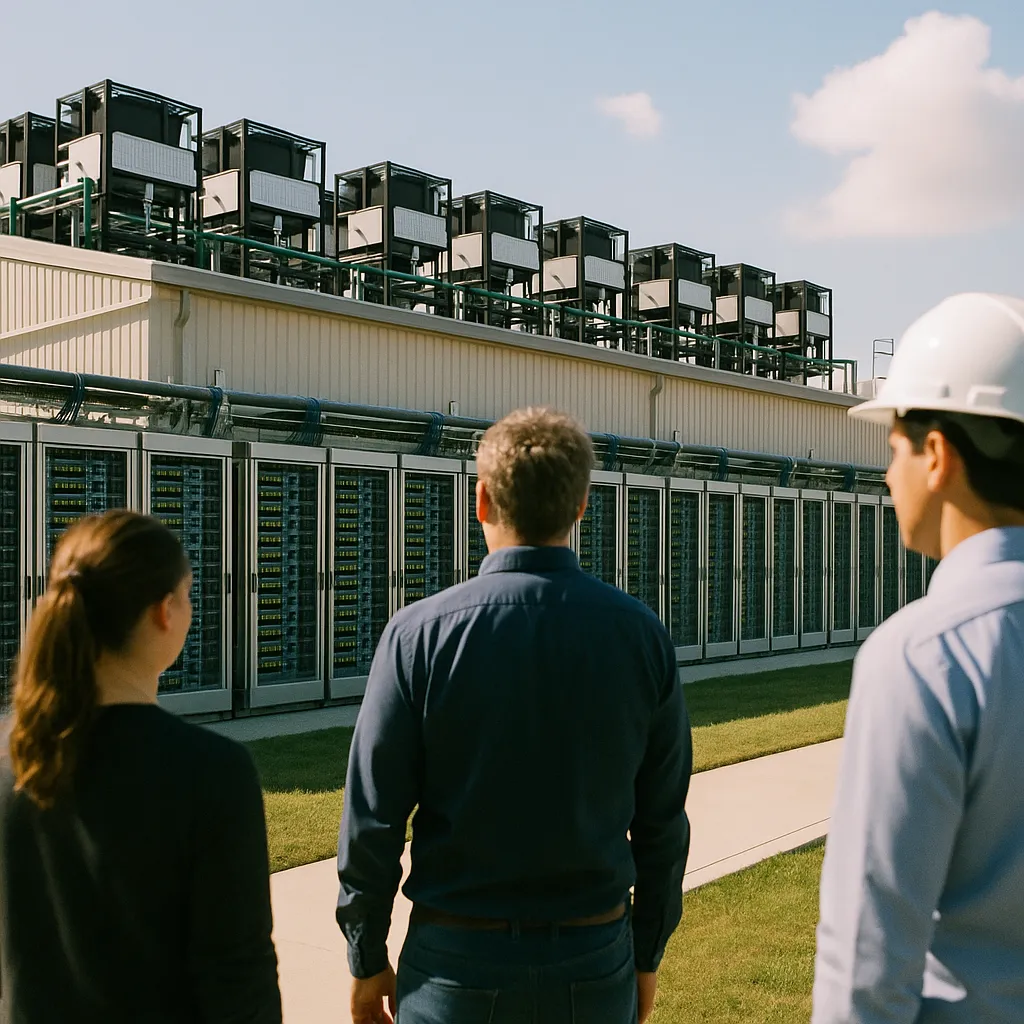
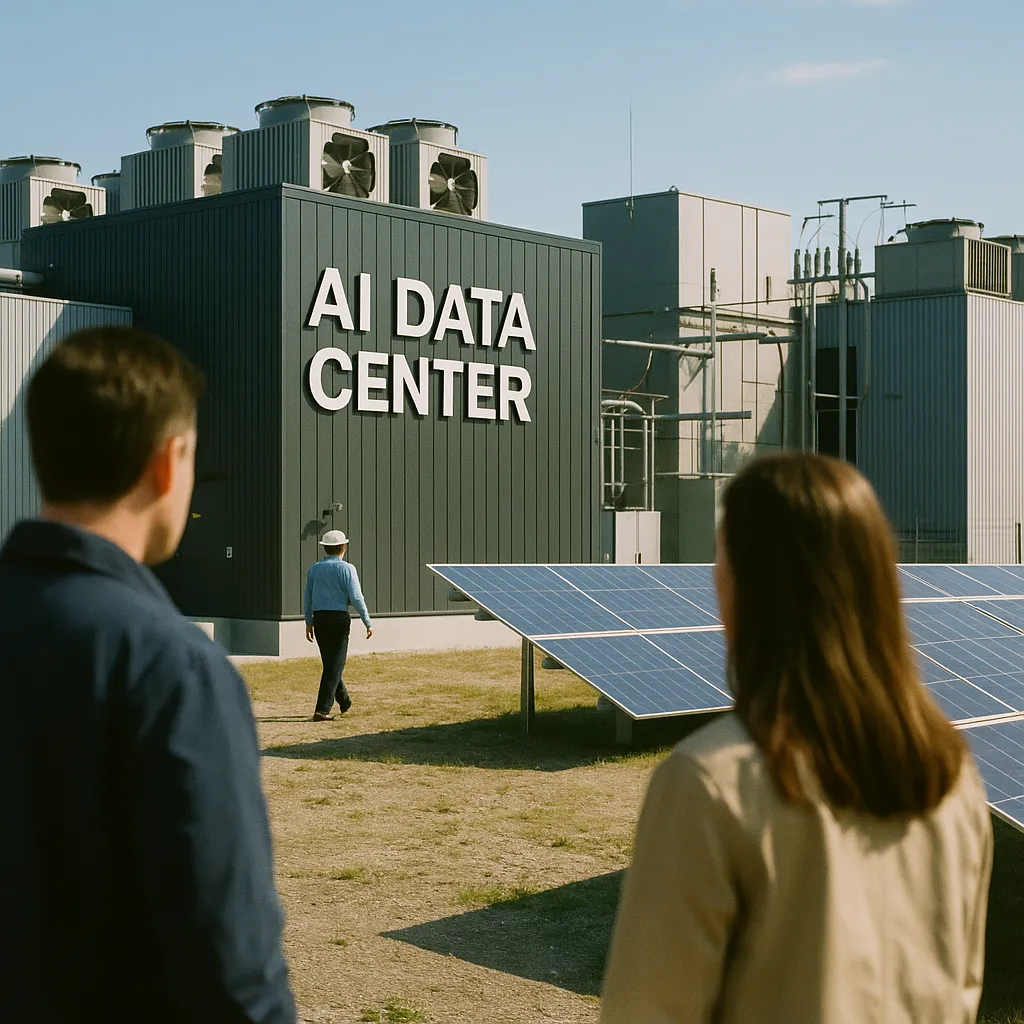
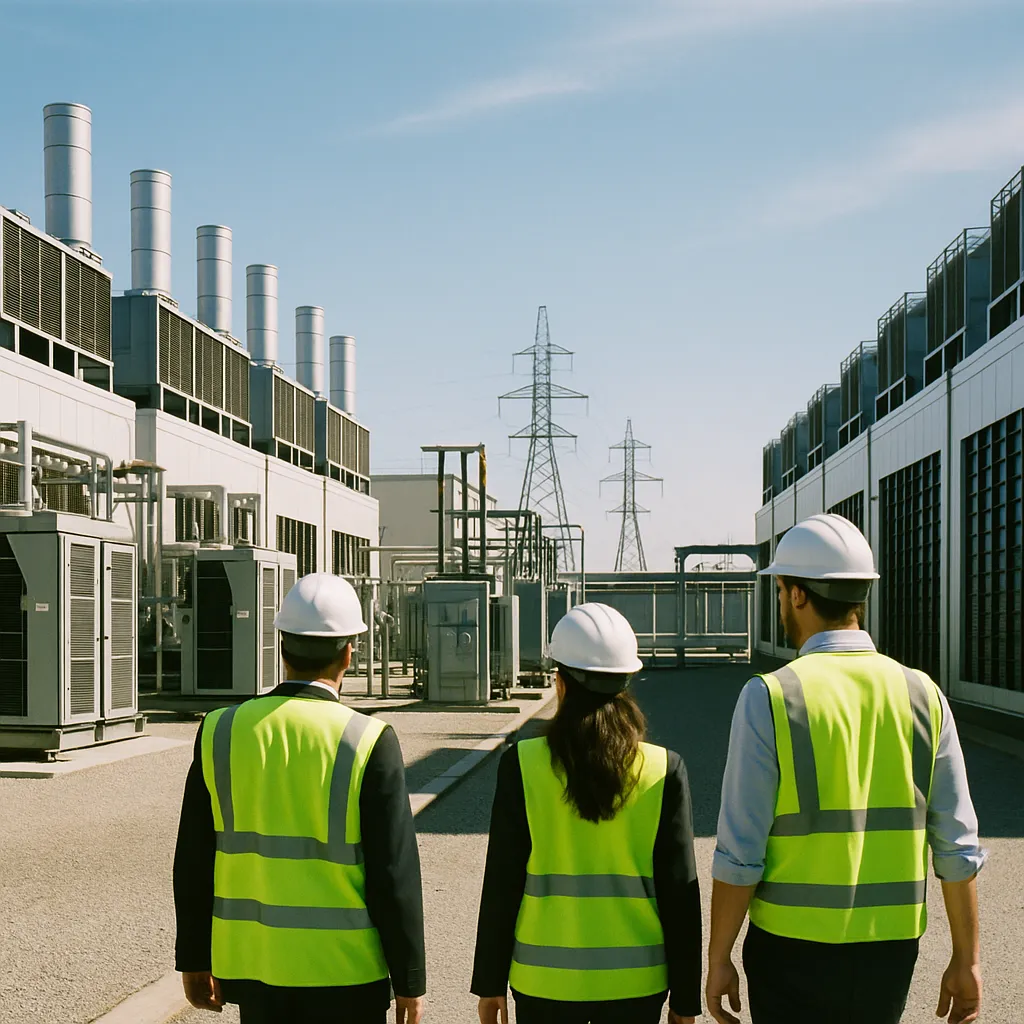
AI data centers scale in 12 to 18 months. Renewable energy takes three to five years. Carbon Direct's 2026 outlook shows the mismatch is forcing hyperscalers into natural gas while climate commitments quietly erode.
AI Scales in Months, Clean Energy Takes Years — The Climate Math Is Breaking
By Hector Herrera | May 18, 2026
The fundamental conflict between AI's infrastructure buildout and corporate climate commitments is no longer theoretical. Carbon Direct's 2026 outlook puts numbers on the mismatch: AI data centers can be permitted and operational in 12 to 18 months, while the renewable energy, transmission infrastructure, and grid interconnection required to power them cleanly takes three to five years. The gap is not closing. It is widening, and the companies that made the most aggressive clean energy pledges are the ones feeling it most acutely.
Microsoft's quiet retreat from its hourly-matched clean energy target — reported in NexChron's May 10 coverage — is the most visible symptom of a structural problem that now affects every major hyperscaler. When you need power immediately and the only fast enough source is natural gas, the climate math stops working regardless of what your sustainability report says.
The Timeline Problem
Understanding why this is happening requires understanding two timelines that do not match.
The AI infrastructure timeline: A hyperscaler decides to build a new data center cluster. Site acquisition, permitting for the building itself, and mechanical/electrical buildout can move in 12 to 18 months for a greenfield facility, faster for an expansion of an existing campus. The compute hardware ships to order. AI capacity scales in software.
The clean energy timeline: A utility-scale solar or wind project requires land acquisition, environmental review, interconnection studies, transmission permitting, financing, and construction. The interconnection queue alone — the line of projects waiting for grid connection studies from utilities — adds 18 to 48 months in most US markets. According to Carbon Direct's analysis, the average clean energy project in the US now takes four to six years from commitment to electrons on the grid.
This is not a technology problem. Solar panels work. Wind turbines work. The bottleneck is permitting, transmission, and grid interconnection — regulatory and infrastructure processes that were not designed for the pace at which AI is creating electricity demand.
What the Numbers Look Like
The scale of the mismatch is visible in the data. NexChron's April 30 coverage and May 10 reporting documented the electricity demand AI data centers are adding to the grid. Carbon Direct quantifies the commitment side:
- Microsoft committed to being carbon negative by 2030 and matching its energy use with clean power on an hourly basis — the most rigorous standard in corporate sustainability
- Google pledged 24/7 carbon-free energy across all operations
- Amazon committed to 100% renewable energy by 2025 (a target it missed) and net-zero by 2040
The hourly matching standard — meaning for every hour of operation, a corresponding hour of clean generation is delivered to the grid — is what is breaking first. Annual renewable energy certificates (RECs) allow companies to count renewable energy they generate at any time of year against their consumption at any other time. Hourly matching is different: it requires that clean power is physically on the grid at the same time the data center is drawing it.
Get this in your inbox.
Daily AI intelligence. Free. No spam.
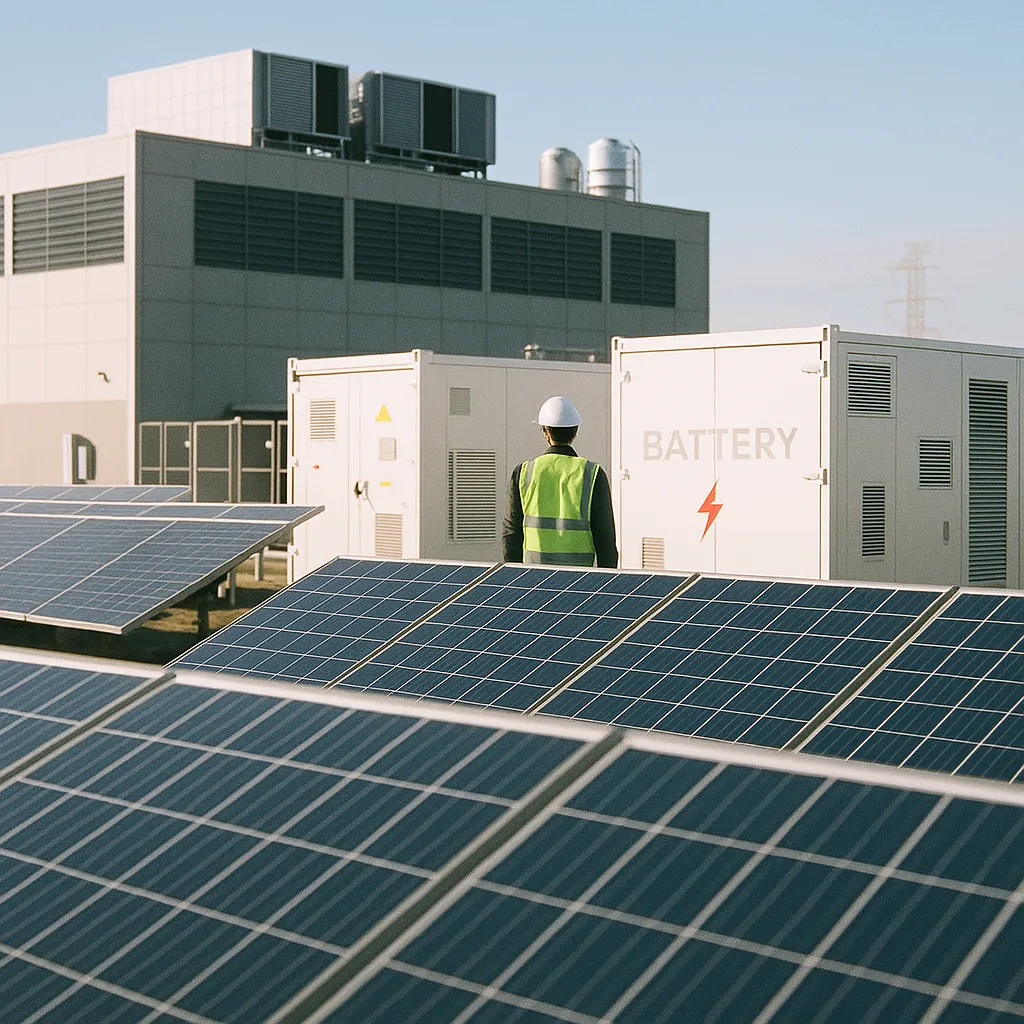
Natural gas peaker plants can follow AI workloads hour by hour. Solar and wind cannot, not without storage at a scale that does not yet exist commercially.
The Retreat from Aggressive Targets
Microsoft's retreat from hourly matching, reported in May 10 coverage, is not an isolated decision. It reflects a broader calculation that is happening — more quietly — across the industry:
Scenario A: Maintain hourly clean energy matching, constrain AI infrastructure buildout to the pace at which clean energy can be procured. Lose competitive position to rivals who don't apply the same constraint.
Scenario B: Build AI infrastructure at market speed, power it with whatever is available (natural gas, grid mix), and adjust the sustainability framing accordingly.
Most hyperscalers are choosing a version of Scenario B while continuing to invest in long-term clean energy development. The result is a widening gap between stated commitments and actual emissions — one that Carbon Direct's analysis projects will persist through 2028 at minimum, absent major permitting reform.
The Grid Reality in 2026
The PJM grid crisis covered in NexChron's May 8 reporting — where the CEO of the largest US electricity market called for a fundamental redesign to handle AI load — illustrates the physical constraint. PJM's interconnection queue has over 3,000 projects waiting for studies. Transmission lines needed to move remote wind and solar to population centers are delayed by a decade or more.
The May 10 data center opposition coverage showed that even when hyperscalers want to build in renewable-rich areas, local opposition and grid capacity constraints block them. Maine's legislature voted to ban large AI data centers from areas served by renewable energy specifically to prevent clean power from being diverted to compute loads.
The clean energy that does exist is not locationally flexible. A solar farm in West Texas generates power where West Texas is. Getting that power to a data center in Virginia — where most US cloud infrastructure is concentrated — requires transmission infrastructure that does not exist and cannot be built in 18 months.
What Needs to Change
Carbon Direct's 2026 outlook identifies three structural changes that would close the gap, none of which are fast:
-
Permitting reform — streamlining the interconnection queue and transmission permitting processes to match infrastructure demand. The Biden-era Inflation Reduction Act included some permitting provisions; the current administration's posture toward clean energy permitting is less clear.
-
Grid-scale storage — battery storage at the scale needed for hourly matching requires technology cost reductions and manufacturing scale that are still several years away from commercial viability at data center demand levels.
-
Data center flexibility — AI training workloads (as opposed to inference) are somewhat schedulable and could be shifted to times of day when clean energy is abundant. This requires coordination between grid operators and hyperscalers that does not currently exist at scale.
What to Watch
Watch Microsoft's next sustainability report for how it reframes its energy commitments, and watch whether Google and Amazon follow with their own target modifications. The more consequential signal will be whether the permitting reform discussions in Congress — which have been stalled since the IRA debates — gain traction as AI energy demand becomes a political as well as a market issue. If data centers become the reason electricity bills rise in swing-state districts, the political calculation changes.
Source: Carbon Direct, 2026 AI Scale and Climate Commitments Outlook
Did this help you understand AI better?
Your feedback helps us write more useful content.
Get tomorrow's AI briefing
Join readers who start their day with NexChron. Free, daily, no spam.