NextEra Energy's $67 billion all-stock acquisition of Dominion Energy creates the world's largest regulated utility—explicitly built to meet surging AI data center power demand.
NextEra Acquires Dominion for $67 Billion in the Largest US Utility Merger Ever—Driven by AI Data Center Demand
By Hector Herrera | May 22, 2026
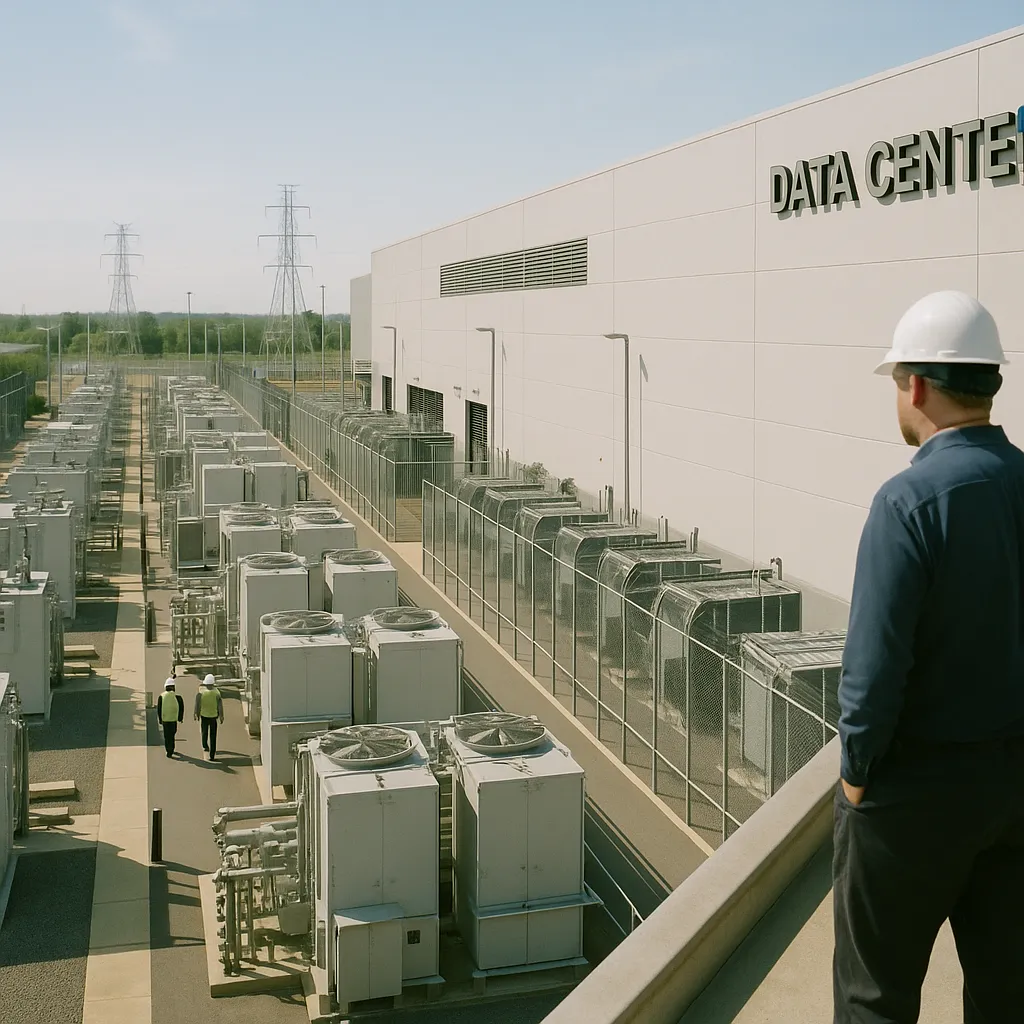
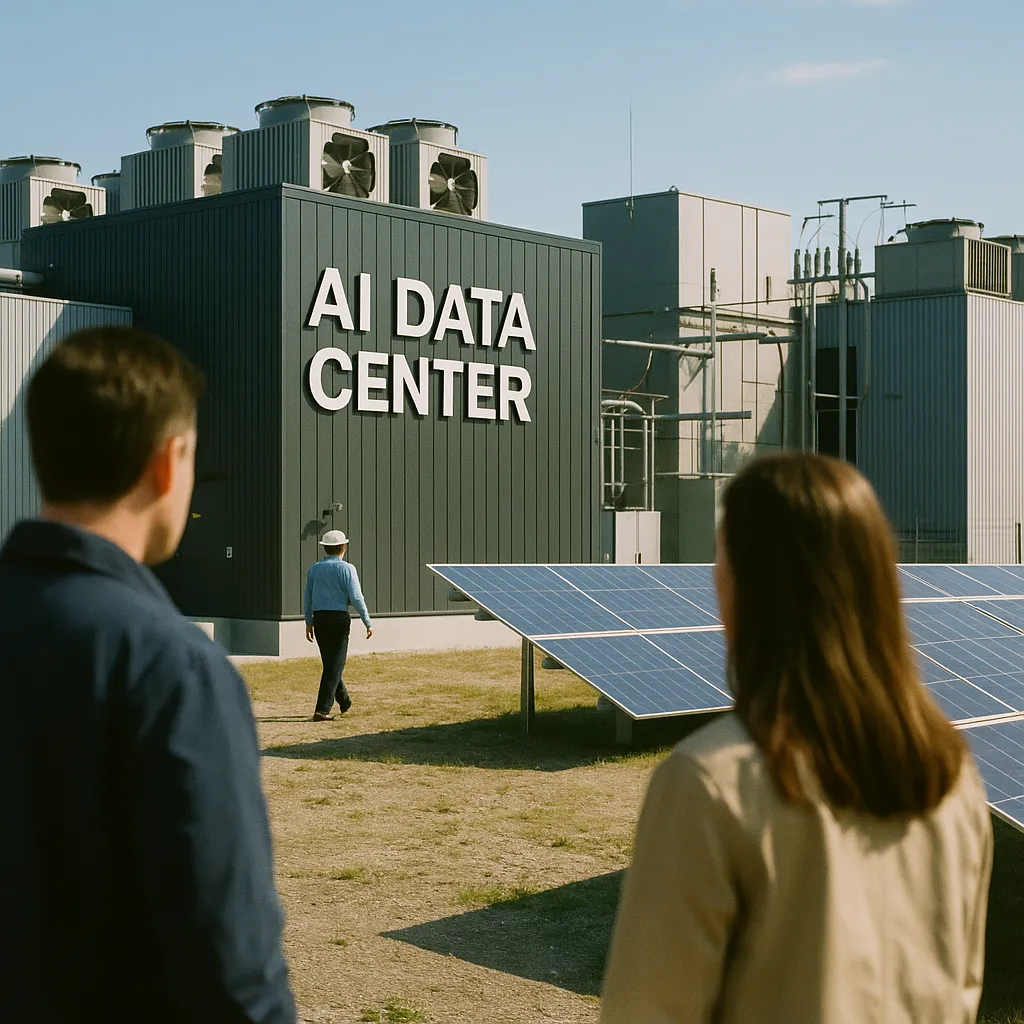
NextEra Energy announced a $67 billion all-stock acquisition of Dominion Energy on May 18, 2026, creating the world's largest regulated utility and explicitly tying the deal to surging AI data center power demand. The transaction combines NextEra's position as the top U.S. renewable energy developer with Dominion's control of the electrical grid serving Northern Virginia's data center corridor—the densest concentration of AI compute infrastructure on earth.
Why it matters: This is the largest utility merger in U.S. history. It is also the clearest signal yet that the energy sector is reorganizing itself around AI infrastructure as its primary long-term growth driver.
Background
Northern Virginia—specifically the Loudoun County area known as "Data Center Alley"—is estimated to host roughly 35% of the world's internet traffic and serves as the primary power market for hyperscale AI compute. Microsoft, Google, Amazon, and Meta all operate or are building major data center campuses there. Dominion Energy Virginia is the primary utility serving that market, and its grid is already struggling to keep pace with demand.
According to CNBC, the acquisition brings together the country's leading renewable energy developer and the utility that physically delivers power to AI's biggest customers. The combined entity would have a 130-gigawatt construction backlog—the largest in U.S. utility history—explicitly designed to meet AI-driven power demand.
NextEra, headquartered in Juno Beach, Florida, has spent two decades building expertise in large-scale wind and solar generation for industrial customers. Acquiring Dominion gives it direct control over the transmission and distribution infrastructure that AI's hyperscalers depend on. That vertical integration—from generation to delivery—is the strategic logic of the deal.
Get this in your inbox.
Daily AI intelligence. Free. No spam.
The Deal Details
- Transaction value: $67 billion, structured as an all-stock deal
- Combined construction backlog: 130 gigawatts of new generation and transmission capacity
- Regulatory approvals required: FERC (Federal Energy Regulatory Commission), plus state utility commissions in Virginia, North Carolina, and South Carolina
- Expected close: 2027, pending regulatory review
For context: the United States currently operates roughly 1,200 gigawatts of total generating capacity. NextEra-Dominion's 130-gigawatt backlog would expand that by more than 10%—making this deal a meaningful contributor to U.S. power supply, not just a corporate restructuring.
The explicit framing around AI demand is notable. Utility mergers are typically justified on efficiency grounds or geographic complementarity. This one is being justified on the basis that AI infrastructure is creating power demand that neither company can meet alone.
What This Means
For AI operators: Microsoft, Google, Amazon, and Meta are all major Dominion customers. They have strategic interest in faster grid capacity growth—which the combined entity's scale could accelerate. But they will also scrutinize whether the merger changes power pricing structures or interconnection queue timelines, which directly affect their infrastructure costs.
For energy markets: The deal signals that utilities serving AI compute clusters are now among the most strategically valuable assets in U.S. energy. Expect M&A interest to intensify in grid operators near AI-dense markets like northern Virginia, the Dallas-Fort Worth metroplex (ERCOT), and the Phoenix corridor.
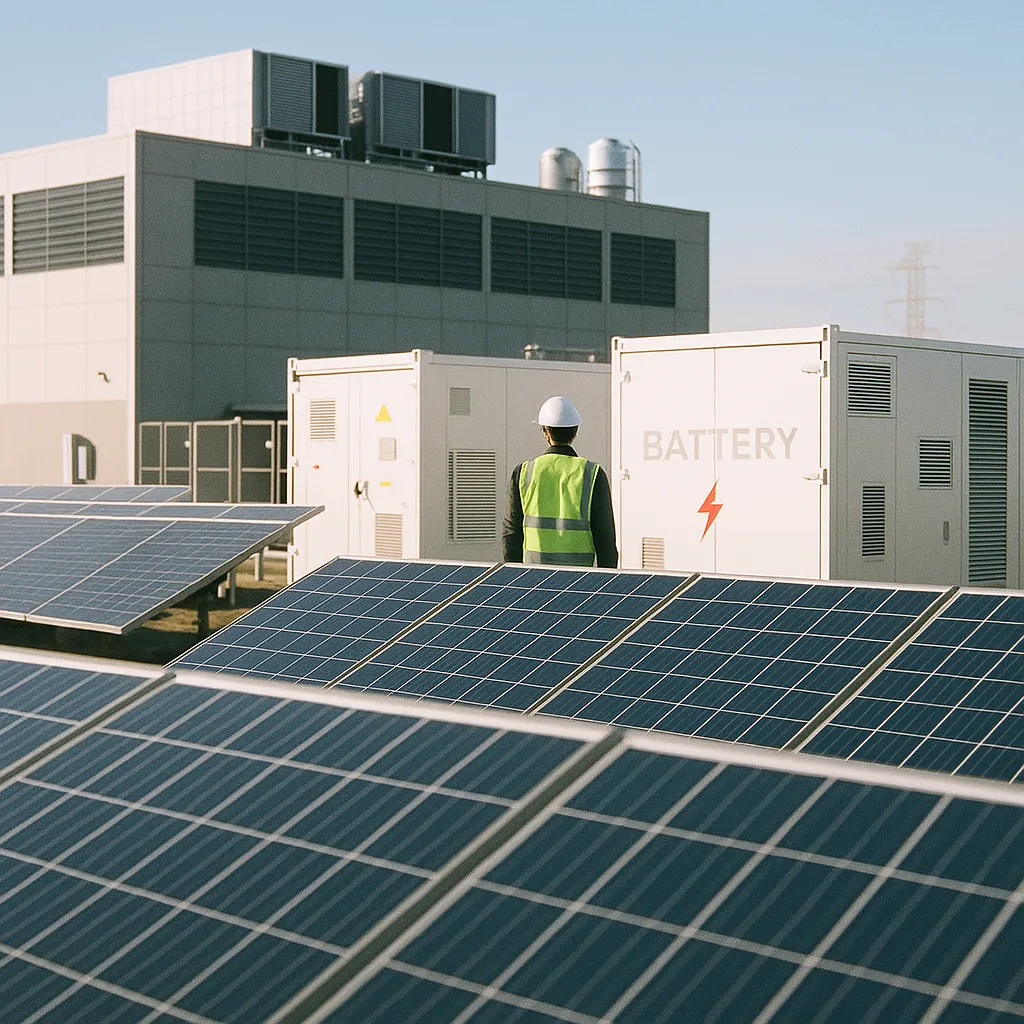
For renewable energy: NextEra's acquisition positions wind and solar as the primary supply source for AI-driven demand growth. The alignment between AI infrastructure buildout and clean energy development could accelerate decarbonization timelines. It also provides a partial answer to critics who argue AI's energy consumption is incompatible with climate goals—though the raw scale of AI power demand remains a live concern regardless of its source.
For regulators: FERC will scrutinize whether the combined entity has too much market power in wholesale electricity markets where NextEra already operates generation. Virginia's State Corporation Commission, which has historically protected Dominion's regulated structure and been skeptical of outside control, is the critical state-level approval to watch.
What to Watch
The first formal regulatory filings with FERC and state utility commissions are expected within 90 days of the May 18 announcement. Virginia's commission is the most consequential approval choke point—it has blocked or restructured prior Dominion deals, and the political dynamics around a Florida company acquiring a state institution that powers the capital region will be significant. Watch also for hyperscalers to file comments in the regulatory proceedings, signaling whether they support or oppose the deal's power implications.
Source: CNBC
Did this help you understand AI better?
Your feedback helps us write more useful content.
Get tomorrow's AI briefing
Join readers who start their day with NexChron. Free, daily, no spam.