Microsoft is weighing whether to abandon its 2030 goal of matching 100% of its electricity with carbon-free energy on an hourly basis, as AI data center demand outpaces renewable deployment.
Microsoft May Shelve 2030 Clean Energy Target as AI Data Centers Outpace Renewables
By Hector Herrera | May 10, 2026 | Energy
Microsoft is weighing whether to abandon its 2030 goal of matching 100% of its electricity consumption with carbon-free energy on an hourly basis, according to reporting from Bloomberg. The cause: AI data center power demand is growing faster than the renewable energy capacity Microsoft can actually bring online. This is a significant retreat — Microsoft set this target publicly as a cornerstone of its climate commitment.
What the 2030 Goal Actually Required
The target Microsoft is reconsidering is not a simple renewable energy credit purchase. The company committed to matching its electricity consumption with carbon-free generation on an hourly basis — meaning for every megawatt-hour of power consumed in any given hour, a megawatt-hour of zero-carbon electricity had to be generated at roughly the same time and location.
This is materially harder than the annual matching approach most companies use when they claim "100% renewable" status. Hourly matching requires dispatchable carbon-free generation — sources that produce power when demand is high, not just when the wind blows or the sun is out. That practically means nuclear, geothermal, long-duration storage, or solar-plus-battery systems sized to cover peak demand windows.
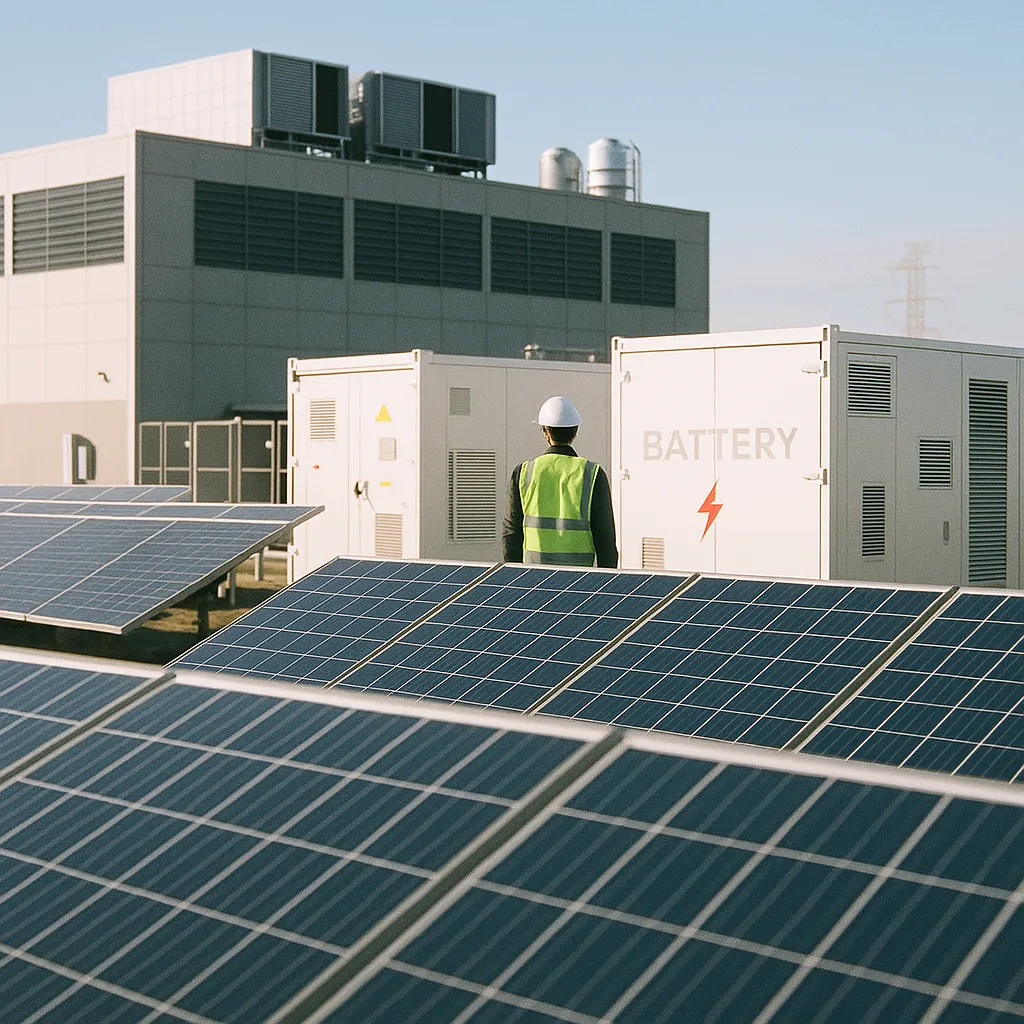
Microsoft has been building toward this. The company has signed renewable agreements including a 1.2 GW solar and battery storage project in Wisconsin — one of the largest standalone clean energy contracts a U.S. company has signed. But 1.2 GW, while substantial, is a fraction of what Microsoft's AI infrastructure now requires.
The AI Data Center Problem
The scale of AI data center power consumption has changed the math on corporate clean energy commitments in ways that were not fully modeled when Microsoft set its 2030 target.
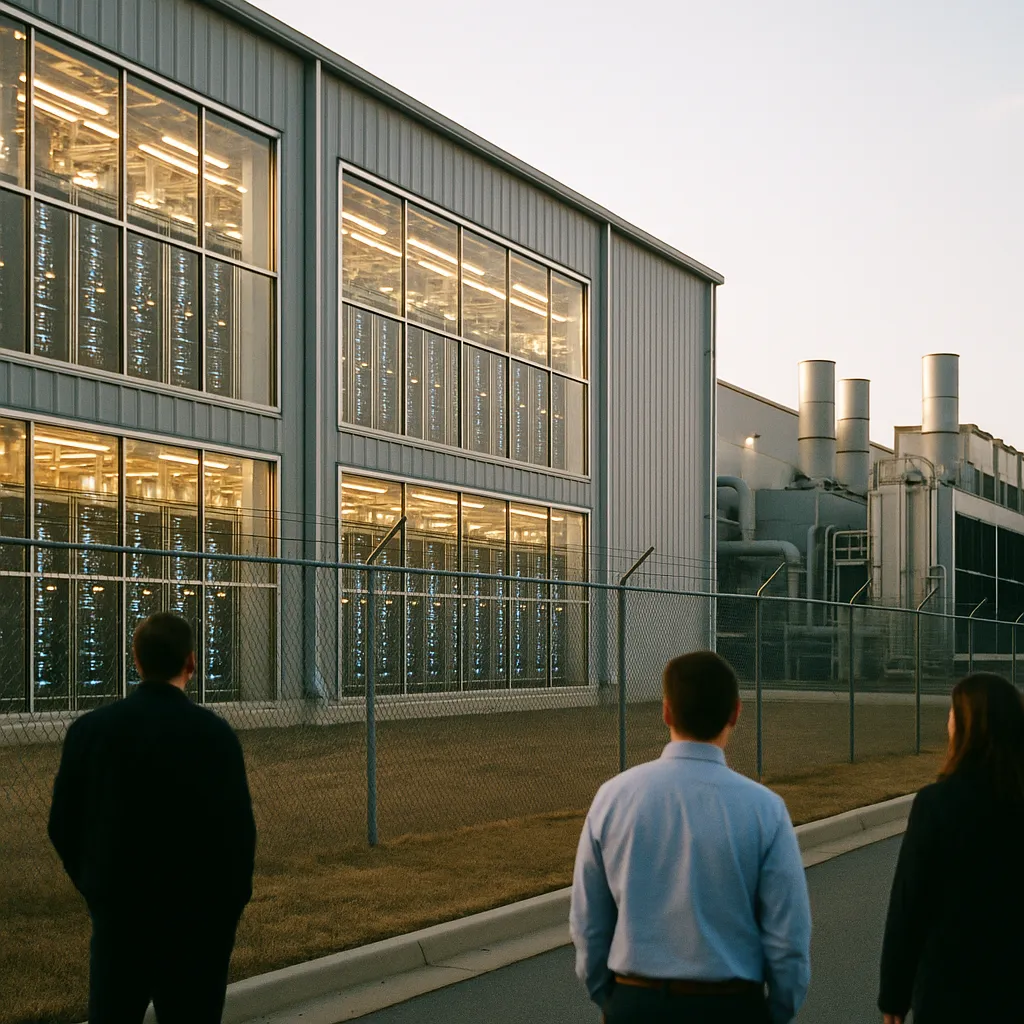
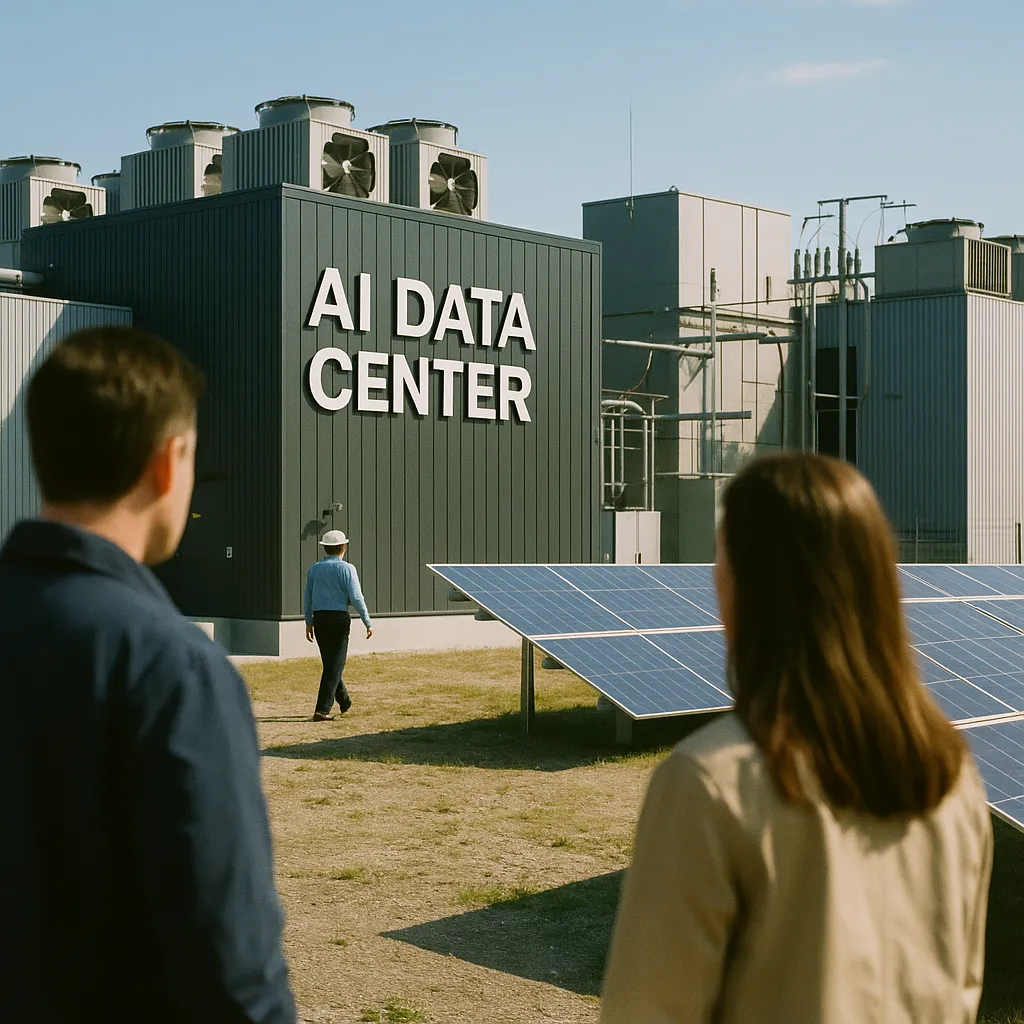
A single large-scale AI data center cluster can consume between 100 MW and 1 GW of power continuously. Microsoft is building or expanding data center capacity across the United States, Europe, and Asia to support its Azure AI services and its deeply integrated relationship with OpenAI. The combined load of that expansion is not a linear addition to prior projections — it is a step function.
Get this in your inbox.
Daily AI intelligence. Free. No spam.
The pace of renewable deployment is not keeping up. Utility-scale solar and wind projects take 3-7 years from contract to generation due to permitting, grid interconnection queues, and construction timelines. Microsoft can sign a renewable contract today; it will not see electrons from that contract for several years. Meanwhile, AI data center demand is scaling in months, not years.
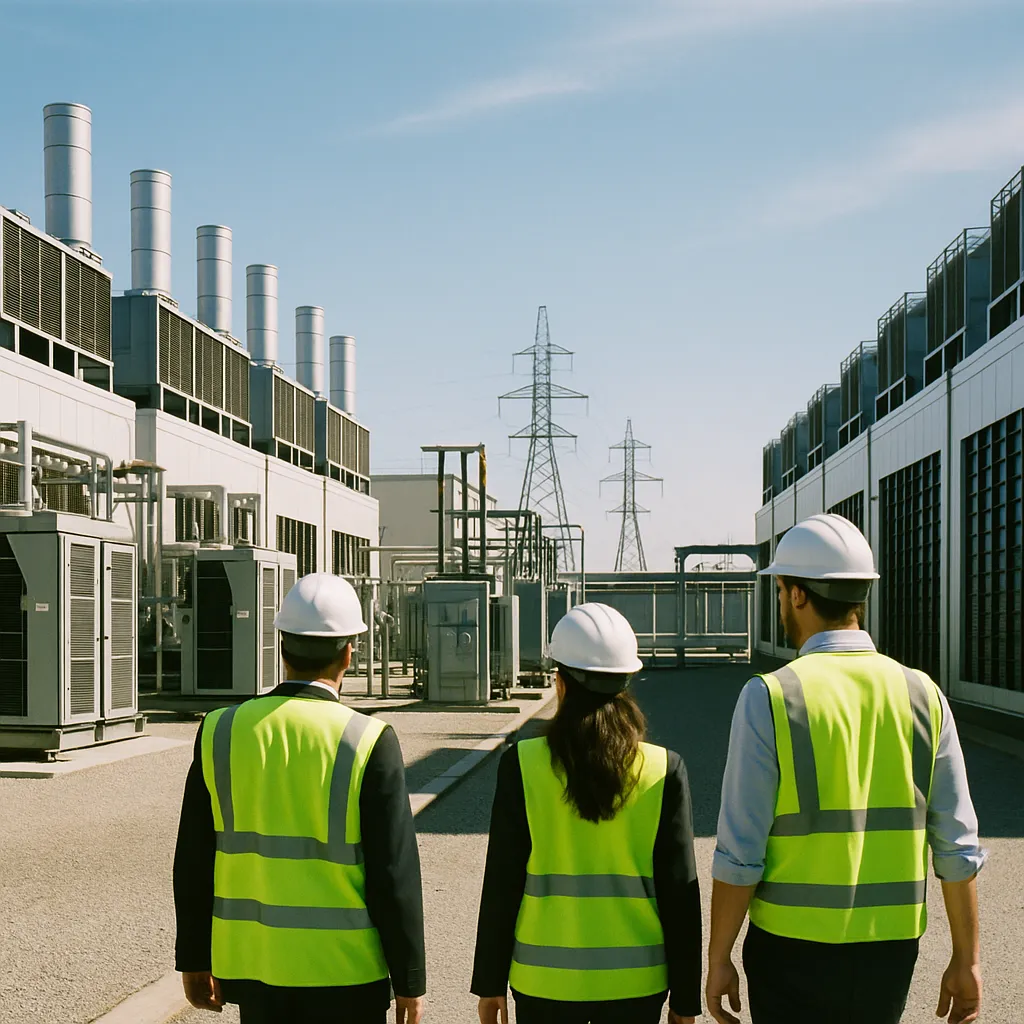
According to Bloomberg's reporting, natural gas is deploying faster at the gigawatt scale the company now requires. Gas turbines and combined-cycle plants can be permitted and constructed faster than equivalent renewable-plus-storage capacity. That speed advantage is driving decisions at hyperscalers that conflict directly with their stated climate commitments.
What Microsoft Has Said Publicly
Microsoft has not officially announced an abandonment of the 2030 goal. The current posture is that the company is evaluating its targets in light of changed circumstances — a phrasing that corporate sustainability observers read as preparation for a formal revision.
The company has previously acknowledged in investor and sustainability disclosures that meeting its 2030 carbon and energy targets depends on the broader grid decarbonizing faster than it currently is — a condition outside Microsoft's direct control. That framing creates deniability without abandoning the aspiration publicly.
Why This Matters Beyond Microsoft
Microsoft is not alone. Amazon, Google, and Meta have all made substantial clean energy commitments in the past five years. All of them are now running data center expansions for AI at scales that were not anticipated when those commitments were made.
The structural problem is that corporate clean energy commitments were calibrated for pre-AI-boom power consumption curves. The commitments made sense as ambitious but achievable when annual power growth at hyperscalers was measured in the 10-15% range. AI training and inference loads are driving growth that some estimates put at 3-5x that rate at the largest facilities.
If Microsoft revises or delays its 2030 target, it will create pressure on other hyperscalers to follow. No major cloud provider wants to be the only company maintaining an hourly-matched carbon-free commitment while competitors quietly step back. The precedent effect matters as much as Microsoft's individual carbon accounting.
For energy utilities and grid operators, the hyperscaler AI buildout has already become a planning variable. The question utilities are now actively modeling is not whether AI data centers will strain grids — they already are — but how many years it will take for renewable development to restore the carbon accounting that corporate pledges assume.
What to Watch
Watch for Microsoft's next sustainability report, expected mid-2026, which will either restate the 2030 target or revise it with new language. Also watch regulatory responses: the EU's Corporate Sustainability Reporting Directive (CSRD) requires large companies to report on climate target progress with third-party verification starting in 2026 — making informal target retreats harder to sustain quietly in European markets.
Sources: Bloomberg via ResultSense
Did this help you understand AI better?
Your feedback helps us write more useful content.
Get tomorrow's AI briefing
Join readers who start their day with NexChron. Free, daily, no spam.