Grid-scale battery storage is filling the gap between AI data centers' round-the-clock power demands and intermittent renewables — reshaping how hyperscalers structure power agreements.
Batteries Are Becoming the Bridge Between AI Data Centers and a Strained Clean Grid
By Hector Herrera | May 25, 2026 | Energy
Grid-scale battery storage is emerging as the critical stopgap between AI data centers' around-the-clock power demands and the intermittent supply of the renewable energy sources utilities are depending on to meet those demands. With new renewable energy connections taking three to five years from permitting to energization, batteries are allowing AI computing facilities to secure capacity during the handful of hours each year when renewable supply falls short — and reshaping how hyperscalers and utilities structure their long-term power agreements.
The shift is practical and immediate. The alternative — waiting for new transmission and generation capacity — is not.
AI training and inference workloads have an unusual power profile. Unlike most commercial facilities, large AI data centers operate at very high capacity factors — often 85-95% utilization around the clock. They cannot tolerate the kind of demand flexibility that industrial facilities use to manage grid costs: you cannot pause a training run when wind generation drops.
Canary Media's analysis of the 2026 grid situation documents the tension plainly: renewable energy is being built faster than at any point in history, but the interconnection queue — the backlog of projects waiting to connect to the grid — now stretches more than three to five years for most markets. Hyperscalers signing power purchase agreements (PPAs) for solar and wind today are buying electricity that will not flow for years.
In the interim, the grid's reliability depends on dispatchable generation — natural gas, hydro, and increasingly, battery storage. For AI data center operators committed to clean energy targets, batteries are filling the gap that cannot be filled by solar panels alone.
How Battery Storage Actually Solves This
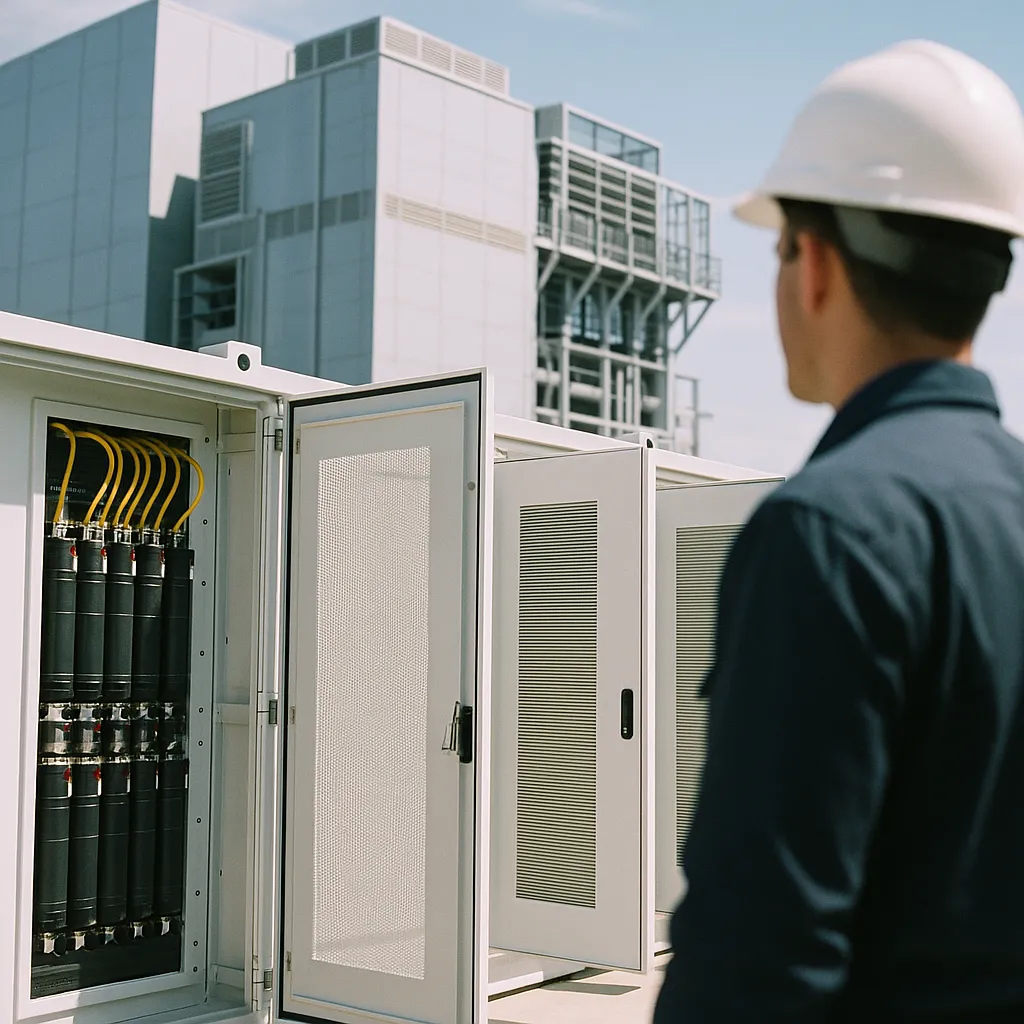
Grid-scale batteries — typically multi-hour lithium iron phosphate (LFP) systems — store excess renewable generation during peak production windows and discharge during the hours when demand exceeds renewable supply. For an AI data center in a solar-heavy region, that means storing midday solar generation and discharging during evening peak hours, achieving what amounts to 24-hour renewable coverage without 24-hour solar generation.
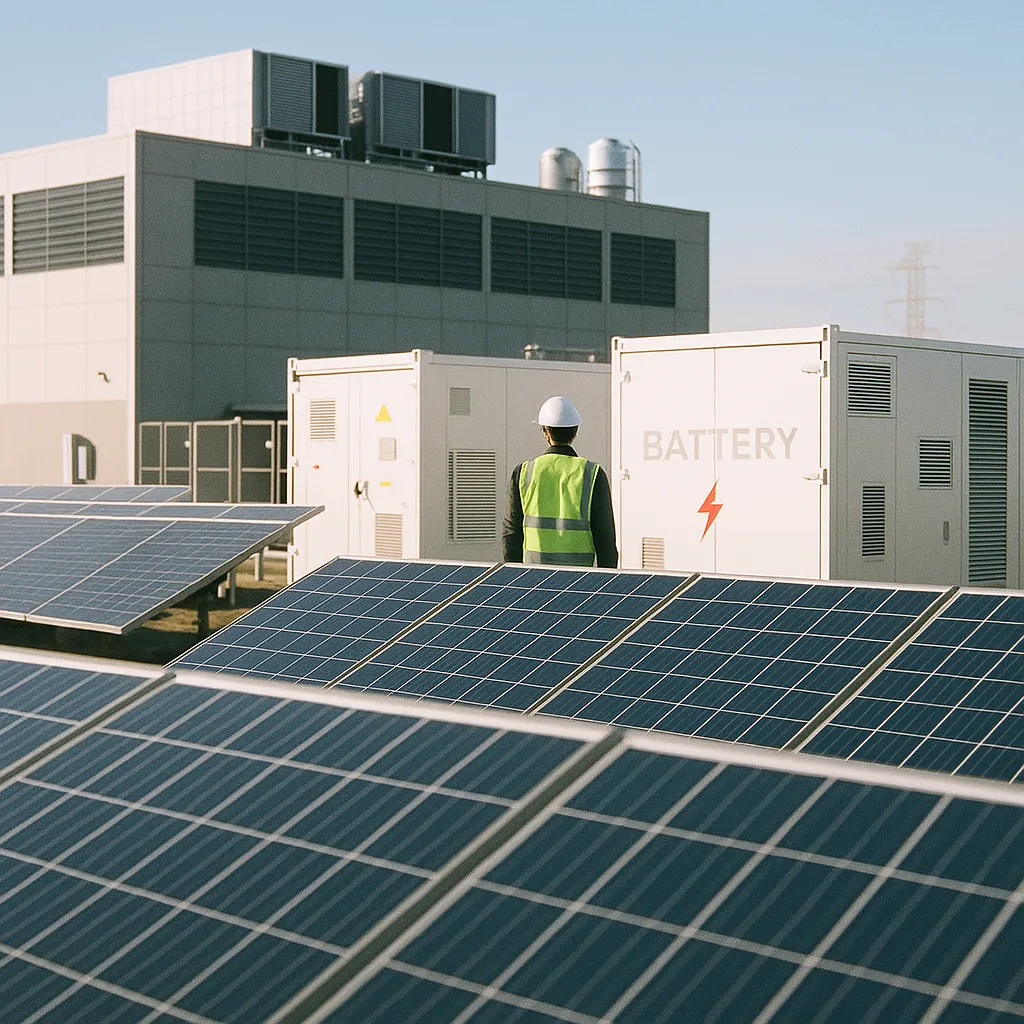
The economics have shifted dramatically. Battery storage costs have fallen roughly 90% over the past decade, and the pace has not stopped. In 2026, co-located battery systems — batteries installed at the same site as a solar or wind project — are now economically viable for data center power purchase agreements at a scale that was not practical two years ago.
Get this in your inbox.
Daily AI intelligence. Free. No spam.
Several specific mechanisms are now common in AI data center energy contracts:
- Collocated battery + renewables PPAs — a single agreement covering both the generation asset and the co-located battery system, providing dispatchable renewable power at a contracted price
- Grid-connected battery capacity reservations — data centers purchasing the right to draw battery-stored power during peak demand hours, without owning the battery system themselves
- Hybrid interconnection agreements — utility agreements that allow a data center to draw from the grid normally most of the time, with battery systems handling the peak hours that would otherwise require natural gas peaker plants
The Site Selection Consequence
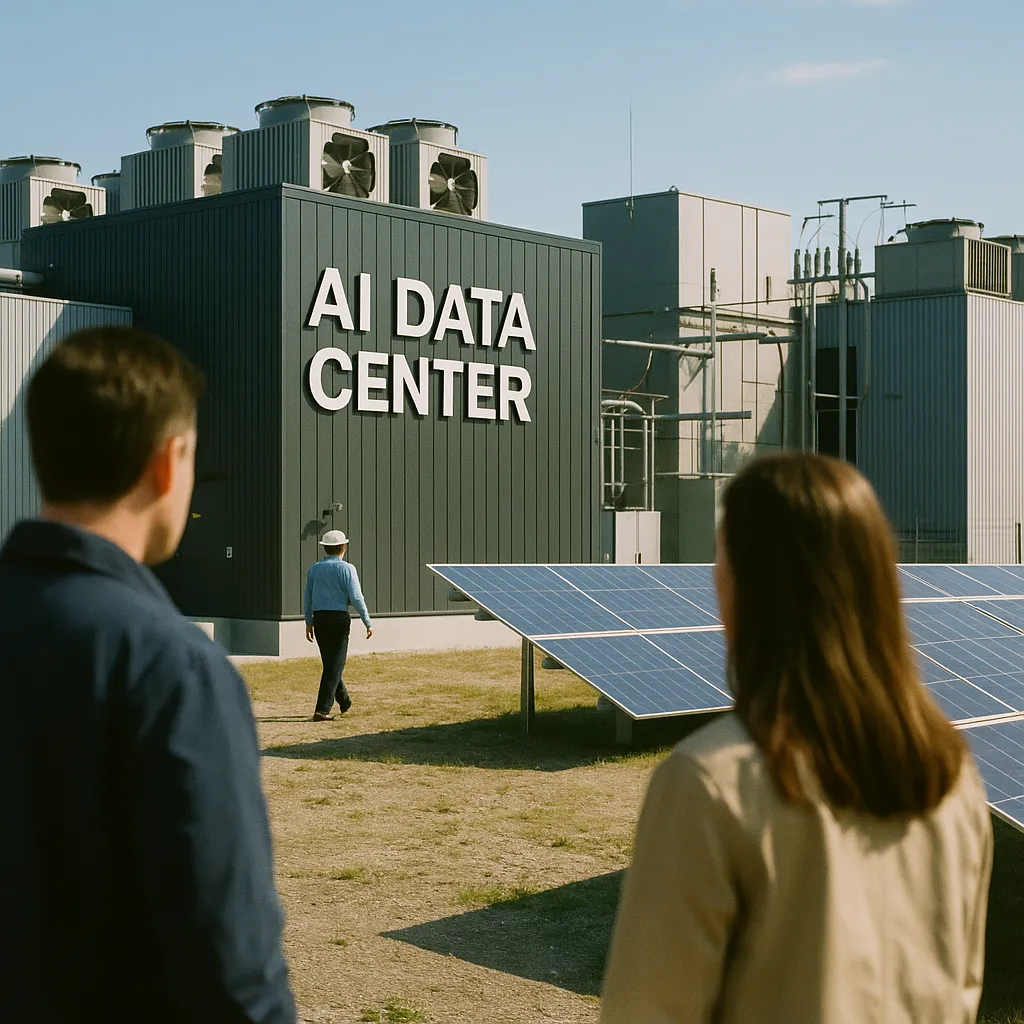
Battery availability is now a factor in AI data center site selection in a way it was not 24 months ago. Markets with mature battery storage infrastructure — Texas ERCOT, California CAISO, and increasingly the Midwest's MISO market — are attracting disproportionate data center investment because the grid can support a clean energy commitment that grid-constrained markets cannot.
This creates a reinforcing cycle: data center investment drives demand for battery storage, battery storage makes the market more attractive for data center investment, which drives further battery procurement. Texas has seen this cycle accelerating since 2025, with battery deployments tied to data center power agreements now representing a material share of the state's grid storage additions.
The flip side: markets with limited battery deployment and constrained renewable interconnection queues — parts of the Southeast, the Mountain West, and most of Latin America's emerging data center markets — face a growing disadvantage in attracting AI infrastructure investment. The gap between energy-ready and energy-constrained markets is widening.
What Hyperscalers Are Actually Signing
Power purchase agreement structures for AI data centers have evolved rapidly. In 2024, a large-scale AI data center PPA was typically a straightforward wind or solar contract with conventional grid backup. In 2026, the deals are more complex:
- Duration has extended. 15-20 year agreements are now common, up from 10-12 years two years ago. Data center operators are locking in battery capacity for longer because battery project pipelines are being claimed quickly.
- Dispatchability is now a core term. "Firm power" clauses — requiring the seller to deliver power reliably regardless of weather conditions — are driving battery inclusion in PPA structures, because pure renewables cannot meet firmness requirements without storage.
- Additionality requirements are tightening. Some hyperscalers, under stakeholder pressure, are requiring that their energy agreements fund genuinely new clean generation rather than purchasing credits from existing renewable capacity. Batteries make additionality commitments more achievable by improving the economics of new renewable projects.
The Climate Math Question
Batteries solve a real operational problem for AI data centers seeking clean power. They do not fully resolve the climate math.
The electricity that charges grid-scale batteries is not always clean. In markets where natural gas or coal still provide meaningful grid capacity, batteries charged during periods of high fossil fuel generation are not — by definition — storing renewable energy. The accounting treatment of battery-stored electricity in corporate clean energy claims is contested and varies by framework.
For organizations tracking Scope 2 emissions (indirect emissions from purchased electricity), the specific matching methodology — hourly, annual, or market-based — determines whether battery-backed AI computing qualifies as "clean." The Science Based Targets initiative (SBTi) and EPA's Green Power Partnership have different standards, and few hyperscalers currently use the strictest hourly matching approach that would give the clearest picture of actual renewable consumption.
The battery storage boom is unambiguously positive for grid reliability and renewable integration. Whether it fully satisfies clean energy commitments depends on the accounting methodology and the grid's actual generation mix during charging hours.
What to Watch
Two near-term signals will define whether battery storage becomes the durable solution or a transitional bridge. First: whether the FERC interconnection reform rules finalized in late 2024 actually accelerate renewable project timelines, which would reduce the gap batteries are currently filling. Second: whether battery supply chains — still partially constrained by lithium and processing capacity — can scale fast enough to meet the volume of projects currently in negotiation. A battery supply squeeze would constrain clean AI data center commitments more than any policy or regulatory factor.
Hector Herrera is the founder of Hex AI Systems and the author of NexChron.
Did this help you understand AI better?
Your feedback helps us write more useful content.
Get tomorrow's AI briefing
Join readers who start their day with NexChron. Free, daily, no spam.