AI Data Center Boom Sparks Industry Fight Over Grid Power vs. Private Energy Islands
Roughly 30% of all planned data center capacity will now be powered by on-site generation rather than the public grid—up from nearly zero a year ago—threatening utility business models and grid modernization investment.
Why this matters
Roughly 30% of all planned data center capacity will now be powered by on-site generation rather than the public grid—up from nearly zero a year ago—threatening utility business models and grid modernization investment.
AI Data Centers Are Splitting the Energy Industry Over Grid vs. Private Power
By Hector Herrera | April 12, 2026 | Energy
About 30% of all planned data center capacity will now be powered by on-site generation rather than the public grid—up from nearly zero a year ago. That number, documented in an Axios investigation, is splitting the energy industry along a fault line with consequences that extend far beyond where hyperscalers buy their electricity.
What Happened
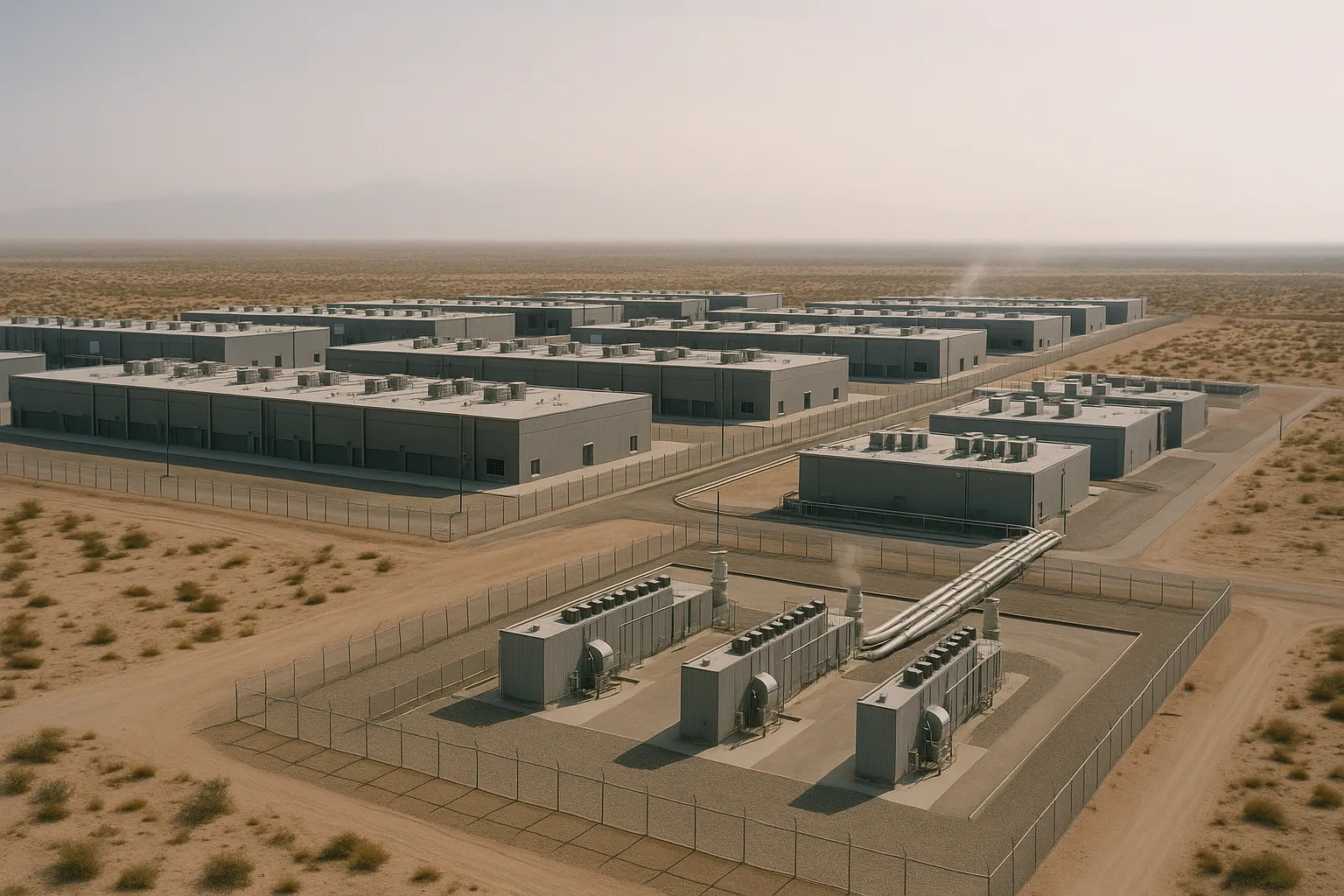
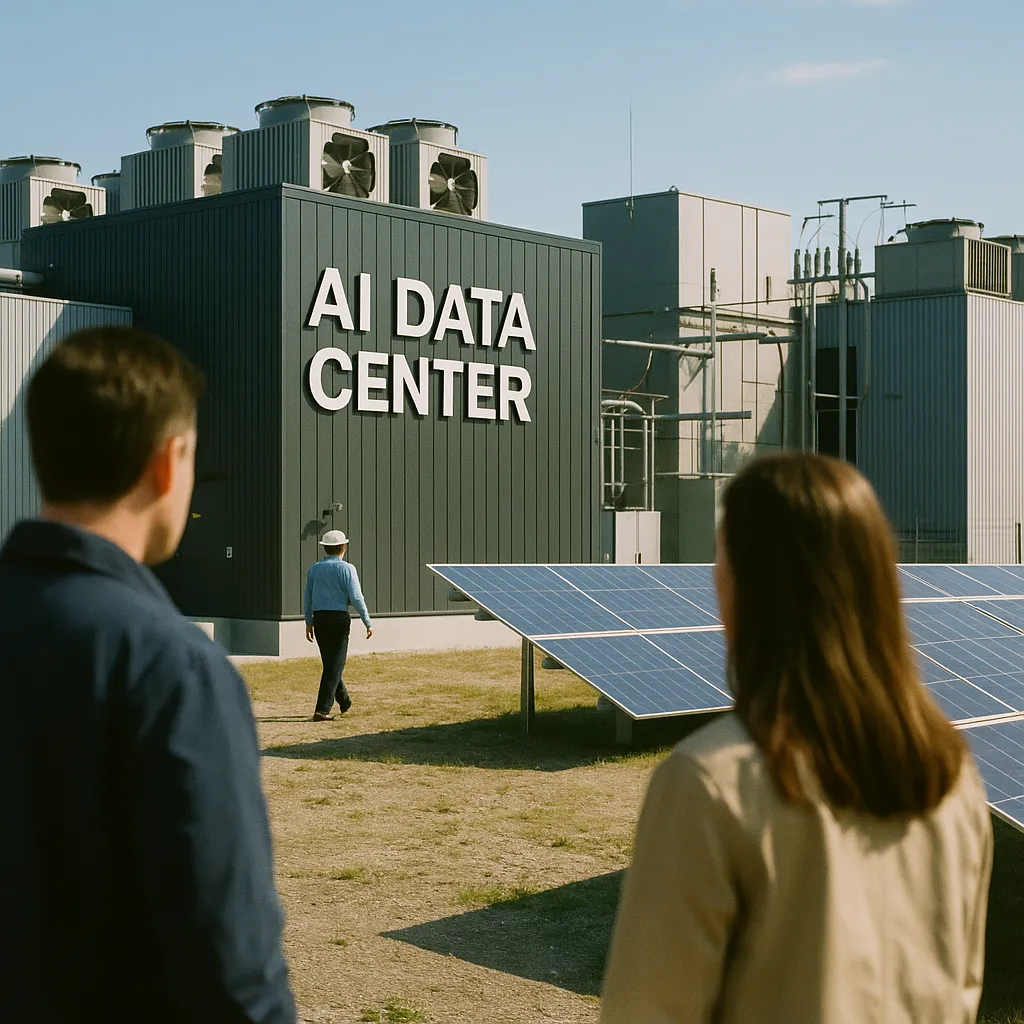
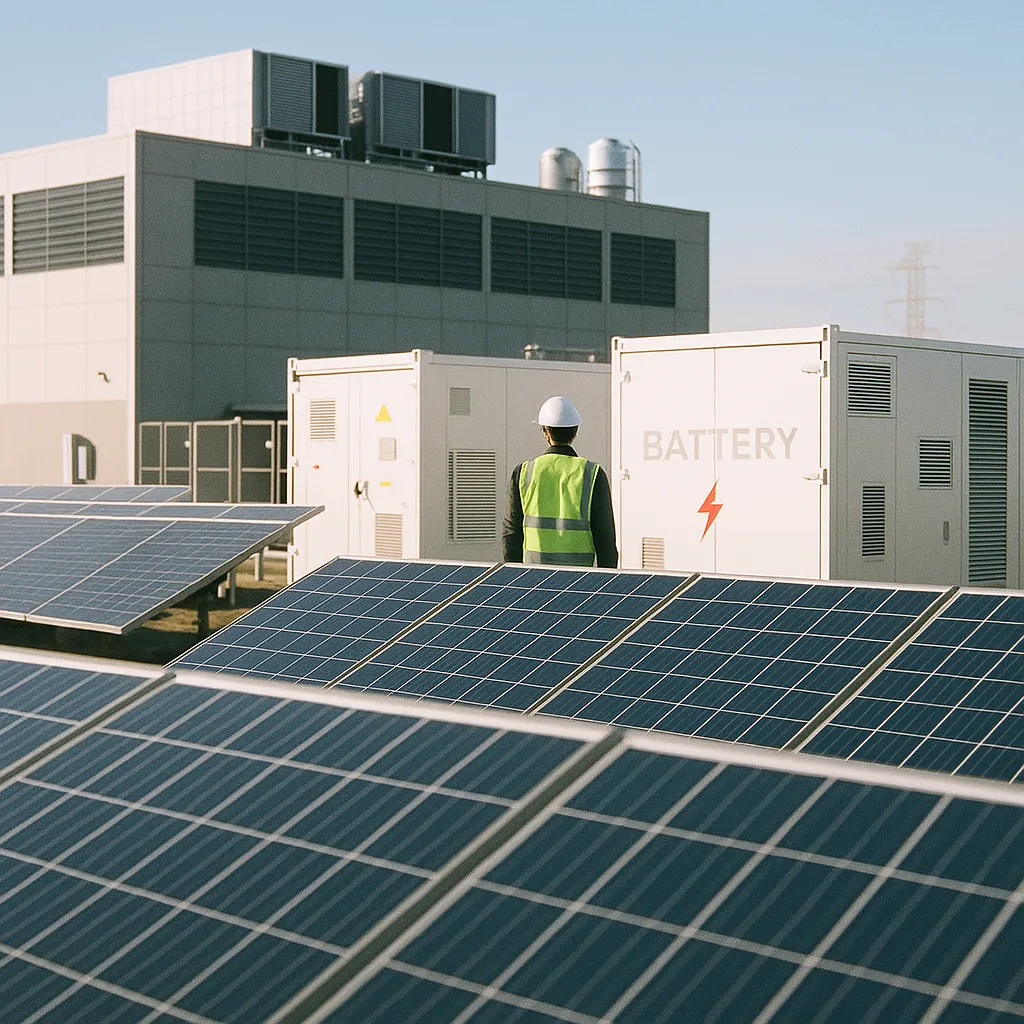
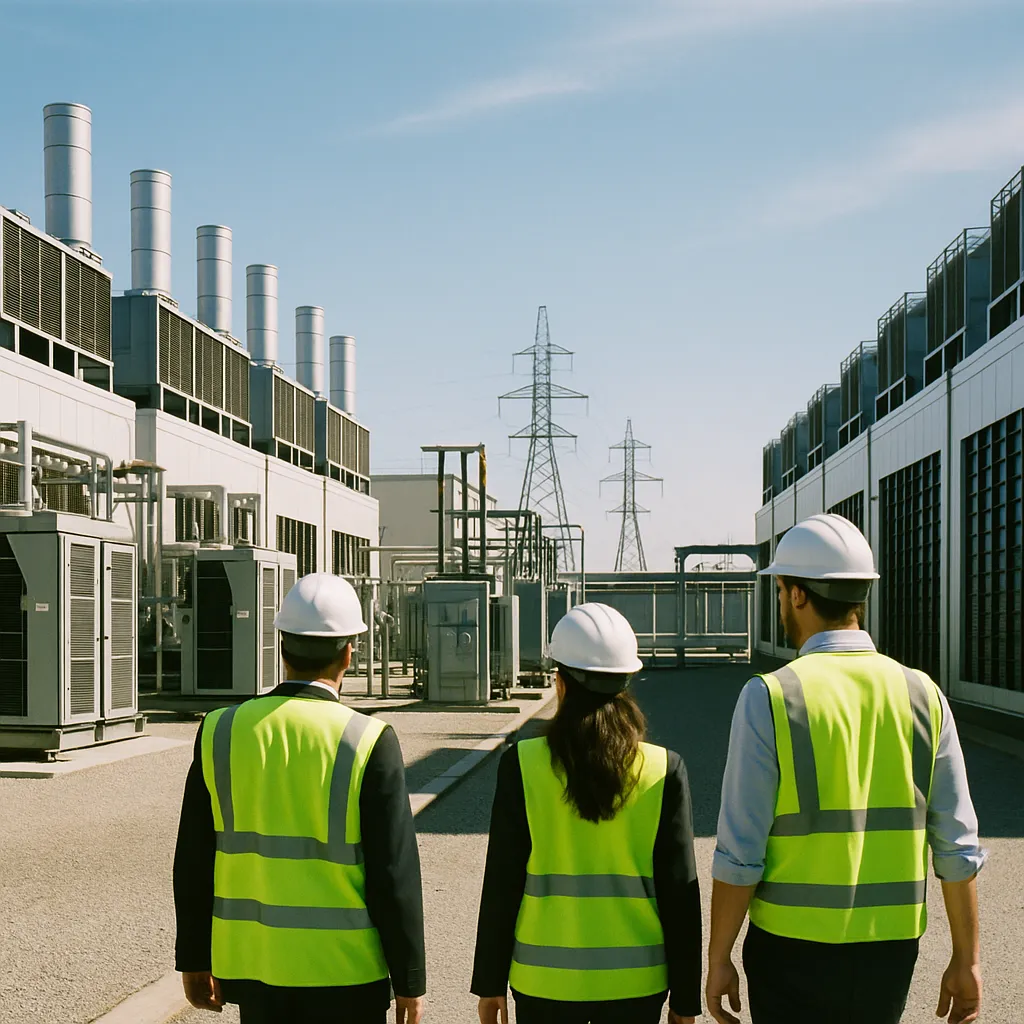
Driven by the voracious power demands of AI training and inference infrastructure, major technology companies and energy firms are moving toward private energy islands—dedicated on-site generation assets built specifically to power individual data center campuses, bypassing the public grid entirely. Chevron is developing dedicated natural gas plants for Microsoft campuses. Other deals of this type are proliferating rapidly.
The share of planned data center capacity going off-grid jumped from near zero to roughly 30% in a single year. That trajectory implies the majority of new AI compute infrastructure could be grid-independent within three to five years if the trend continues.
Context
AI compute is extraordinarily power-hungry. A single large language model training run can consume as much electricity as thousands of U.S. households use in a year. Inference—the ongoing cost of running a deployed model at scale—adds to that continuously. The aggregate power demand from AI data centers is straining grid capacity in the regions where they cluster: Northern Virginia, Phoenix, Dallas, and the Pacific Northwest.
Grid interconnection queues—the waiting list to connect new power generation to the public grid—are measured in years in most U.S. markets. A data center that needs power in 18 months cannot wait five years for grid interconnection approval. Building private generation is faster, even when it's more expensive per kilowatt-hour.
That's the immediate driver. But the shift has longer-term consequences that go beyond data center economics.
The Debate
The energy industry is divided on whether this is a feature or a catastrophe.
Get this in your inbox.
Daily AI intelligence. Free. No spam.
The case for private energy islands: Data centers with dedicated generation don't compete for grid capacity with other users. They don't stress transmission infrastructure. They can be designed around specific power quality requirements (AI chips are sensitive to power fluctuations). Dedicated natural gas generation is more reliable than grid power in many regions, reducing downtime risk.
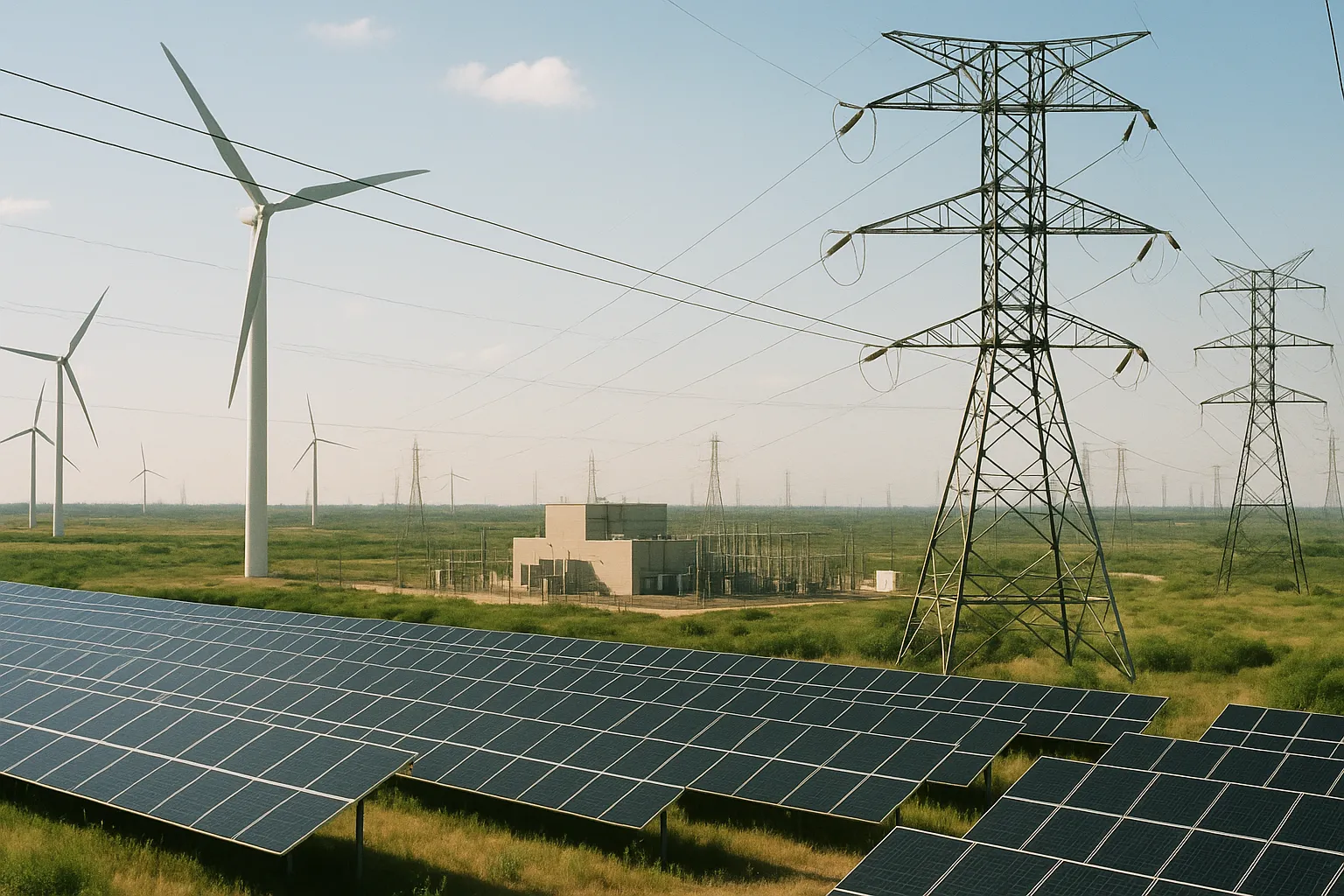
The case against: The public grid is a shared resource that requires a broad customer base to finance the infrastructure upgrades needed for the clean energy transition. When the largest new electricity consumers opt out of the grid, they divert capital that would otherwise support grid modernization—the transmission lines, substations, and storage systems needed to integrate renewable energy at scale. The remaining grid customers effectively subsidize infrastructure while the biggest new load growth bypasses it.
There is also a carbon dimension. Natural gas plants built as dedicated data center power sources are optimized for reliability, not emissions reduction. Locking in fossil fuel generation for AI infrastructure now may extend natural gas's role in the economy at precisely the moment renewable costs are competitive enough to displace it.
Details
Chevron's partnerships with Microsoft represent the clearest public example of the dedicated generation model. Chevron develops the generation asset; Microsoft gets guaranteed power at a negotiated price. Neither party depends on local utility approval, grid interconnection, or regional power market dynamics to execute the deal.
The 30% figure is the share of planned capacity, not deployed capacity. Actual off-grid data center power is lower today but growing rapidly as deals signed in 2025 and early 2026 move toward completion.
Impact
For utilities: The business model assumption that data center growth would be captured as regulated utility revenue is breaking down. Utilities that planned grid infrastructure investments premised on serving hyperscaler data centers are reassessing those plans. This affects rate cases, capital expenditure plans, and bond ratings.
For grid reliability: Paradoxically, taking large loads off the grid can improve reliability for remaining customers in the short term—by reducing congestion. The long-term concern is capital: if transmission and distribution investment shrinks because large customers opted out, the grid serving homes, businesses, and smaller commercial customers may deteriorate.
For clean energy: Renewable developers who expected to sell power to data centers via power purchase agreements are losing prospective customers to on-site fossil fuel generation. That reduces demand for the PPAs that finance new wind and solar projects.
For policy: The decision to go grid-independent or grid-connected is currently driven entirely by economics and permitting timelines. No federal or state policy framework governs whether AI data centers must connect to the grid, or at what standards. That regulatory vacuum is unlikely to persist once the scale of the shift becomes clear.
What to Watch
Federal energy regulators—specifically FERC, which oversees wholesale power markets—have not addressed off-grid data center generation directly. State utility commissions in Virginia, Arizona, and Texas are beginning to ask questions. Watch for proceedings that would require large private generators to contribute to grid infrastructure costs, similar to how large industrial customers can be required to pay grid connection fees even when they generate their own power.
The Microsoft-Chevron model will proliferate unless the economics change or regulation intervenes. Regulators who want to prevent the balkanization of U.S. electricity infrastructure have a narrowing window to act.
Hector Herrera covers energy and AI infrastructure for NexChron.
Hector Herrera is an AI systems architect and the founder of Hex AI Systems. He designs and runs AI systems in production and writes daily about how AI is reshaping business, government and everyday life. 20+ years building for the web. Houston, TX.