Data centers are projected to account for 55% of all US electricity demand growth over five years — and AI is the primary driver. A Carbon Direct analysis finds corporate climate commitments are structurally lagging behind AI's energy footprint.
AI's Soaring Power Appetite Is Quietly Undermining Corporate Climate Pledges
By Hector Herrera | April 30, 2026 | NexChron.com
AI's energy consumption is growing faster than most corporate climate disclosure frameworks can measure — and a new Carbon Direct analysis finds the collision course with net-zero commitments is real, growing, and largely invisible to the sustainability auditors tasked with holding companies accountable. Data centers are now projected to account for 55% of all US electricity demand growth over the next five years, and AI is the primary driver.
The gap between what companies are promising and what their AI infrastructure is consuming is not a rounding error. It is a structural problem.
The Scale of the Problem
Understanding the issue requires connecting two things the tech industry has been careful not to connect: AI compute demand and climate commitments.
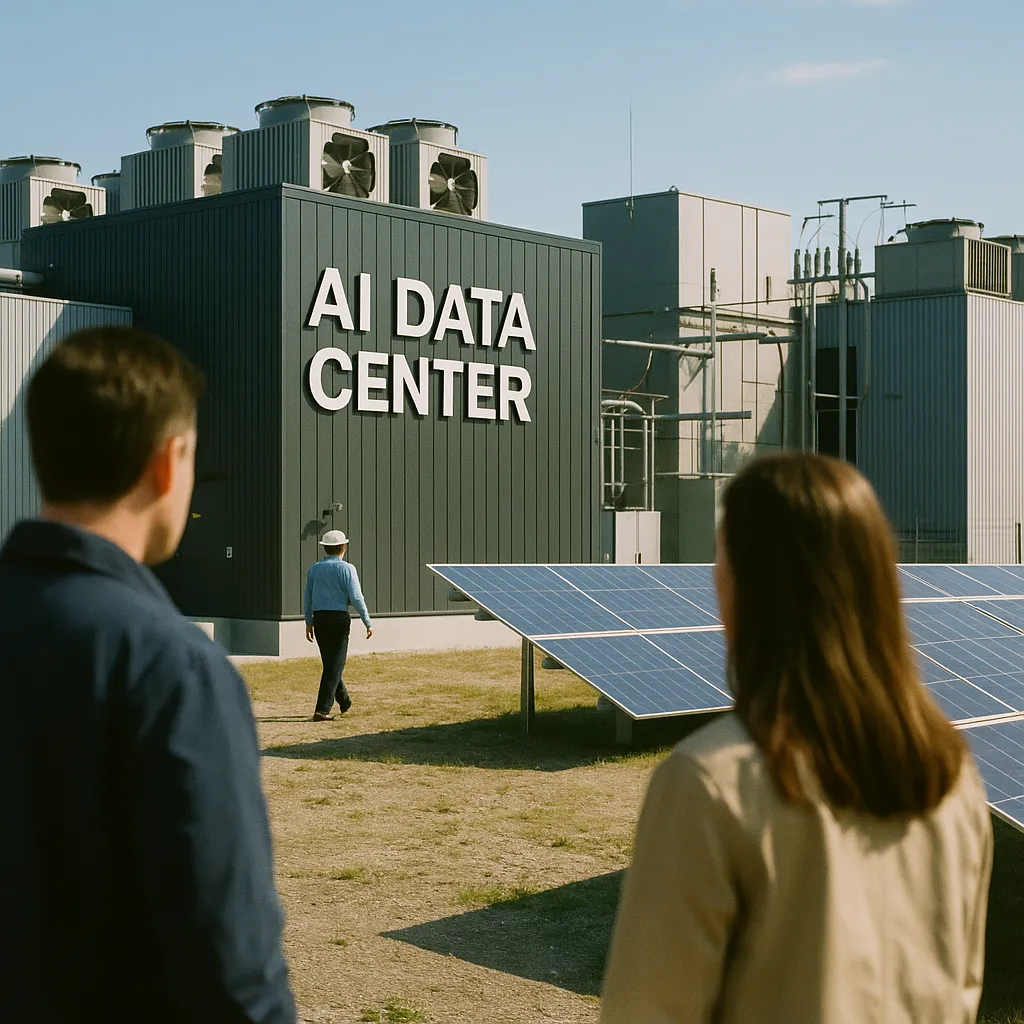
On the demand side: Training a large language model consumes electricity in quantities that rival small cities. Running that model at inference scale — responding to millions of queries daily — consumes more. The current buildout of AI data center capacity across the US, Europe, and Asia-Pacific represents the largest single addition to electricity demand in decades.
On the disclosure side: Most corporate Environmental, Social, and Governance (ESG) reporting frameworks — including GRI, SASB, and the SEC's climate disclosure rules — do not require AI-specific energy footprint reporting. Companies disclose total data center energy consumption, but they are not required to break out what fraction of that consumption is attributable to AI workloads versus traditional computing. That makes it nearly impossible for sustainability auditors, investors, or the public to assess how AI growth is affecting a company's actual emissions trajectory.
Carbon Direct's 2026 analysis finds this combination — explosive demand growth plus invisible disclosure — is creating a de facto gap between stated net-zero commitments and operational reality.
What the Numbers Say
The Carbon Direct report's headline finding: data centers are projected to account for 55% of all incremental US electricity demand growth over the next five years. That's not 55% of data center emissions — it's 55% of the entire additional electricity the US will consume.
Get this in your inbox.
Daily AI intelligence. Free. No spam.
For context: US electricity demand has been relatively flat for two decades as efficiency gains in appliances, lighting, and industrial equipment offset population growth. AI infrastructure is snapping that trend.
The report's additional findings:
- Most hyperscalers have signed renewable energy purchase agreements (PPAs), but the volume of those agreements is not keeping pace with the growth in AI power demand
- Carbon accounting for AI often relies on contractual instruments (Renewable Energy Certificates, RECs) rather than direct renewable power delivery — a practice that looks clean on paper but doesn't guarantee the grid electrons powering AI servers are actually green
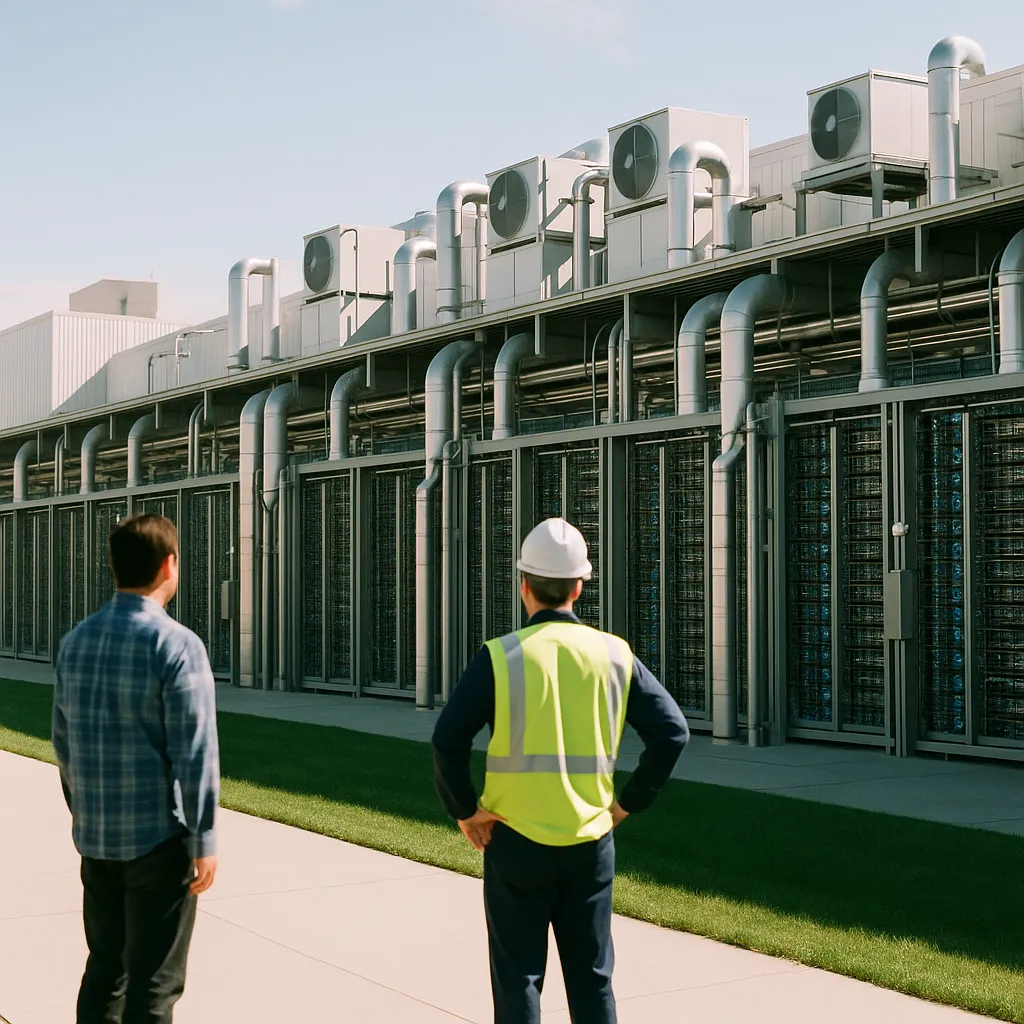
- Cooling systems for AI data centers — which generate significantly more heat per server than traditional computing — are adding additional energy load that wasn't modeled in most corporate climate plans written before 2023
The Disclosure Gap Is the Core Problem
If you can't measure it, you can't manage it. And right now, the framework for measuring AI's specific climate impact doesn't exist in any mandatory form.
This isn't an accident. The SEC's climate disclosure rules, finalized in 2024 and currently in litigation, require disclosure of Scope 1 and Scope 2 emissions but give companies flexibility in how they categorize and report emissions sources. AI workloads can be bundled into general data center operations, making AI's contribution to a company's emissions invisible without voluntary additional disclosure.
The Carbon Direct report recommends:
- AI-specific energy accounting standards developed through bodies like the GHG Protocol or ISO
- Direct clean energy procurement matching — tying specific renewable generation to specific AI compute loads, not relying on unbundled RECs
- Energy efficiency mandates for AI systems — similar to how appliance efficiency standards reduced electricity demand from refrigerators and air conditioners, efficiency requirements for AI inference hardware could slow the growth rate of AI energy demand without requiring a halt to AI development
What This Means for Corporate Climate Commitments
Every major technology company — Microsoft, Google, Amazon, Meta — has announced net-zero or carbon-negative commitments. Those commitments were made with AI energy demand projections that, in retrospect, significantly underestimated growth.
Microsoft acknowledged in its 2024 sustainability report that its emissions increased year-over-year, attributing the rise in part to data center construction and energy demand. Google's 2024 environmental report showed similar trends. Neither company has revised its net-zero target date; both have argued that renewable energy procurement will ultimately cover the growth.
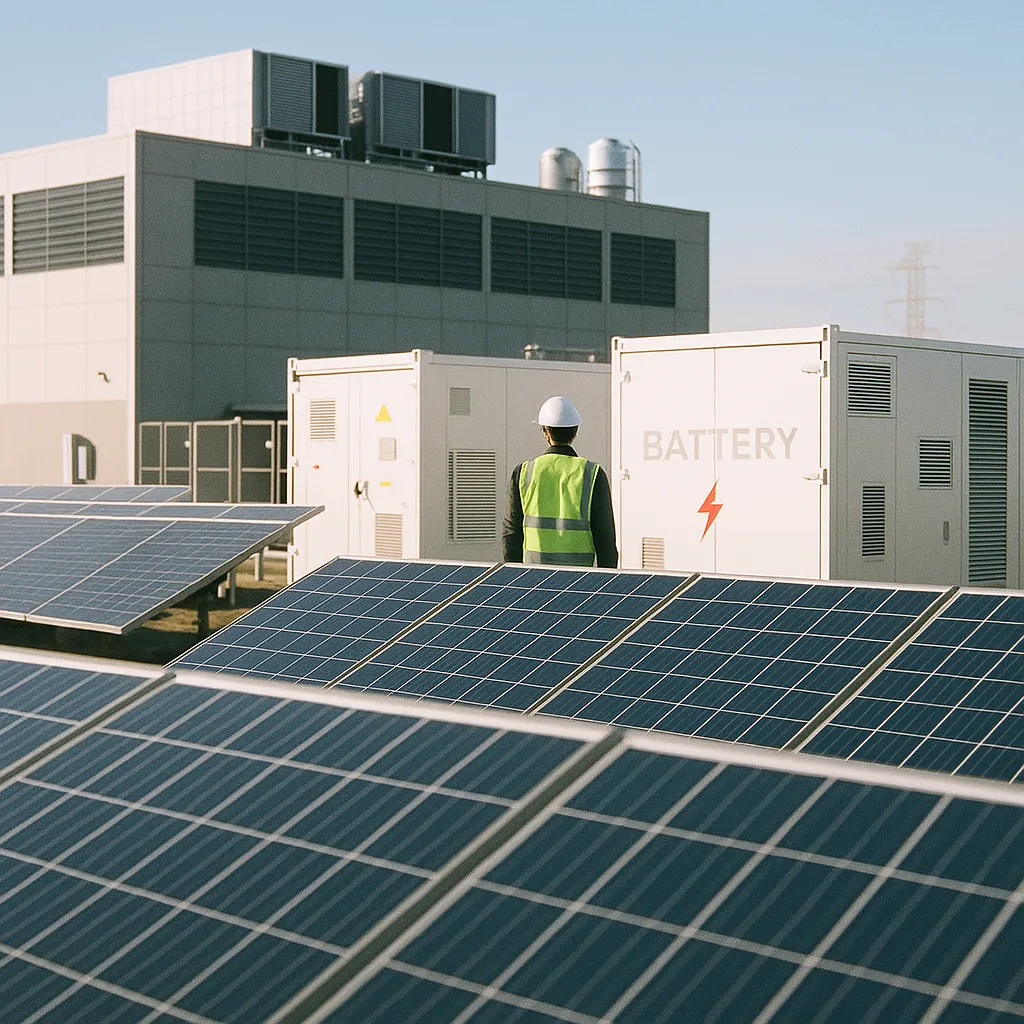
Carbon Direct's analysis suggests that the renewable energy procurement math is getting harder, not easier. The power purchase agreement market for large-scale solar and wind is increasingly competitive, with AI hyperscalers competing against utilities, industrial manufacturers, and government contracts for the same finite supply of contracted renewable capacity.
The 2°C pathway reference in Carbon Direct's report is specific: without structural changes to how AI energy demand is managed, the renewable energy market pressure from AI infrastructure alone is sufficient to push grid decarbonization timelines back toward the 2°C warming scenario rather than the 1.5°C scenario that most corporate climate commitments implicitly assume.
What to Watch
Voluntary disclosure is already moving. Google and Microsoft are both publishing more granular data center energy reports than they were two years ago. The question is whether voluntary disclosure evolves quickly enough, or whether regulators — particularly in the EU, where the Corporate Sustainability Reporting Directive is now in force — step in with mandatory AI energy reporting requirements.
Also watch Q2 2026 earnings calls for hyperscalers. Investor questions about the energy cost of AI growth and its relationship to ESG commitments are becoming more specific. How those companies answer will signal whether AI energy accountability is moving from sustainability reports to income statements.
Sources: Carbon Direct
Did this help you understand AI better?
Your feedback helps us write more useful content.
Get tomorrow's AI briefing
Join readers who start their day with NexChron. Free, daily, no spam.