Waabi began live commercial autonomous trucking with Warrior Logistics across a 200-plus truck Texas fleet — one of the largest AV freight deployments yet — the same week a second commercial launch with Volvo Autonomous Solutions was confirmed.
Waabi and Warrior Logistics Launch Commercial Autonomous Freight Operations in Texas
By Hector Herrera | October 26, 2026
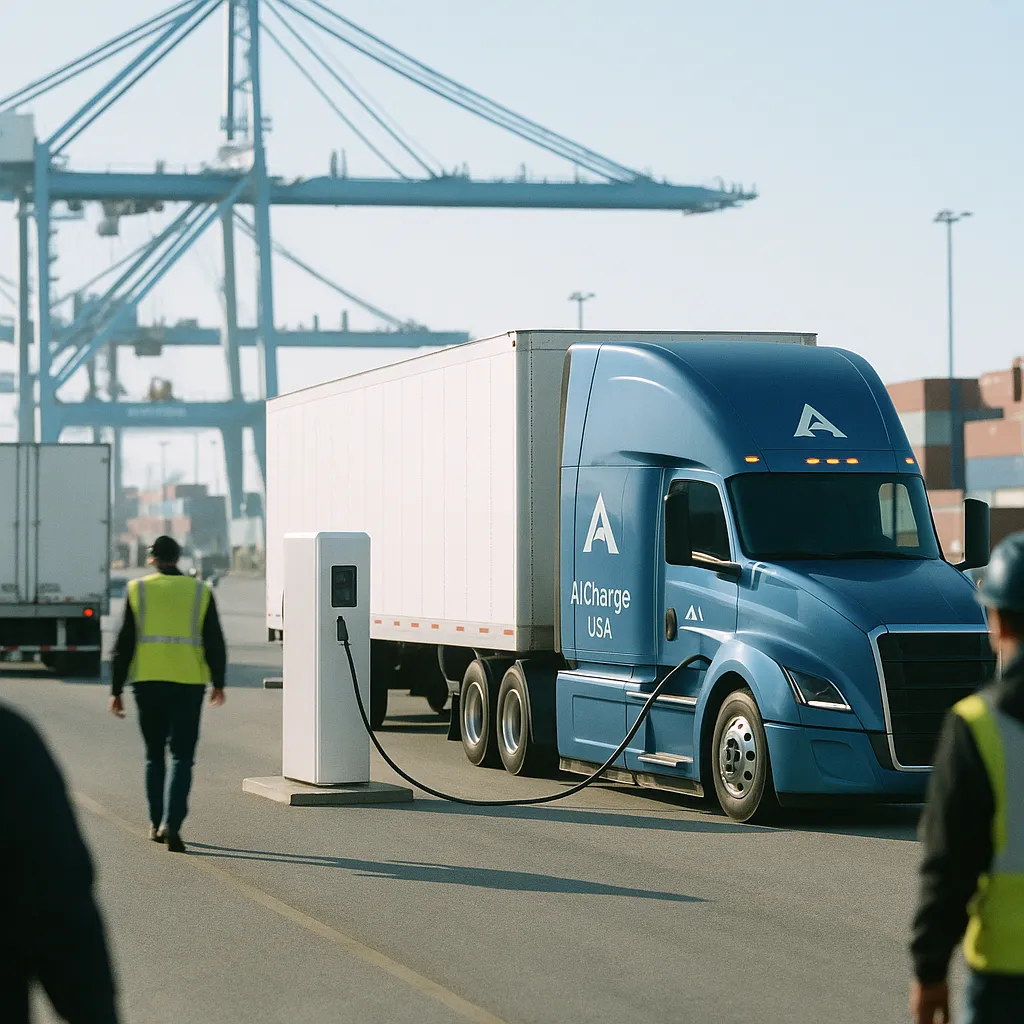
Autonomous trucking company Waabi began live customer freight operations in Texas this week with logistics provider Warrior Logistics, moving food, beverages, and consumer goods across a fleet of more than 200 trucks. A second separate commercial launch — Waabi with Volvo Autonomous Solutions for logistics platform Warp — was confirmed the same week. Together, the announcements mark one of the most consequential weeks in commercial autonomous trucking since the technology moved out of controlled pilots.
The shift that matters: "Commercial operations" means customers are paying for freight moved by autonomous trucks. This is different from a demo or a pilot — the trucks are in revenue service, carrying real goods to real destinations on live schedules. At 200-plus trucks, Warrior Logistics gives Waabi immediate commercial scale that other AV freight deployments have not yet reached.
The Details
According to FreightWaves, Waabi's commercial operations with Warrior Logistics cover food, beverage, and consumer goods freight across Warrior's Texas network. Warrior operates more than 200 trucks, giving this deployment an immediate fleet footprint that exceeds earlier commercial AV launches.
The concurrent Volvo Autonomous Solutions and Waabi deployment — using the Warp logistics platform — adds a second commercial customer on a separate tech stack partnership in the same Texas market.
Key specifics:
Get this in your inbox.
Daily AI intelligence. Free. No spam.
- Cargo types: Food, beverages, consumer goods
- Fleet size: 200+ trucks (Warrior Logistics fleet)
- Geography: Texas (favorable AV operating framework; long-haul interstate corridors)
- Second deployment: Volvo Autonomous Solutions + Waabi + Warp platform, same week
- Operator model: Autonomous long-haul with wayside support
Texas is not an accidental choice. The state has established one of the more permissive regulatory environments for autonomous vehicles in the US, with clear rules for driverless commercial operations that other states have not yet codified.
Why This Moment Is Different From Prior Milestones
The autonomous trucking industry has produced a long sequence of announcements — investment rounds, route expansions, pilot launches — without a clear commercial break-even moment. The gap between "we completed a driverless demo run" and "we are billing customers for freight we moved autonomously" is substantial, and the industry has lingered in the gap longer than early projections suggested.
Two deployments from the same company in the same week, one with a 200-truck fleet partner, represents a different category of milestone. Waabi is not announcing a new pilot; it is announcing that the pilot phase is over.
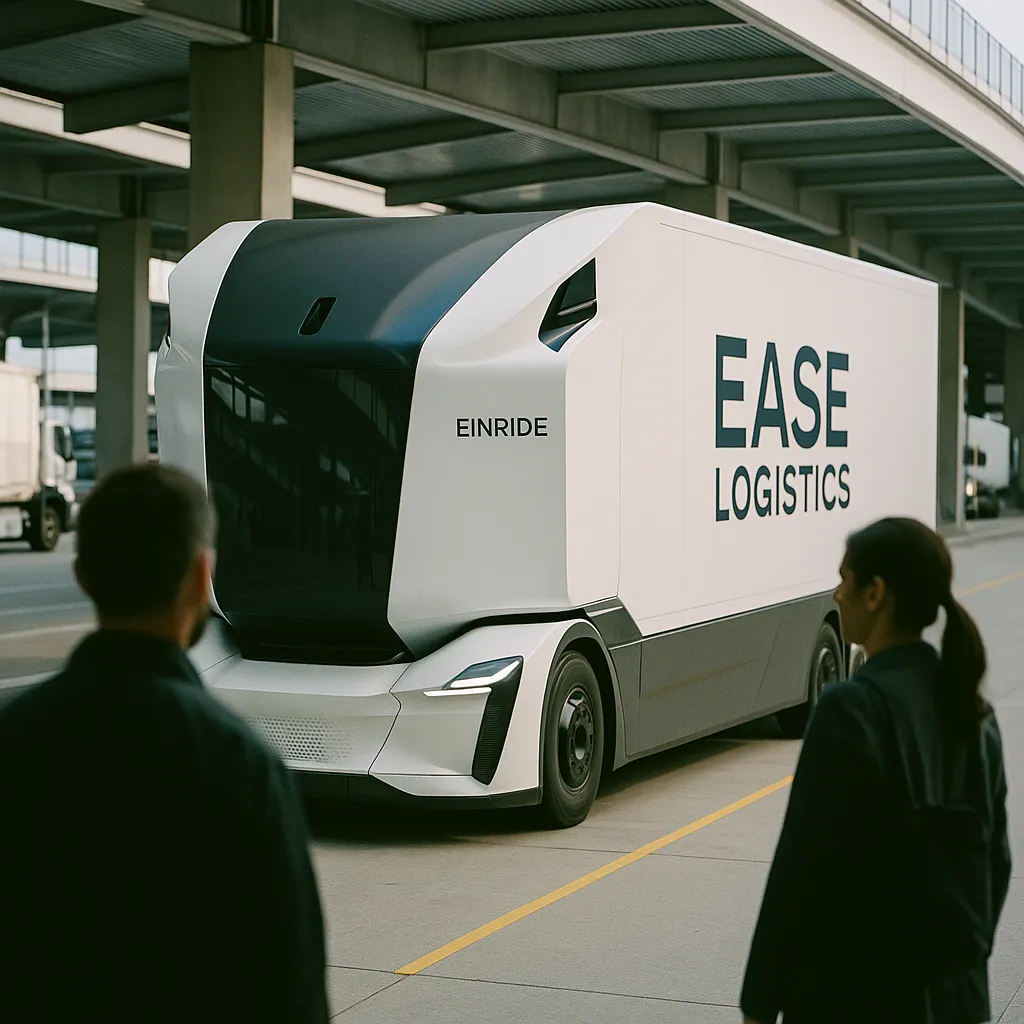
For context: Kodiak Robotics launched commercial autonomous freight operations on the Dallas-to-Laredo corridor in October 2026. Einride's EASE Level 4 began commercial autonomous operations in Ohio the same month. The commercial AV freight cluster forming in Q4 2026 suggests the industry has reached a coordination point where the technology, regulation, and customer appetite for autonomous freight have aligned simultaneously.
What It Means for the Industry
For traditional carriers: Texas lanes now have autonomous competition in long-haul. Pricing pressure will be modest at first — the total AV fleet is still small relative to the millions of trucks on US roads — but the trajectory matters. Carriers operating in AV-dense corridors will face rate questions from shippers within 12–18 months.
For insurance and liability: Commercial AV freight at scale produces the real-world incident data that actuaries need. Expect the insurance market for AV freight to clarify quickly now that trucks are in revenue service rather than controlled tests.
For the logistics workforce: Autonomous long-haul concentrates job risk on the specific role of over-the-road truck driver for long-distance routes, while leaving short-haul, last-mile, and terminal work largely unaffected for now. The policy debate that follows will need that distinction.
For shippers: Early adopters get access to consistent schedules, reduced human-error incidents, and potentially lower per-mile rates as AV operators compete for volume. The tradeoff is contract structure — AV operators will want longer commitments.
What to Watch
The Federal Motor Carrier Safety Administration (FMCSA) has not yet issued commercial-scale AV freight operating guidance, and these launches will accelerate pressure on the agency to do so. Watch for FMCSA rulemaking activity in Q1 2027. Also worth watching: Waabi's next geographic expansion beyond Texas, and whether insurance rates for AV freight contracts break meaningfully below conventional carrier rates by mid-2027.
Did this help you understand AI better?
Your feedback helps us write more useful content.
Get tomorrow's AI briefing
Join readers who start their day with NexChron. Free, daily, no spam.