Waymo closed a $5 billion private debt deal — its first-ever loan financing — with Pimco, Blackstone, and Sixth Street Partners to fund global expansion as it targets one million weekly rides.
Waymo has closed a $5 billion private debt deal — its first-ever loan financing — with major institutional lenders including Pimco, Blackstone, and Sixth Street Partners, Bloomberg reported on October 6. The deal, arranged by Goldman Sachs and upsized from an initial $3 billion target, signals that Waymo is shifting from equity-dependent startup to a company with enough operating scale to attract debt capital — a meaningful maturation moment for the autonomous vehicle industry.
From Equity to Debt: What Changed
Waymo has operated for more than a decade as a subsidiary of Alphabet, funded almost entirely through equity rounds from Alphabet and outside investors including Andreessen Horowitz, AutoNation, and the Canada Pension Plan Investment Board. Debt markets — which require predictable cash flows and collateral — have been largely inaccessible to autonomous vehicle companies because the revenue base was too speculative.
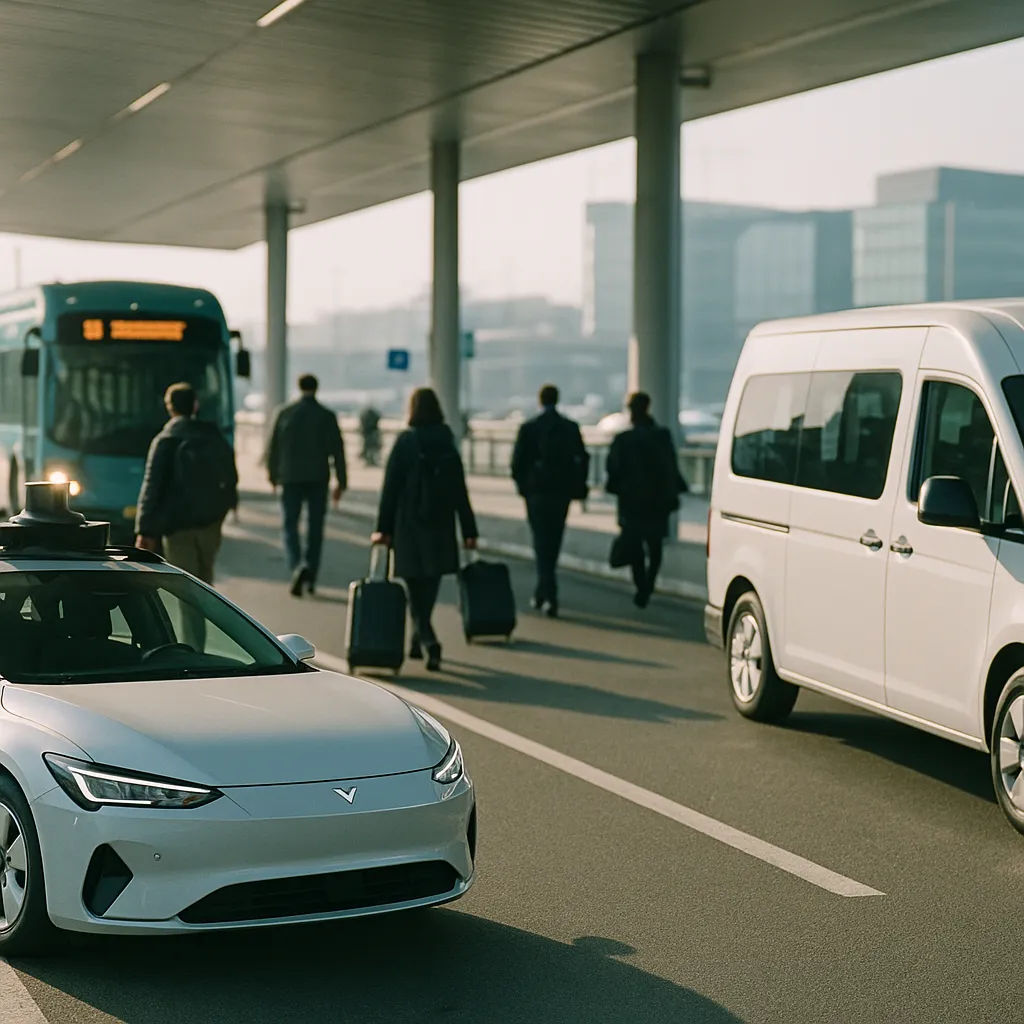
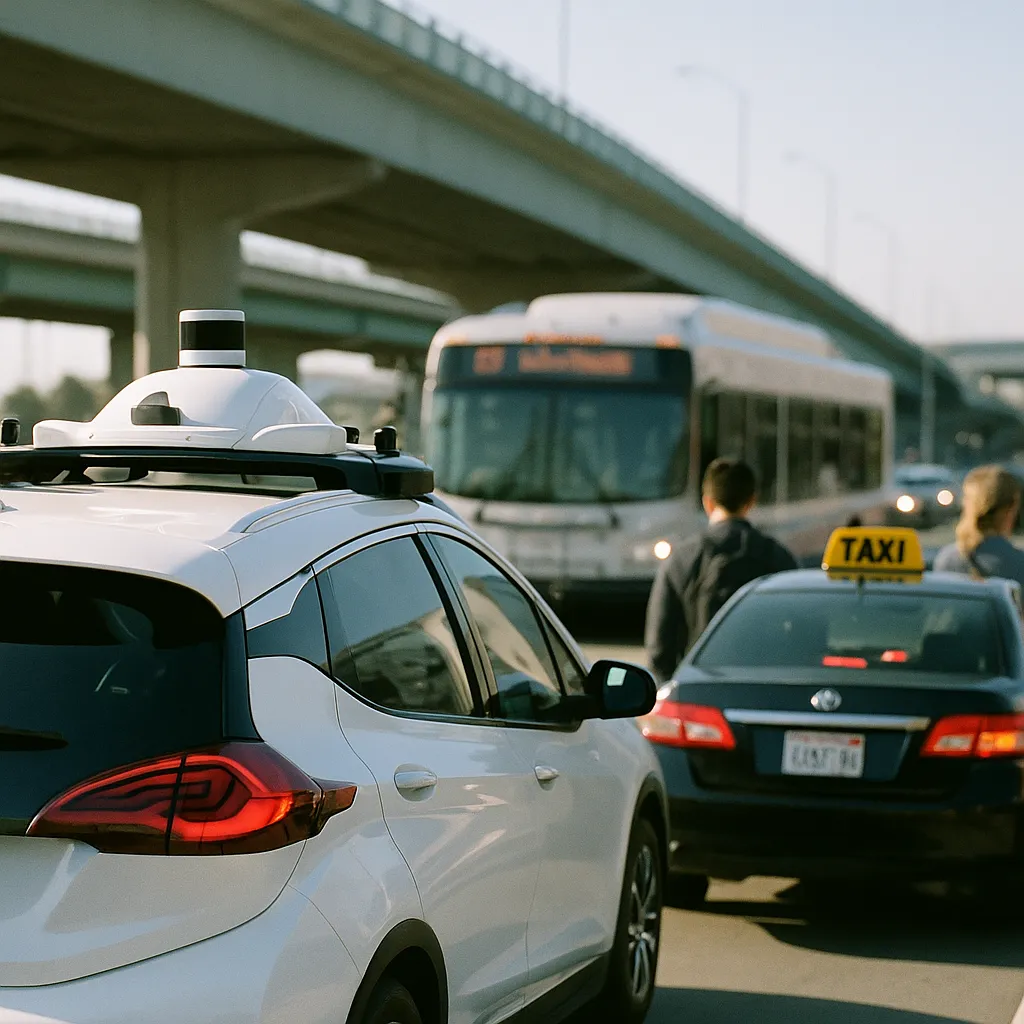
That has changed. Waymo now operates paid robotaxi service in San Francisco, Los Angeles, Phoenix, and Austin, and the company is targeting one million paid weekly rides by the end of 2026. At that volume, lenders can model the business the way they model a transportation network, not a research program.
The Deal's Terms
According to Bloomberg's reporting:
Get this in your inbox.
Daily AI intelligence. Free. No spam.
- Total facility: $5 billion (upsized from a $3 billion target)
- Lead arranger: Goldman Sachs
- Key lenders: Pimco, Blackstone, Sixth Street Partners
- Pricing: 5.25 percentage points over the benchmark rate (SOFR)
- Type: Private credit — not a public bond offering or bank syndication
- Use of proceeds: Global expansion
- Disclosed terms: No maturity date or covenant details were made public
The 5.25-point spread over benchmark is consistent with private credit pricing for high-growth, cash-intensive businesses — above investment-grade rates, but well below distressed territory. It reflects lenders' view that Waymo's trajectory is credible but not yet proven at scale.
Why This Matters for Autonomous Vehicles
The AV industry has been here before. Uber ATG, Aurora, Argo AI — companies that once appeared close to commercialization — either shut down or were absorbed. The common thread was capital structure: all-equity models that required constant fundraising against milestones that kept moving.
Debt changes the calculus. Waymo now has:
- Five years of committed capital (private credit deals typically run 4-6 years) without shareholder dilution
- Flexibility to expand internationally — the company has been publicly exploring markets in Tokyo and Dubai
- A template that other AV operators will try to replicate as their own ride volumes grow
For Waymo's competitors — Zoox (Amazon-owned), Cruise (GM-owned), and Baidu's Apollo Go in China — the deal sets a benchmark. If Waymo can access $5 billion in debt at these terms, the question for every AV program becomes: when do we hit that threshold?
What to Watch
The one-million-weekly-rides target is the near-term milestone. Waymo has not publicly disclosed current weekly ride volumes, though San Francisco and Los Angeles have both seen significant wait-time reductions this year — a proxy for fleet density. Watch for Waymo's next operational update, and for Alphabet's Q4 2026 earnings in late January 2027, which will likely include more granular metrics now that institutional debt holders have a stake in transparency.
Sources: Bloomberg
Did this help you understand AI better?
Your feedback helps us write more useful content.
Get tomorrow's AI briefing
Join readers who start their day with NexChron. Free, daily, no spam.