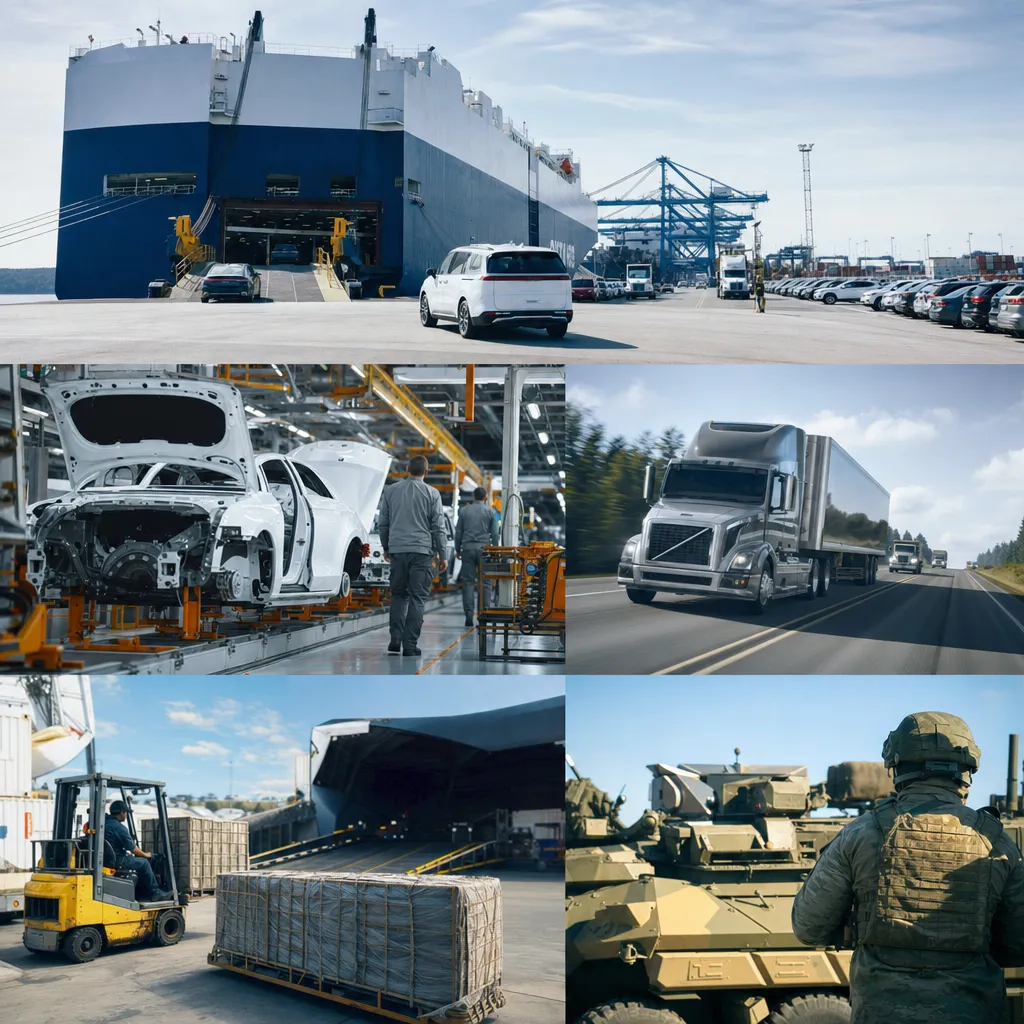
Applied Intuition is expanding its physical AI software stack — already embedded in 18 of the top 20 global automakers — into heavy freight trucking and defense ground vehicles, positioning automotive-grade simulation and validation infrastructure as dual-use technology.
Applied Intuition Expands Physical AI Platform from Cars Into Trucks and Defense
By Hector Herrera | November 7, 2026 | Transport
Applied Intuition is expanding the physical AI software stack that already powers development for 18 of the top 20 global vehicle manufacturers into heavy transport, defense ground vehicles, and industrial operations. The move reframes the company from an automotive simulation software vendor into something broader: a platform provider for any physical system that needs to learn to operate in the real world.
The expansion signals a larger pattern: autonomous vehicle software stacks, built and refined through years of consumer automotive investment, are becoming dual-use infrastructure. The same tooling that enables a passenger car to navigate city streets is proving directly applicable to defense vehicles, logistics trucks, and industrial equipment — markets where the defense and industrial sectors have historically built their own solutions from scratch.
What Applied Intuition Builds
Applied Intuition's core product is a software platform that enables engineers to develop, test, and validate the AI systems that power autonomous and assisted-driving vehicles. Its tools cover simulation environments (where AI systems are trained on billions of synthetic scenarios), data management pipelines, and what the company calls Vehicle OS — a software layer that translates AI model decisions into vehicle control commands.
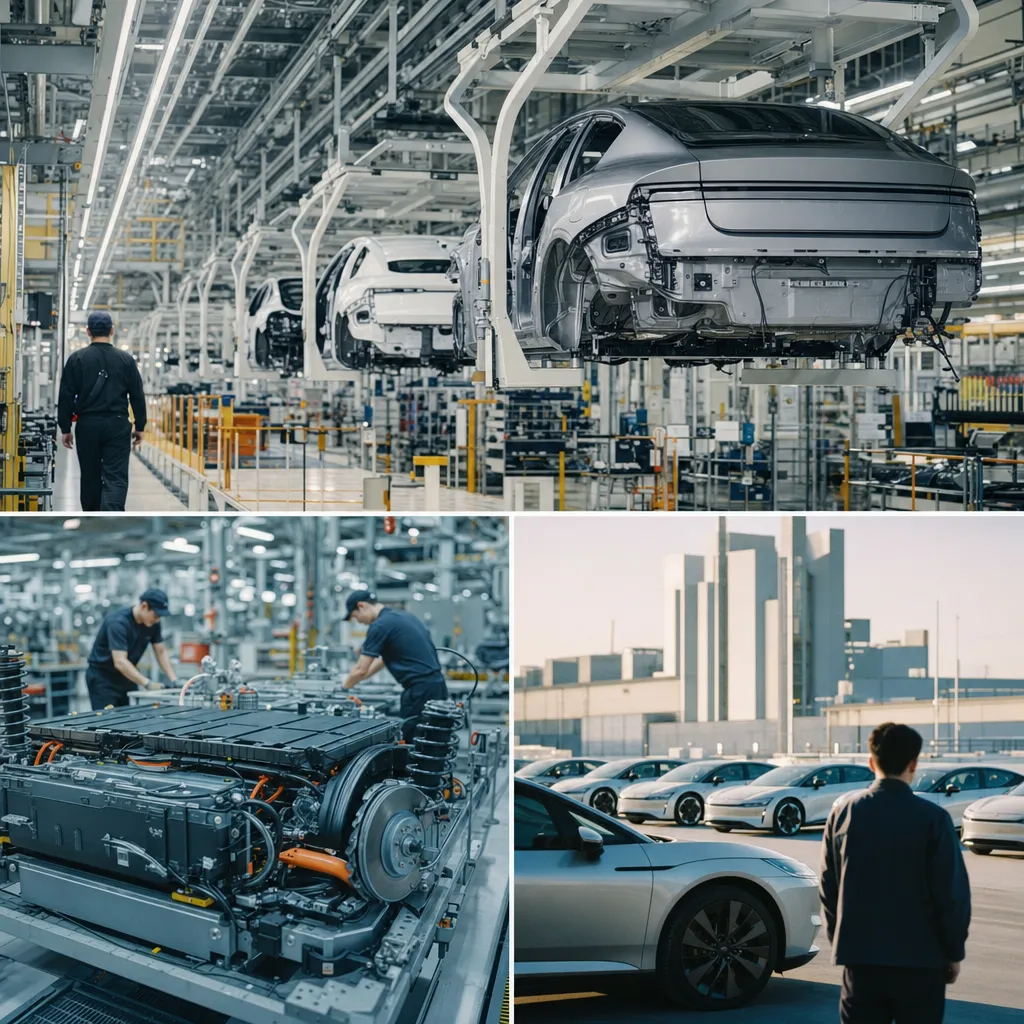
The platform has been deployed by 18 of the 20 largest global automakers over the past six years, according to AI Magazine's coverage of the expansion announcement. That depth of automotive integration means the company has accumulated an unusually large corpus of training data, simulation frameworks, and validated software patterns for making AI-powered physical systems work reliably.
The Defense and Truck Pivot
Applied Intuition is now adapting its Vehicle OS and AI-native development tools for two new markets:
Defense ground vehicles — The company is working with defense customers to apply its simulation and AI development stack to military ground vehicle programs. Defense ground vehicles face many of the same challenges as consumer autonomous vehicles — navigating unpredictable environments, making real-time decisions with incomplete sensor data — but with significantly higher stakes for failure and additional constraints around electronic warfare resistance and operational security.
Get this in your inbox.
Daily AI intelligence. Free. No spam.
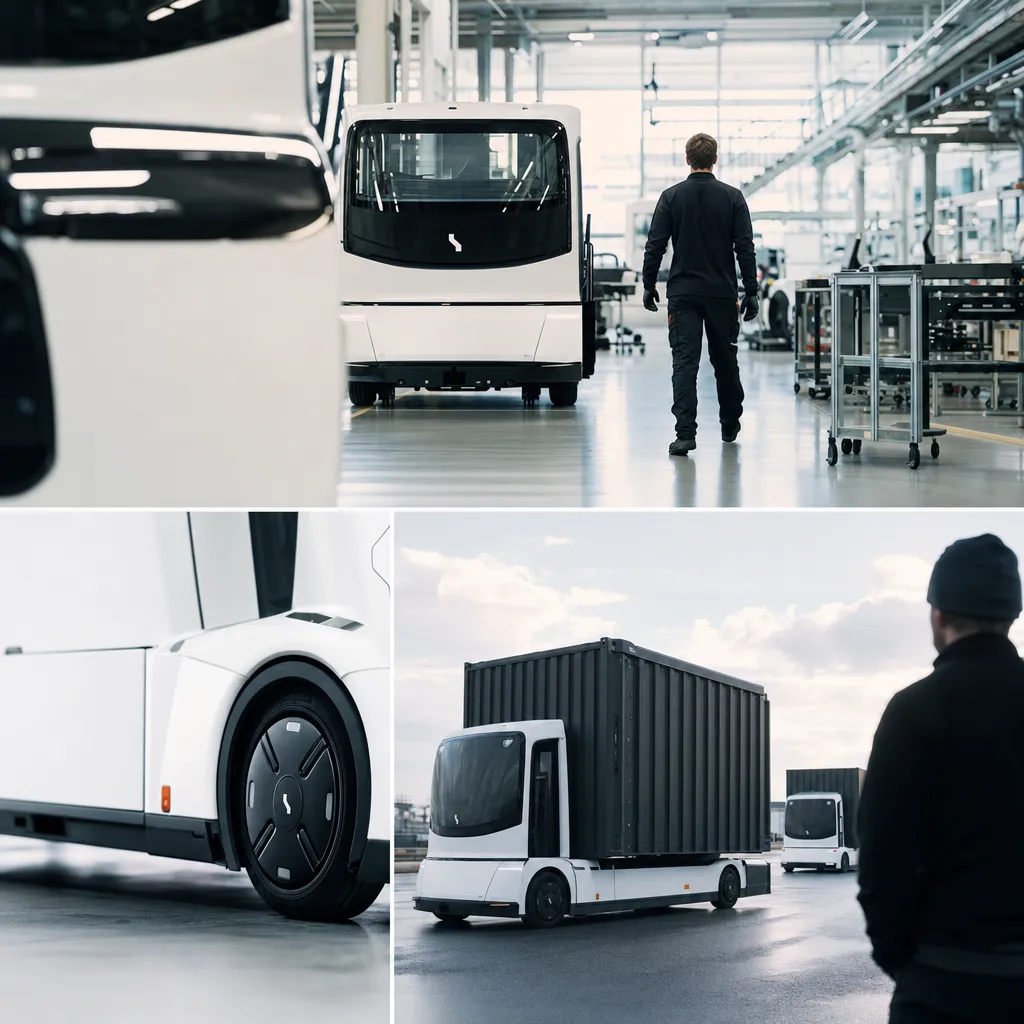
Heavy transport and logistics — Autonomous trucking has been a commercially active space for several years, with players like Waymo Via, Aurora, Kodiak, and Einride deploying driverless trucks on specific freight lanes. Applied Intuition's expansion positions it as a platform layer for trucking companies and fleet operators who want to build or deploy autonomous freight systems without building the foundational AI development infrastructure themselves.
Why This Matters
The pivot illustrates an important economic dynamic in physical AI: the high fixed costs of building simulation environments, safety validation frameworks, and hardware abstraction layers are most efficiently amortized across multiple markets. A simulation framework sophisticated enough to validate automotive AI behavior at scale is also sophisticated enough for trucking and defense applications, with relatively modest adaptation.
This is the same logic that drove AWS from internal Amazon cloud infrastructure to the dominant external cloud platform, and that is now driving several mature AI software stacks to expand their addressable markets horizontally.
For the defense sector specifically, the Applied Intuition expansion represents a meaningful shift in procurement dynamics. Defense ground vehicle programs have historically been built on proprietary software stacks developed by prime contractors — Lockheed Martin, General Dynamics, BAE Systems — with long development cycles and high switching costs. A commercial AI platform with proven automotive validation credentials offers program managers an alternative: faster development cycles, broader talent availability, and a software stack that benefits from continuous improvement driven by the much larger consumer automotive market.
Competitive Context
Applied Intuition is not alone in seeing the opportunity. NVIDIA's DriveOS platform is similarly expanding from automotive into industrial and defense applications. Mobileye, primarily an ADAS (advanced driver assistance systems) chip and software provider, has signaled interest in adjacent physical AI markets. Scale AI, which provides data labeling and evaluation infrastructure for AI systems, counts both automotive and defense customers.
What distinguishes Applied Intuition's position is depth of automotive integration at the top of the OEM market — 18 of 20 largest manufacturers is a strong competitive moat — combined with a software-first architecture that is not tied to specific hardware platforms the way chip-centric competitors' offerings tend to be.
What to Watch
Watch for Applied Intuition's defense expansion to generate scrutiny around the dual-use nature of autonomous vehicle AI technology. Export control frameworks that govern military technology transfers were written before physical AI development platforms were commercially available products. The question of whether Vehicle OS and similar platforms fall under ITAR (International Traffic in Arms Regulations) or EAR (Export Administration Regulations) controls — and at what capability thresholds — is not yet settled and will need regulatory clarity as these platforms mature.
Also watch the heavy trucking market response. The major autonomous trucking operators have invested heavily in proprietary software stacks. The availability of a proven commercial platform from Applied Intuition creates a build-vs-buy decision that new market entrants and fleet operators considering AV adoption will increasingly face.
Source: AI Magazine, November 2026
Did this help you understand AI better?
Your feedback helps us write more useful content.
Get tomorrow's AI briefing
Join readers who start their day with NexChron. Free, daily, no spam.