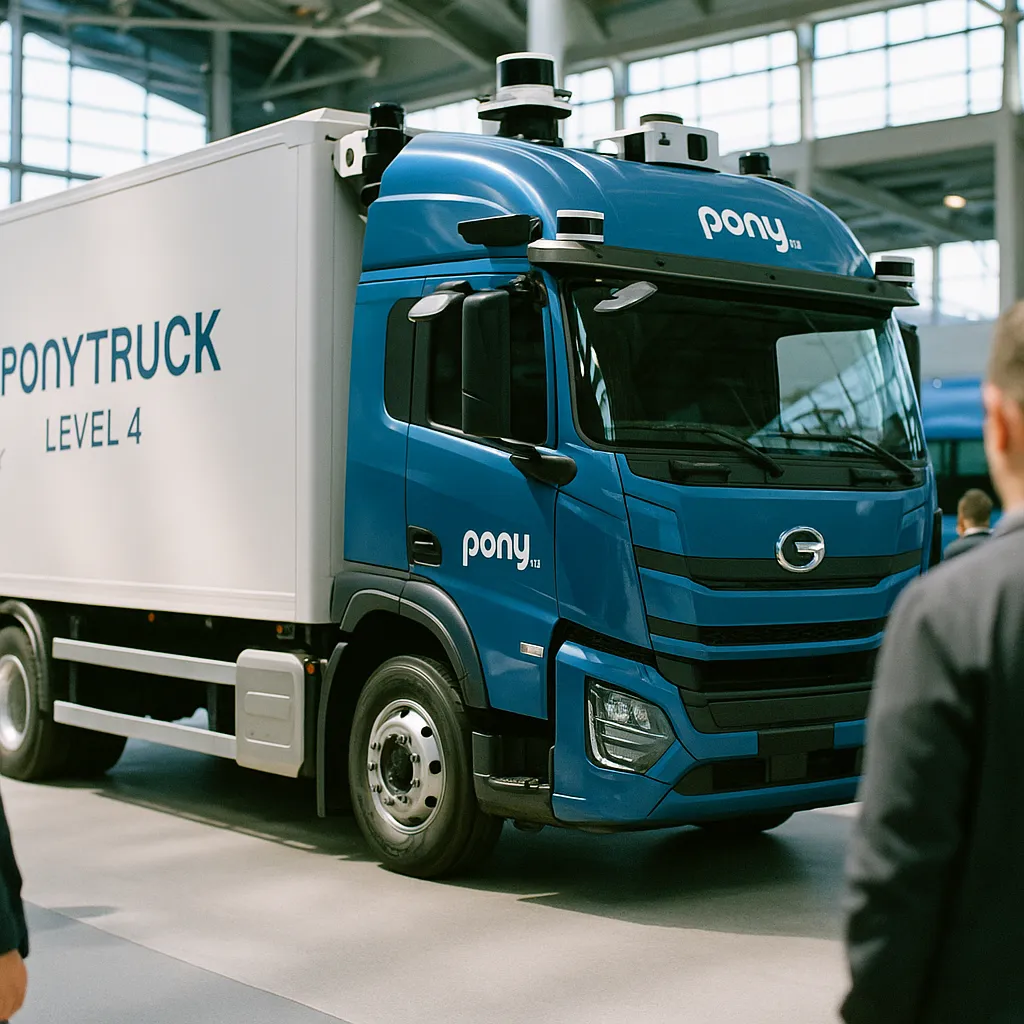
Kodiak Runs First Autonomous Trucks Outside the Sun Belt on Interstate 70
Kodiak AI completed its first fully driverless freight runs in Ohio and Indiana via Interstate 70, proving autonomous trucks can operate in northern freight corridors beyond Sun Belt highways.
Why this matters
Kodiak AI completed its first fully driverless freight runs in Ohio and Indiana via Interstate 70, proving autonomous trucks can operate in northern freight corridors beyond Sun Belt highways.
Kodiak Runs First Autonomous Trucks Outside the Sun Belt—on Interstate 70
By Hector Herrera | April 12, 2026 | Transportation
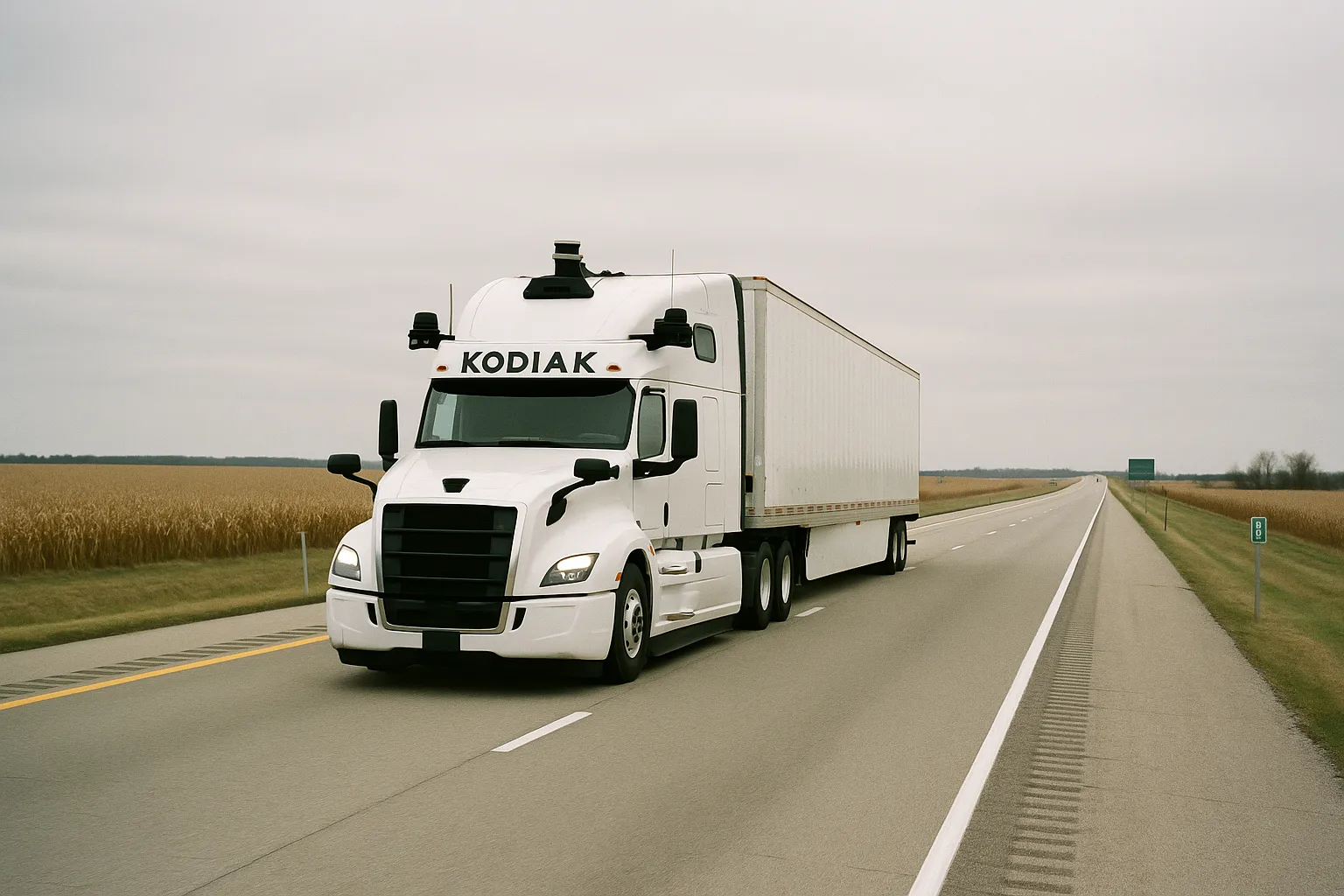
Kodiak AI has completed its first driverless freight runs in Ohio and Indiana, marking the first time an autonomous trucking company has operated commercially outside the Sun Belt without a safety driver. The milestone, accomplished in partnership with DriveOhio on Interstate 70, is significant because it demolishes the core objection that has kept autonomous trucking confined to warm-weather markets: the assumption that self-driving trucks can't handle northern freight corridors with real weather and traffic variability.
What Happened
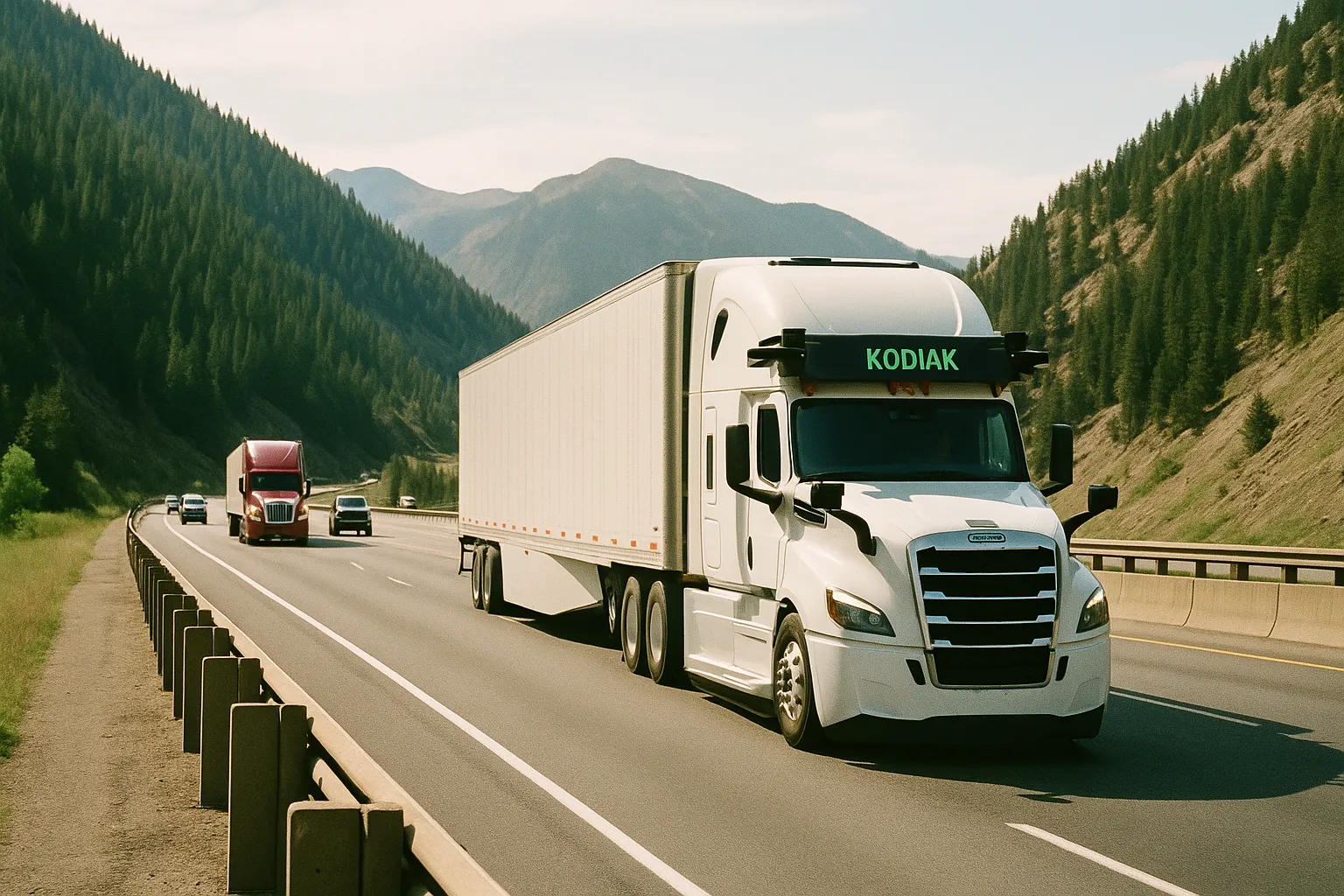
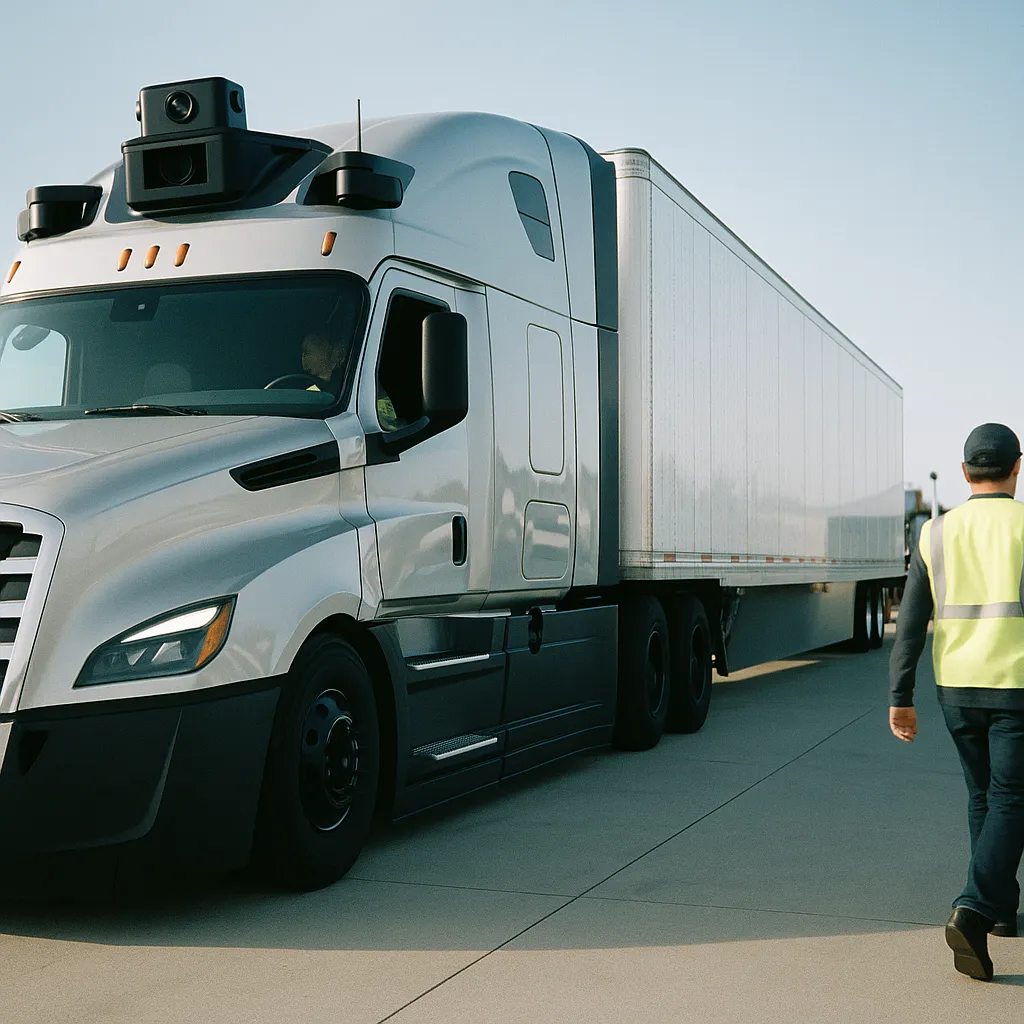
Kodiak AI, backed by venture capital and focused exclusively on autonomous freight, ran its first driverless loads across Ohio and Indiana via I-70 in partnership with DriveOhio, the state's autonomous vehicle testing and deployment initiative. The trucks operated without safety drivers—the operators responsible for taking manual control if the system fails—making these fully autonomous commercial freight runs, not supervised demonstrations.
I-70 through Ohio and Indiana is one of the highest-volume freight corridors in the country. It connects Columbus, Indianapolis, and the broader Midwest manufacturing and distribution network. Running autonomous freight there is categorically different from running it on the flat, predictable, sun-baked highways of Texas and Arizona where the industry has concentrated until now.
Context
Autonomous trucking has been commercially active in Texas, Arizona, and parts of the Southeast for two to three years. Waymo Via (before its freight pivot), Aurora, and Torc Robotics all concentrated their early commercial routes in the Sun Belt because the operational design domain—the set of conditions a system is certified to handle—was manageable: limited weather variation, wide highways, predictable traffic patterns.
Northern freight corridors present a different set of challenges. Rain, fog, construction-season congestion, variable pavement conditions, and winter weather (even in April in Ohio) all fall outside the comfortable operating envelope that made Sun Belt routes the safe starting point. The trucking industry ships year-round regardless of weather, so any autonomous system that can only operate in favorable conditions has a fundamental business model problem.
Kodiak has been working on this problem methodically. The company chose to start commercial-scale operations in the Sun Belt while continuing supervised testing in northern states, accumulating the data needed to expand its operational design domain before going driverless.
Get this in your inbox.
Daily AI intelligence. Free. No spam.
Details
DriveOhio provided the regulatory and infrastructure coordination framework for the runs. Ohio has been aggressive in positioning itself as an autonomous vehicle testing ground, having passed legislation creating pathways for driverless commercial vehicle operation on public roads ahead of most states.
The specific freight moved, the shippers involved, and the number of runs completed have not been fully disclosed. What Kodiak confirmed is that the trucks operated without safety drivers—a harder commercial threshold than supervised testing or driver-assisted runs—and that the operation spanned both Ohio and Indiana, meaning the trucks crossed state lines autonomously.
Impact
For freight shippers: I-70 is a critical artery for manufacturing supply chains across the Midwest. If autonomous trucking can operate reliably there, the addressable market for driverless freight expands dramatically. Shippers in automotive, e-commerce, and consumer goods distribution should be tracking Kodiak's scale-up timeline.
For truck drivers: The industry has long argued that autonomous trucking would remain confined to easy routes—a limited threat. Kodiak's Ohio-Indiana run weakens that argument. The geographic expansion of autonomous operation is accelerating. Long-haul trucking on major interstate corridors is the target, and it's closer than many assumed.
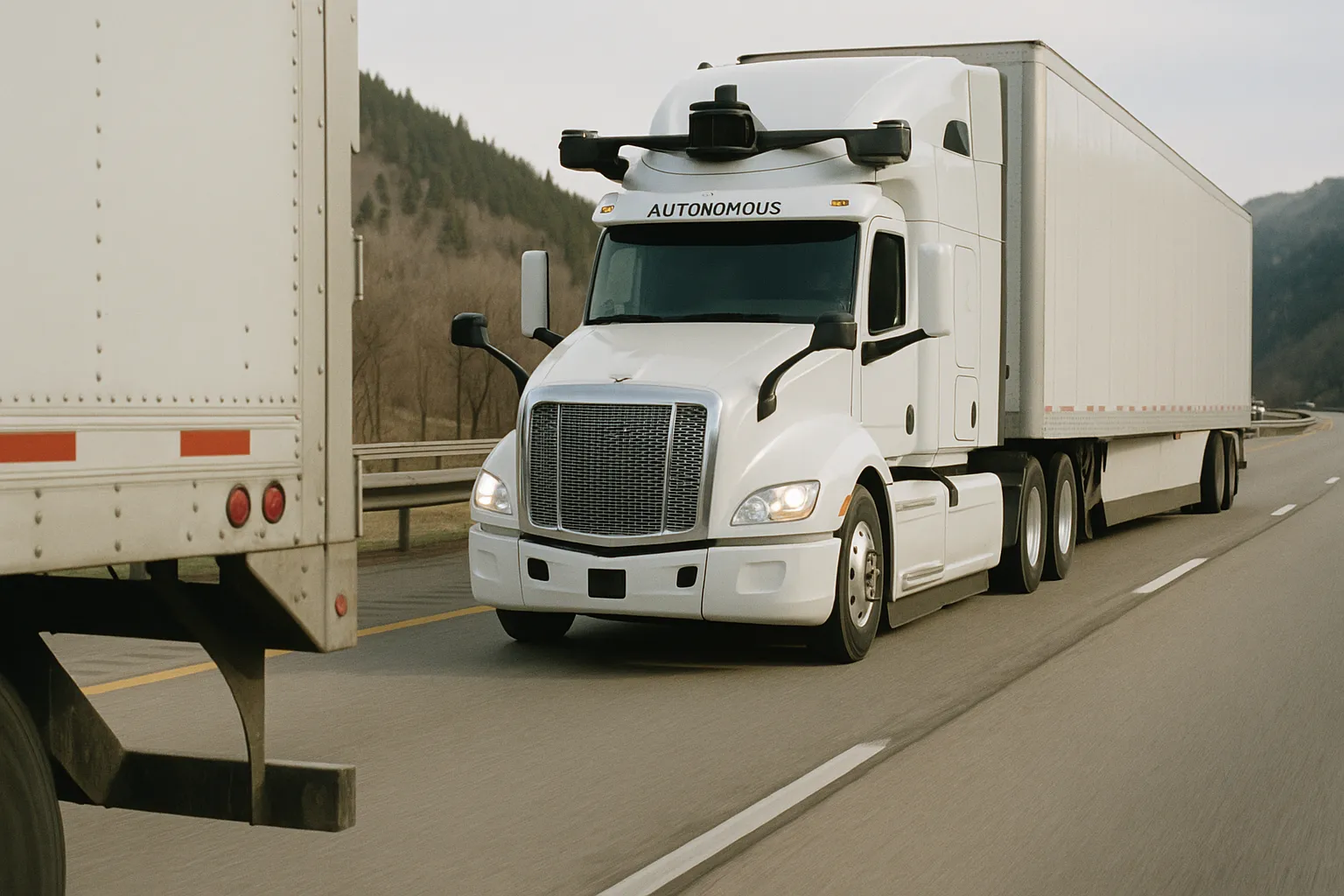
For competing autonomous trucking companies: Aurora, which has also been expanding its commercial operations, is watching this closely. The company that establishes driverless operations on the highest-volume northern freight corridors first will have a significant data and customer advantage. Expect Aurora and other players to announce northern-route milestones in the months ahead.
For state governments: Ohio and Indiana have both established themselves as autonomous vehicle policy leaders by creating clear legal frameworks for driverless commercial operation. States without those frameworks are creating competitive disadvantages for attracting autonomous trucking operators and the economic activity they bring.
What to Watch
The next milestone to watch for is year-round operation—specifically, whether Kodiak attempts driverless runs during Ohio and Indiana winters. Spring weather in the Midwest is variable but forgiving compared to January. A system that operates driverlessly through a full winter season on I-70 would be a genuinely decisive proof point.
Also watch for regulatory updates: whether Ohio expands its driverless commercial vehicle framework, and whether NHTSA issues updated federal guidance that would allow more states to enable this type of operation without custom state-level legislation.
Hector Herrera covers transportation and autonomous systems for NexChron.
Key Takeaways
✓By Hector Herrera | April 12, 2026 | Transportation
Hector Herrera is an AI systems architect and the founder of Hex AI Systems. He designs and runs AI systems in production and writes daily about how AI is reshaping business, government and everyday life. 20+ years building for the web. Houston, TX.