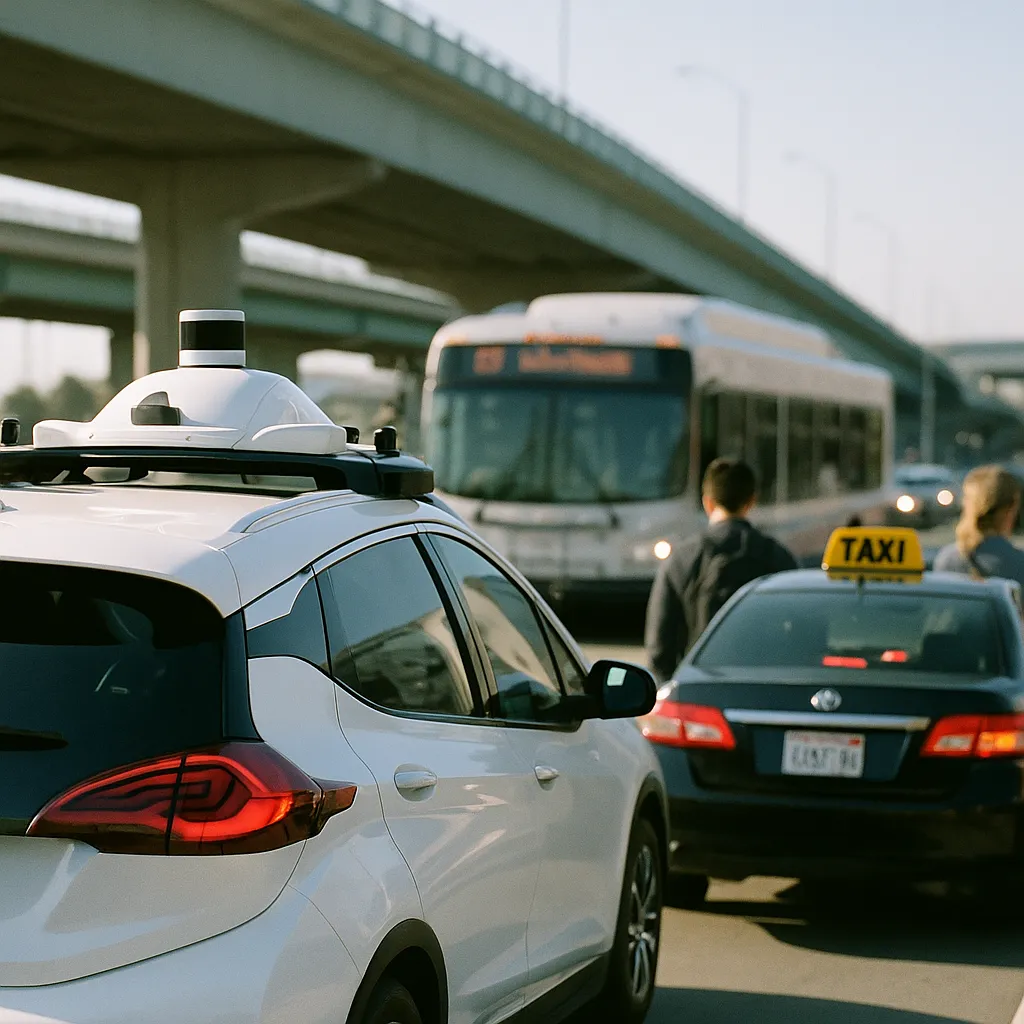
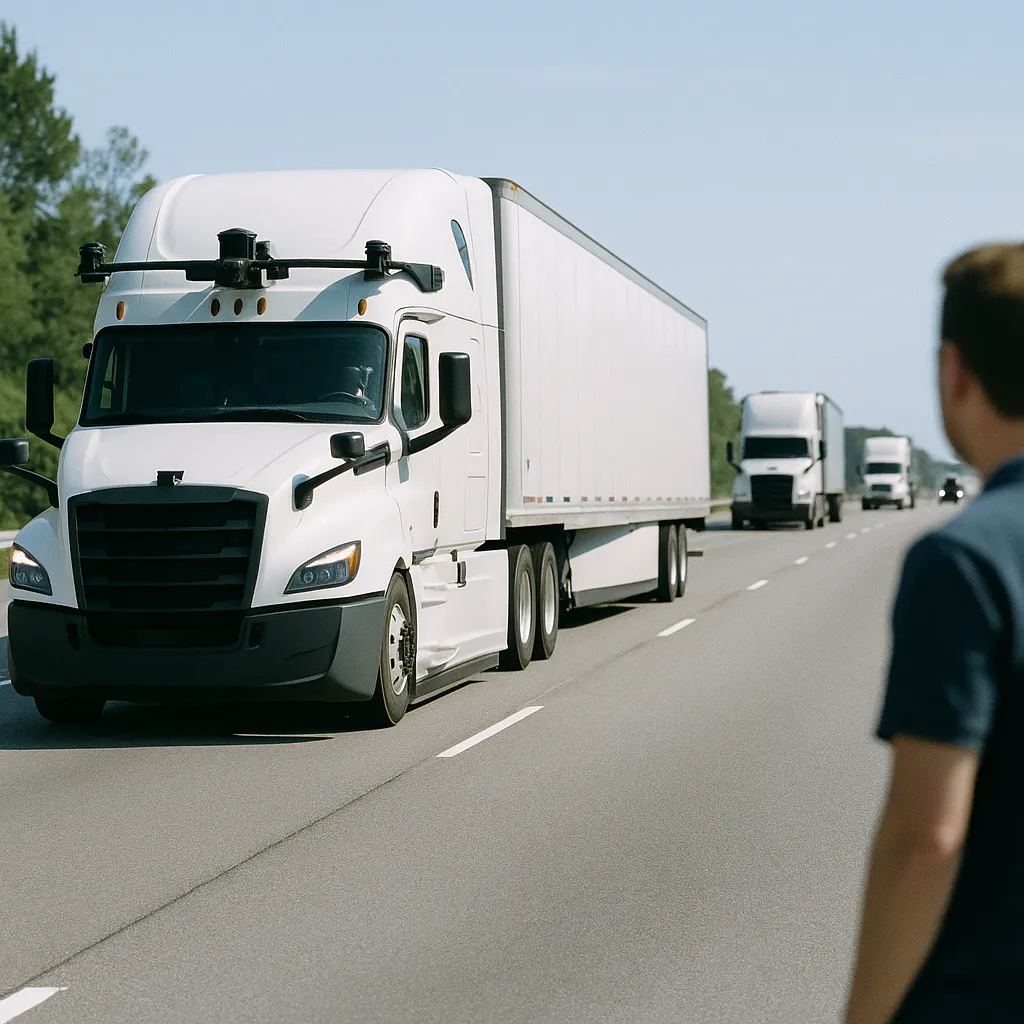
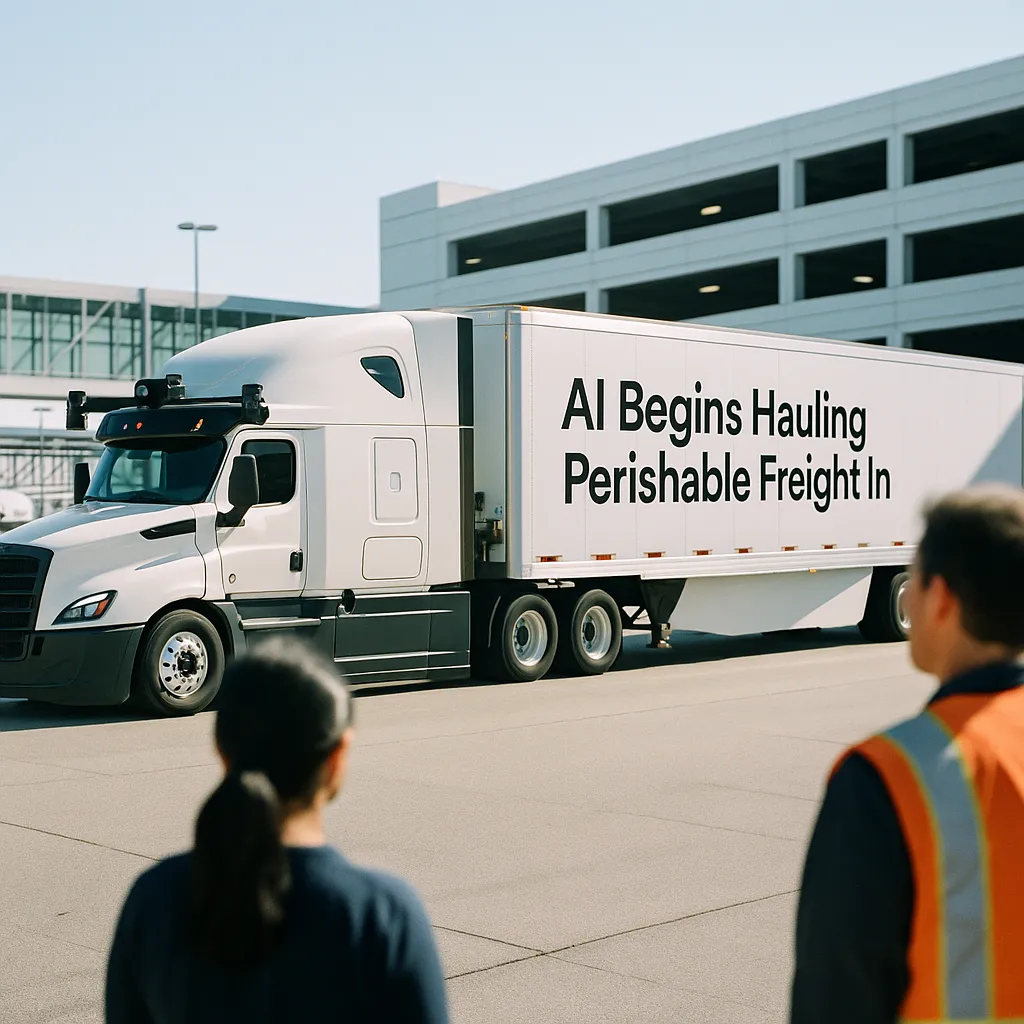
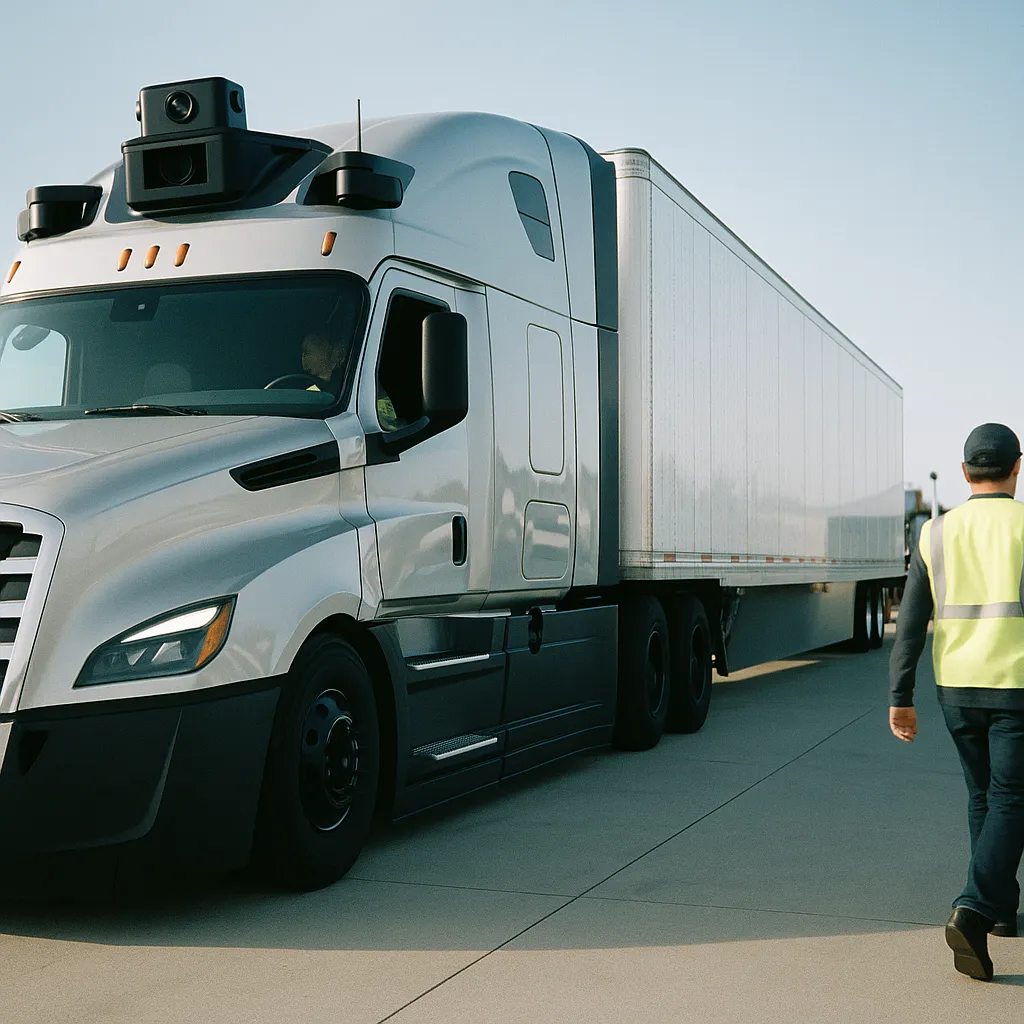
California enacted new robotaxi legislation after documented incidents of AV vehicles blocking traffic and impeding emergency responders — and the laws arrive just as a next wave of autonomous vehicle deployments is set to expand.
California enacted new legislation regulating robotaxis after a documented pattern of incidents in which autonomous vehicles blocked traffic, stranded passengers, and impeded emergency responders. The laws, reported by TechCrunch's Mobility team, arrive at a pivotal moment: a new wave of autonomous vehicle deployments is preparing to expand into additional cities, and California's framework is positioned to become a reference model for how other states handle the same collision between AV growth and public safety.
California is the most consequential state to regulate autonomous vehicles. It hosts Waymo's primary operations, is home to most major AV developers, and has the most active robotaxi deployment in the country. Legislation here doesn't just affect California riders — it sends signals to regulators, operators, and investors in every other market watching how the technology gets governed.
What the New Laws Address
The incidents that drove the legislation fit a recognizable pattern that accumulated through 2025 and into 2026:
- Traffic blocking. Multiple documented cases of autonomous vehicles stopping mid-intersection or mid-lane and refusing to move, requiring police intervention to clear traffic. In several instances, the vehicles stayed stopped for long enough to create significant backups.
- Passenger stranding. Riders picked up by robotaxis who were then abandoned mid-trip when the vehicle encountered a situation — construction, police activity, an unusual road configuration — it couldn't navigate. The passengers, often in unfamiliar locations, had no recourse except to exit and find alternative transport.
- Emergency vehicle conflicts. A series of incidents in San Francisco in which autonomous vehicles didn't adequately yield to fire trucks and ambulances, including at least one case that raised direct patient safety concerns.
The legislation creates requirements in several areas, including mandatory reporting of operational incidents to the California DMV and CPUC within defined timeframes, defined remote assistance requirements (AV operators must maintain human operators who can intervene remotely when vehicles stop), clearer passenger rights including guaranteed ability to exit a stranded vehicle without penalty, and protocols for emergency vehicle interactions.
Why the Timing Is Critical
The laws land as the AV industry is preparing its next expansion phase. Waymo has publicly announced plans to extend operations to additional cities. Other operators, including Zoox (owned by Amazon) and Cruise (which suspended operations after a 2023 incident but has been working toward relaunch), are in various stages of planning renewed or expanded deployments.
Get this in your inbox.
Daily AI intelligence. Free. No spam.
The expansion plans assume a regulatory environment that will permit more cities and more operating hours. What the new legislation does is establish that expansion comes with a compliance floor — that the operational problems of the first wave need to have been solved, or at least managed, before the second wave proceeds.
This dynamic is not unique to California. The incidents in San Francisco have been widely watched by regulators in Austin, Phoenix, Miami, and Chicago — all cities where AV operators have active or pending deployment plans. The California legislation provides a ready template that other state legislatures can adapt rather than draft from scratch.
The Industry's Position
AV operators generally acknowledge that the incidents occurred while contesting the framing that they represent systemic failures. Waymo's public response to the legislation has emphasized that its safety record per mile driven compares favorably to human drivers on standard metrics — a claim supported by published data — while arguing that the legislation imposes operational costs that could slow the deployment of a technology that, at scale, would reduce traffic fatalities.
The tension here is real and not easily resolved. AV safety metrics measured in miles driven look favorable. But miles driven is not the only relevant metric when vehicles block ambulances or maroon passengers in unfamiliar neighborhoods at 2 a.m. The regulatory debate is partly about what the right metrics are, not just about whether AV technology is safe in absolute terms.
What Smaller Operators and New Entrants Face
The compliance requirements in California's new legislation carry fixed costs that scale differently for large and small operators. Waymo, with substantial backing from Alphabet, can absorb the cost of expanded remote assistance teams and enhanced incident reporting infrastructure. A smaller AV operator trying to establish a foothold in the California market faces the same requirements with a smaller cost base.
The practical effect may be to further consolidate the robotaxi market around well-capitalized operators — accelerating a dynamic that was already visible given the capital intensity of AV development.
What to Watch
Two variables will determine the impact of California's legislation over the next 12 months. First, whether the California DMV and CPUC enforce the new requirements consistently or with wide discretion — the enforcement posture matters as much as the text of the law. Second, whether the legislation actually creates a template for other states or whether each state develops its own framework, which would create the compliance patchwork that AV operators fear most. A uniform federal standard would resolve that uncertainty, but federal AV legislation has stalled repeatedly in Congress and there is no clear near-term path to passage.
Did this help you understand AI better?
Your feedback helps us write more useful content.
Get tomorrow's AI briefing
Join readers who start their day with NexChron. Free, daily, no spam.