Aurora Innovation launched its second-generation autonomous truck fleet on the International LT Series platform, rated for one million miles, with 30 trucks already running 20-plus hours daily in Texas commercial freight.
Aurora Launches Second-Generation Driverless Trucks Built to Last One Million Miles
By Hector Herrera | September 18, 2026 | Transport
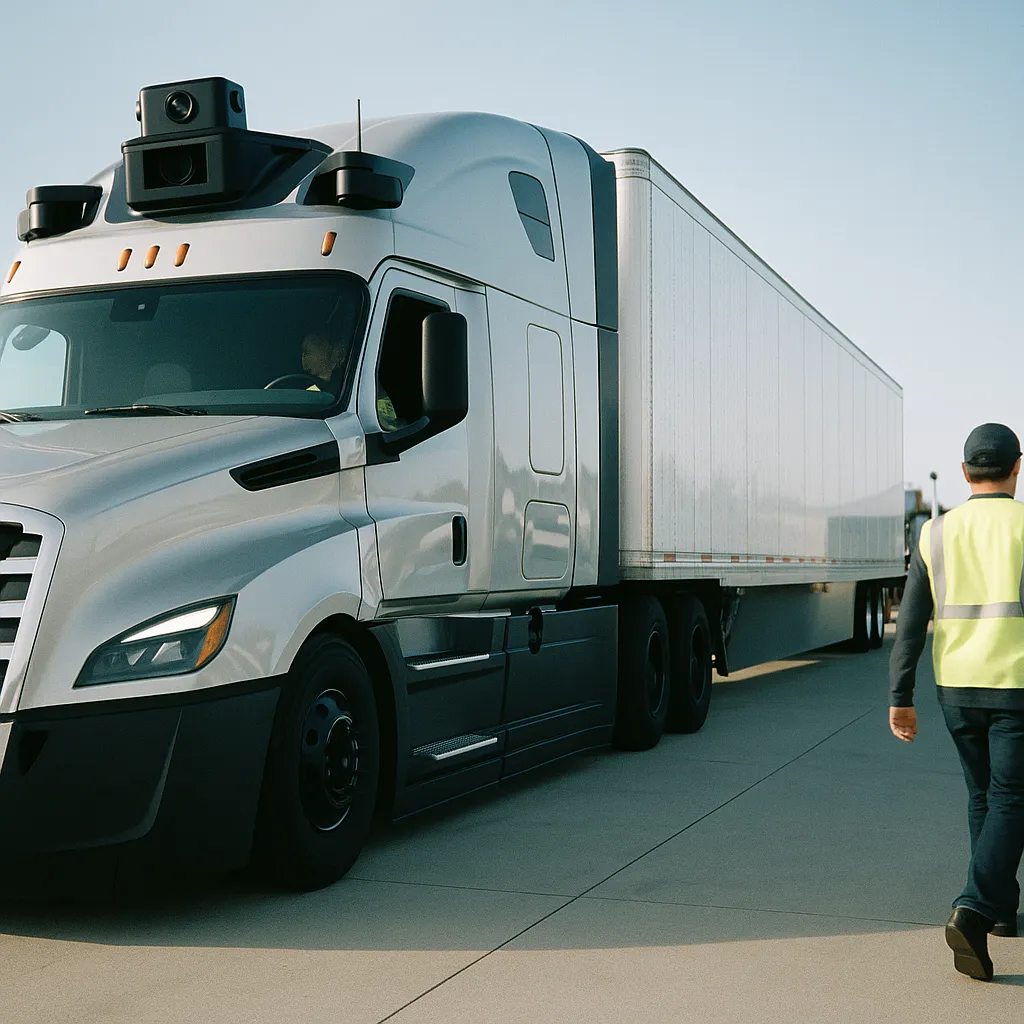
Aurora Innovation launched its second-generation driverless commercial truck fleet in the United States, built on the International LT Series platform with new hardware rated for one million miles of operation. The first deployment is already running: under a commercial contract with Detmar, 30 Aurora Driver-powered trucks are hauling sand and related materials in Texas energy-sector logistics, operating more than 20 hours per day.
This is not a pilot program. It is a commercial contract with an industrial customer buying capacity, not a technology demonstration. That distinction matters: the first generation of autonomous trucking was characterized by high-profile test programs and conservative commercial deployments. The second generation is increasingly defined by customers who have decided the technology works well enough to build operations around it.
The Hardware Leap
The first-generation Aurora Driver ran on a hardware stack with a rated operational life significantly shorter than a conventional commercial truck, which typically logs 500,000 to one million miles before major drivetrain overhaul. That gap meant autonomous trucks were retiring before reaching the economic payback point that makes conventional trucking profitable.
The second-generation hardware closes that gap. A one-million-mile hardware rating means:
- Full commercial economics. Trucking businesses calculate cost per mile over the life of an asset. A truck that must be retired at 300,000 miles cannot compete on unit economics with a driver-operated truck at 800,000 miles. One million miles changes that math.
- Scalable deployment. Fleet operators can commit to Aurora-powered trucks as long-term assets rather than experimental equipment with uncertain lifespans.
- Reduced total cost of ownership. Fewer hardware refresh cycles per unit mean lower capital expenditure per mile of operation.
According to Aurora's investor announcement, the second-generation system is built on the International LT Series, one of the most widely deployed Class 8 long-haul platforms in the US market. Standardizing on a production truck rather than a custom-modified vehicle also reduces maintenance complexity and parts availability risk.
The Texas Deployment
The initial commercial deployment with Detmar operates in Texas energy-sector logistics — specifically, hauling sand used in hydraulic fracturing (fracking) operations. This is a demanding application: heavy loads, time-sensitive schedules, and a route network across Texas oil country where driver availability has historically been a constraint.
Get this in your inbox.
Daily AI intelligence. Free. No spam.
Key operational facts:
- 30 Aurora Driver-powered trucks in active commercial service
- Operating 20+ hours per day — well above the regulatory limits that cap human-driven hours of service
- Routes covering Phoenix–Fort Worth–El Paso corridors
The 20-plus-hour daily operation figure is significant. Federal hours-of-service rules limit human truck drivers to 11 hours of driving within a 14-hour on-duty window. An autonomous system operating 20 hours per day on a single route effectively represents 1.8 human drivers per truck-day. For a customer like Detmar running 30 trucks, that is the operational equivalent of more than 50 additional drivers without any of the recruitment, retention, or compliance overhead.
What Comes Next for Aurora
Aurora's public roadmap has moved from small-scale commercial pilots toward what the company describes as "hundreds" of autonomous trucks in operation. The second-generation launch accelerates that path in two ways.
First, the hardware rating addresses the single largest barrier to fleet operator adoption: asset lifecycle uncertainty. Operators who have been watching Aurora from the sidelines now have a clearer answer to "what happens when the hardware wears out."
Second, the International LT Series platform is a truck that fleet operators already know. Maintenance crews are trained on it. Parts are stocked for it. Insurance carriers have underwriting data for it. Moving to a production-platform vehicle reduces every ancillary friction point that slowed first-generation deployments.
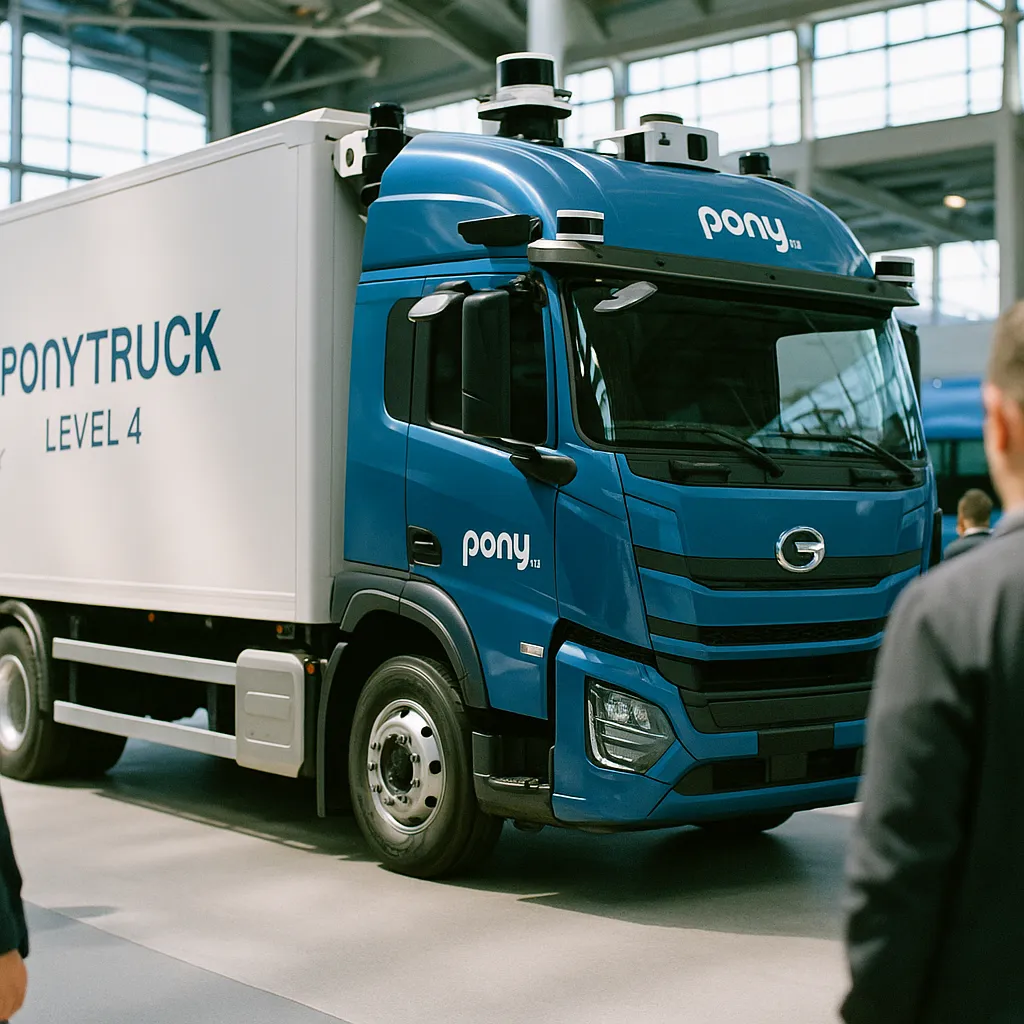
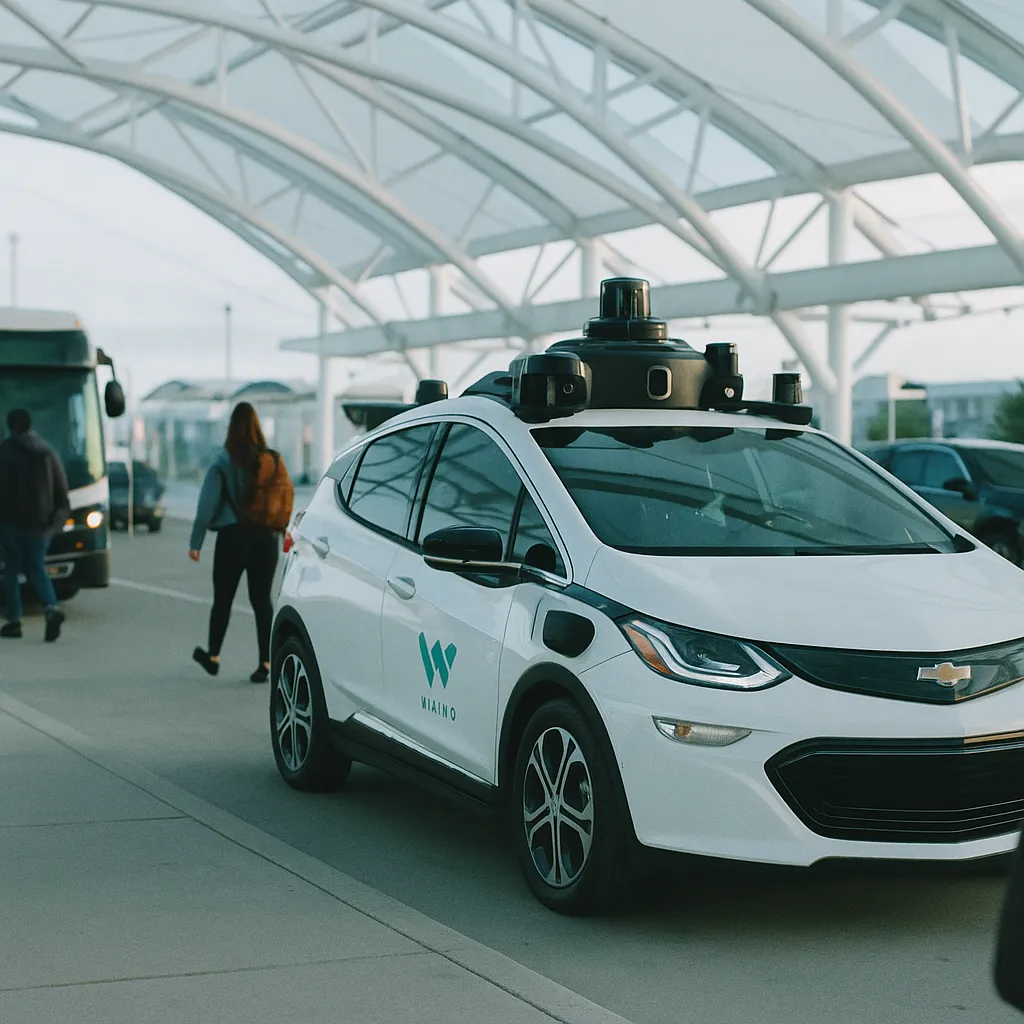
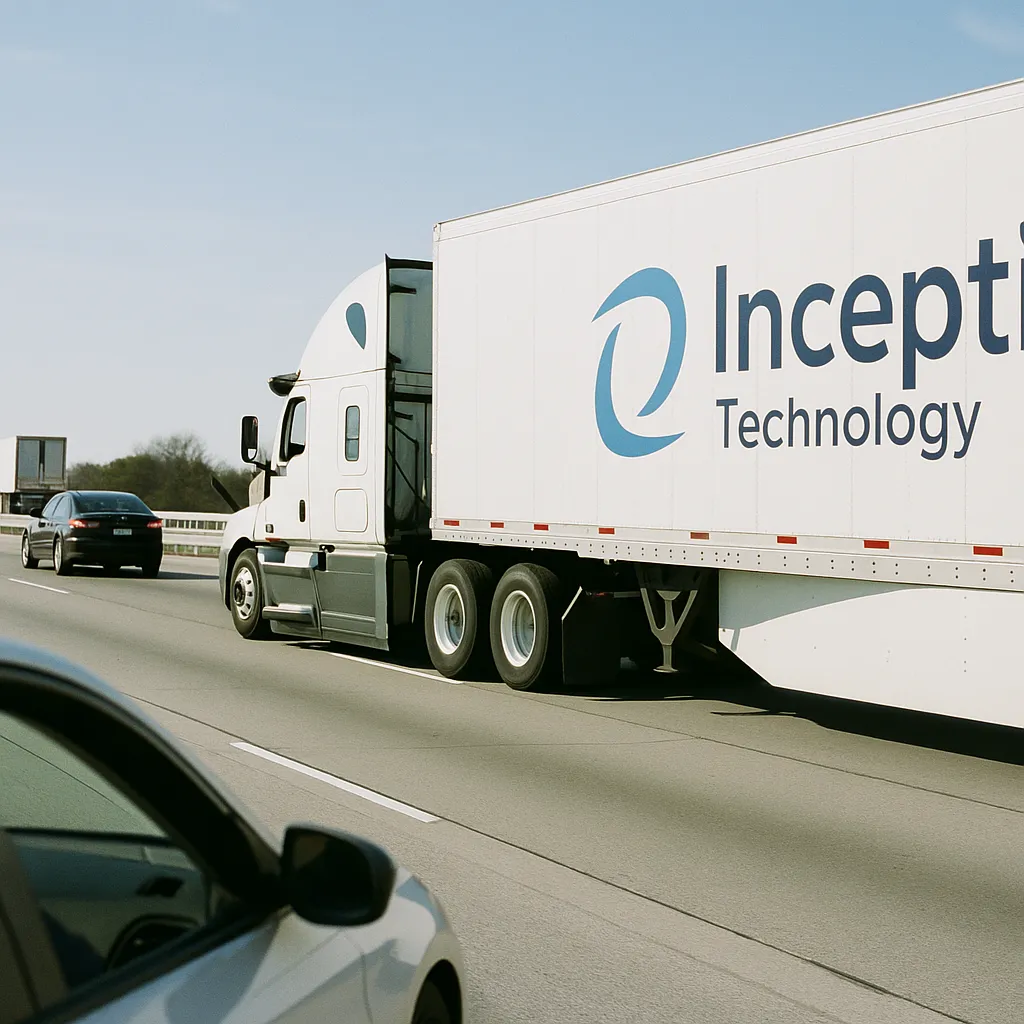
The competitive landscape is shifting simultaneously. Waymo Via, which has been developing autonomous trucking technology, remains in testing phases on public roads. Torc Robotics, owned by Daimler Truck, is running commercial pilots in New Mexico. Aurora's advantage is the combination of a commercial customer contract, a mature routes network, and now a hardware platform designed for the same economic life as the conventional trucks it is replacing.
Impact on the Freight Industry
The US trucking industry faces a structural driver shortage that industry associations estimate at 60,000 to 80,000 unfilled positions, a figure projected to grow. That shortage is concentrated in long-haul routes — exactly where Aurora operates. A fleet of 300 autonomous trucks running 20-plus hours per day represents meaningful capacity relief in corridors where freight volumes are high and driver availability is chronically constrained.
For shippers and fleet operators, the second-generation launch means autonomous trucking is now a procurement option rather than a research investment. The question shifts from "will this technology work?" to "at what scale does it make economic sense to deploy, and on which routes?"
What to Watch
Aurora has not disclosed the full commercial terms of its Detmar contract or its pipeline of additional fleet customers. Watch for announcements of new customer contracts — particularly any fleet operators outside the energy sector, which would indicate that the commercial case for autonomous trucking is extending beyond the specific labor-shortage pressures of oil-field logistics. Aurora's path to "hundreds of trucks" will require multiple customer contracts and route expansions. The second-gen launch sets the technical foundation. The commercial expansion is what happens next.
Did this help you understand AI better?
Your feedback helps us write more useful content.
Get tomorrow's AI briefing
Join readers who start their day with NexChron. Free, daily, no spam.