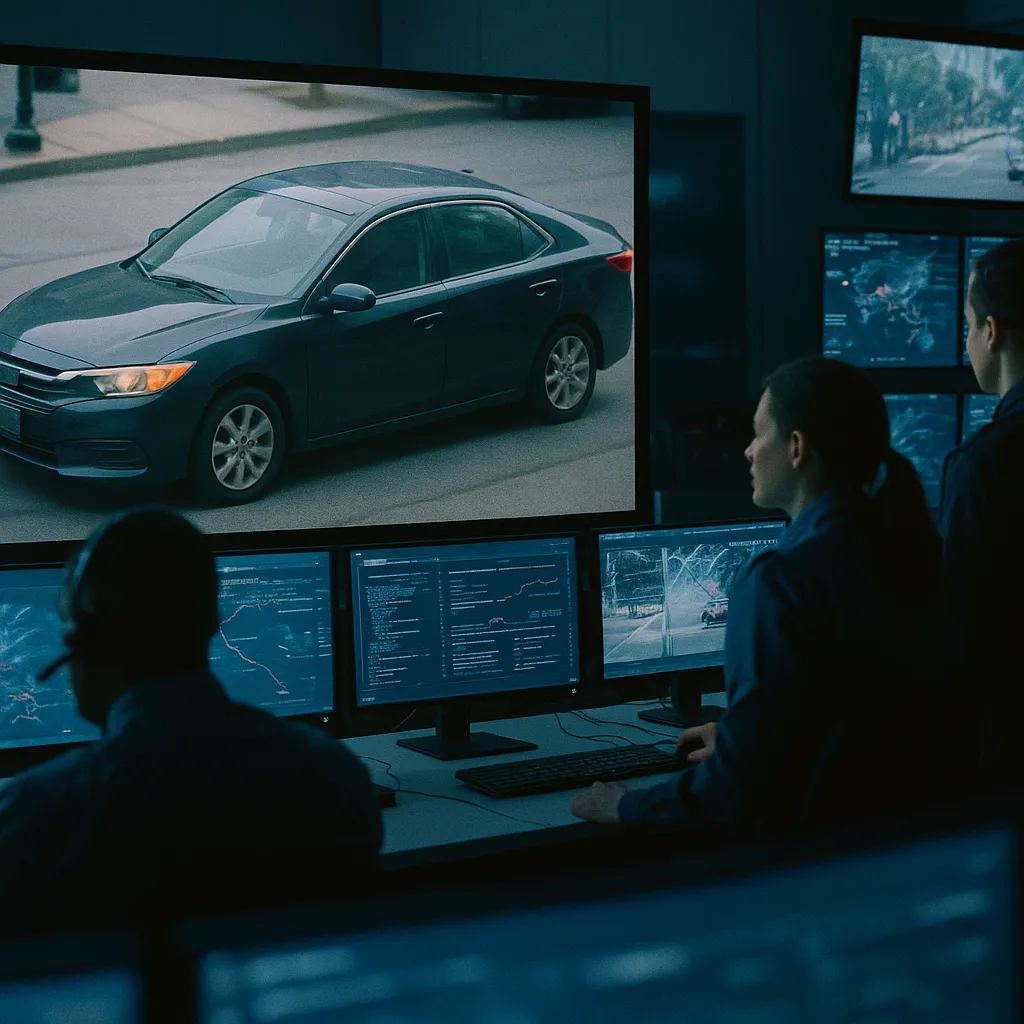
San Francisco vehicle thefts are down 59% and break-ins down 82% since 2022, with officials crediting Flock Safety's AI license plate camera network — but oversight rules are lagging.
San Francisco's car theft rate has dropped 59% since 2022, and vehicle break-ins are down 82% — and city officials are crediting a network of AI-powered license plate cameras made by Flock Safety. A new analysis from NPR documents both the dramatic crime decline and growing questions about surveillance overreach.
How Flock Works
Flock Safety's cameras don't just read license plate numbers. The system captures and catalogs vehicle attributes — make, color, body style, bumper stickers, roof racks, and other identifying features — and stores them in a searchable database available to law enforcement investigators. When a car is reported stolen or linked to a crime, investigators can query the database to trace where and when that vehicle was spotted across the city's camera grid.
San Francisco deployed the Flock network as part of a broader push to address what had become a national symbol of retail and auto crime. The city's vehicle break-in numbers had drawn sustained negative coverage and were cited in business relocation decisions.
The Numbers
The declines are striking on their own terms:
Get this in your inbox.
Daily AI intelligence. Free. No spam.
- Car thefts: down 59% versus 2022 peak levels
- Vehicle break-ins: down 82% versus 2022
Whether Flock deserves full credit is the harder question. NPR's analysis notes that crime trends are shaped by many factors — prosecution policies, economic conditions, police staffing — and that attributing the decline solely to the cameras overstates the technology's causal role. San Francisco officials have been careful to credit Flock as a significant contributor rather than the only factor.
The Oversight Problem
The success of the network has accelerated its expansion — and raised civil liberties concerns. The city is now moving to tighten rules around who can access the database and under what circumstances. Proposed rules would criminalize misuse of the surveillance data, closing a gap that allowed broad access without clear accountability.
This is the pattern that plays out with most successful surveillance deployments: the technology expands faster than the governance framework, and legislators scramble to catch up after the database is already built.
What to Watch
San Francisco's governance response will be a test case for other cities evaluating Flock deployments — there are now hundreds of municipalities using the platform. If the city successfully passes enforceable misuse rules without gutting the investigative utility, it could become the model other jurisdictions cite. If enforcement of those rules proves toothless, civil liberties groups will use the city as a cautionary example.
Source: NPR / KRWG — San Francisco's car crime has plunged. How much credit does Flock deserve?
Did this help you understand AI better?
Your feedback helps us write more useful content.
Get tomorrow's AI briefing
Join readers who start their day with NexChron. Free, daily, no spam.