Wood Mackenzie declares 2026 the autonomous vehicle inflection point as Waymo targets 1 million rides per week across 27 U.S. cities and Aurora Innovation says all technical trucking barriers are cleared.
2026 Is the Autonomous Vehicle Inflection Point — Waymo Targets 1 Million Rides Per Week
By Hector Herrera | May 20, 2026 | Transport
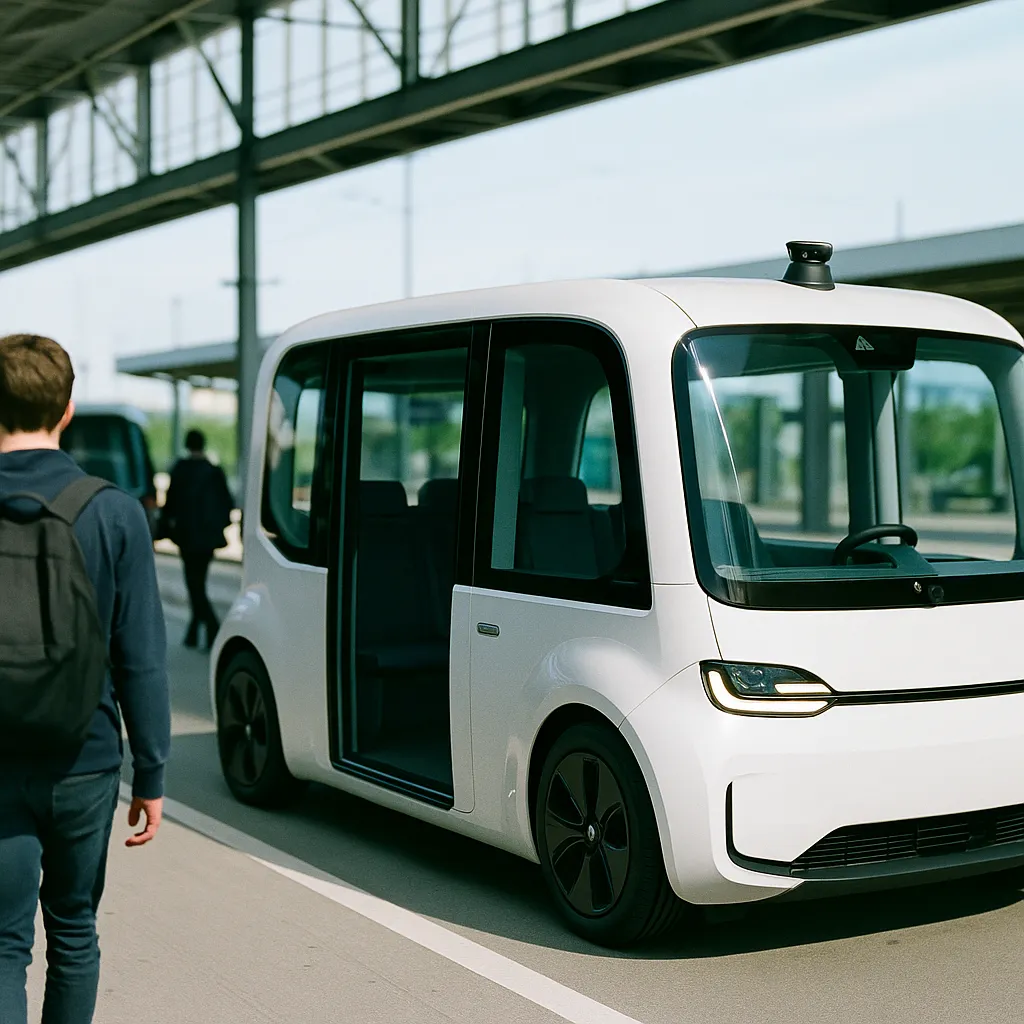
Wood Mackenzie analysts have declared 2026 the autonomous vehicle inflection point, projecting the global driverless fleet will grow tenfold by 2030 to more than 100,000 vehicles. Waymo is targeting one million rides per week globally by year-end while expanding from 5 to 27 U.S. cities. Aurora Innovation's president stated publicly that all technical barriers to commercial [autonomous truck](/transport/autonomous-truck-longest-us-freight-run)ing have been overcome. The industry is transitioning from demonstration to commercial scale — and the shift is simultaneously rewriting insurance, regulatory, and urban planning frameworks.
Why 2026 Is Different
"Autonomous vehicles are five years away" became a running industry joke because the timeline kept moving. The technical barriers — edge case handling, weather performance, sensor reliability, regulatory clearance — proved harder to solve than initial projections. What changed?
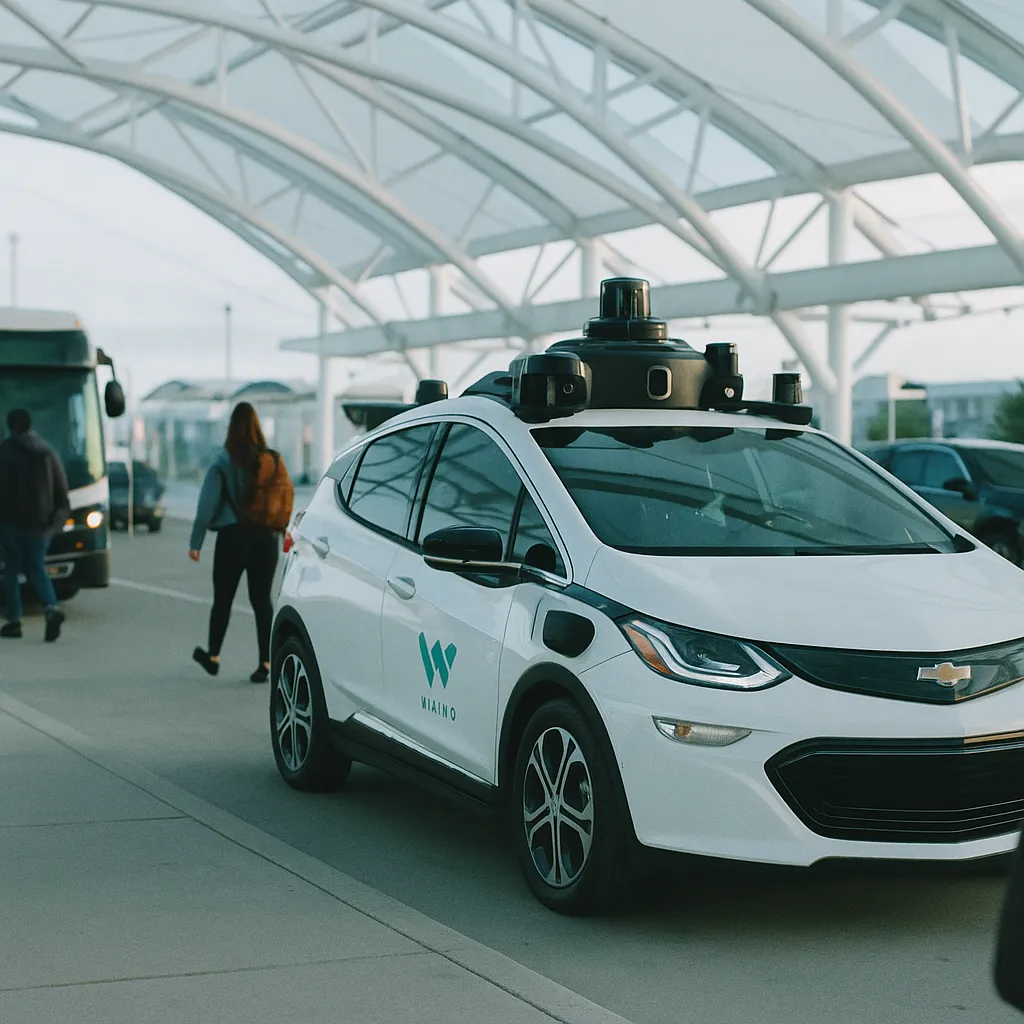
Operational data at scale. Waymo has logged tens of millions of paid commercial rides across San Francisco, Phoenix, and Los Angeles. Its safety and reliability metrics have improved to the point where the company is accelerating city expansion rather than defending existing deployments. That is a qualitatively different posture than any prior phase of the AV industry.
Aurora's public declaration. When a company's president states publicly that all technical barriers are cleared, that signals a transition from R&D operations to commercial logistics. Aurora has freight partnerships with FedEx and Werner Enterprises and began commercial driverless operations in Texas earlier this year. Companies in demonstration mode do not make statements like that.
Regulatory momentum. More than a dozen states have moved from pilot frameworks to permanent commercial AV legislation in the last 18 months. The legal uncertainty that held back institutional investment has substantially cleared.
Get this in your inbox.
Daily AI intelligence. Free. No spam.
What 1 Million Rides Per Week Requires
One million rides per week across 27 cities is a scaling test unlike anything Waymo has attempted. The company's current run rate is estimated in the hundreds of thousands of rides per week across its existing markets. Reaching the target requires three simultaneous expansions:
- Fleet growth in a constrained automotive supply chain, where vehicle manufacturing capacity for purpose-built AV platforms is limited
- City-by-city operational setup — each new city requires HD mapping, local permitting, regulatory clearance, and hiring of operational support staff
- Safety metric maintenance that satisfies both regulators and the insurance underwriters pricing the liability risk in each new market
The insurance dimension is underappreciated in most AV coverage. Waymo's expansion is not just a logistics challenge — it is an actuarial one. Underwriters are pricing commercial AV liability in real time as the fleet grows. The data Waymo generates in new markets directly shapes premium structures for the entire industry. A significant incident in a new city during this expansion phase would affect pricing and confidence across all operators, not just Waymo.
The Trucking Layer
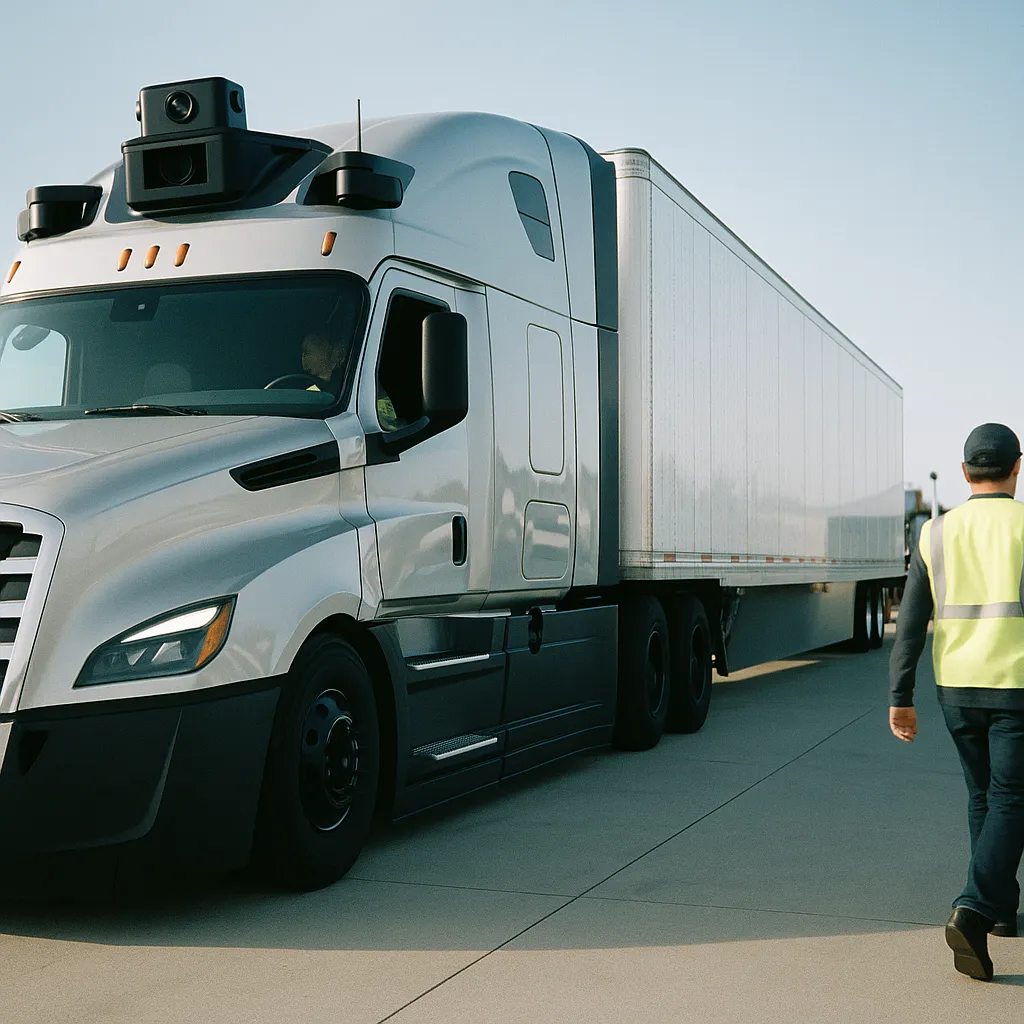
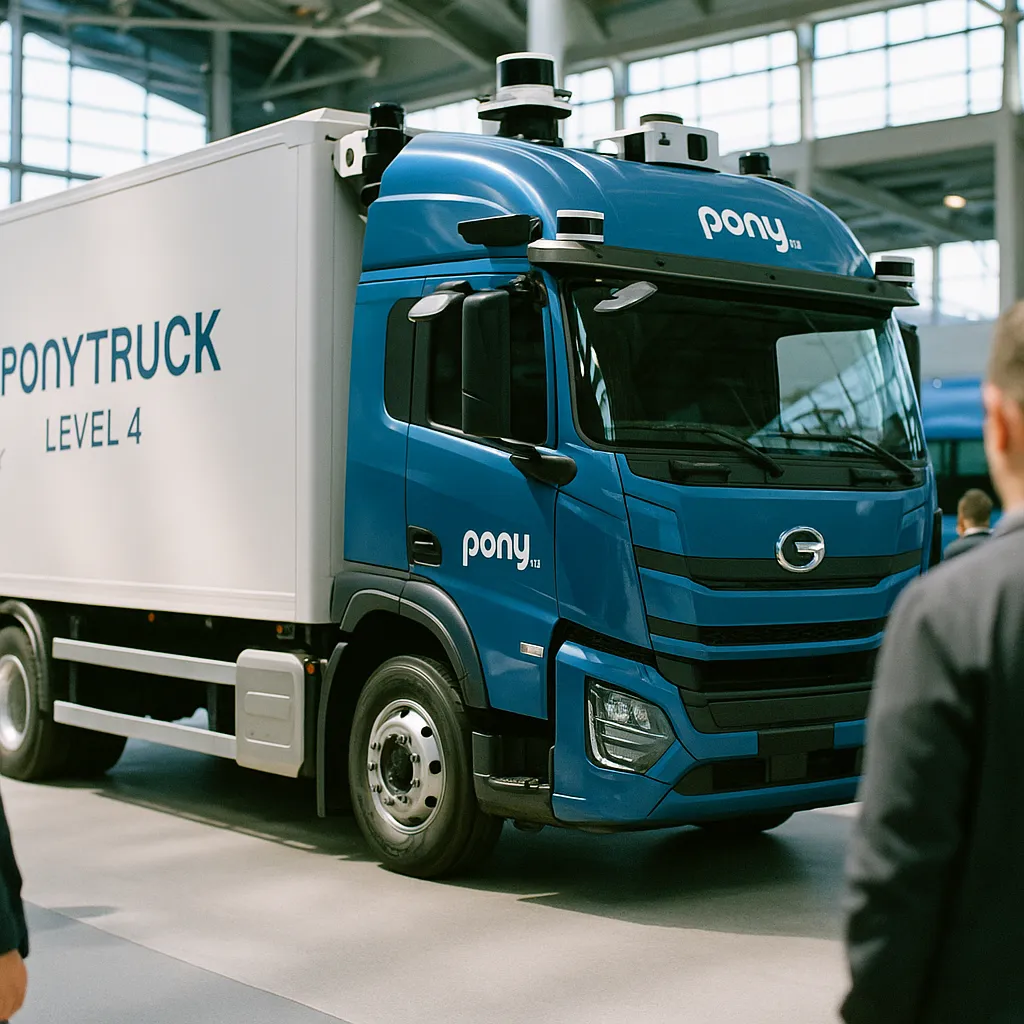
The robotaxi story gets most of the coverage, but the commercial trucking transition may matter more economically. Aurora Innovation is now operating commercially on Texas freight lanes — highway-dominant, predictable-route environments that are structurally more tractable than urban passenger transport. The unit economics favor trucks: fuel savings, driver cost elimination, and 24-hour operational windows compound over long freight routes in ways that don't apply to short urban rides.
Wood Mackenzie's tenfold fleet growth projection is weighted toward freight as much as passenger transport. Industry analysts are tracking whether 2026–2027 becomes the period when AV trucking shifts from proof-of-concept to routine commercial operation — a transition that would affect labor markets, insurance structures, and freight pricing simultaneously.
Infrastructure and Regulatory Gaps
The inflection point declaration comes with caveats. Urban infrastructure was not designed for autonomous vehicle coordination at scale. Curb management, loading zones, traffic signal integration, and data-sharing requirements are being worked out city by city, with no national standard. Cities that invested in smart infrastructure — connected traffic signals, dedicated AV lanes, real-time mapping data partnerships — are materially better positioned to absorb rapid fleet expansion than those that haven't.
Insurance and liability frameworks are similarly fragmented. Some states have clear AV liability rules assigning fault to operators or manufacturers in defined scenarios. Many states do not. As the fleet scales toward 100,000 vehicles, a patchwork of state liability frameworks creates compliance complexity that federal intervention or multistate compacts will eventually need to resolve.
What to Watch
Waymo's city expansion announcement schedule over the next six months is the near-term indicator. If the company announces and begins operations in new markets on pace for 27 total cities by year-end, the million-ride-per-week target is credible. If city launches stall due to permitting delays, fleet supply constraints, or regulatory friction, the timeline extends into 2027.
Aurora's next public milestone is Q3 2026 commercial freight volume data from its Texas operations. Sustained commercial freight — measured in revenue miles without safety incidents — will be the signal that triggers wider investor confidence and accelerates the trucking transition timeline.
Hector Herrera is the founder of Hex AI Systems and author of NexChron.
Did this help you understand AI better?
Your feedback helps us write more useful content.
Get tomorrow's AI briefing
Join readers who start their day with NexChron. Free, daily, no spam.