Aurora, Waabi, and Gatik have moved beyond proof-of-concept into scaled commercial autonomous trucking, with 60,000-plus driverless freight orders completed and 200+ driverless trucks targeted by year-end.
Autonomous Trucking Reaches Commercial Inflection in 2026: Aurora, Waabi, and Gatik Are Scaling
By Hector Herrera | June 17, 2026 | Transport
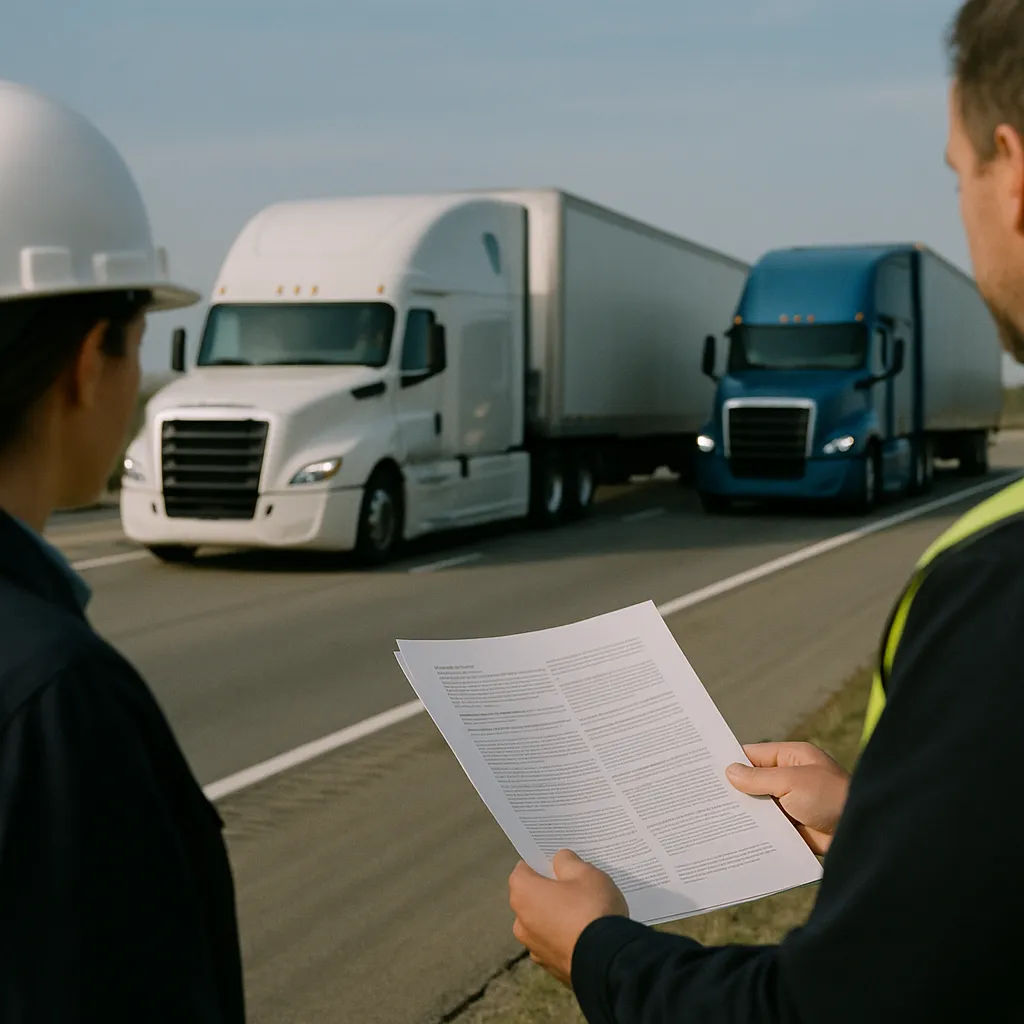
The debate about whether self-driving trucks will ever work commercially is over. As of mid-2026, three companies—Aurora Innovation, Waabi, and Gatik AI—have moved past proof-of-concept and into scaled commercial operations, collectively running millions of driverless miles on US highways with paying customers attached to real freight contracts. The commercial inflection that the autonomous vehicle industry has been promising for a decade is arriving—not in consumer robotaxis, but in fixed-route freight between warehouse hubs.
That specificity matters. The autonomous trucking companies scaling right now are not building technology for every road condition everywhere. They're building technology optimized for a specific use case: point-to-point, geo-fenced freight on predetermined highway corridors—the kind of repetitive, structured driving that AI systems can master without solving every edge case in human transportation.
The Numbers Behind the Inflection
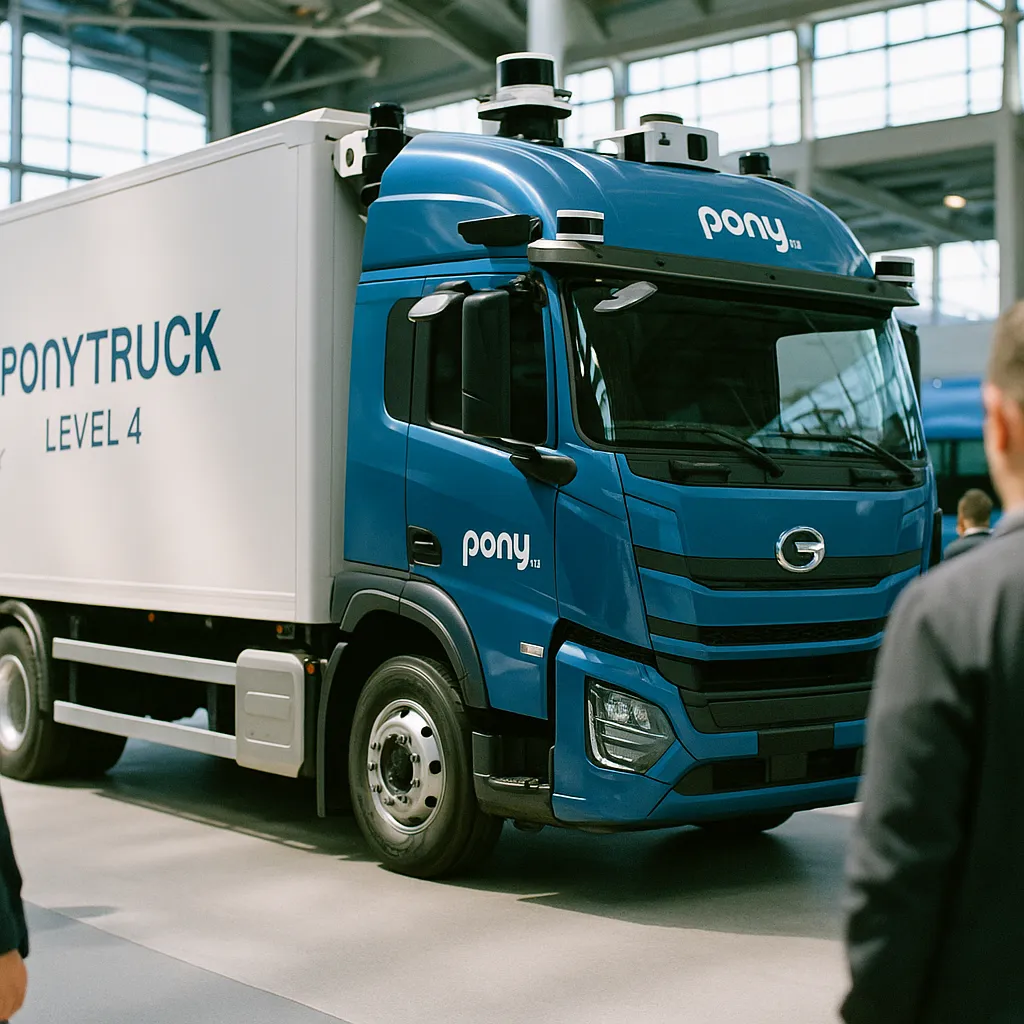
Gatik AI has completed more than 60,000 driverless commercial orders for Walmart and Fortune 50 retailers without a safety incident attributable to the autonomous system. Gatik focuses exclusively on middle-mile logistics—short, fixed routes between distribution centers and retail locations, typically 25 miles or less. That constraint is a feature: by refusing to tackle long-haul highway driving or urban delivery, Gatik operates in an environment its AI has thoroughly mapped and validated.
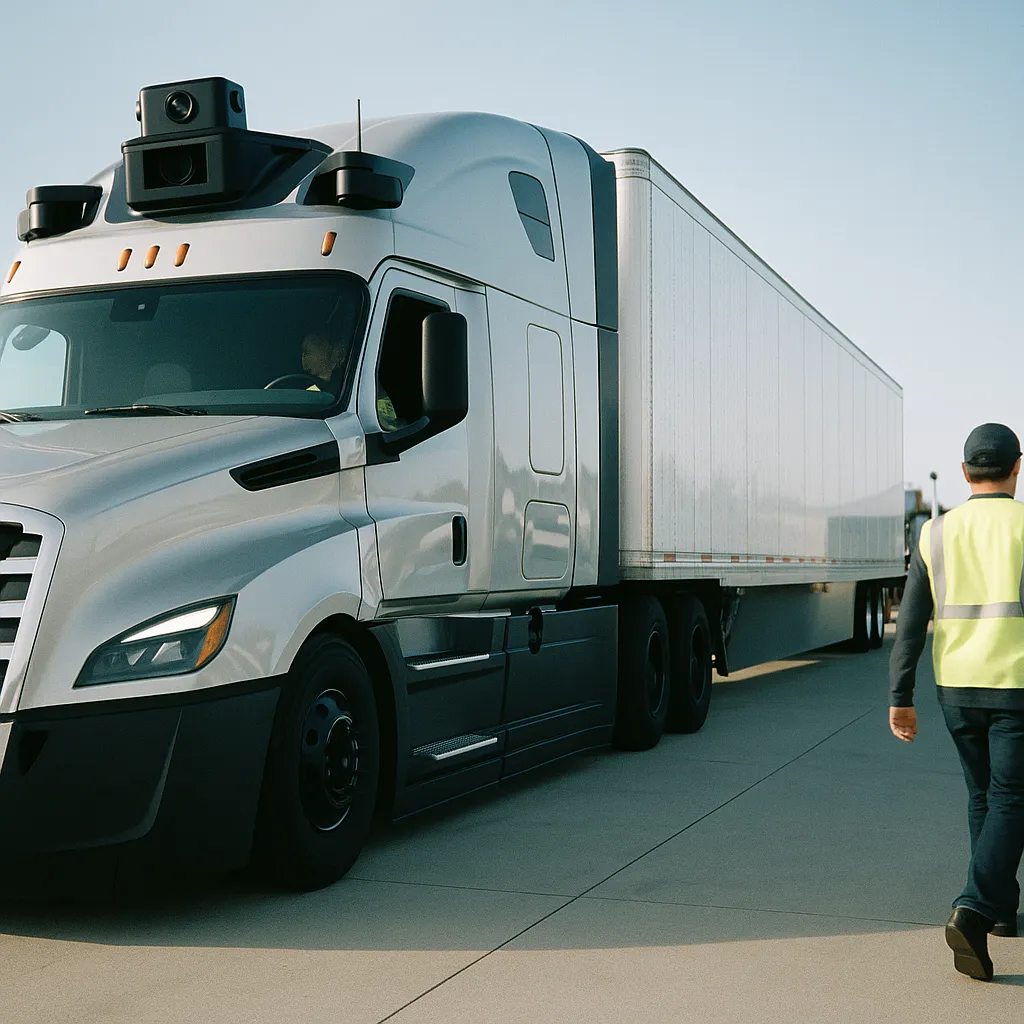
Aurora Innovation is targeting a fleet of 200 or more fully driverless Class 8 semi-trucks operating commercially by the end of 2026. The company removed safety drivers from its Texas routes in April 2026 and has been expanding both the geographic footprint and the number of active freight partners since. Aurora's Aurora Driver—the AI system powering the vehicles—has logged hundreds of thousands of commercial driverless miles on the I-45 corridor between Dallas and Houston.
Waabi is taking a different approach. Backed by $1 billion in funding and armed with an exclusive partnership with Uber Freight for up to 25,000 robotrucks, Waabi built its system architecture around AI-first design from day one rather than adapting a human-trained system. The company uses a generative AI model called Waabi World to simulate driving scenarios at scale, reducing the physical test miles required to train its autonomous system before commercial deployment.
Why Hub-to-Hub Freight and Not Consumer Self-Driving
The pattern emerging from commercial autonomous vehicle deployment—trucking first, robotaxis later—reflects a fundamental difference in operational environments.
A long-haul freight truck running from a distribution center outside Dallas to a logistics hub near Houston on I-45 encounters a predictable set of conditions: highway speeds, lane changes, construction zones, and weather. The route is fixed. The truck runs the same corridor repeatedly. Every mile driven generates training data for that specific operating domain.
A consumer robotaxi navigating downtown San Francisco or New York encounters everything: jaywalkers, double-parked delivery trucks, cyclists making unexpected turns, construction detours, edge cases that appear once in ten thousand miles. The combinatorial complexity is orders of magnitude higher.
Get this in your inbox.
Daily AI intelligence. Free. No spam.
The autonomous trucking companies scaling today chose correctly by constraining the problem. Hub-to-hub freight is the minimum viable autonomous vehicle use case—hard enough to be genuinely useful, bounded enough to be technically solvable at commercial scale in 2026.
What This Means for the Trucking Industry
The short-term commercial implications are significant but more nuanced than early headlines suggested.
Driver shortages in the US trucking industry have been structural for years. The American Trucking Associations estimated a shortage of 60,000 to 80,000 drivers annually before autonomous systems entered the picture. Middle-mile automation doesn't solve the last-mile problem—a human driver still needs to navigate from the logistics hub to individual store locations or customer addresses—but it addresses exactly the segment where driver hours are most constrained and the work is most repetitive.
Cost structure. A human long-haul truck driver earns $70,000 to $90,000 annually, plus benefits, and is limited to 11 hours of driving per day by federal Hours of Service regulations. An autonomous truck doesn't need rest breaks, doesn't earn overtime, and can run 20+ hours if the freight demand exists. For shippers, the economics of autonomous freight are compelling enough that Walmart, Amazon, and multiple large third-party logistics providers have committed to autonomous trucking partnerships.
Safety. This is where the data matters most. Aurora and Gatik have published incident records showing their autonomous systems outperforming the human driver safety baseline on the specific corridors they operate. That's a limited but real data set—these systems haven't been tested in every weather condition, every geography, or every traffic scenario. But for the fixed-route operations currently deployed, the safety argument for autonomy is credible.
The Remaining Barriers
Three challenges will determine how fast autonomous trucking scales beyond the current inflection point:
Regulatory parity. Federal Motor Carrier Safety Administration rules were written for human drivers. Autonomous vehicle operators navigate a patchwork of state and federal requirements that weren't designed with AI systems in mind. Texas and Arizona have been the most accommodating regulatory environments; other states are catching up at different speeds.
Insurance and liability. Who bears responsibility when an autonomous truck is involved in a crash? Current insurance frameworks weren't built for scenarios where the "driver" is a software system owned by one company, deployed on a truck owned by a second, operating on a contract held by a third. Insurance carriers are developing autonomous vehicle coverage products, but pricing and policy terms are still evolving.
Operational integration. Autonomous trucks don't operate in isolation. They need to interface with shipping management systems, integrate into carrier networks, and fit into freight booking workflows. The technology is ahead of the operational infrastructure required to deploy it at full scale.
What to Watch
Aurora's year-end fleet size will be the clearest signal of how fast the commercial inflection is translating into real scale. If the company reaches 200+ driverless trucks on regular commercial routes by December, it validates the timeline projections that have been driving investor confidence. Waabi's Uber Freight deployment—when it begins moving freight at volume—will test whether an AI-first system architecture can compress the validation timeline that traditionally requires millions of physical test miles.
The long-haul highway segment is next. Once hub-to-hub middle-mile is proven at scale, the argument for fully driverless coast-to-coast freight becomes harder to resist economically. The technology, the regulation, and the operational infrastructure are converging—not simultaneously, but close enough to make 2026 the year the autonomous trucking thesis stopped being speculative.
— Hector Herrera
Did this help you understand AI better?
Your feedback helps us write more useful content.
Get tomorrow's AI briefing
Join readers who start their day with NexChron. Free, daily, no spam.