Venti Technologies' AI-powered autonomous yard trucks have surpassed 500,000 operational miles and moved 340,000 shipping containers in live commercial service—making a concrete case that Level 4 autonomy in bounded logistics is no longer a pilot.
Venti Technologies Clears 500,000 Miles and 340,000 Containers in Logistics Hubs
By Hector Herrera | June 12, 2026 | Transport
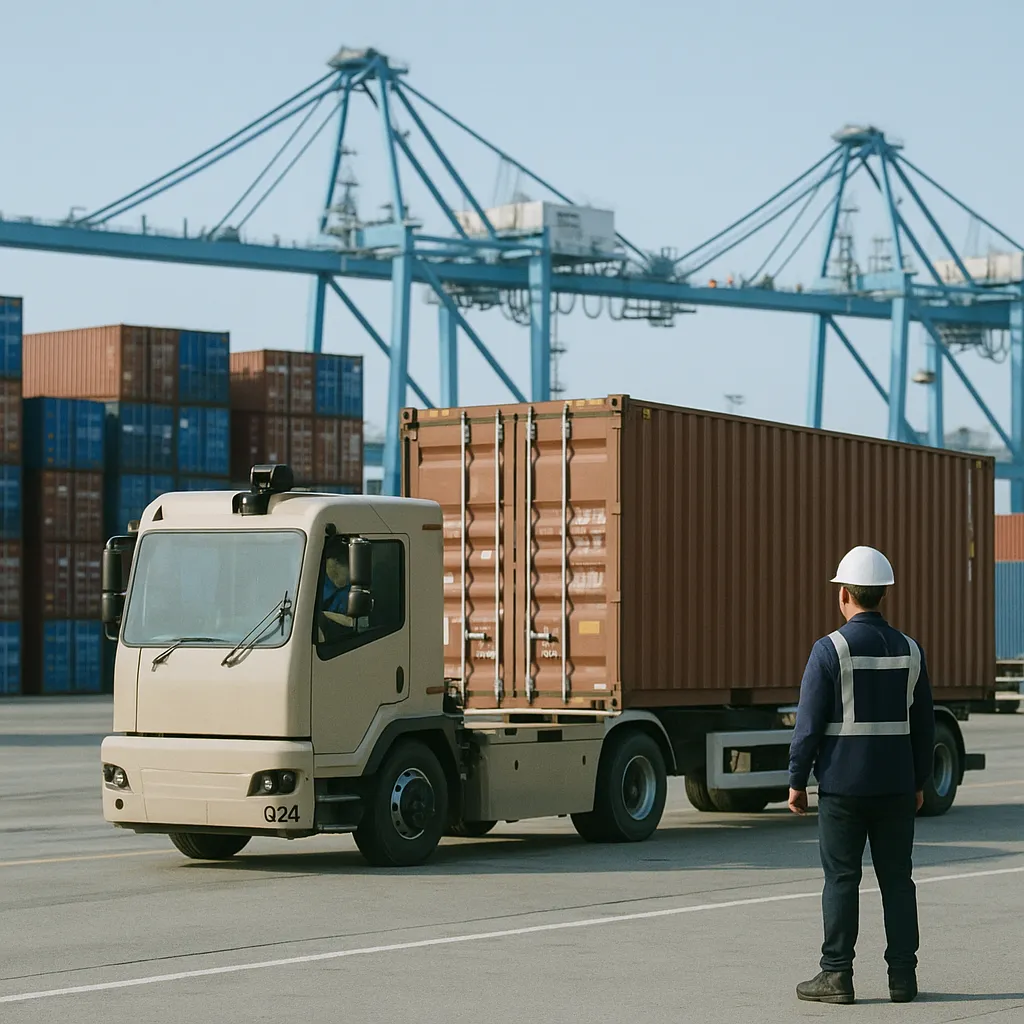
Venti Technologies announced on June 11 that its AI-powered autonomous yard trucks have surpassed 500,000 operational miles and moved [more than](/finance/majority-americans-ai-personal-finance-2026) 340,000 shipping containers across ports, rail yards, and warehouse campuses — running 24 hours a day in commercial service for over two and a half years. These are not demo numbers on a closed test track. They are production numbers from live freight operations, and they make a straightforward argument: Level 4 autonomy in bounded industrial logistics is no longer a technology demonstration. It is a running business.
Venti occupies a different lane than the highway autonomous trucking companies that dominate coverage. Rather than the PR-intensive challenge of navigating unpredictable open roads, Venti focuses on yard operations — the last hundred yards of the logistics chain where trucks shuffle containers between loading docks, staging areas, and transportation connections inside port facilities and distribution centers. The environment is bounded, the routes are defined, and the value of automation is immediate and measurable.
What 500,000 Miles Actually Means
Half a million miles in any autonomous vehicle program would be notable. In a yard environment, where vehicles operate in close proximity to human-driven equipment, pedestrians, cranes, and time-sensitive cargo movements, it is a serious operational milestone.
Venti's systems achieve centimeter-precision parking — a technical capability that matters practically, because imprecise container placement creates cascading delays across a port's entire scheduling system. A truck that stops two feet from where it should forces a crane repositioning, which delays the next truck, which backs up the next vessel departure. Precision isn't an engineering nicety; it's the operational outcome the entire port depends on.
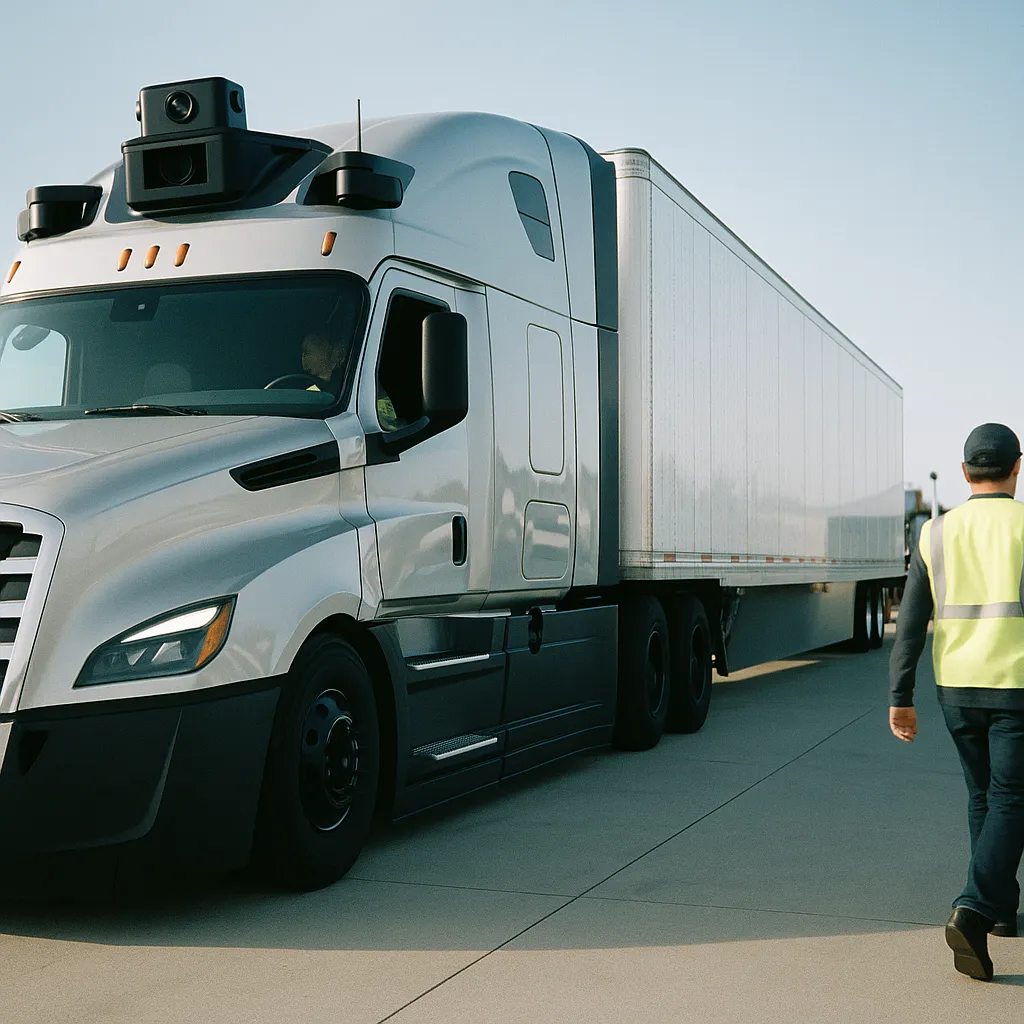
The vehicles run alongside conventional human-operated trucks without dedicated lanes or separated infrastructure. This is a critical commercial differentiator. Many early autonomous vehicle pilots required significant infrastructure investment — designated zones, special sensors embedded in road surfaces, modified traffic patterns. Venti's approach works in existing environments, which dramatically reduces the barrier to deployment for port operators who cannot shut down operations to install new infrastructure.
Get this in your inbox.
Daily AI intelligence. Free. No spam.
Two and a Half Years of Commercial Service
Venti's commercial operations began in 2023, which means the 500,000-mile figure represents sustained performance over a meaningful operational period — not a brief demonstration sprint followed by an engineering pause. The 340,000 containers moved translates to real freight: goods that arrived on schedule because the handoff between vessel and truck happened without the delays, shift changes, and fatigue-related variability that affect human yard operations.
Port and logistics operators face a structural labor challenge that autonomous yard trucks address directly. Container volumes at major U.S. ports have grown steadily, but the pool of licensed commercial drivers willing to work yard shift work — nights, weekends, in all weather — has not kept pace. The work is demanding, repetitive, and increasingly hard to staff. Autonomous yard trucks don't call in sick, don't accrue overtime, and don't need a rest break at hour nine of a twelve-hour container surge.
The Competitive Landscape
Venti is not the only company in autonomous yard logistics. Outrider and Gatik have also deployed autonomous vehicles in bounded freight environments. What distinguishes Venti's announcement is the scale: 500,000 miles across multiple global sites — including ports in Asia and logistics hubs in North America — demonstrates cross-market operability that single-site pilots cannot claim.
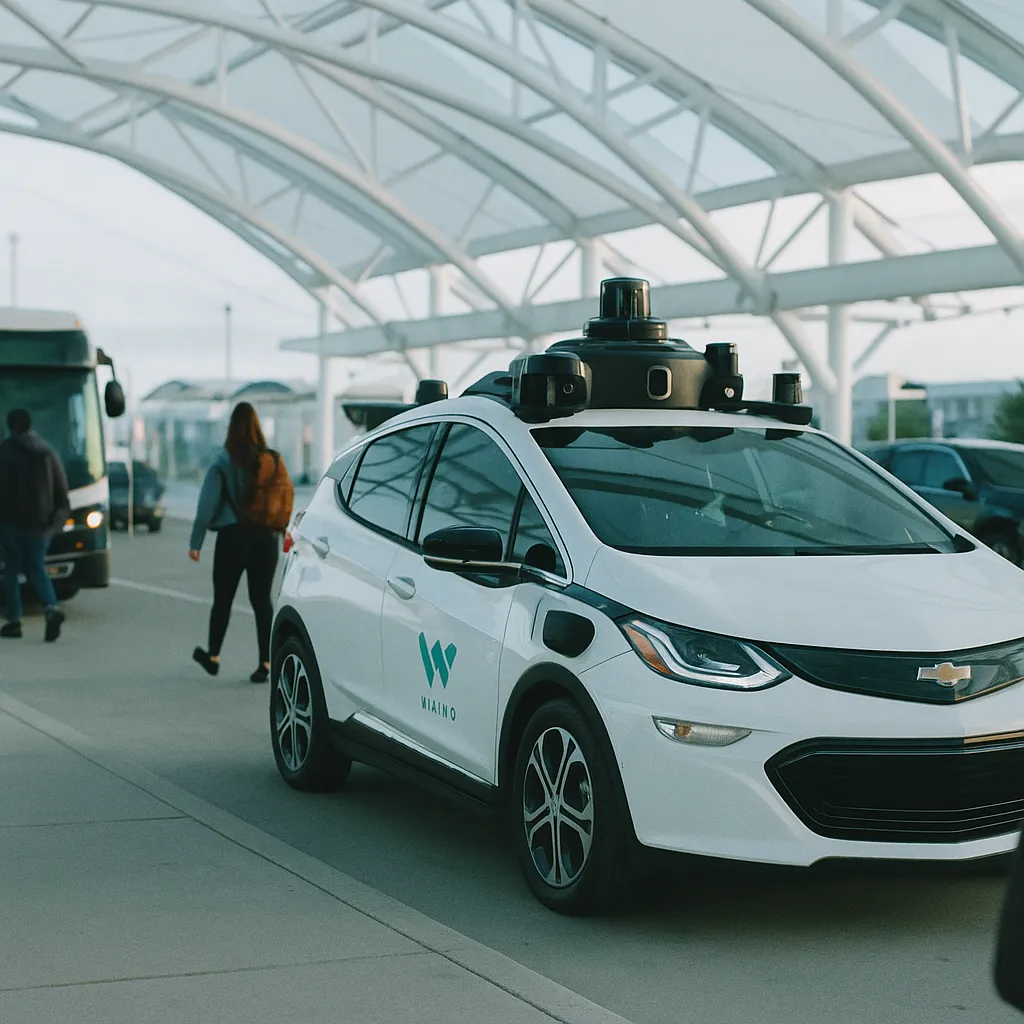
For comparison: Waymo, the most-cited autonomous vehicle milestone setter, recently announced 1 million weekly passenger rides across its robotaxi network, a number it reached after more than a decade of development. Venti's logistics numbers are on a different scale, but they are in a market where the economic case for autonomy is simpler to make — a port operator can calculate the direct labor offset with a spreadsheet.
Impact: Who Changes Behavior
Port operators and logistics companies have now seen enough production evidence to move autonomous yard truck procurement from experimental budget to capital planning. The two and a half years of operational data makes risk models tractable. Insurers can price it. CFOs can model the ROI. Operations teams can train against real incident data rather than theoretical scenarios.
Labor unions representing port workers and long-haul truckers are watching yard automation closely. Yard trucks represent a different labor population than highway drivers — lower wages, less union density, more turnover. But the automation patterns established in yard environments will inform the commercial and regulatory frameworks that eventually apply to highway autonomy.
Competitors and investors in autonomous vehicle programs that have not yet reached commercial scale face a more demanding fundraising environment when a company like Venti can show 500,000 miles and 340,000 containers as proof of production readiness.
What to Watch
Venti has not disclosed the specific port and rail yard operators in its client base, but a company that has crossed these milestones will be seeking to expand its commercial footprint in 2026. Watch for partnership announcements with major ocean carriers — companies like Maersk and MSC have been actively investing in port automation — and for whether any major U.S. West Coast port authorities issue autonomous yard truck RFPs in the second half of this year.
Sources: Venti Technologies 500K Miles Announcement, Business Wire
Did this help you understand AI better?
Your feedback helps us write more useful content.
Get tomorrow's AI briefing
Join readers who start their day with NexChron. Free, daily, no spam.