Waymo Plans 27 U.S. Cities and One Million Weekly Rides by End of 2026
By Hector Herrera | June 11, 2026 | Vertical: Transport | Type: Company News
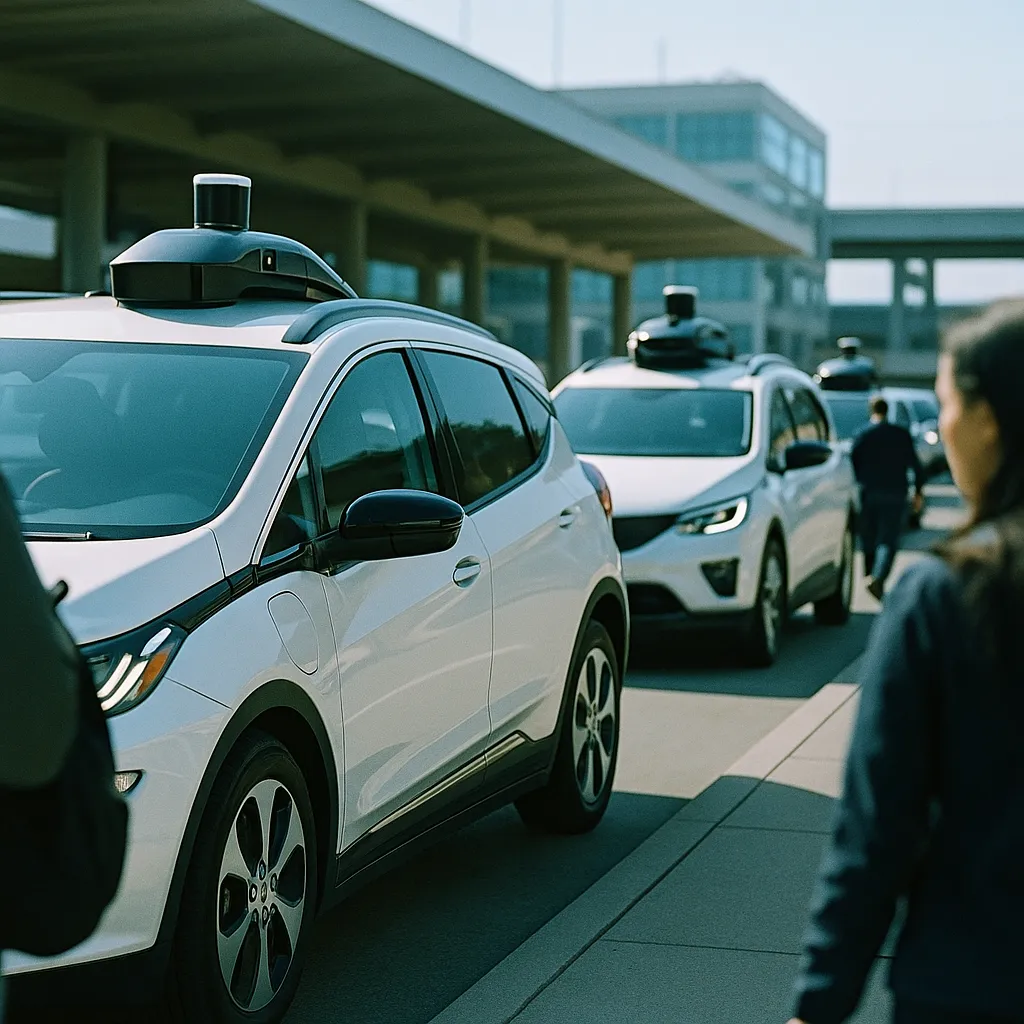
Waymo plans to expand its robotaxi service from five U.S. markets to 27 cities by year-end 2026 and reach one million rides per week — a scale that would make it the largest autonomous ride-hailing fleet on the planet. According to a new industry analysis, the expansion is anchored by a lower-cost sixth-generation vehicle platform and deepened logistics partnerships with Uber and Avis Budget Group. Driverless taxis are no longer a technology demonstration. They are becoming commercial infrastructure.
Background
Waymo, the autonomous vehicle division spun out of Google's X lab, has operated commercial robotaxi services in San Francisco, Phoenix, Los Angeles, Austin, and Atlanta. That five-city footprint, built over more than a decade and roughly $40 billion in Alphabet investment, demonstrated that fully driverless rides were safe and commercially viable. The challenge has always been unit economics at scale: Waymo's first-generation vehicles cost far more per mile to operate than human-driven rideshare.
The sixth-generation Waymo Driver platform — the hardware-software stack controlling the vehicle — is designed to cut those costs significantly, enabling the geographic expansion the company has been signaling since 2024.
The Details
- Current markets: San Francisco, Phoenix, Los Angeles, Austin, Atlanta (5 cities)
- 2026 target: 27 U.S. cities by year-end
- Volume target: 1 million rides per week
- Vehicle platform: Sixth-generation Waymo Driver, lower cost than prior iterations
- Logistics partners: Uber (ride distribution) and Avis Budget Group (fleet management and maintenance)
- Industry projection: Global driverless taxi fleet exceeds 100,000 vehicles by 2030 — a 10x increase from current levels, according to industry analysts cited by Design News
The Uber partnership is strategically significant. Rather than competing head-to-head with Uber in the ride-hailing market, Waymo gains access to Uber's dispatch network and customer base while Uber gains autonomous vehicles for routes its human drivers don't cover efficiently. Avis provides the physical infrastructure — charging, cleaning, maintenance depots — that Waymo's asset-light model requires.