Volkswagen gained Chinese regulatory approval for Level 3 AV testing while Stellantis announced a three-way AV partnership with Wayve, Nvidia, and the French government — both on November 4.
Volkswagen gained Chinese regulatory approval to begin Level 3 autonomous driving tests on November 4, while Stellantis announced a three-way partnership with Wayve, Nvidia, and the French government to advance AV deployment on French roads. The twin moves signal that European automakers have stopped watching from the sidelines and are accelerating AV strategies — in some cases by going to the geographies and technology partners most likely to let them move fast.
The timing matters: European carmakers have consistently trailed their US and Chinese counterparts in autonomous vehicle development. These two moves, on the same day, suggest a coordinated urgency rather than coincidence.
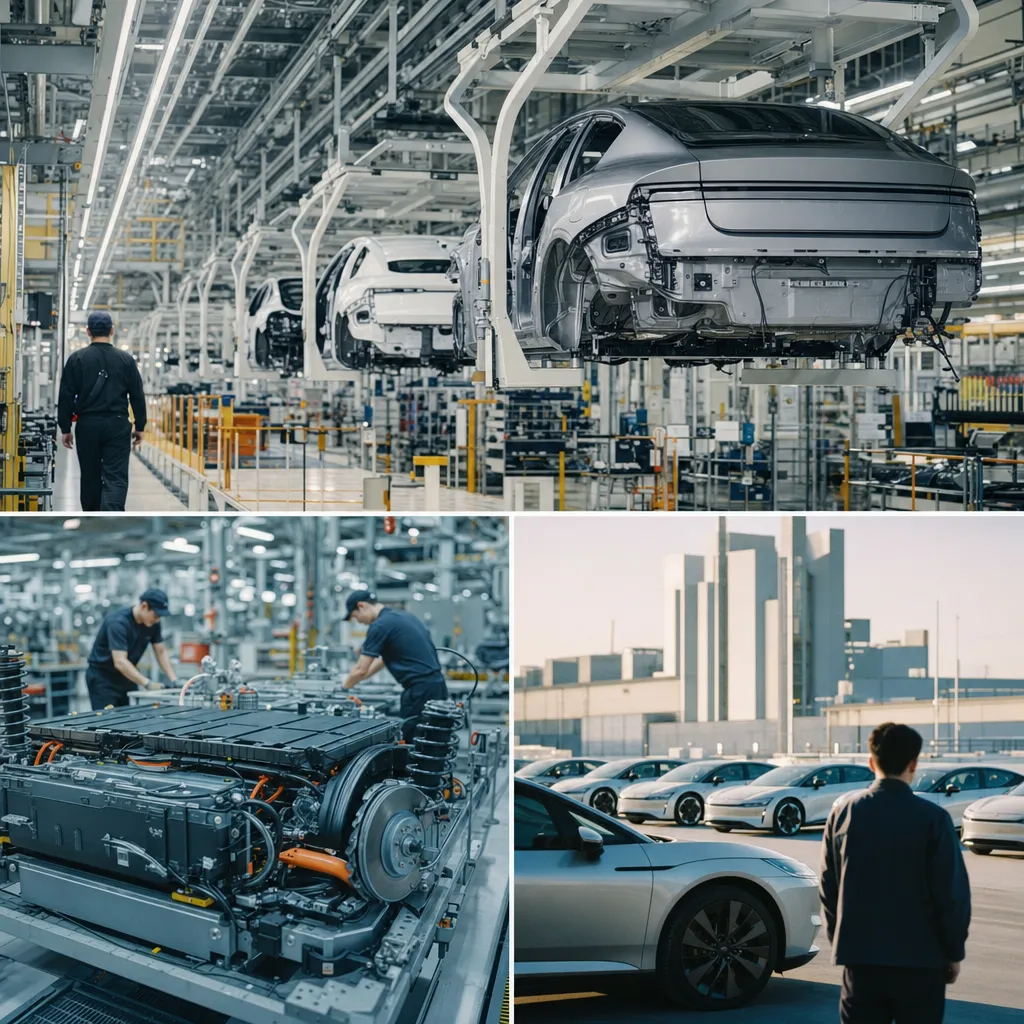
Volkswagen in China: Level 3 Approval
Level 3 autonomous driving — where the car controls all driving tasks under defined conditions and the driver may disengage attention, but must be able to take over when prompted — has been treated cautiously in most markets due to the ambiguity of human-machine responsibility at handoff.
China has been more permissive. Regulators have designated testing zones and granted conditional approval pathways faster than the US or EU, making China the preferred proving ground for OEMs that need real-road mileage on Level 3 systems before they can commercialize anywhere.
VW's approval covers Level 3 tests — not commercial deployment. But it represents a significant gate: German manufacturers have had the technology in various states of readiness for several years; what has been missing is regulatory clearance to test it at meaningful scale in conditions that reflect actual consumer use.
Volkswagen operates in China through joint ventures with SAIC and FAW; it is not yet disclosed which vehicles or routes are covered by the approval. VW's CARIAD software division, which has faced well-publicized delays and leadership changes since its founding in 2020, will be responsible for the AV software stack.
Get this in your inbox.
Daily AI intelligence. Free. No spam.
Stellantis: A Three-Way Bet on France
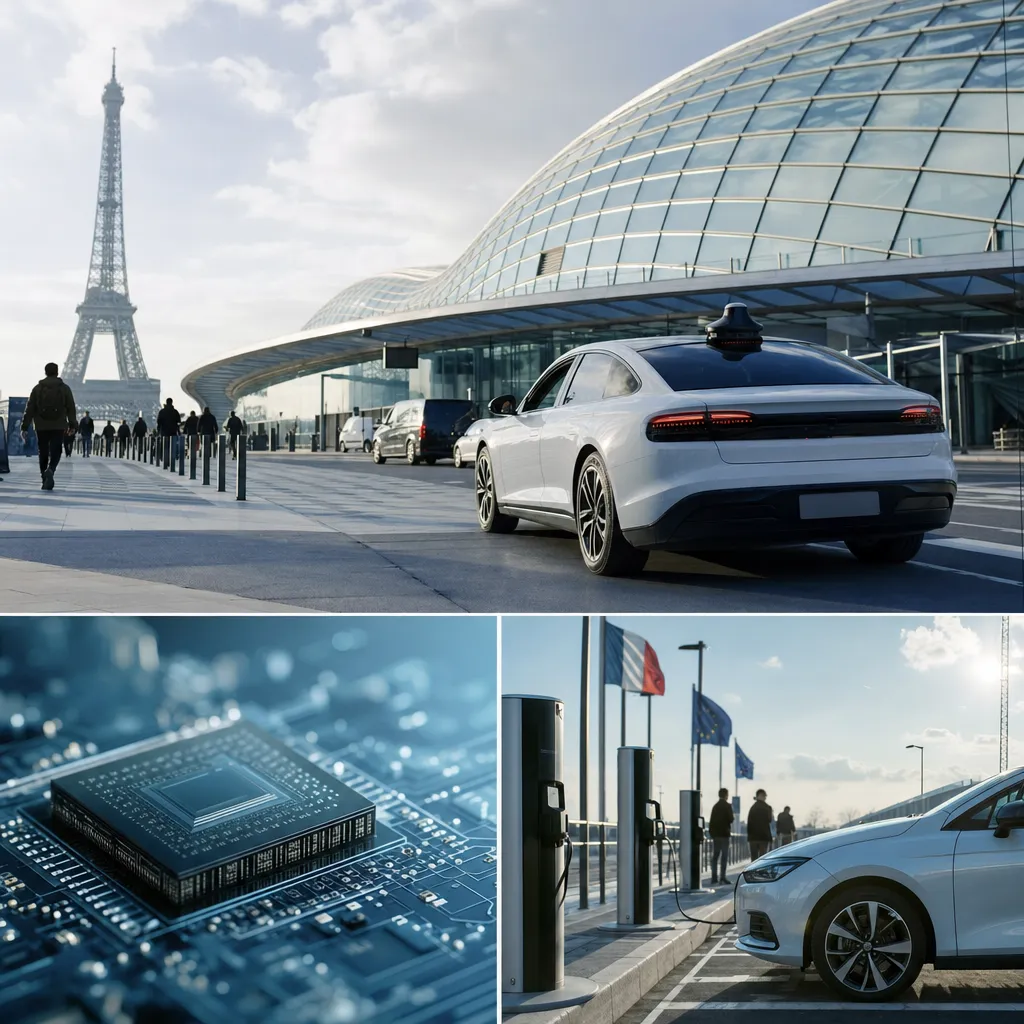
Stellantis' partnership is structured differently. Rather than developing AV technology in-house, the company is integrating Wayve's AI-native driving software with Nvidia's DRIVE platform — and doing it on French roads with French government support.
This is a notable architecture choice. Wayve, the London-based startup that raised $1.05 billion from SoftBank in 2024, builds end-to-end neural network driving models — systems that learn driving behavior from data rather than being programmed with explicit rules. That approach is more scalable across different geographies than rule-based systems but requires significant data collection in each new market.
Nvidia's DRIVE platform provides the compute infrastructure running in-vehicle — the same hardware used by several other AV programs globally. The French government's involvement likely includes data-sharing agreements, test-corridor access, and potentially funding mechanisms; details of the government component have not been fully disclosed.
For Stellantis — the parent of Peugeot, Citroën, Fiat, Jeep, Chrysler, and Opel among others — the France deployment represents a contained-but-consequential bet. The European AV market is more heavily regulated than China's, so any successful commercial pathway here would have significant implications for Stellantis' broader European position.
Why European OEMs Are Moving Now
The acceleration reflects several pressures converging simultaneously:
Chinese competition: BYD, Li Auto, Huawei, and Baidu's Apollo have all deployed advanced driver-assistance and partial autonomy systems at commercial scale in China. As those companies expand internationally, European carmakers face a window that narrows with every model cycle.
Regulatory runway: The EU AI Act provides a framework for autonomous systems; individual member states are separately defining road-testing rules. France has been relatively permissive for AV pilots. Getting data and approvals locked in now positions Stellantis ahead of competitors for commercial deployment when EU-wide rules stabilize.
Technology partnerships: Both VW and Stellantis are outsourcing critical AV software components rather than building entirely in-house — Stellantis explicitly (Wayve + Nvidia), VW through its ongoing partnerships after CARIAD's internal challenges. This reflects a broader industry shift: even large OEMs are acknowledging they cannot build competitive AI driving stacks alone.
What to Watch
Watch VW's first published safety data from its China Level 3 test program — the disengagement rates and intervention statistics will indicate whether the CARIAD stack is competitive with Waymo, Zoox, or the Chinese players operating on the same roads. For Stellantis and Wayve, the defining question is timeline to commercial deployment: Wayve's end-to-end approach requires substantial French road data before it can operate without safety driver oversight. Neither company has committed to a commercial launch date.
Did this help you understand AI better?
Your feedback helps us write more useful content.
Get tomorrow's AI briefing
Join readers who start their day with NexChron. Free, daily, no spam.