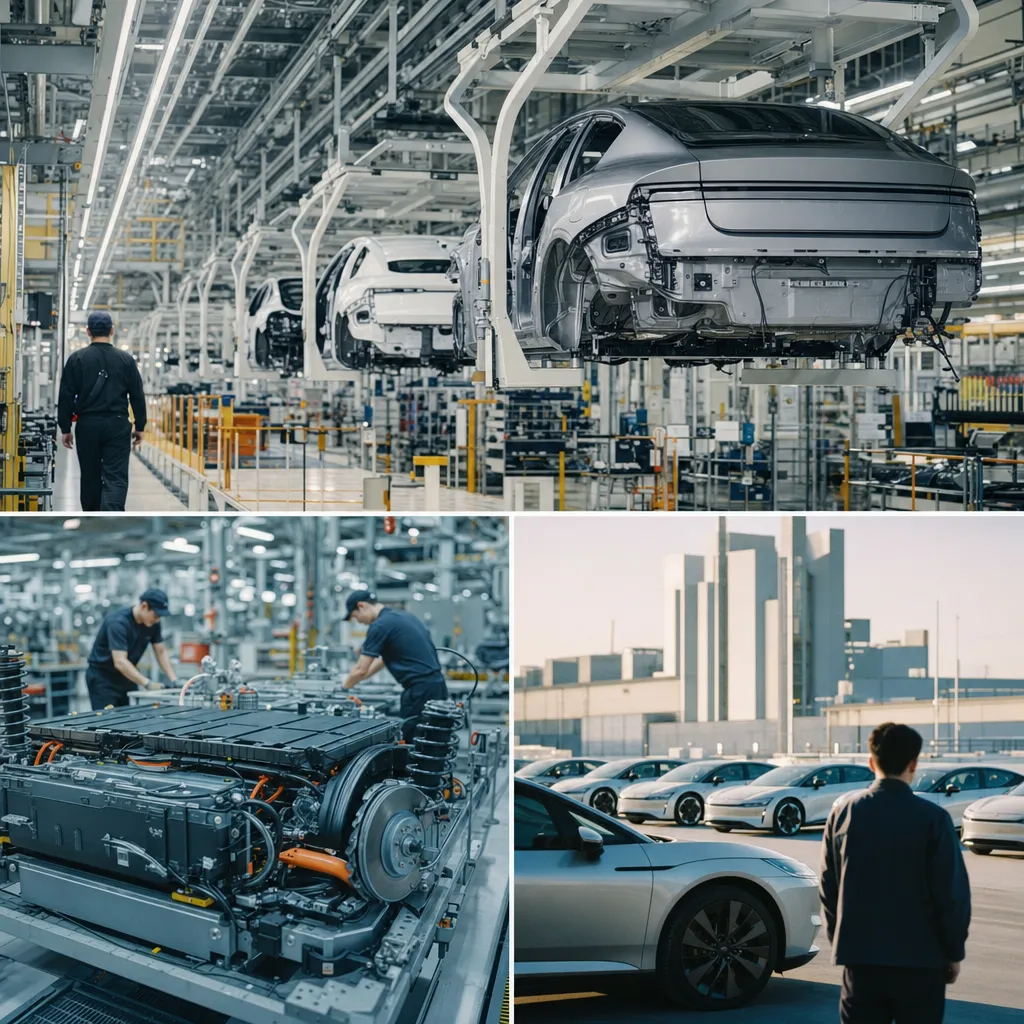
Toyota will manufacture Waymo-integrated bZ4X electric SUVs at its Japanese factories, targeting robotaxi deployments in Japan, the UK, and additional international markets — Waymo's first move beyond the United States.
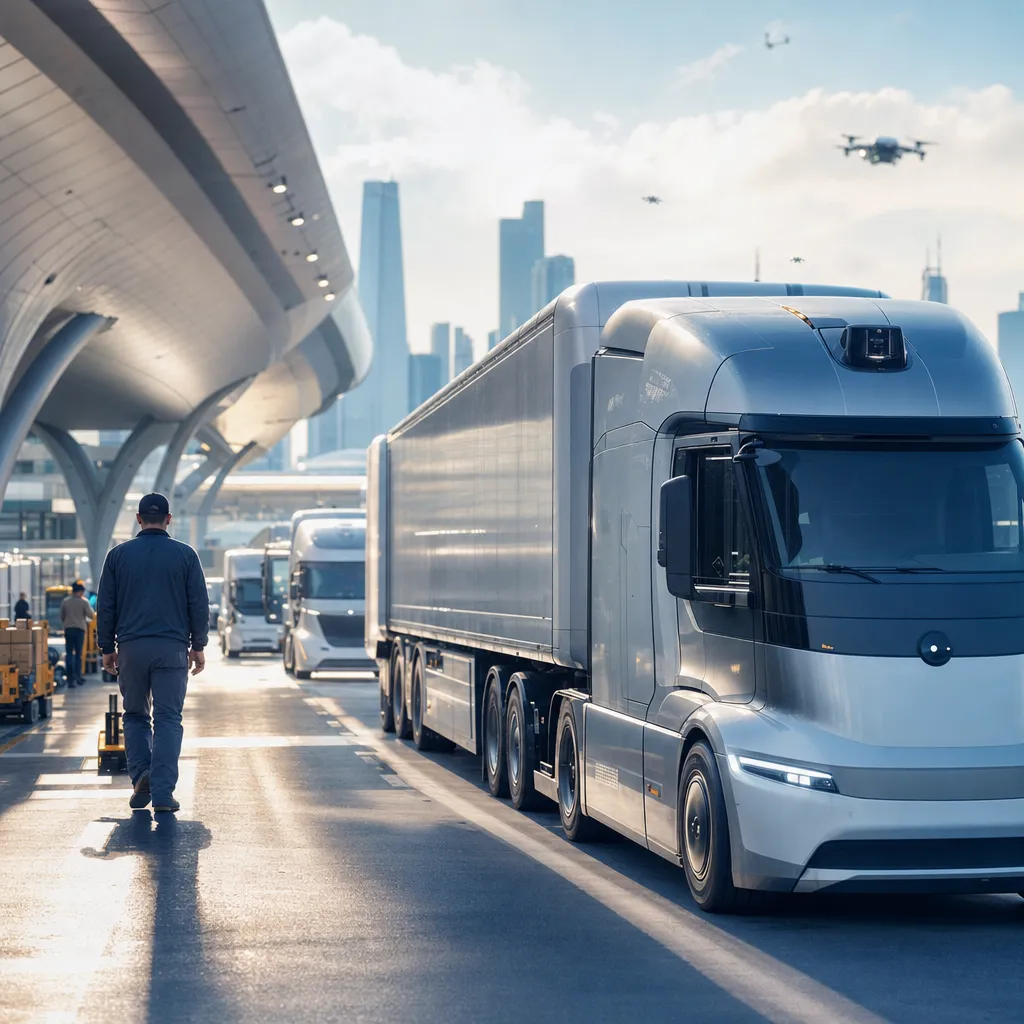
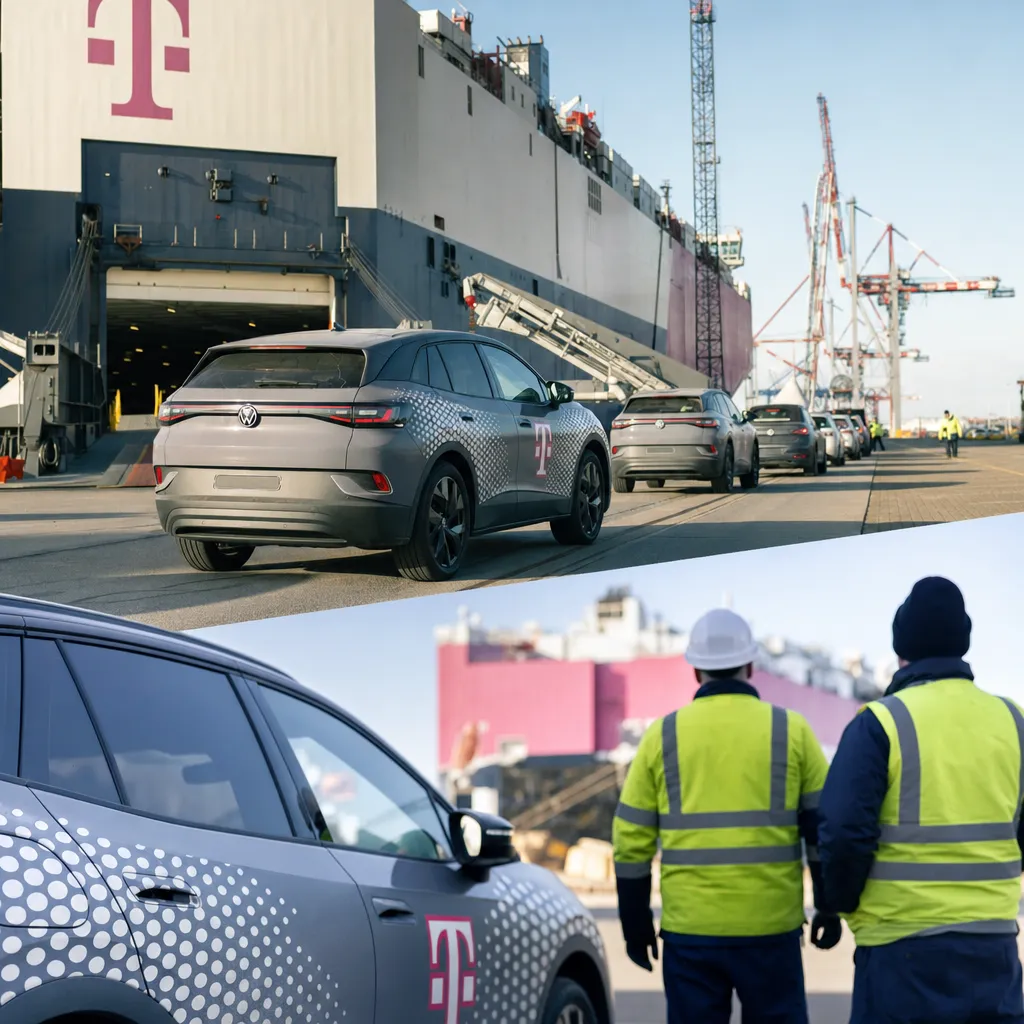
Toyota will manufacture autonomous-vehicle-ready bZ4X electric SUVs integrated with Waymo's self-driving system at its Japanese production facilities, targeting robotaxi deployments in Japan, the United Kingdom, and additional international markets that Waymo cannot reach with its current US-built fleet. The partnership is the clearest signal yet that the second wave of autonomous vehicle development — larger, better-funded, and more commercially grounded than the first — is real and accelerating.
For Waymo, this solves a constraint that has limited its growth for years. For Toyota, it signals a strategic bet that AV integration, not just EV production, is the core battleground in the next decade of automotive competition.
The Production Bottleneck Waymo Just Solved
Waymo has been operating commercially in San Francisco, Phoenix, Los Angeles, and Austin. Its fleet has historically been built on the Jaguar I-PACE platform — a capable AV integration vehicle that Jaguar produces in limited numbers. That production ceiling has been a meaningful constraint on Waymo's ability to scale.
According to TechCrunch, the Toyota partnership changes that equation. The bZ4X is a mass-production platform. Toyota manufactures vehicles at a scale that makes Jaguar's output look like a proof-of-concept run. By moving AV integration into Toyota's production pipeline, Waymo gains access to manufacturing capacity that could support fleet sizes orders of magnitude larger than what has been possible to date.
The vehicles will be built at Toyota's Japanese facilities with Waymo's sensor suite, compute hardware, and autonomy stack integrated at the manufacturing stage — not retrofitted after delivery. Factory-integration of AV hardware is significantly more efficient and reliable than post-production installation, and reduces the cost per vehicle when the sensor hardware is part of the base assembly process.
Japan, the UK, and Beyond
The target markets for the Toyota-built fleet — Japan, the United Kingdom, and additional international markets — are significant choices. Waymo has never operated commercially outside the United States. Each new market requires separate regulatory approval, liability framework navigation, and HD (high-definition) mapping of road networks.
Japan is an interesting first choice. The Japanese government has been moving faster on AV regulation than most markets, with Level 4 autonomous operation (fully driverless on specific routes) already permitted for select commercial deployments. Japan also has a well-documented demographic challenge — an aging population with significant transportation access needs — that creates genuine demand for autonomous ride services independent of tech enthusiasm.
Get this in your inbox.
Daily AI intelligence. Free. No spam.
The UK has enacted legislation specifically enabling autonomous vehicle commercial deployment, with the Automated Vehicles Act providing a legal framework that the US federal government has not yet matched in coherence. UK regulators have been actively courting AV operators. For Waymo, the UK may offer a Western European beachhead with more regulatory clarity than the EU's fragmented member-state approach.
The Second AV Wave Context
The Toyota-Waymo partnership lands in the middle of what analysts are calling the second wave of autonomous vehicle development. The first wave — roughly 2015 to 2022 — produced demonstration fleets, billions in investment, and very few commercially operating vehicles. The second wave, which began accelerating in 2023 and reached a peak in 2026, is different in character.
81 new autonomous vehicle startups submitted funding pitches in 2026 alone — two-thirds more than any prior year. The second wave is characterized by:
- Hardware consolidation: Fewer sensor vendors (Luminar, Ouster, and a handful of others have consolidated the lidar market), more standardized compute platforms
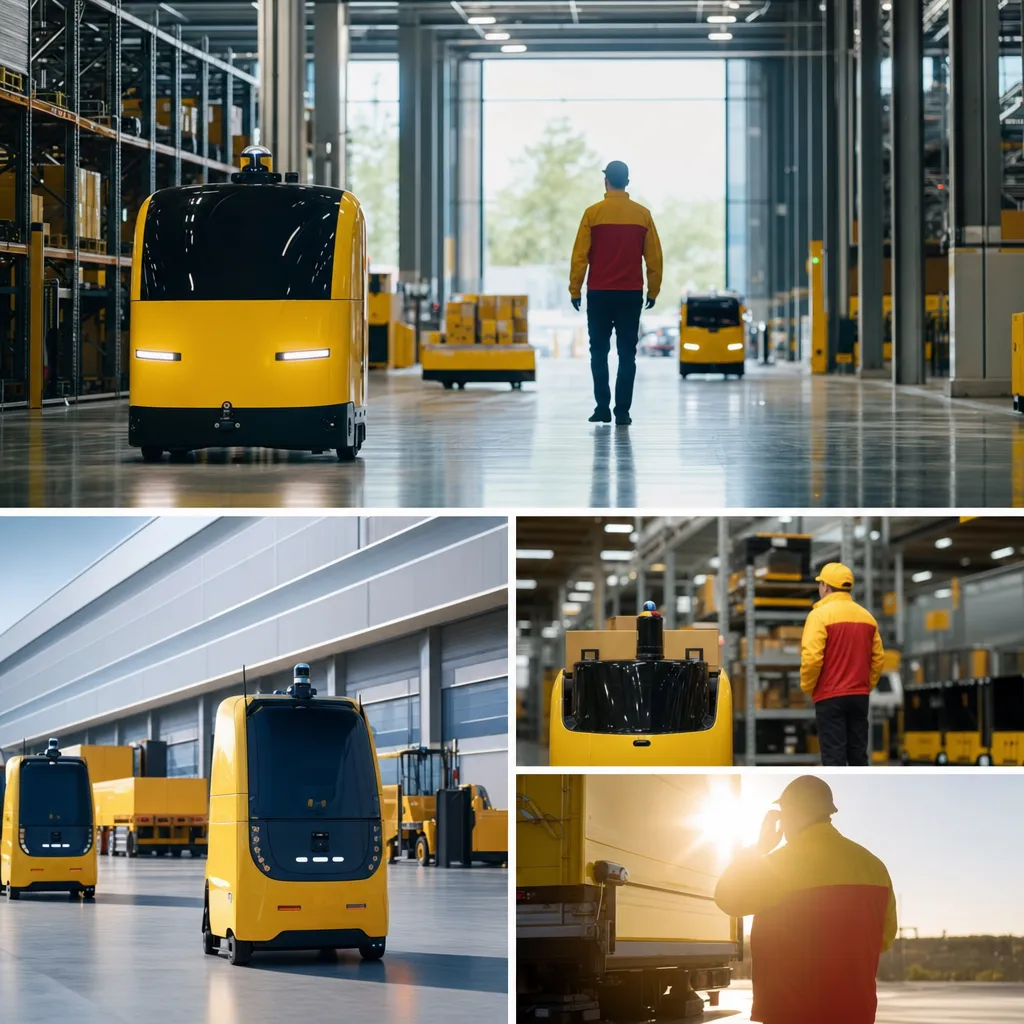
- Genuine commercial revenue: Waymo, Zoox, Nuro, and several Chinese operators are generating real fare and delivery revenue, not just demo rides
- OEM integration: Rather than AV companies building their own vehicles, the model is shifting toward integration with existing automotive platforms — exactly the Toyota-Waymo structure
The first wave companies that survived did so by abandoning the "build everything" approach and partnering with manufacturers who know how to produce vehicles at scale. Toyota is the largest manufacturer in the world. This partnership represents the logical endpoint of that strategic shift.
What It Means for the AV Market
The competitive dynamics shift meaningfully. Toyota building Waymo-integrated vehicles creates a production partnership that rivals will struggle to match in the near term. General Motors' Cruise program has faced significant setbacks following its 2023 pedestrian incident. Ford's Argo AI was shut down. Zoox, owned by Amazon, is focused on delivery robotics rather than passenger transport.
The main competitive pressure comes from China. Baidu's Apollo Go, Pony.ai, and WeRide are all operating at commercial scale in Chinese cities and have begun expansion discussions for international markets. If Chinese AV operators establish international deployments ahead of Waymo's new fleet coming online, they may capture regulatory relationships and mapping infrastructure that is hard to replicate.
The Toyota-Waymo production timeline matters. If the first Japan-built vehicles are ready for deployment by late 2027, Waymo could have international operations running before most Chinese competitors have cleared international regulatory hurdles. If production delays push that to 2028 or beyond, the competitive window narrows.
What to Watch
The first production milestone — when Toyota confirms the bZ4X assembly line integration is complete and vehicles are being built — will be the signal that this is real manufacturing, not an announced partnership. After that, watch for the first regulatory approvals in Japan and the UK for commercial operation.
The broader second-wave narrative also depends on whether Waymo's international expansion generates the revenue profile that justifies the production investment. Waymo has been valued at over $45 billion. That valuation needs international expansion to become defensible. Toyota has skin in the game too — this partnership positions Toyota's bZ4X as the platform vehicle of choice for the global robotaxi market, which matters for Toyota's EV strategy in markets where EV adoption is otherwise lagging.
Source: TechCrunch, November 1, 2026
Did this help you understand AI better?
Your feedback helps us write more useful content.
Get tomorrow's AI briefing
Join readers who start their day with NexChron. Free, daily, no spam.