Global clean energy capacity additions are declining in 2026 for the first time since 2021, colliding with accelerating AI data center power demand — and Australia's Project Ares just missed its 2028 target due to grid delays.
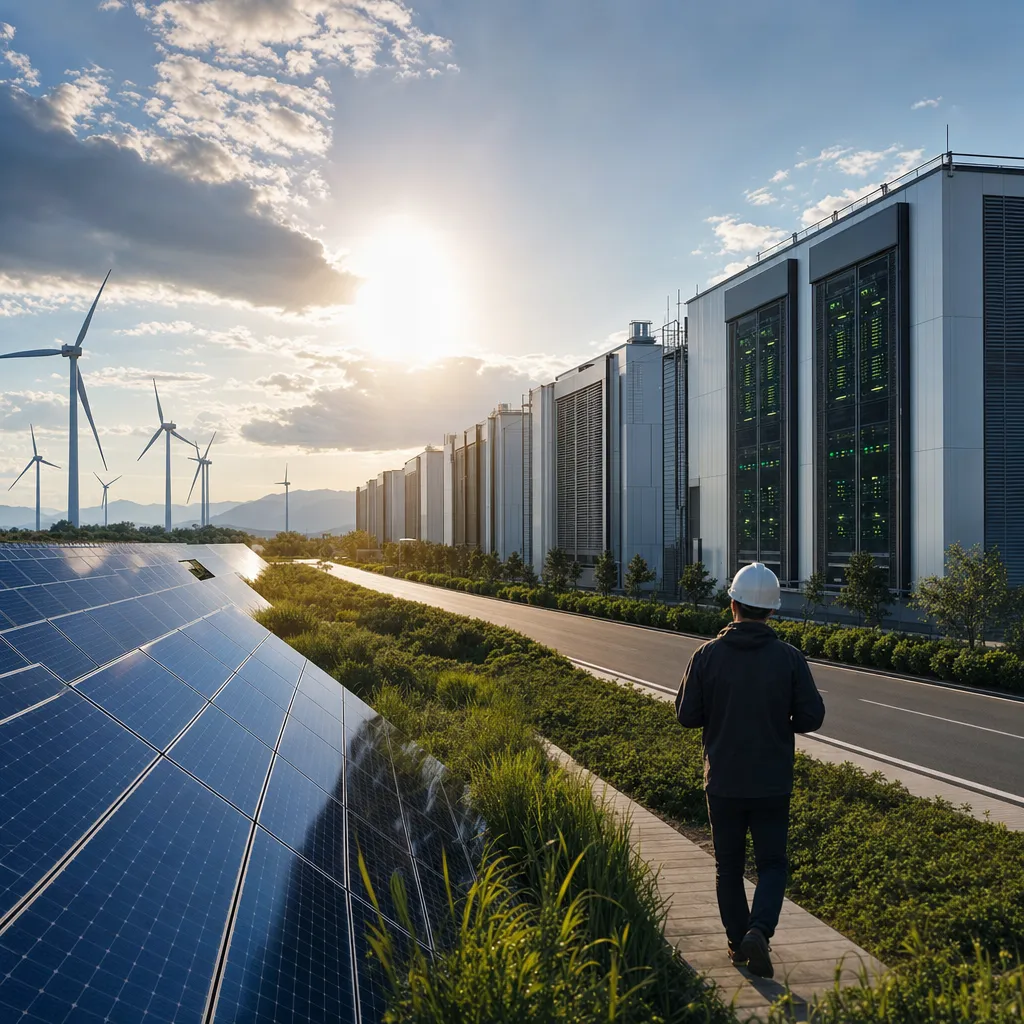
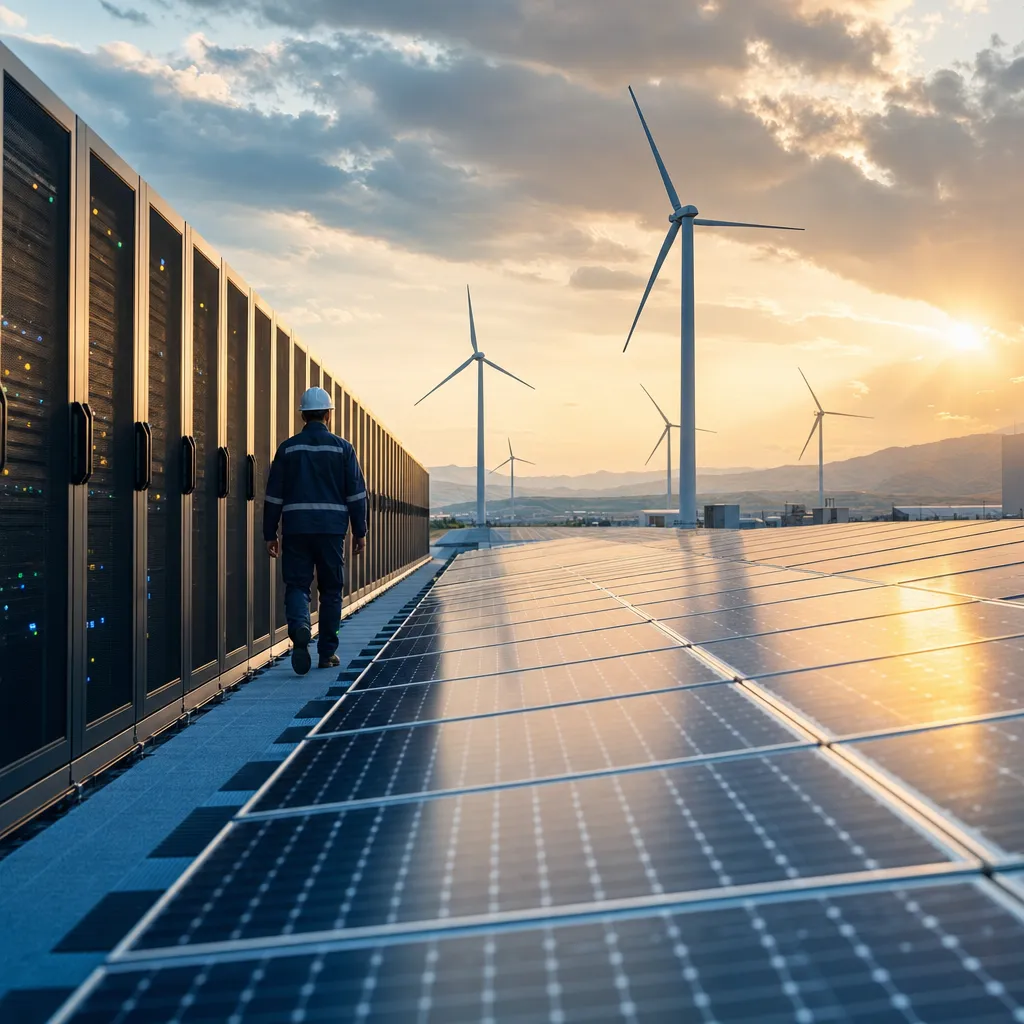
Global clean energy capacity additions are falling in 2026 for the first time since 2021 — precisely as AI data center power demand is accelerating. The collision between stalling supply and surging demand is the defining infrastructure story of the year, and it is now showing up at the project level: Australia's Project Ares, a 1-gigawatt renewable-powered AI data center, dropped its 2028 completion target this week after hitting grid connection delays it cannot resolve on schedule.
What the Data Shows
According to reporting tracked by Business Recorder, global clean energy capacity additions — solar, wind, hydro, and other renewables combined — are on pace to finish 2026 below 2025 levels. The last time the world added less new clean energy than the year before was 2021, when COVID-era supply chain disruptions cut construction activity across every sector.
This time, the causes are structural rather than pandemic-driven:
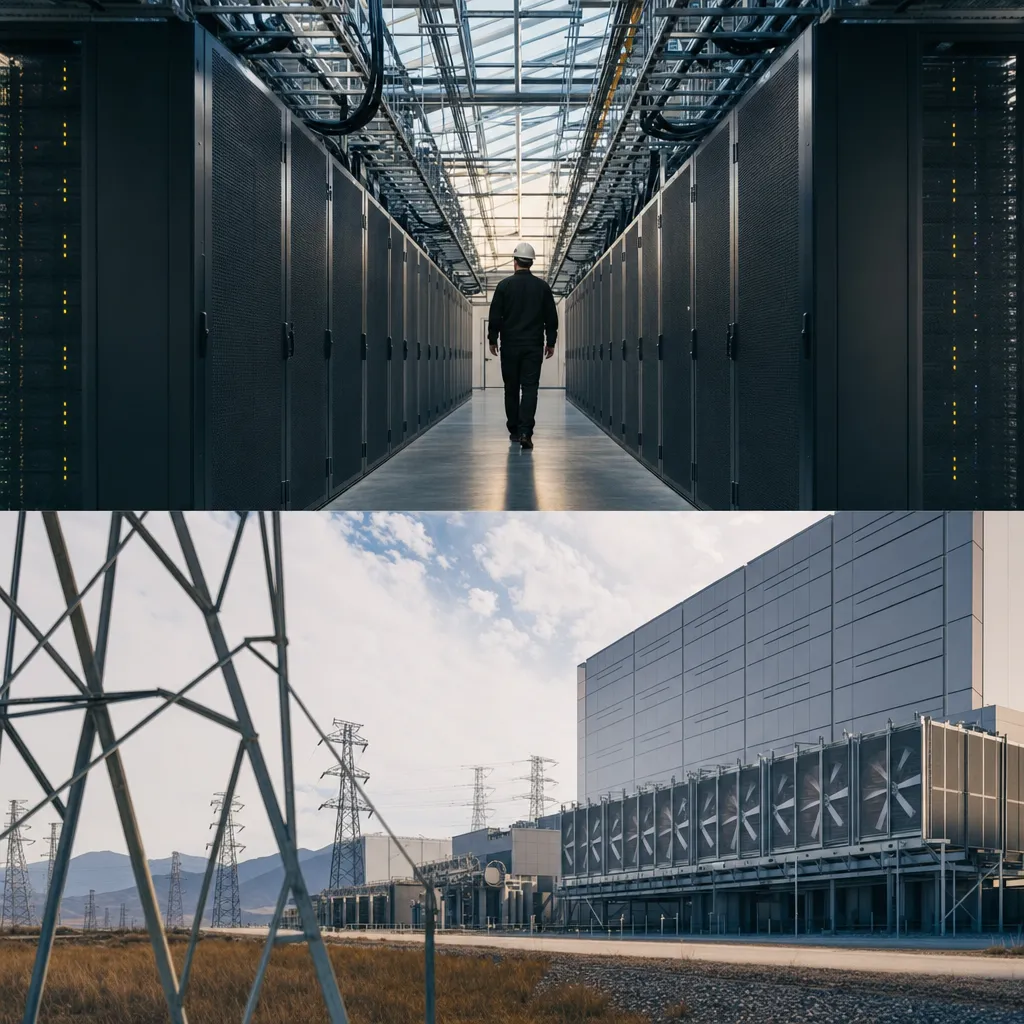
- Transmission bottlenecks. Grid infrastructure construction has not kept pace with renewable generation capacity. In the U.S., Europe, and Australia, approved renewable projects are waiting years for grid connection. The queue in the United States alone exceeds 1,000 gigawatts of approved capacity that cannot connect.
- Trade barriers. Solar panel supply chains, concentrated in China, face tariffs and import restrictions in the U.S. and parts of Europe that have raised equipment costs and slowed deployment timelines.
- Permitting delays. Environmental review and siting approvals for large wind and solar farms continue to take years in many jurisdictions, creating a gap between investment decisions and actual generation.
The AI Demand Side
While clean energy supply is contracting, AI is driving the sharpest increase in electricity demand the grid has seen in decades.
Data centers consumed roughly 2 percent of global electricity in 2023. The International Energy Agency projects that share could reach 4 percent by 2026, with AI training and inference workloads driving most of the growth. Microsoft, Google, Amazon, and Meta have all disclosed multi-hundred-billion-dollar data center buildout programs through 2030, and hyperscaler demand represents only a fraction of total AI infrastructure investment.
The math is uncomfortable: clean energy supply is decreasing as demand is inflecting upward. The gap is being filled — in the short term — by fossil fuel generation that grid operators are keeping online longer than planned.
Project Ares: The Problem Made Concrete
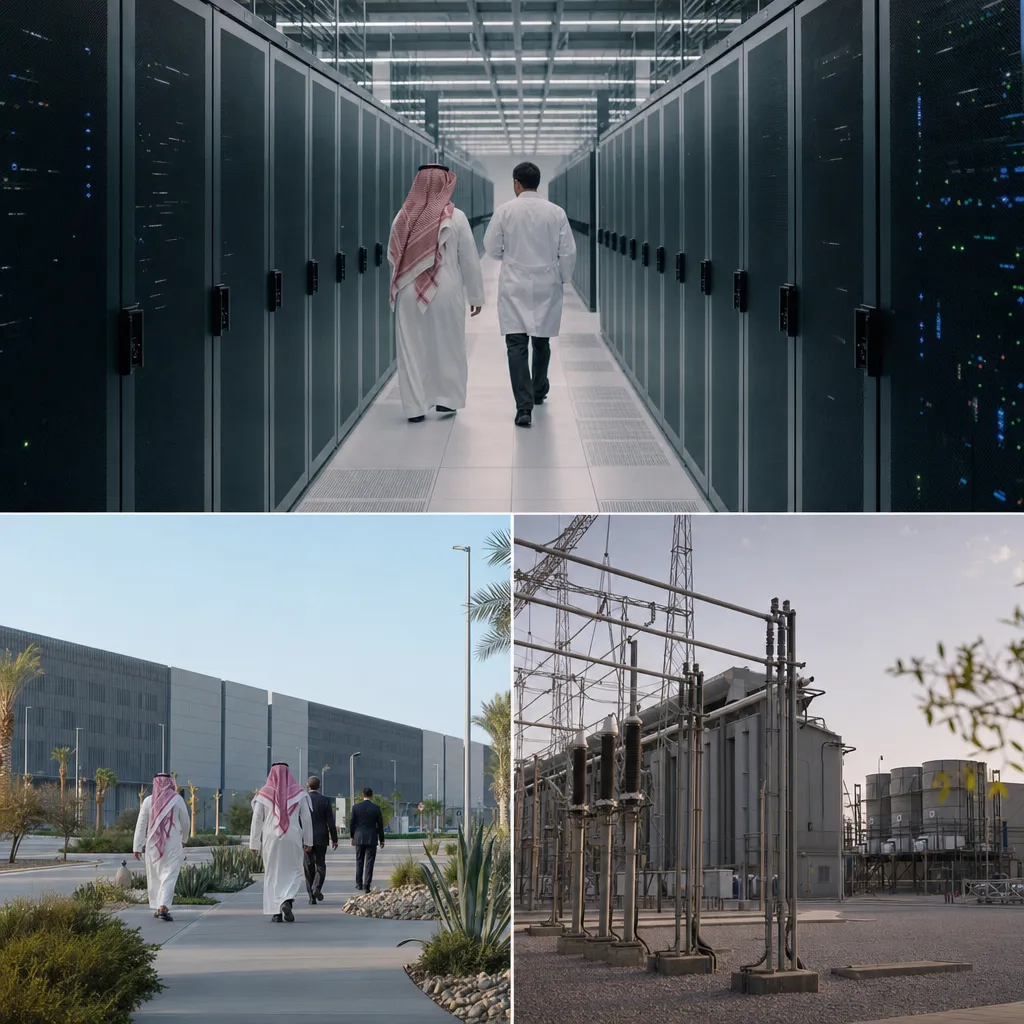
Australia's Project Ares illustrates what this looks like in practice. The planned 1-gigawatt AI data center, designed to run entirely on renewable power, pushed back its 2028 target this week because grid connection approvals are not coming in time. The project is not short of capital or technology — it is short of a wire to plug into.
Get this in your inbox.
Daily AI intelligence. Free. No spam.
Project Ares is not an edge case. AI data center developers across the U.S., U.K., and Europe are encountering the same constraint. A Goldman Sachs analysis from October 2026 identified grid connection timelines as the single largest bottleneck to AI infrastructure deployment, estimating that current queues could delay 250 gigawatts of planned AI-related power capacity in the U.S. alone.
What This Means for the Industry
For AI companies, the practical consequence is that data center buildout plans are hitting real physical limits. Companies that locked in power purchase agreements or co-location contracts early — Google's 890MW nuclear deal with Constellation, Amazon's dedicated reactor agreements — are in materially better positions than those still searching for committed power.
For clean energy developers, the irony is sharp: the single largest driver of new electricity demand in 2026 is simultaneously creating urgency for clean power and struggling to connect to the grid fast enough to supply it. The economic case for transmission infrastructure has never been stronger.
For grid operators, the short-term response has been predictable: extend the life of natural gas plants scheduled for retirement, restart mothballed coal in some markets, and prioritize reliability over decarbonization targets. Several U.S. regional grid operators revised their capacity forecasts upward in Q3 2026.
The Structural Disconnect
The clean energy decline and the AI demand surge are not unrelated trends that happen to be occurring simultaneously. They are both symptoms of the same underlying failure: grid infrastructure investment has not matched either the pace of renewable deployment or the emergence of large new loads.
Transmission buildout takes seven to twelve years in most markets from planning to energization. AI data centers can be permitted and built in two to three years. The math does not work unless grid investment accelerates substantially — and current policy in most jurisdictions does not mandate that acceleration.
The U.S. Department of Energy's SPARK program allocated $5 billion for grid AI and data center infrastructure in October 2026, which is a meaningful signal but a fraction of the investment needed.
What to Watch
Watch for fourth-quarter earnings calls from the hyperscalers — Amazon, Microsoft, Google, and Meta — where power availability is increasingly mentioned alongside GPU supply as a constraint on AI infrastructure growth. The companies that move fastest on direct power agreements, nuclear offtake, and grid investment partnerships will have structural advantages over those waiting for the market to sort itself out.
The next policy trigger is the U.S. FERC's updated interconnection rules, expected to take effect in early 2027, which aim to cut connection queue timelines by half. Whether those rules survive legal challenges and translate into faster actual connections is the critical open question.
Source: Business Recorder
Did this help you understand AI better?
Your feedback helps us write more useful content.
Get tomorrow's AI briefing
Join readers who start their day with NexChron. Free, daily, no spam.