Saudi Aramco has officially closed its acquisition of a 49% stake in HUMAIN, Saudi Arabia's national AI company, investing $2.6 billion in a bet that the kingdom's next energy product is compute, not crude.
Saudi Aramco has officially closed its acquisition of a 49% stake in HUMAIN, Saudi Arabia's national AI company, investing approximately $2.6 billion in cash plus AI and computing assets. The deal transforms the world's largest oil company into a direct owner of large-scale AI infrastructure — a structural bet that the kingdom's next energy product is compute, not crude.
What Happened
On November 1, Aramco confirmed the close of its HUMAIN stake acquisition. The Public Investment Fund (PIF), Saudi Arabia's sovereign wealth fund, retains 51% of HUMAIN. Aramco's contribution combines cash with existing AI and computing assets the company had been building internally.
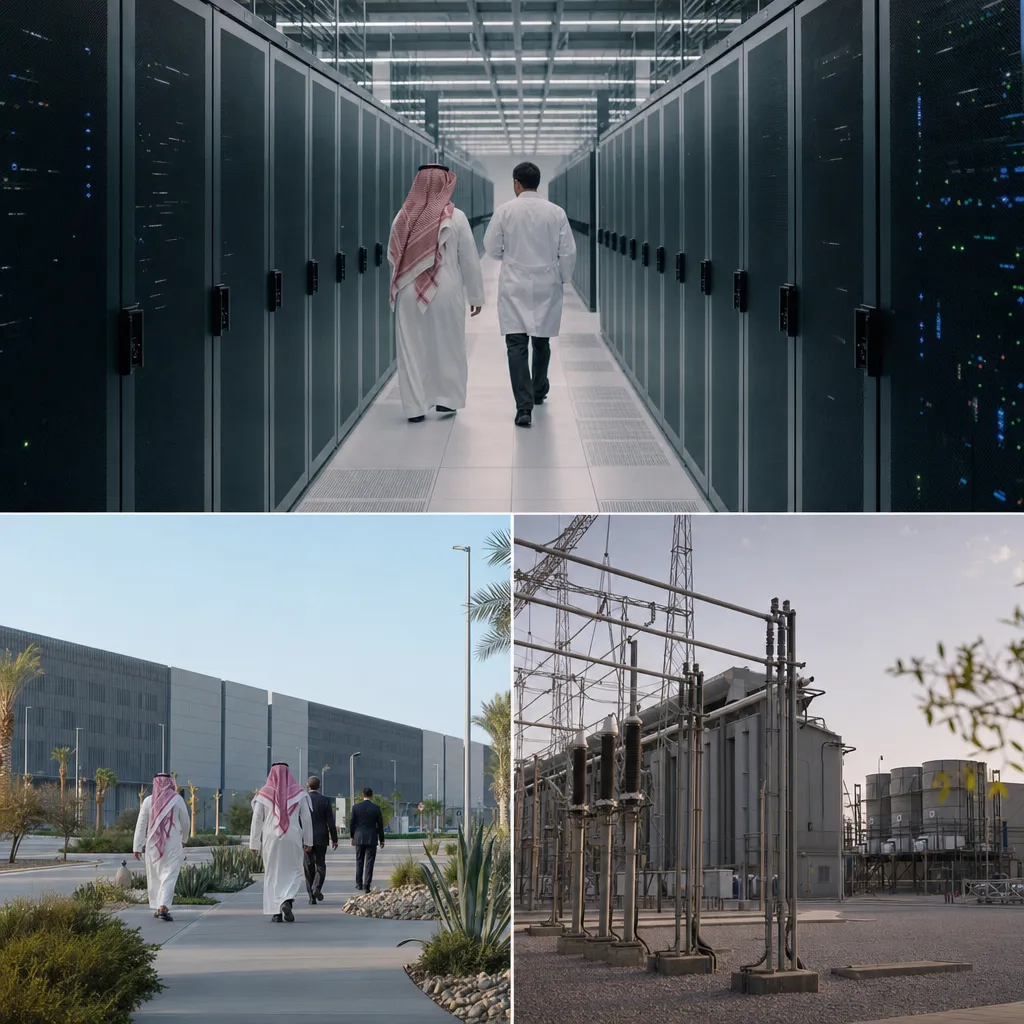
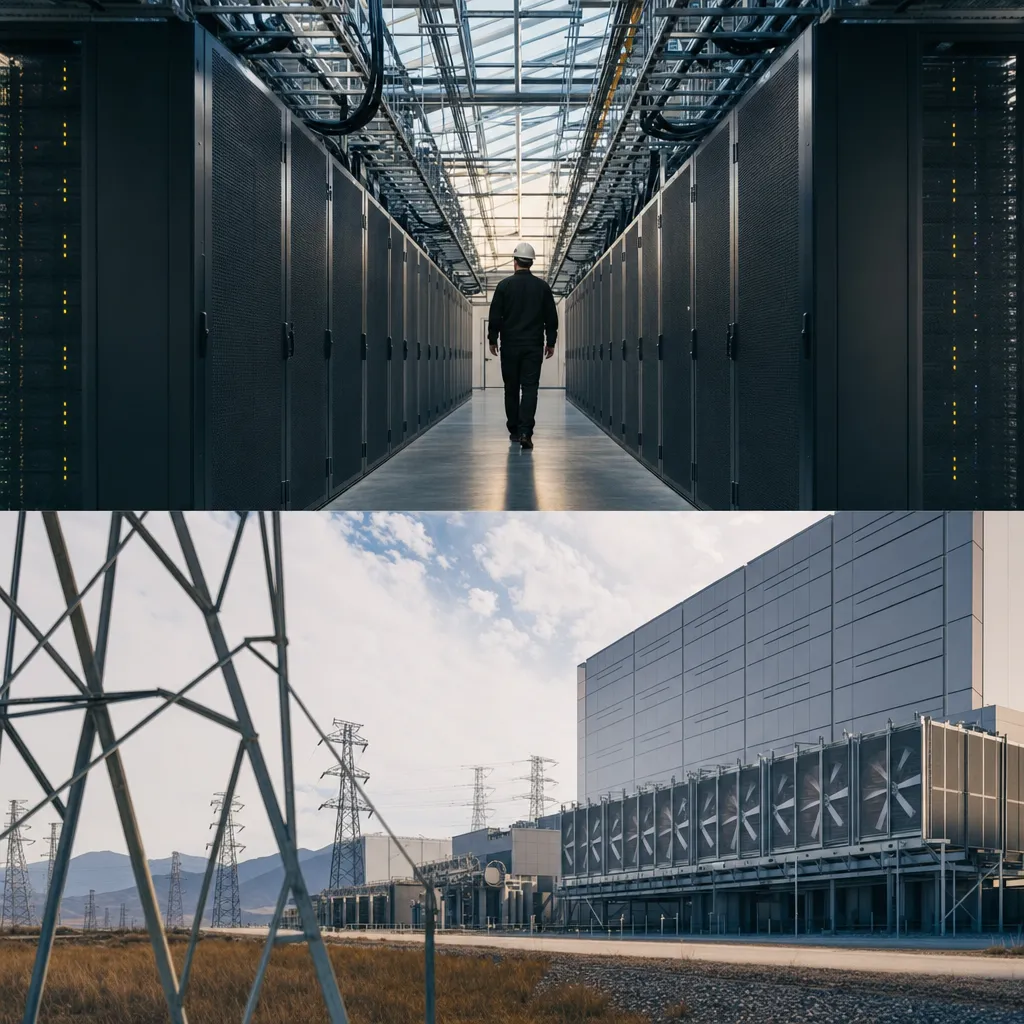
HUMAIN was established earlier in 2026 as Saudi Arabia's centralized AI infrastructure vehicle — a state-backed entity designed to attract global AI investment and position the kingdom as a regional compute hub. The company is planning to deploy three gigawatts of AI data center capacity by 2030, a scale that would place it among the largest AI infrastructure build-outs in the Middle East.
Context
Saudi Arabia has been executing an aggressive AI pivot as part of Vision 2030, the kingdom's economic diversification plan. Until now, Aramco's role in AI was largely internal — deploying machine learning for drilling optimization, predictive maintenance, and refinery operations. Taking a near-half ownership stake in a national AI company is a different move entirely: it puts Aramco in the business of selling AI capacity to others, not just using AI to run its own operations.
HUMAIN had already secured high-profile partnerships before this deal closed. NVIDIA and Qualcomm have both announced collaborations with the company. Amazon Web Services signed a $5 billion agreement with HUMAIN earlier in 2026 to build AI infrastructure in Saudi Arabia. The Aramco investment adds industrial capital, existing compute assets, and operational credibility to that portfolio.
Get this in your inbox.
Daily AI intelligence. Free. No spam.
The Numbers
- Aramco's stake: 49%
- PIF's stake: 51%
- Aramco's contribution: ~$2.6 billion (cash + AI and computing assets)
- HUMAIN's 2030 target: 3 gigawatts of AI data center capacity
Three gigawatts is a significant number. For reference, a single gigawatt of AI data center capacity can support tens of thousands of high-density GPU servers. At 3 GW, HUMAIN would rival the largest purpose-built AI campuses being constructed in the United States.
What This Means
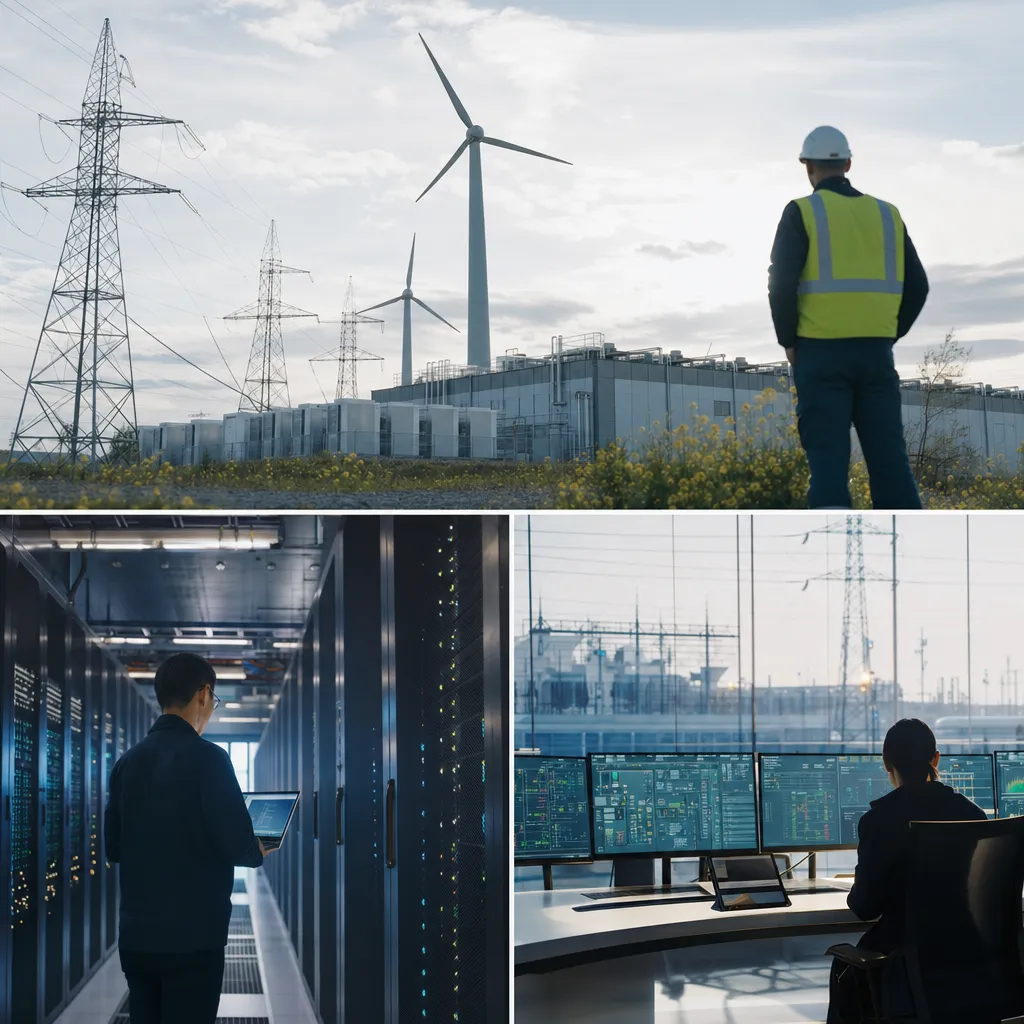
For energy companies: Aramco is the clearest signal yet that legacy energy giants are treating AI infrastructure as a parallel revenue stream, not just an operational efficiency tool. The physical overlap — power generation, land, cooling systems, capital — gives Aramco real advantages building data centers that pure-play tech companies lack.
For the AI infrastructure market: Saudi Arabia is positioning to capture a share of the global AI training and inference market that currently routes through U.S. and European hyperscalers. A 3 GW compute footprint in the Gulf region could attract demand from Asian and African enterprises looking to avoid U.S. regulatory exposure on data.
For HUMAIN: Aramco's computing assets accelerate the company's near-term capacity without waiting for greenfield data center construction to complete. The cash injection funds land, power agreements, and hardware procurement.
For the broader Gulf: The UAE already has KHAZNA and G42; Qatar has QIA-backed infrastructure plays. Saudi Arabia is now competing with a well-capitalized, state-backed entity that has both sovereign fund backing and an industrial partner with $100+ billion in annual revenue.
What to Watch
The first milestone to track is whether HUMAIN hits initial capacity targets ahead of its 2030 deadline — given that Aramco's existing compute assets are part of the deal, some of that 3 GW clock may already be ticking. Watch also for enterprise customer announcements: if HUMAIN lands a major cloud contract from a non-Gulf company, it signals the compute hub ambition is moving from strategy to revenue.
Did this help you understand AI better?
Your feedback helps us write more useful content.
Get tomorrow's AI briefing
Join readers who start their day with NexChron. Free, daily, no spam.