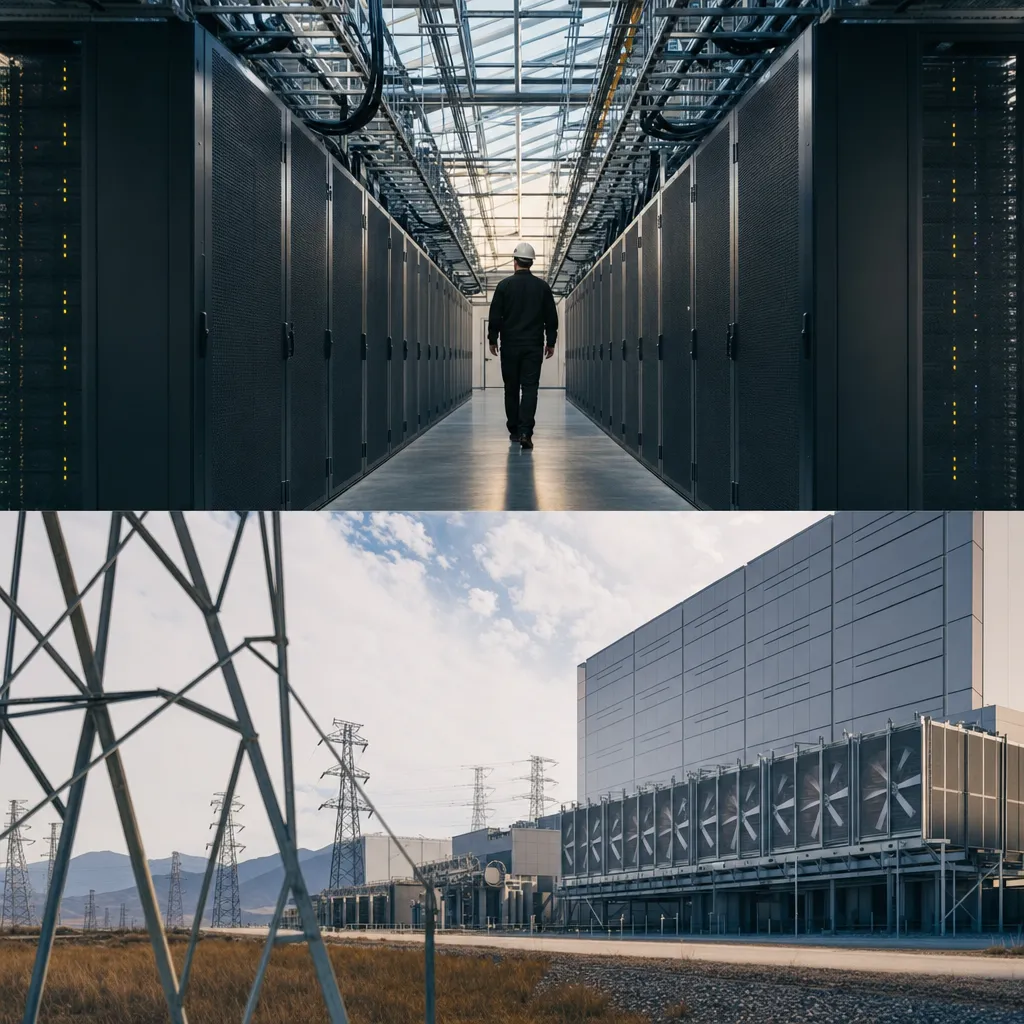
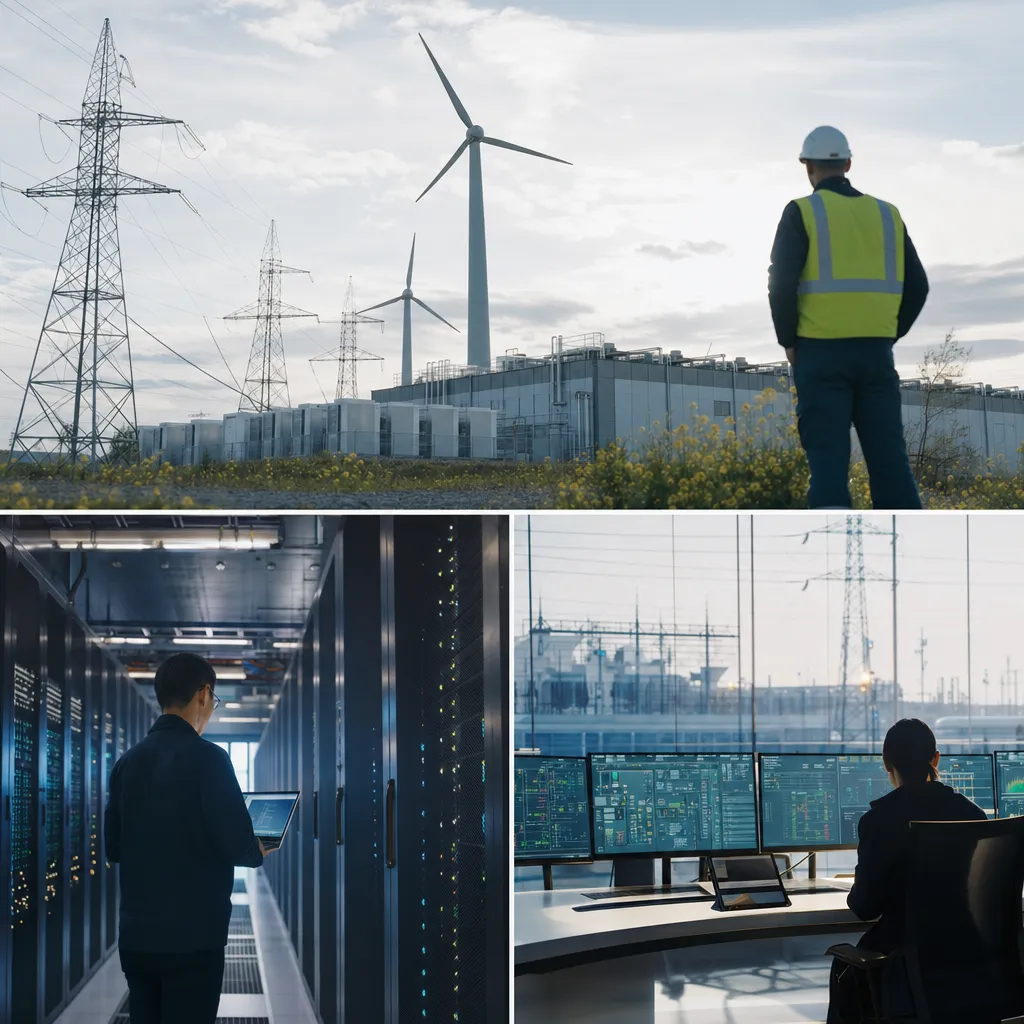
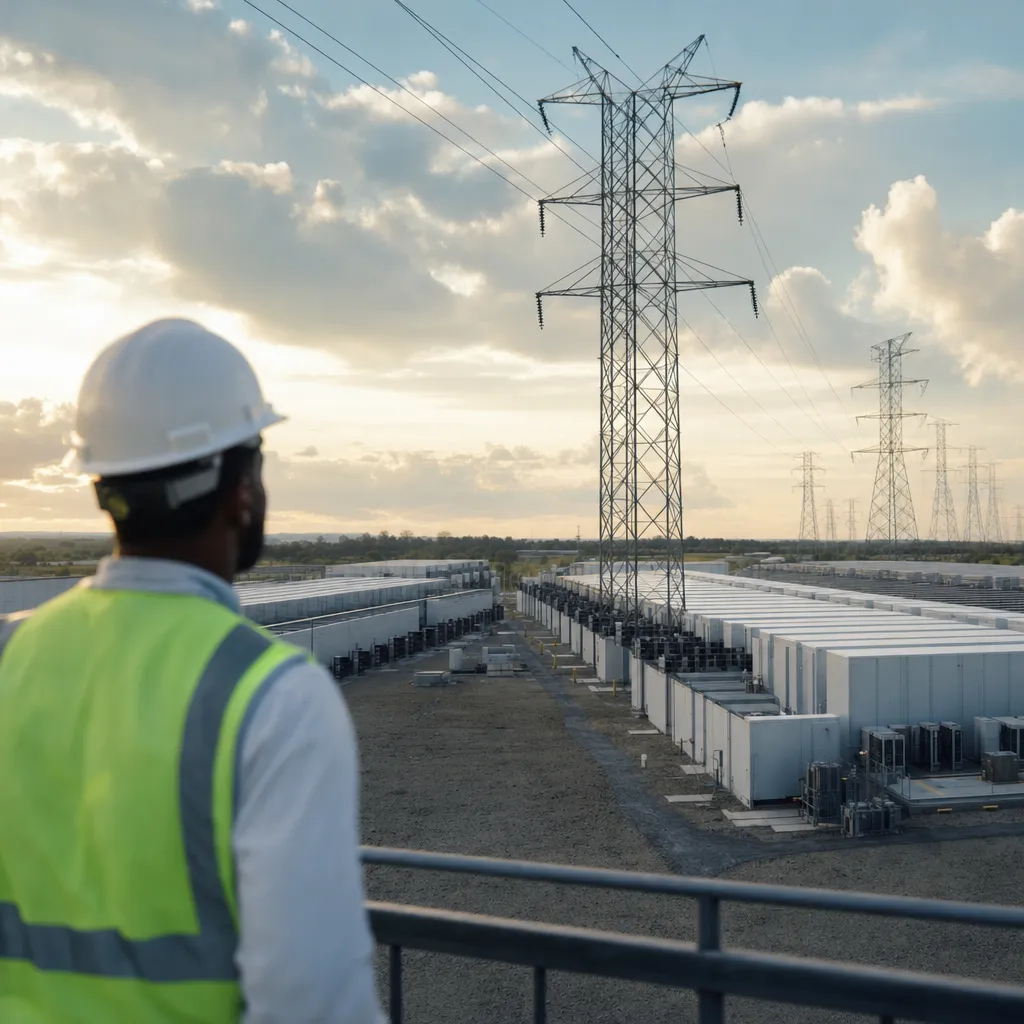
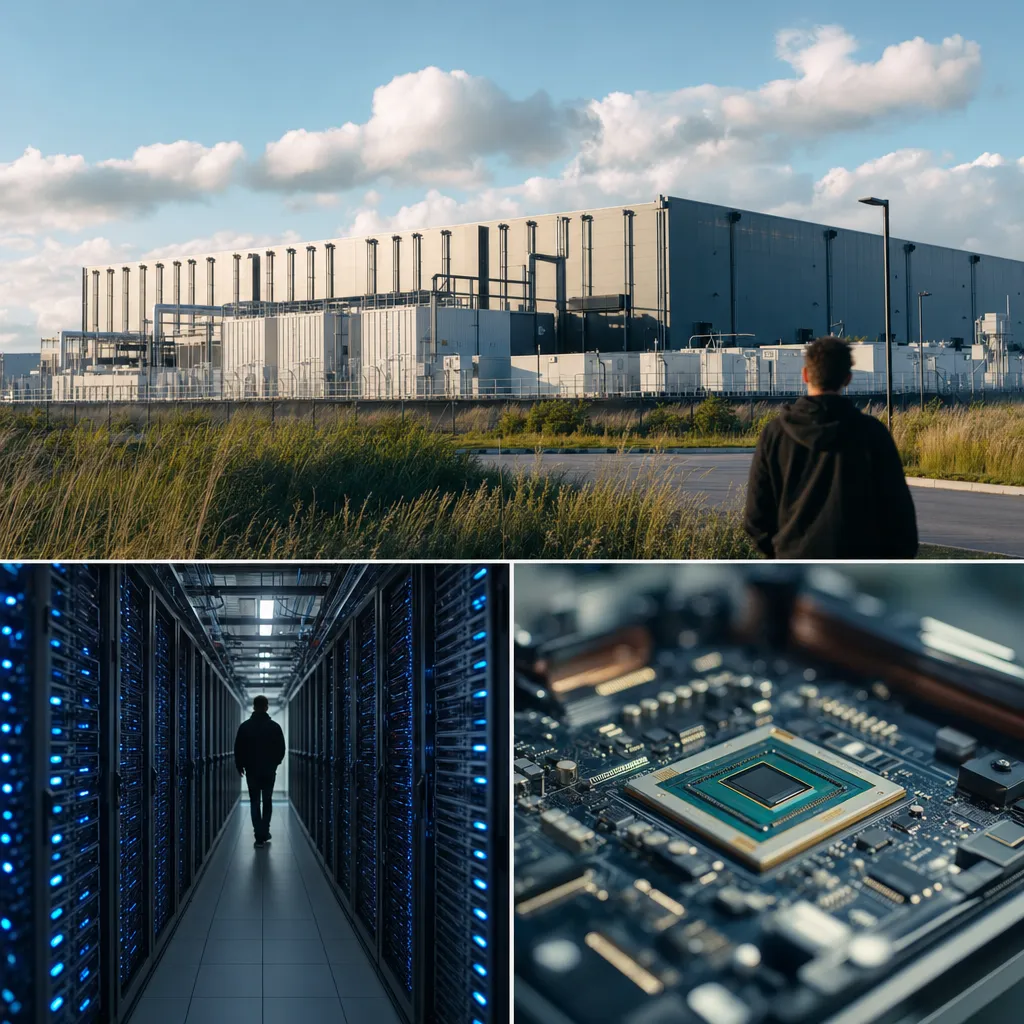
The Sierra Club calculates that planned U.S. AI data centers will add 618 million metric tons of carbon emissions by 2030 — enough to erase 15 years of power sector progress.
AI Data Center Buildout Could Undo 15 Years of U.S. Power Sector Emissions Progress
The Sierra Club calculates that planned U.S. AI data centers will add 618 million metric tons of carbon emissions to the power sector between 2025 and 2030 — a 42% increase that would erase the emissions reductions the country's grid achieved over the previous decade and a half. The projection, reported by TechSpot, puts into sharp relief a tension the energy industry has managed to paper over: AI infrastructure is growing faster than clean power can be built to serve it.
Why the Numbers Are So Large
Between 2007 and 2023, the U.S. power sector reduced its carbon emissions by roughly 620 million metric tons annually — the result of coal plant retirements, natural gas substitution, and an accelerating build-out of wind and solar. The Sierra Club's estimate essentially wipes that progress off the ledger in five years.
The mechanism is straightforward. Goldman Sachs projects global data center power demand will surge 170% by 2030, with more than 60% of that growth in the United States. AI training runs and inference workloads — particularly for large language models and multimodal systems — require sustained compute loads that conventional cloud workloads do not. A single large language model training run can consume as much electricity as hundreds of average American homes use in a year.
The grid interconnection queue — the waiting list for new power plants to connect to the transmission system — is already backlogged by years in most U.S. regions. New solar and wind projects approved today may not deliver power until 2028 or 2029. Data centers approved today are expected to draw power in 2026 and 2027. The timing mismatch is the core problem.
How Utilities and Hyperscalers Are Responding
The major hyperscalers — Microsoft, Google, Amazon, and Meta — have all made commitments to power their data centers with 100% renewable energy. In practice, those commitments operate on annual matching, not hourly: a company buys enough renewable energy certificates over a year to offset its consumption, without guaranteeing that every kilowatt-hour drawn from the grid at 2 a.m. came from a wind turbine rather than a gas peaker plant.
Get this in your inbox.
Daily AI intelligence. Free. No spam.
Hourly matching — the more rigorous standard — requires far more renewable capacity and storage than annual matching. Google has made the most progress toward 24/7 clean energy, reporting 64% hourly match across its global operations in 2023. Microsoft and Amazon remain primarily on annual accounting.
Utilities serving data center clusters are pursuing several strategies to manage the load growth:
- Nuclear restarts and small modular reactors — Microsoft's deal to restart Three Mile Island Unit 1 and agreements with NuScale and X-energy signal that hyperscalers see nuclear as the only dispatchable clean source capable of matching data center scale
- Gas with carbon capture — a stopgap that reduces but does not eliminate emissions, and which has not yet proven commercially viable at scale
- Demand response programs — curtailing data center loads during grid stress events, which AI operators have accepted in some markets in exchange for lower power rates
The Argument for Optimism
Renewable energy advocates make a counterargument: the 618 million ton figure assumes the grid does not add clean power in response to demand signals. The unprecedented load growth is also unprecedented investment demand for clean energy projects. If data center operators write long-term power purchase agreements directly with new wind, solar, and battery projects — as Google has done for years and Amazon is increasingly doing — the incremental emissions could be substantially lower than Sierra Club's scenario projects.
The argument has merit but depends on execution speed. The timing gap between demand and clean supply is the central risk. If gas plants fill the bridge, the emissions materialize regardless of what the PPAs say about 2030 targets.
What the Broader Economy Faces
The data center energy surge is not only an environmental problem. It is also an infrastructure cost problem. Grid upgrades required to serve large data center campuses run hundreds of millions to billions of dollars per project, with costs ultimately borne by ratepayers in the affected service territories. States like Virginia, which hosts the world's largest concentration of data centers, are already seeing electricity rate increases attributed in part to infrastructure upgrades driven by AI-related load.
The Federal Energy Regulatory Commission (FERC) has begun requiring data centers to post financial security for their interconnection requests after a wave of speculative interconnection applications stalled legitimate projects in the queue. That policy addresses queue gaming, not the underlying infrastructure buildout timeline.
What to Watch
The critical indicator to track is hourly (not annual) renewable energy matching rates among major hyperscalers, and the pace at which new clean power projects are actually energized — not just contracted. If the gap between clean power contracts signed and megawatts delivered does not close significantly by 2027, the Sierra Club's 15-year-erasure scenario becomes much harder to dismiss as a worst case.
Did this help you understand AI better?
Your feedback helps us write more useful content.
Get tomorrow's AI briefing
Join readers who start their day with NexChron. Free, daily, no spam.