The DOE's SPARK program is finalizing 31 transmission improvement projects across 26 states, committing $5.25 billion to remove the grid bottlenecks blocking AI data center power connections.
The U.S. Department of Energy's SPARK program is finalizing 31 transmission improvement projects across 26 states, with completions expected between October 2026 and January 2027—a $5.25 billion federal commitment designed to remove the grid bottlenecks that are blocking AI data center interconnections. The investment marks a shift in how Washington frames AI infrastructure: not as a future planning question but as an immediate industrial policy priority requiring grid capital now.
The problem SPARK is solving
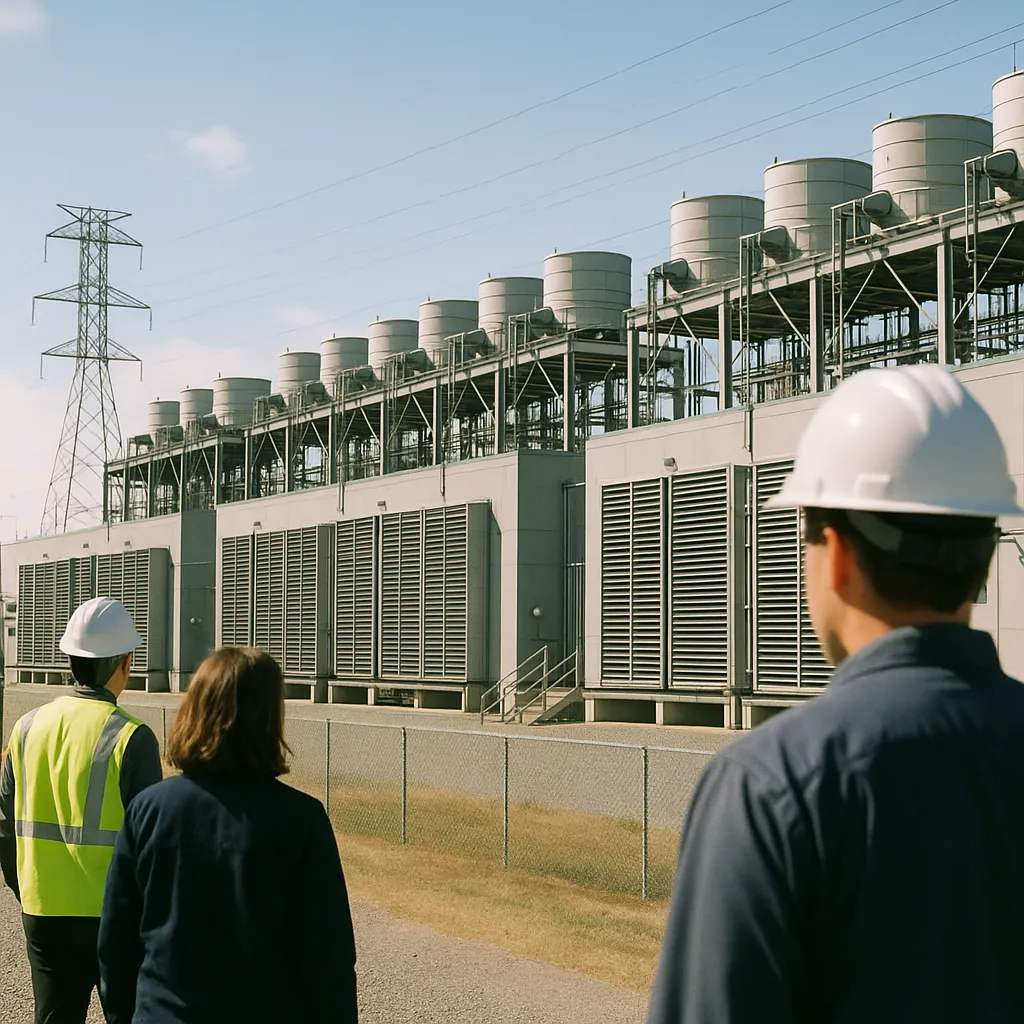
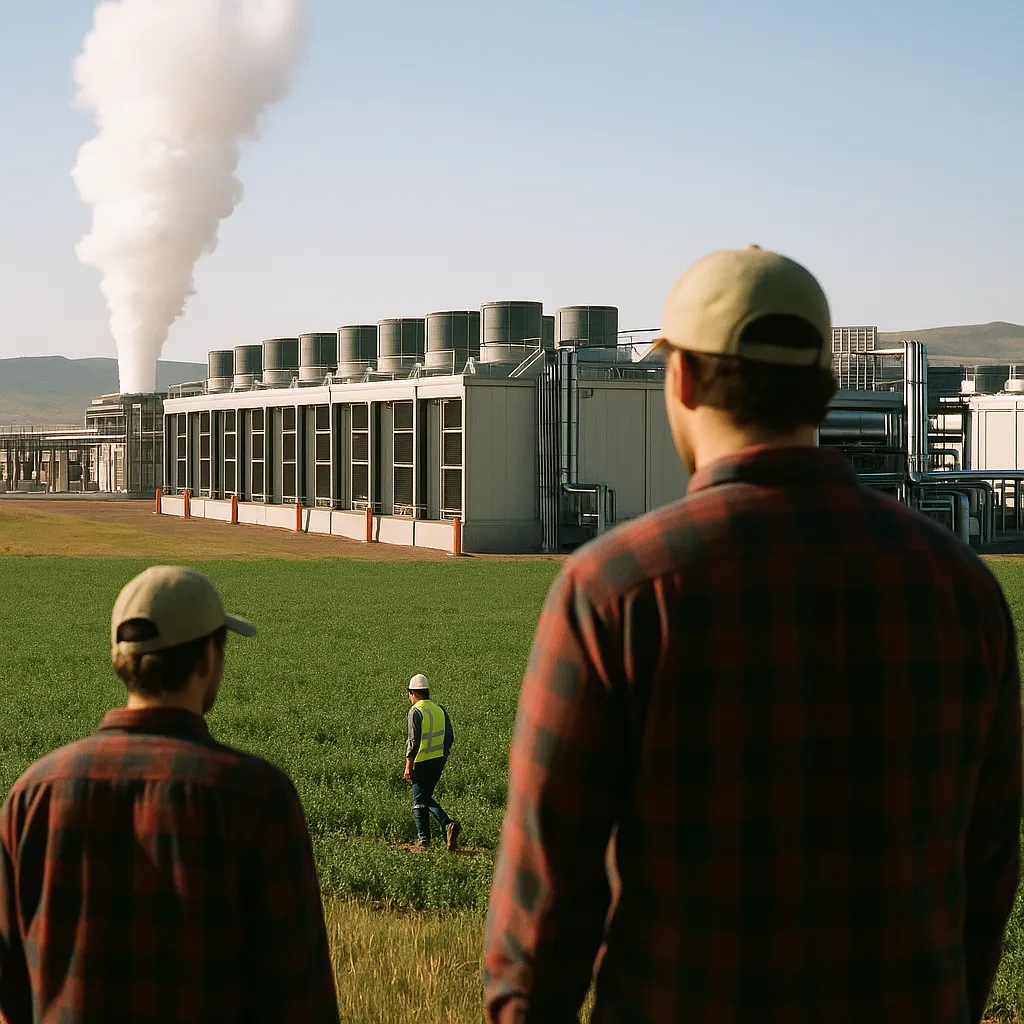
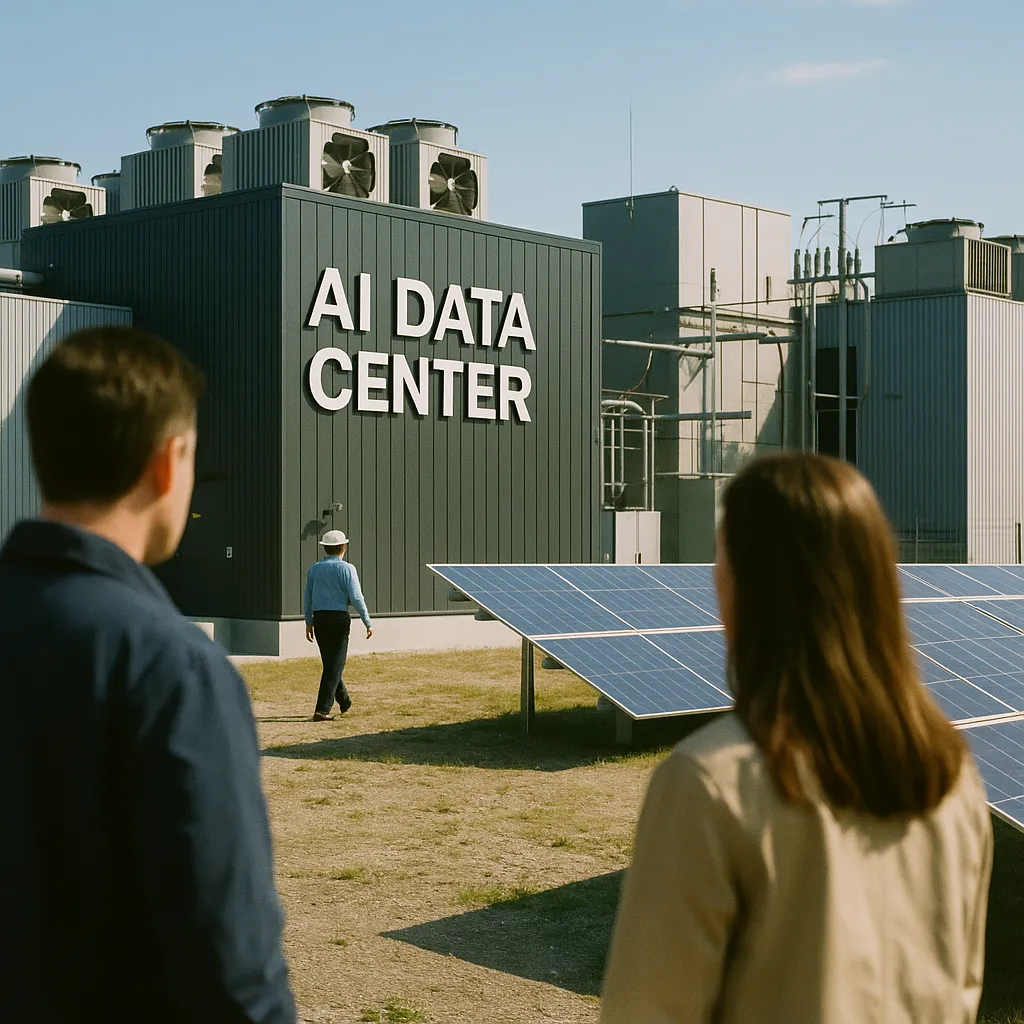
AI data centers require enormous, highly reliable power. A hyperscale facility serving large language model inference can draw 100 to 500 megawatts continuously—comparable to a small city. The bottleneck is not power generation. The U.S. has ample generation capacity in many regions. The bottleneck is transmission: the high-voltage lines, substations, and switching equipment that move power from where it is generated to where data centers want to locate.
Grid interconnection queues—the administrative line for connecting new power loads to the grid—have become multiyear backlogs in the most data center-dense regions. According to TechRadar's reporting on the SPARK program, the 31 SPARK projects are targeted precisely at transmission corridors where AI infrastructure investment is stalled—not because power doesn't exist, but because the wires to carry it do not.
What the projects cover
SPARK targets transmission infrastructure rather than generation. Typical projects in the program include:
Get this in your inbox.
Daily AI intelligence. Free. No spam.
- New high-voltage transmission lines connecting generation zones to load centers where data centers want to locate
- Substation upgrades that increase the capacity of existing interconnection points
- Grid monitoring and automation equipment that improves the reliability of transmission corridors serving large industrial loads
The 26-state footprint reflects the geographic spread of AI data center development. While Virginia's Northern Virginia corridor and Texas's Dallas–Fort Worth market have long dominated hyperscale data center siting, AI-driven demand has activated secondary markets across the Midwest, Southeast, and Mountain West—all of which face similar transmission constraints.
Why $5.25 billion is a floor, not a ceiling
The DOE's SPARK commitment, while significant, addresses near-term bottlenecks identified through the existing interconnection queue process. It does not resolve the structural mismatch between the pace of AI data center development and the 10-to-15-year timeline that major transmission projects historically require from planning to completion.
The AI buildout is happening on a 2-to-5-year cycle. Data center developers are committing billions of dollars to sites right now, expecting power within 24 to 36 months. SPARK accelerates projects that are already in development—it is not a mechanism to initiate entirely new transmission corridors that don't yet exist in planning form.
This means the $5.25 billion will provide meaningful near-term relief in markets where projects were close to ready, while doing little for the longer-term capacity gap that independent analysts estimate will require hundreds of billions in grid investment over the next decade if AI infrastructure continues on its current trajectory.
The rate question
TechRadar flags a question that SPARK's implementation will need to address: how costs are allocated. Federal transmission investment programs typically recover costs through rate base—meaning electricity consumers, not solely data center operators, bear some portion of the infrastructure cost through higher bills. The degree to which SPARK projects flow costs to residential ratepayers versus industrial beneficiaries will be a contested policy and regulatory question as projects move toward completion.
What to watch
The DOE's timeline of October 2026 through January 2027 for finalizing the 31 projects is a procurement and contracting milestone, not a construction completion date. Watch for project-level announcements from utilities in the affected states, which will clarify where transmission capacity improvements will arrive earliest. Also watch for a follow-on SPARK tranche—the Biden administration built the initial program, and both parties have incentive to claim credit for AI infrastructure investment in an election context. A second round targeting the longer-horizon transmission corridors AI development requires would signal that SPARK is a durable policy vehicle rather than a one-cycle capital injection.
Did this help you understand AI better?
Your feedback helps us write more useful content.
Get tomorrow's AI briefing
Join readers who start their day with NexChron. Free, daily, no spam.