IRENA warns global clean energy capacity additions will decline in 2026 for the first time since 2021, as transmission bottlenecks and trade barriers block new generation from reaching consumers.
Global clean energy capacity additions will decline in 2026 for the first time since 2021, the International Renewable Energy Agency warned this week — not because the world is building fewer solar panels and wind turbines, but because aging transmission networks and trade-barrier-driven supply chain disruptions are preventing new generation from reaching consumers. The gap is widening exactly as AI data center demand and electrification are accelerating pressure on every part of the grid.
This isn't an energy supply problem. It's an infrastructure problem. And it's arriving at the worst possible moment.
What IRENA Actually Found
IRENA's warning covers total clean energy capacity additions globally in 2026 — the first year-over-year decline in a trend that had been growing continuously since at least 2021. The drivers are not uniform:
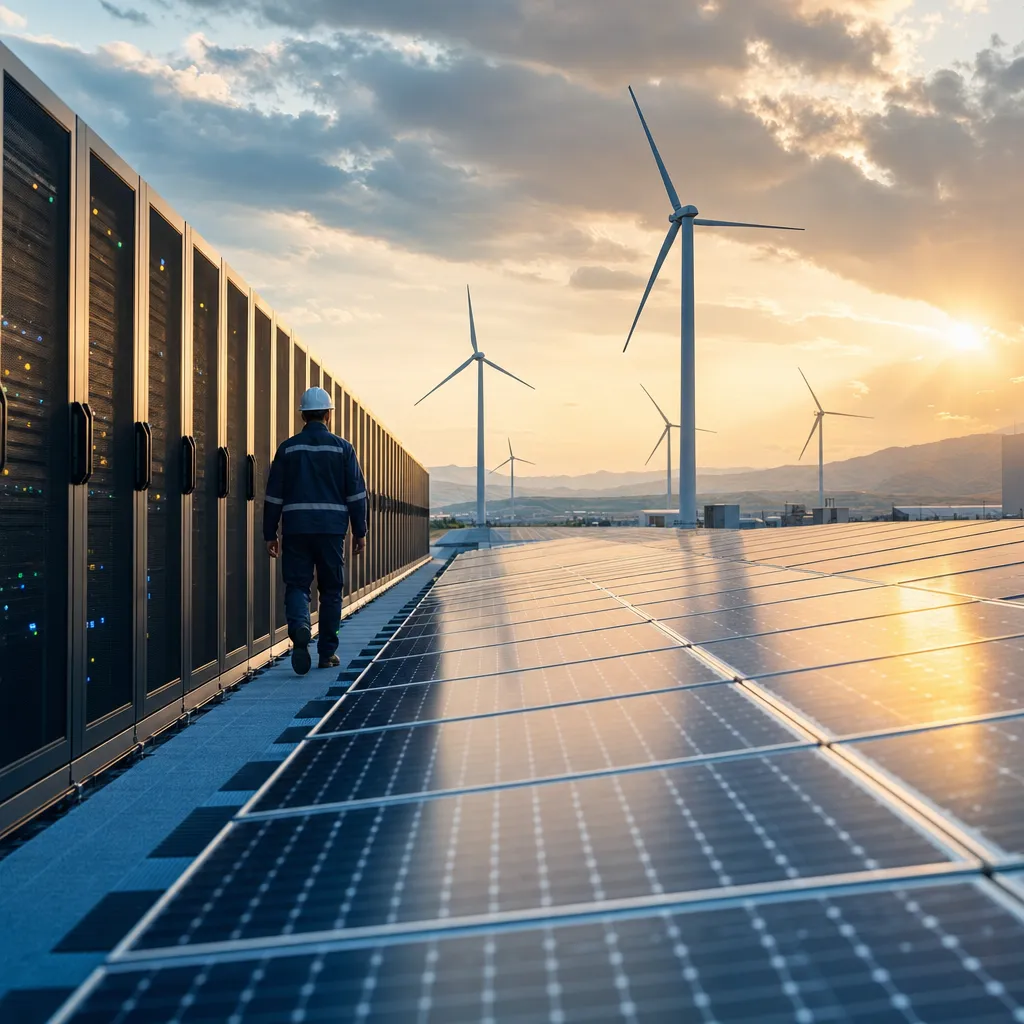
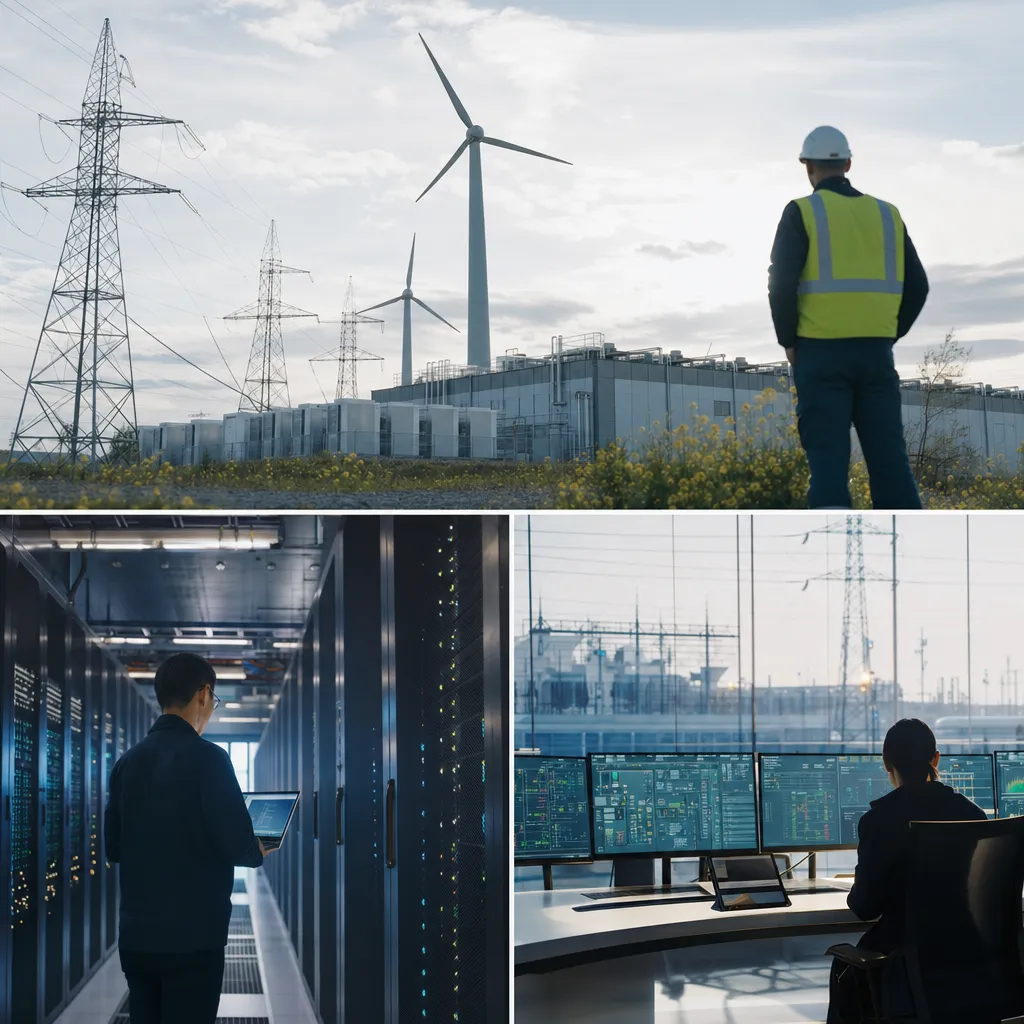
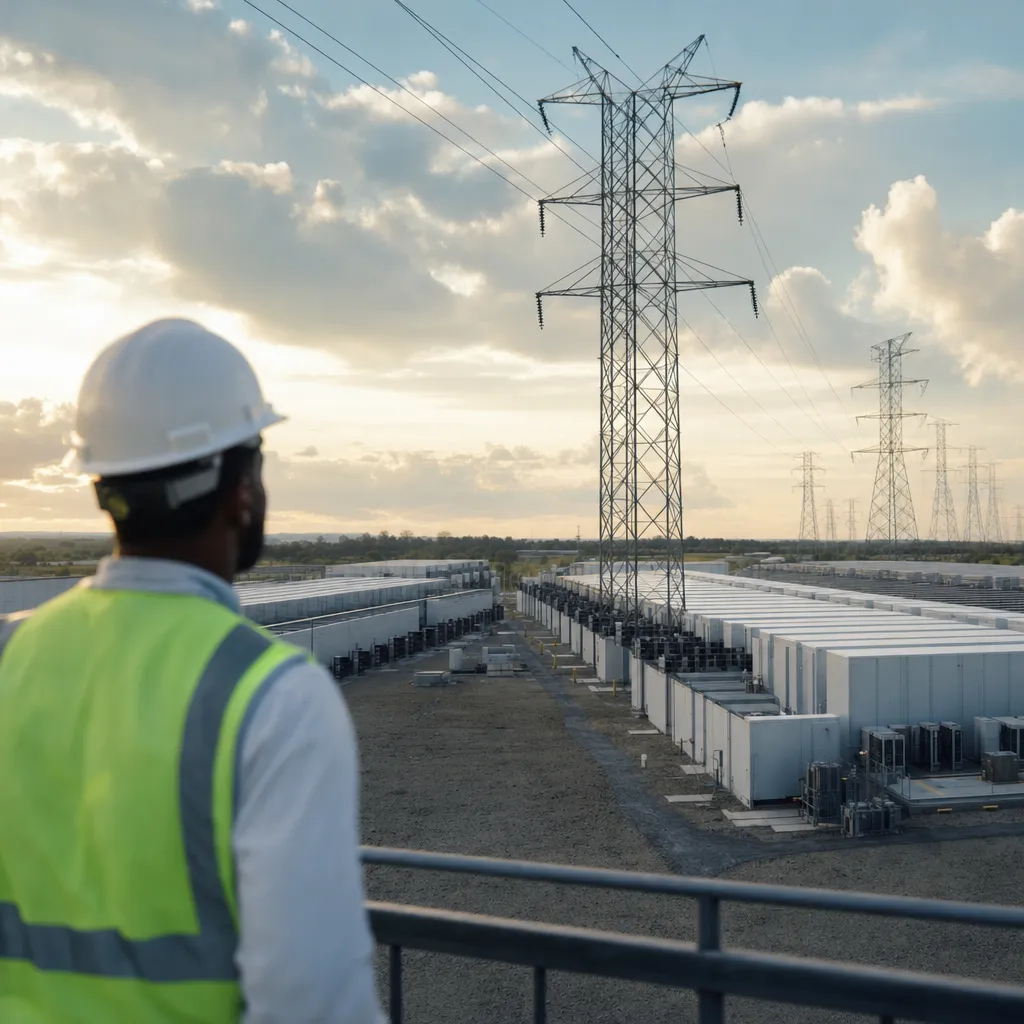
- Transmission gaps: New generation capacity is being built faster than the grid can absorb it. In many regions, no available transmission corridor exists to move power from where it's generated to where it's consumed.
- Trade barriers: Tariffs and export controls on solar panels, wind components, and battery storage have added cost and extended lead times in US and EU markets where deployment was expected to accelerate.
The starkest illustration of the transmission problem is China. Chinese clean energy generation capacity dwarfs every other country, but China curtailed enough renewable electricity in just the first half of 2026 to power all of Mexico for an entire year. Power that was generated, and couldn't be used.
Where AI Enters the Equation
Grid operators from Europe to Australia have identified AI-driven optimization as the most actionable near-term response to transmission constraints. The tools fall into three categories:
Forecasting: AI systems that predict renewable generation output hours and days ahead, enabling grid operators to schedule conventional backup capacity more precisely and reduce emergency reliance on fossil fuels.
Get this in your inbox.
Daily AI intelligence. Free. No spam.
Dispatch optimization: AI that manages real-time allocation of power flows across transmission infrastructure, routing around congestion points and maximizing utilization of available capacity.
Demand response: AI platforms that signal connected industrial and commercial customers to shift consumption away from peak constraint periods, using demand itself as a grid management tool.
None of these tools build new transmission lines. But they can meaningfully increase the throughput of existing infrastructure — some operators have reported 10–15% effective capacity improvements from AI optimization — which buys time for the longer-cycle infrastructure investment.
The Data Center Pressure
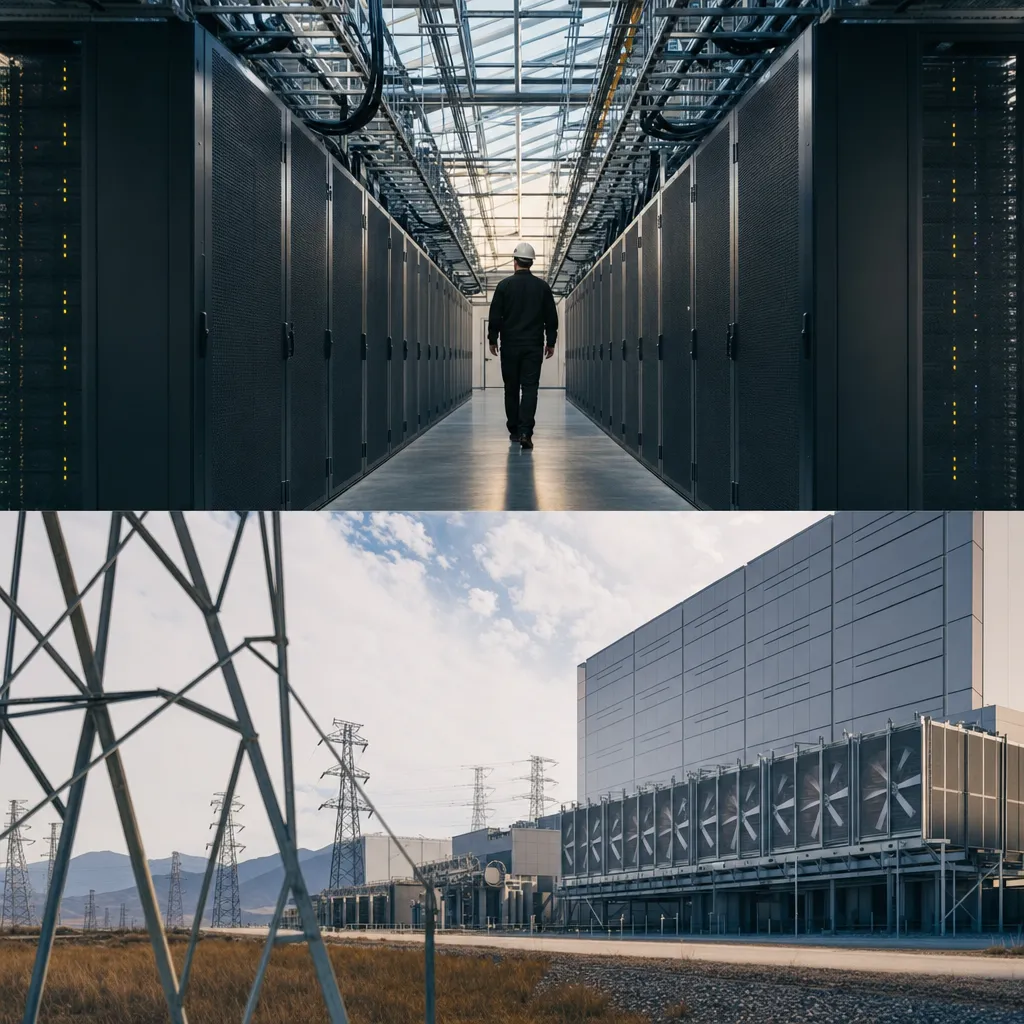
The timing of IRENA's warning is notable because it coincides with the steepest ramp in AI-driven electricity demand the industry has seen. AI training and inference workloads require consistent, high-quality power at scale. Hyperscaler data centers are adding tens of gigawatts of new electricity requirements to grids that were already operating near capacity in key markets.
That creates a feedback loop: the same AI technology being deployed to solve the grid management problem is, in aggregate, one of the largest new sources of grid pressure. The net effect on 2026 clean energy deployment depends on how quickly AI optimization tools are deployed versus how quickly new data center capacity comes online.
What the Decline Means for Decarbonization Timelines
A single-year decline in capacity additions does not mean the energy transition is reversing. But it does mean the trajectory of clean energy deployment — steep and consistent for years — is more fragile than its headline growth rate suggests.
IRENA's implicit message is that transmission infrastructure investment is the binding constraint on the energy transition, not the availability or cost of generation technology. Solar and wind are cheap. Moving the power to where it's needed is the hard part.
What to Watch
- Whether transmission permitting reforms in the US and EU translate into actual construction starts in 2027
- China's renewable curtailment trajectory — if the first-half pattern continues into H2 2026, it becomes the defining story in global clean energy economics
- How quickly AI grid optimization tools scale from utility pilots to operational infrastructure across Asian and European markets where the transmission gap is most acute
Source: Business Recorder / IRENA
Did this help you understand AI better?
Your feedback helps us write more useful content.
Get tomorrow's AI briefing
Join readers who start their day with NexChron. Free, daily, no spam.