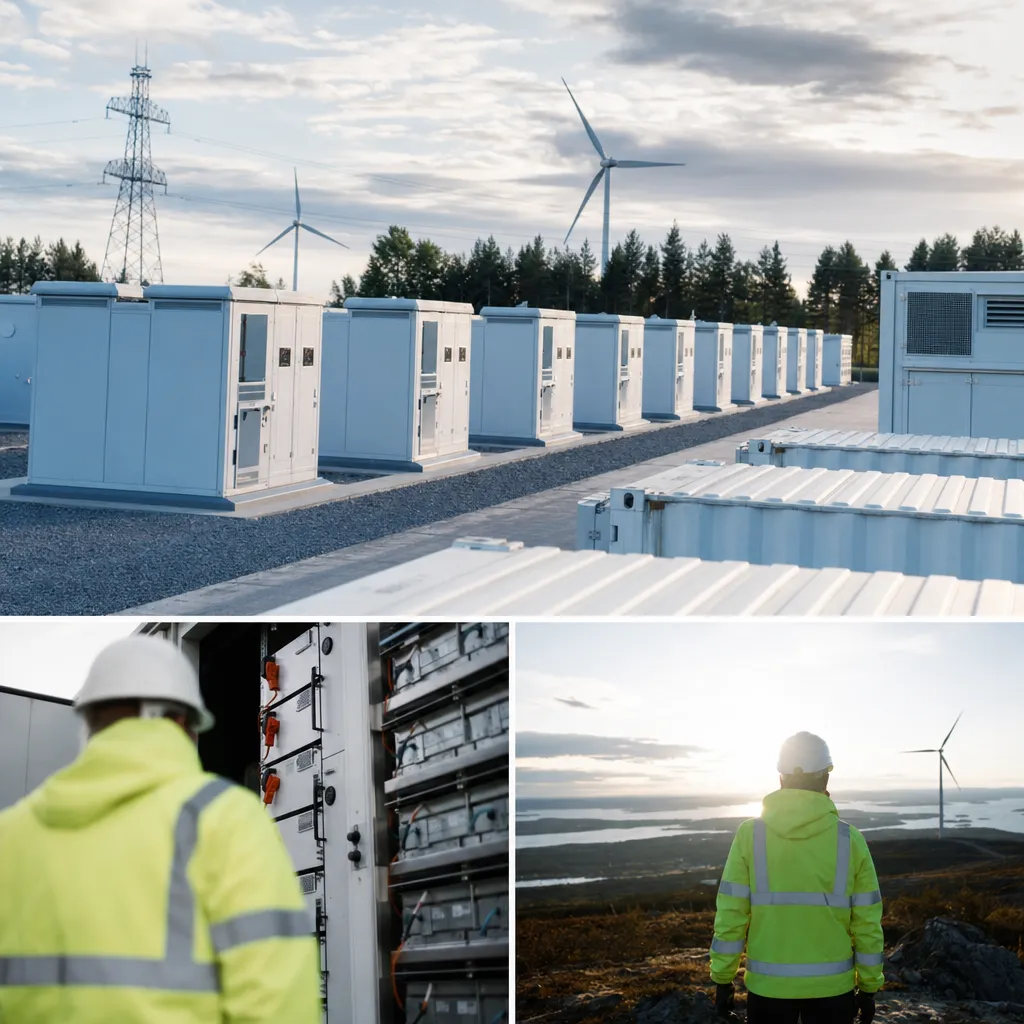
The Novo Nordisk Foundation awarded up to €13.3 million to AI4GRIDS, a Nordic cross-border research initiative that aims to run grid computations 100 times faster than conventional solvers using AI.
The Novo Nordisk Foundation has awarded up to €13.3 million to AI4GRIDS, a cross-border university research initiative spanning Denmark, Sweden, and Norway, to develop AI-based computation methods for operating the Nordic power grid. Researchers say AI-based approaches can run grid calculations up to 100 times faster than conventional solvers — an improvement that could make real-time, AI-driven grid management feasible at the scale the Nordic interconnection requires.
What AI4GRIDS Is
AI4GRIDS is a collaborative research program bringing together universities from Denmark, Sweden, and Norway under a shared mandate: build the AI tools needed to operate a power system that is growing more complex every year. The grant, structured as "up to €13.3 million," will fund multi-year research into AI-based grid optimization, with the Nordic grid as the primary test environment.
The Novo Nordisk Foundation — better known for its healthcare and life sciences funding — is expanding into climate and infrastructure research, recognizing the structural connections between AI, energy, and the biotech sector's growing compute demands. AI is both creating grid stress through datacenter energy consumption and potentially providing the tools to manage that stress more efficiently.
The 100x Computation Problem
Grid operation today relies on power flow solvers — mathematical algorithms that calculate how electricity will distribute across a network given its current state of generation, load, and topology. These solvers are well-understood and reliable, but they are slow by modern standards.
As renewable energy penetration increases, the grid's state changes more frequently and less predictably. Solar output shifts with cloud cover. Wind generation varies minute-to-minute. Battery storage systems can charge or discharge on millisecond timescales. Conventional solvers, designed for a grid dominated by large, predictable thermal generators, struggle to keep pace with this variability.
AI-based computation, according to researchers at AI4GRIDS, can run equivalent calculations up to 100 times faster — opening the door to real-time grid optimization that is currently computationally impractical. That speed improvement would enable grid operators to respond to supply and demand fluctuations in near-real-time rather than on the minutes-to-hours timescales that conventional tools allow.
Get this in your inbox.
Daily AI intelligence. Free. No spam.
Why the Nordic Grid Is Under Pressure
The Nordic interconnection — which links the power systems of Norway, Sweden, Denmark, and Finland — is facing compounding stress from several directions simultaneously:
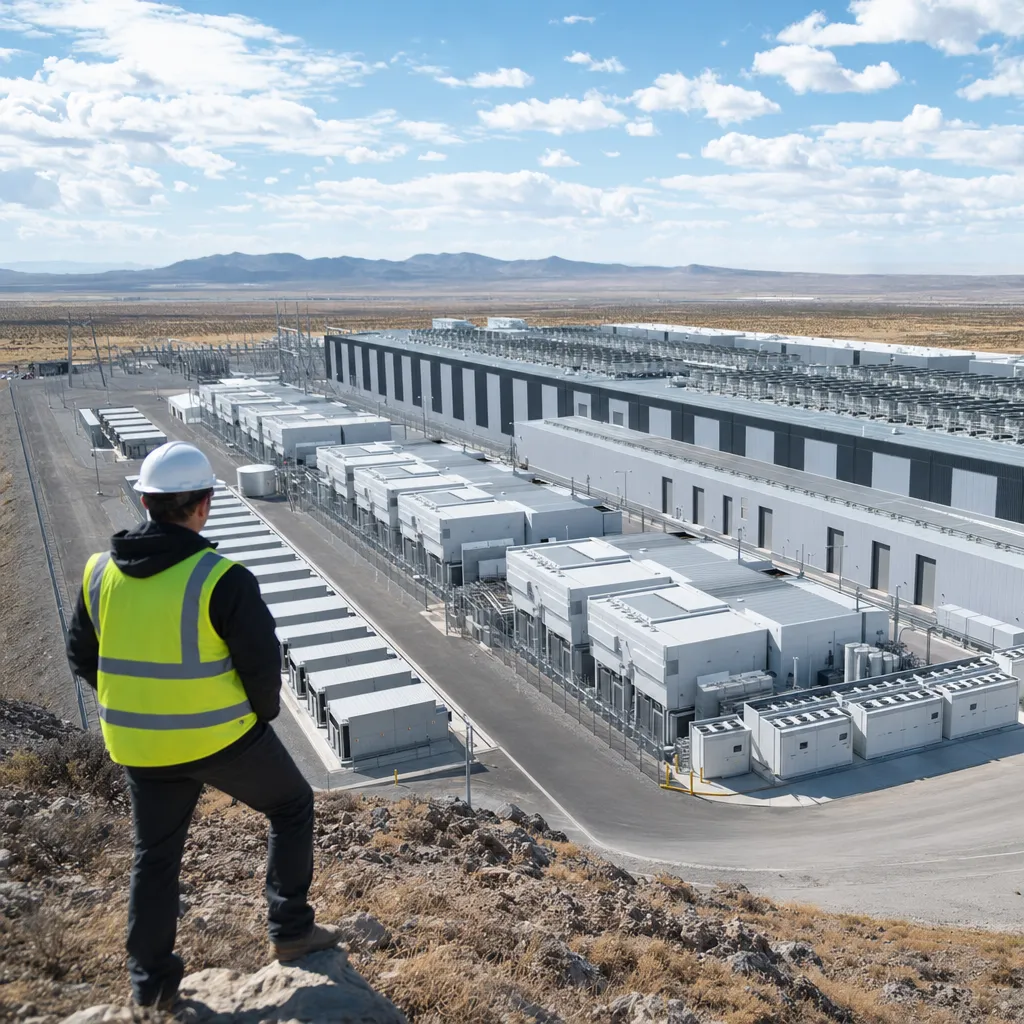
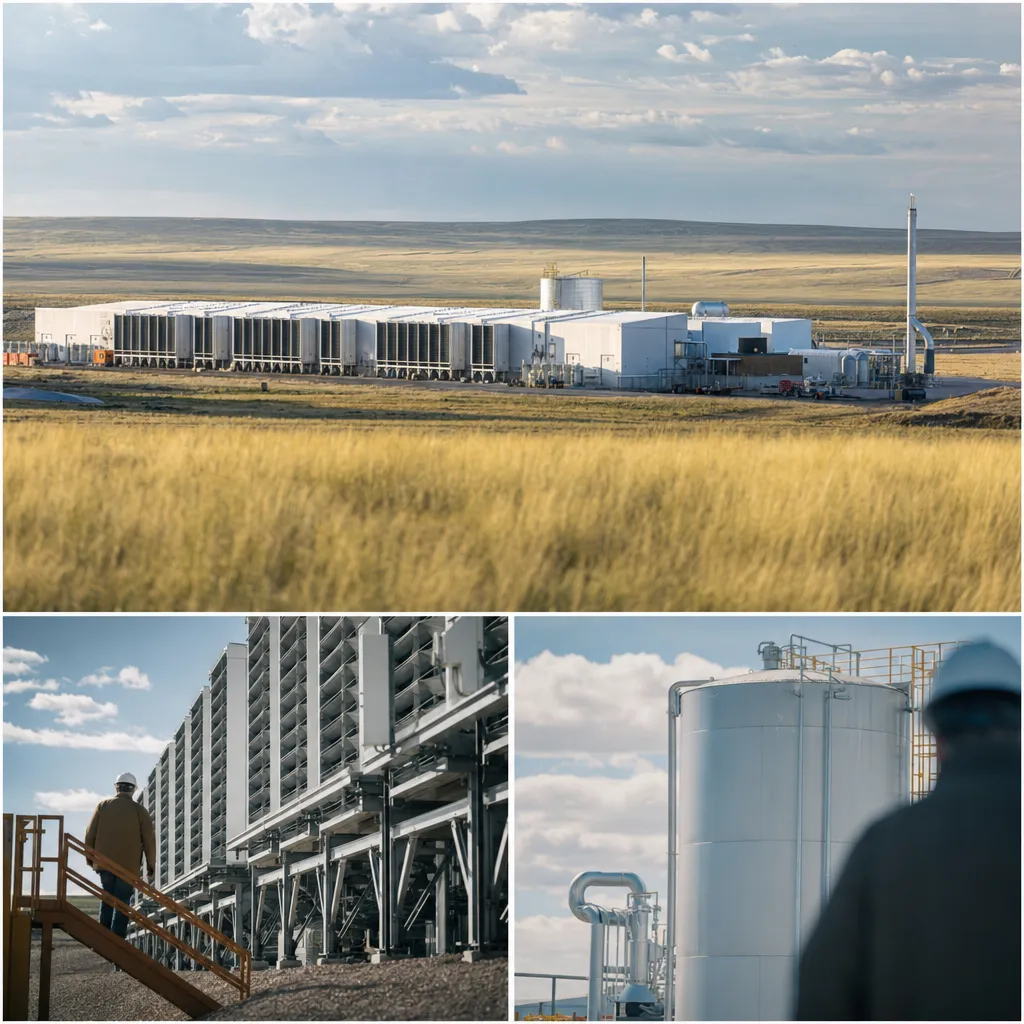
AI datacenters. The Nordic region has become a significant destination for large-scale datacenter development, attracted by cold climate (which reduces cooling costs) and historically abundant low-carbon hydropower. That datacenter expansion is driving substantial new electricity demand on a grid not designed for this load profile.
Electrification. Transport electrification, industrial electrification, and heating electrification are all adding demand to Nordic grids that were previously calibrated for a narrower set of use cases. Norway, for example, has one of the highest EV adoption rates globally, creating EV charging demand curves that stress distribution networks during peak hours.
Renewable integration. The Nordic grid's traditional reliance on Norwegian hydropower as a balancing resource is under strain as other Nordic countries add variable wind and solar capacity that requires different forms of real-time management and cross-border coordination.
Demand-Side Flexibility: The Key Research Target
One of AI4GRIDS' primary research targets is demand-side flexibility — using AI to automatically shift when large consumers (datacenters, industrial facilities, EV charging stations) draw from the grid in response to real-time supply conditions.
Demand-side flexibility requires two things simultaneously: the computational speed to calculate optimal load shifts in real time, and the control infrastructure to implement them automatically. AI4GRIDS' 100x computation speed improvement addresses the first requirement. If the research produces practical tools, Nordic grid operators would have a path to reducing peak demand events, lowering curtailment of renewable energy, and improving the resilience of an interconnected system against extreme weather disruptions.
The commercial implications extend beyond Nordic borders. Grid operators globally face the same fundamental problem: power systems designed for the 20th century are absorbing 21st-century energy patterns. AI tools that work at the scale and complexity of the Nordic grid — one of the most technically sophisticated interconnections in the world — will likely be transferable to other grid environments.
What to Watch
Research timelines and technology transfer are the near-term signals. University-based AI grid research has historically had long paths to operational deployment. Watch for partnerships between AI4GRIDS researchers and Nordic transmission system operators (TSOs) — specifically Statnett (Norway), Svenska kraftnät (Sweden), and Energinet (Denmark) — which would signal an intent to move from research to deployment within a commercial timeframe.
The EU's broader push on AI in energy infrastructure, backed by the European Commission's AI Act and the REPowerEU industrial plan, provides additional institutional tailwinds for research that produces deployable grid AI tools with demonstrated safety properties.
Did this help you understand AI better?
Your feedback helps us write more useful content.
Get tomorrow's AI briefing
Join readers who start their day with NexChron. Free, daily, no spam.