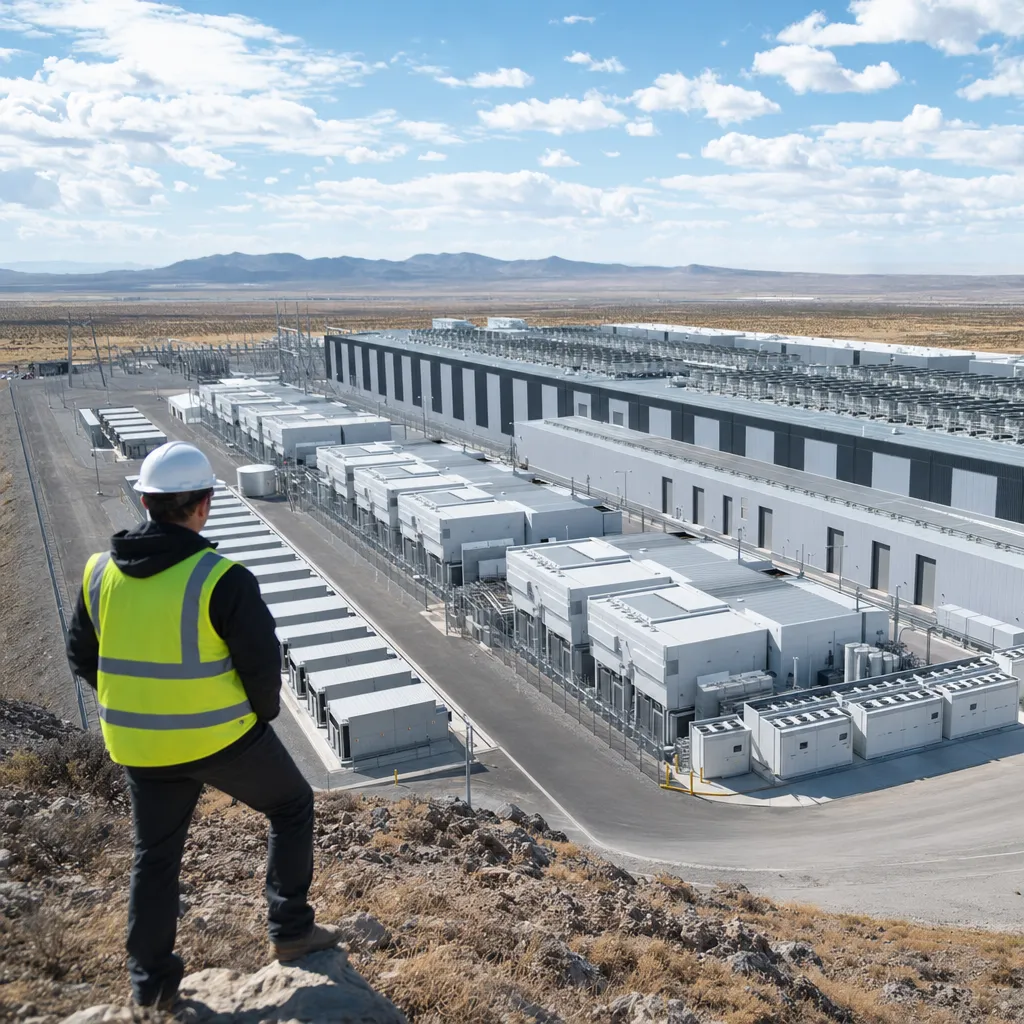
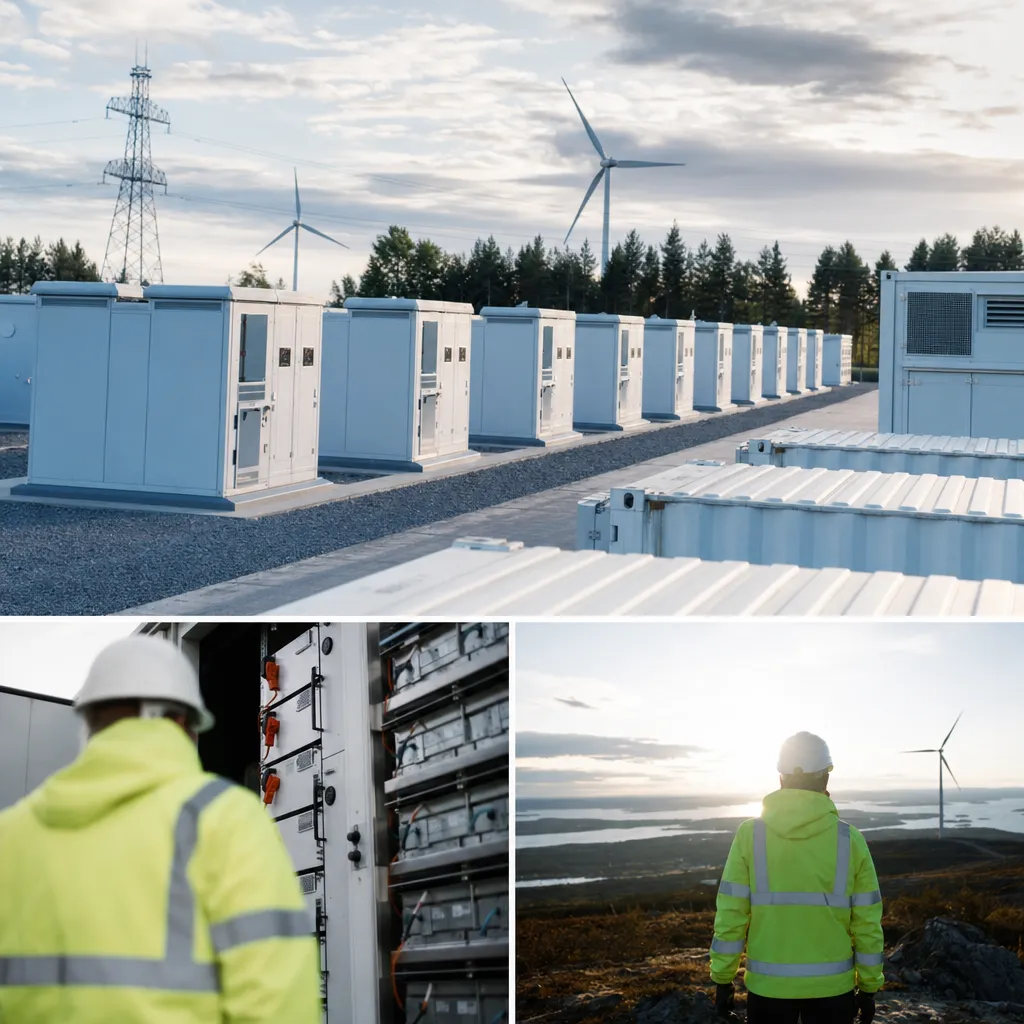
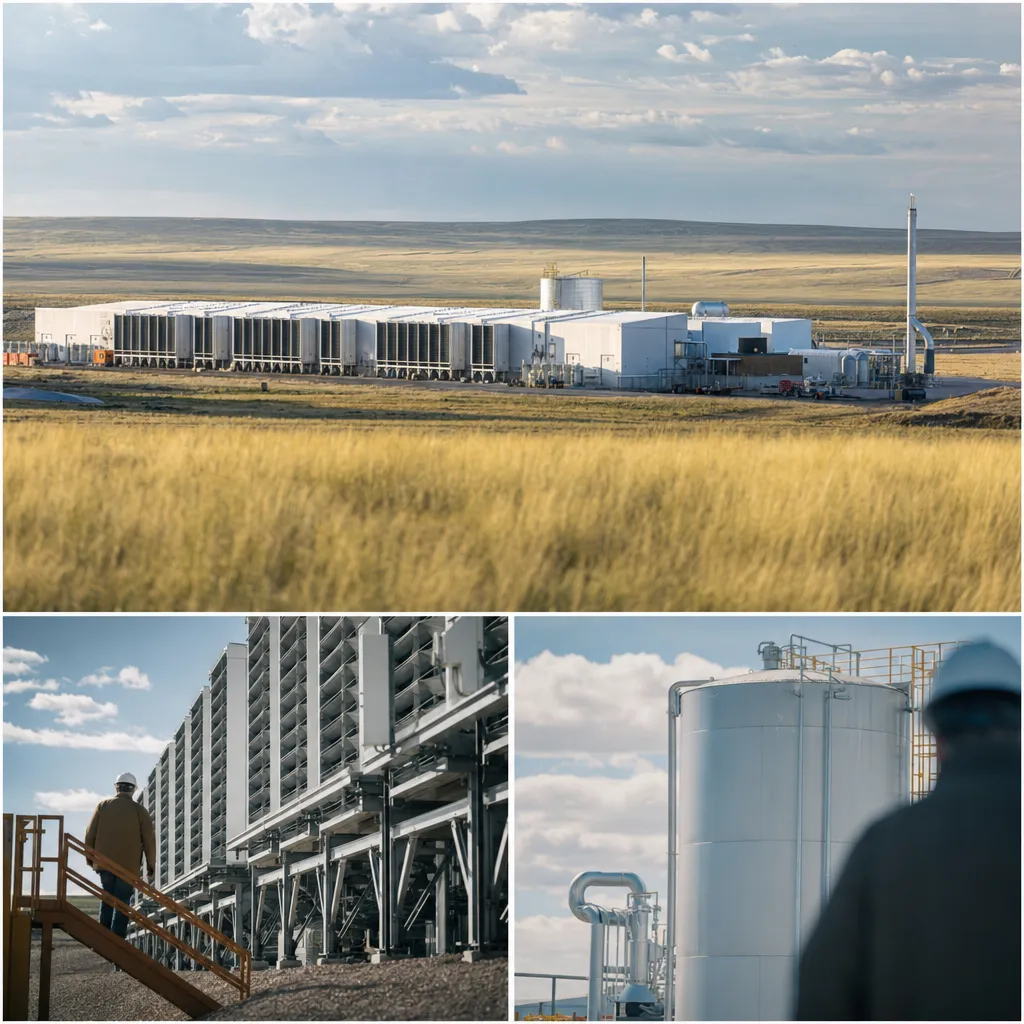
Some 3,300 people marched in Dublin and Helsinki on November 7 to oppose AI data center expansion, citing electricity strain, water use, and carbon emissions in one of Europe's largest days of AI infrastructure protest.
Roughly 3,300 people marched against AI data centers in Dublin and Helsinki on November 7, in one of Europe's largest coordinated days of action against AI infrastructure. The protests mark a shift: opposition to the AI buildout is no longer confined to academic papers and regulatory filings — it is now on the streets.
What happened: Bloomberg reports approximately 2,000 demonstrators gathered in Dublin and 1,300 in Helsinki, with smaller actions held in multiple Finnish towns. Organizers cited three grievances: the strain AI data centers place on national electricity grids, their heavy water consumption for cooling, and the carbon emissions produced by facilities that often run on fossil-backed grid power. Both Ireland and Finland have become major European hubs for hyperscale data center construction driven by AI demand.
Background: Ireland hosts data centers for Google, Microsoft, Meta, and Amazon, and the country's grid operator EirGrid has repeatedly warned that data center electricity demand is on a collision course with national climate targets. By some estimates, data centers in Ireland already consume more electricity than all rural homes combined. Finland has attracted data centers partly because of its cool climate (which reduces cooling costs) and its historically cheap renewable energy, but that price advantage has narrowed as demand has surged. The protests follow a year of escalating tension across Europe over AI power consumption, including regulatory interventions in the Netherlands and planning restrictions in several Irish counties.
Get this in your inbox.
Daily AI intelligence. Free. No spam.
The specifics:
- Dublin: ~2,000 marchers, organized by a coalition of Irish environmental groups and housing advocates (data centers compete with residential development for grid connections and land)
- Helsinki: ~1,300 marchers, with additional actions in Espoo, Tampere, and Oulu
- Grievances cited: electricity strain, water use for cooling, carbon emissions from grid power
- Timing: Protests coincide with the EU AI Act's first operational compliance milestones in November 2026 and ongoing European Parliament hearings on AI's environmental footprint
- No incidents of property damage were reported
What this means: These protests are not primarily about AI itself — they are about infrastructure and resources. In Dublin, the data center backlash overlaps with a severe housing crisis: residents and local governments argue that grid capacity earmarked for tech campuses is unavailable for new housing development. In Finland, the concern is more directly environmental, centered on whether the country's reputation as a clean-energy leader is being quietly eroded by fossil-backed imports needed to meet peak AI compute demand.
For data center operators, the political calculus is shifting. Planning approvals that were once routine are now contested. Ireland's government has paused new data center connections in the Dublin area; similar moratoria are being discussed in other jurisdictions. The protests give anti-data-center politicians a visible constituency to cite.
For AI companies, the message is that the social license to build at scale is not guaranteed in Europe. Companies that can demonstrate genuine renewable procurement — not accounting offsets, but physical power purchase agreements with local clean sources — are better positioned to maintain community and regulatory support.
What to watch: Whether these protests translate into tighter planning restrictions or accelerated grid reform will play out over the next six to twelve months. The European Commission is expected to release updated guidance on data center sustainability requirements before mid-2027. Watch Ireland's upcoming national grid review and Finland's energy ministry response to the protests for the first regulatory signals.
Did this help you understand AI better?
Your feedback helps us write more useful content.
Get tomorrow's AI briefing
Join readers who start their day with NexChron. Free, daily, no spam.