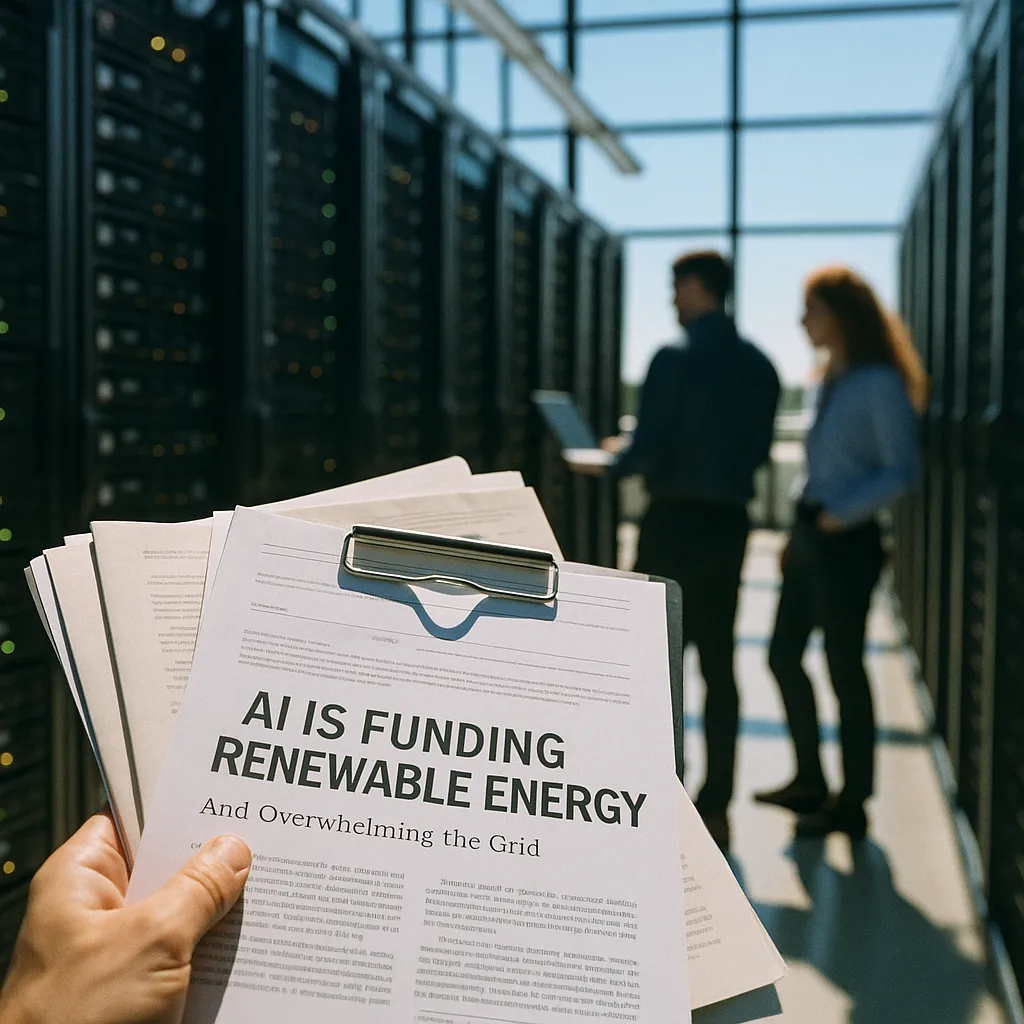
AI data center demand is funding renewable energy projects at record pace — and simultaneously overwhelming the transmission infrastructure needed to deliver that power.
AI Is Funding Renewable Energy — and Overwhelming the Grid That Delivers It
By Hector Herrera | May 11, 2026 | Energy
The same technology driving the renewable energy buildout is also the reason that buildout can't keep up. RatedPower's 2026 Global Renewable Energy Trends Report finds that AI data center demand is simultaneously accelerating solar and wind development — by generating the capital and contracts that make projects financeable — and overwhelming the transmission infrastructure needed to actually deliver that power. The result is a market paradox: more renewable capacity being built than ever, with less certainty it can reach the load centers that need it.
The constraint has shifted. The question is no longer whether renewable energy can be built cheaply enough. It can. The question is whether it can get from where it's generated to where it's consumed — and right now, in most major markets, the answer is: not fast enough.
What the RatedPower Report Found
RatedPower, an Enverus company that provides software for renewable energy project development, analyzed global market data for its 2026 report. The key findings:
- Grid saturation and permitting bottlenecks are now the top-cited barriers to renewable energy progress — ranked ahead of technology limitations and capital constraints for the first time
- AI infrastructure demand is the primary accelerant of new renewable development, as hyperscalers (Amazon, Microsoft, Google, Meta) sign long-term power purchase agreements (PPAs) that provide the revenue certainty project developers need to secure financing
- Transmission congestion is a global pattern, manifesting differently across markets: interconnection queues in the U.S. averaging over four years; curtailment rates rising in Europe; grid operator rejections increasing in parts of Asia
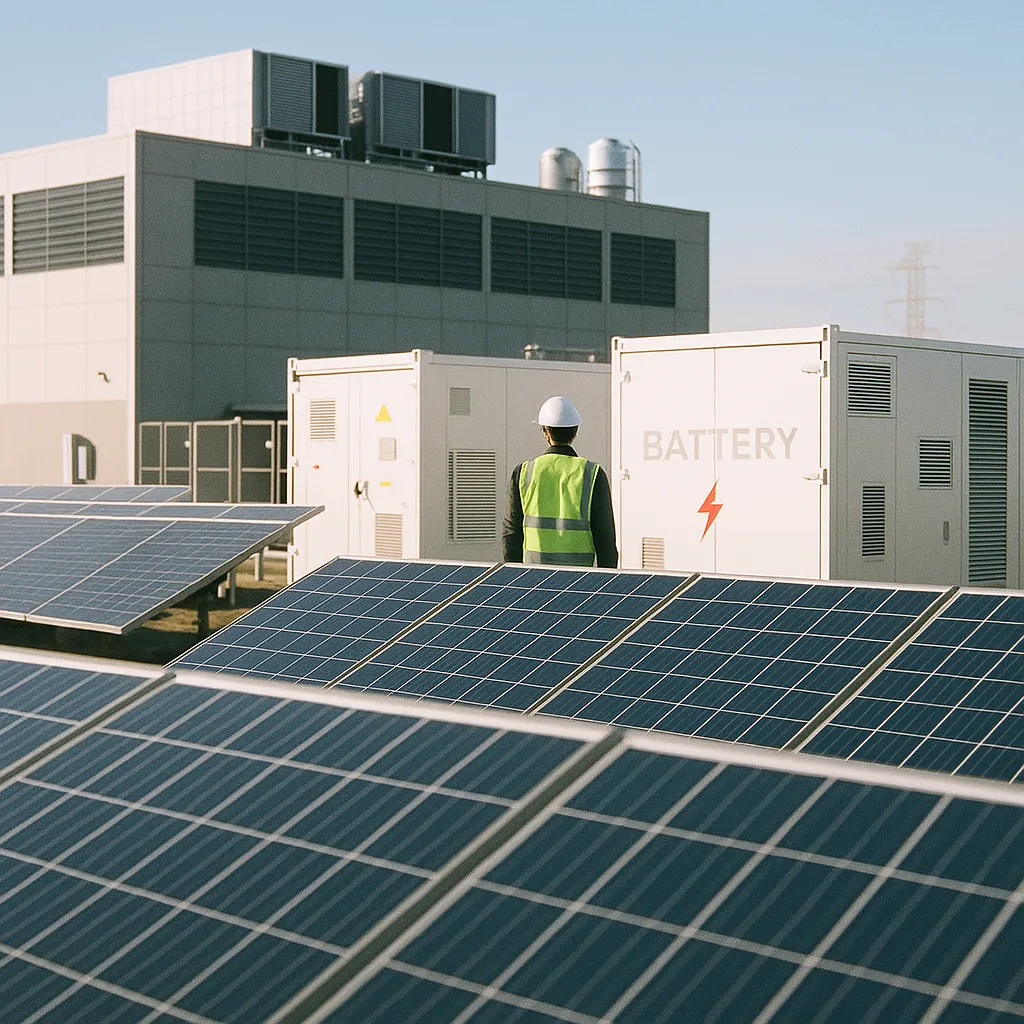
- Storage deployment is accelerating but cannot fully compensate for transmission constraints — batteries store power locally but don't move it to where it's needed
The Mechanics of the Paradox
Understanding why this is a paradox requires understanding how AI data centers interact with the energy system.
How AI is accelerating renewable buildout: Hyperscalers have made public commitments to power their data centers with clean energy, and they're backing those commitments with long-term PPAs — contracts to purchase renewable power at fixed prices for 10–25 years. Those contracts are the financial instrument that makes renewable projects bankable. Without a creditworthy buyer committed to buying the power, lenders won't finance the project. With a Microsoft or Amazon PPA in hand, developers can secure construction financing. AI demand, counterintuitively, is one of the best things that has happened to renewable energy finance.
Get this in your inbox.
Daily AI intelligence. Free. No spam.
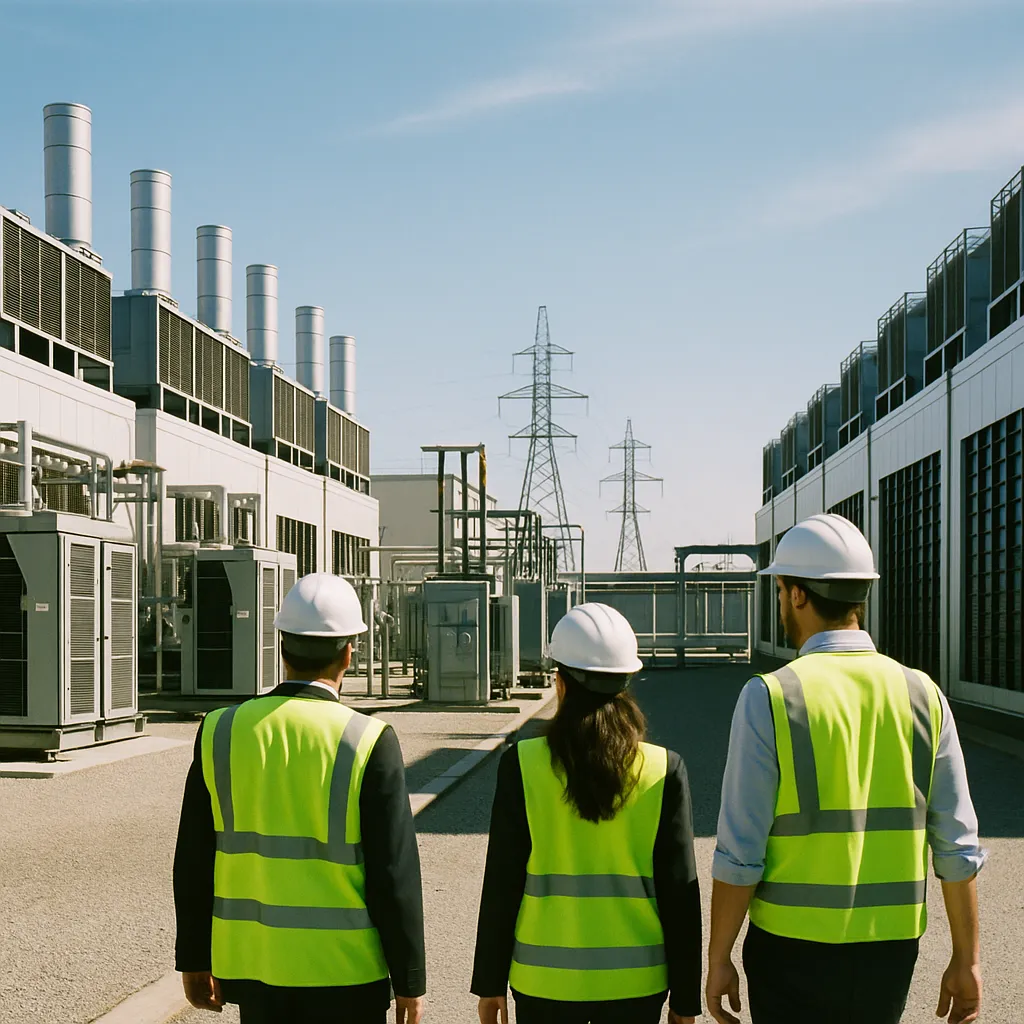
How AI is straining the grid: Data centers consume enormous amounts of electricity — a large hyperscale facility can draw 100–500 MW continuously, comparable to a small city. They're also being built on accelerated timelines, in locations chosen for land cost, water access, and permitting speed rather than proximity to existing grid infrastructure. The grid wasn't designed for this load pattern. Interconnection queues — the waiting list to connect new generation or load to the transmission system — have ballooned to multi-year backlogs in the U.S., UK, Ireland, and parts of Germany.
The result: More renewable capacity is being approved and built, but an increasing share of that capacity sits in interconnection queues waiting to connect — or is built and then curtailed (the grid operator directs the plant to stop generating) because the transmission lines can't carry the power to where it's needed. Meanwhile, data centers are going online and drawing power from whatever sources are available on the grid — which includes fossil fuels during high-demand periods.
Where the Bottleneck Is Worst
The U.S. interconnection problem is particularly acute. The Federal Energy Regulatory Commission (FERC) issued Order 2023 in 2023 to reform the interconnection process, but reforms take years to filter through the system. As of early 2026:
- Over 2,600 GW of generation capacity sits in U.S. interconnection queues — more than double the current total installed generation capacity of the country
- Average wait time to complete interconnection in major ISOs (independent system operators) exceeds four years
- Transmission permitting, governed by a patchwork of federal and state authorities, adds additional delays on top of interconnection queue times
Europe faces different but related dynamics. The UK's National Grid has warned of grid saturation in the south of England, where data center buildout has concentrated. Ireland's EirGrid placed a temporary moratorium on new data center connections in the Dublin area. Germany's grid operators are managing increasing renewable curtailment as wind generation in the north outpaces transmission capacity to industrial load centers in the south.
What This Means for Energy Strategy
For anyone making energy or infrastructure investment decisions in 2026, the RatedPower findings translate to several practical realities:
- Location is now as important as technology. Renewable projects near existing transmission capacity — or on corridors where transmission upgrades are planned — are worth significantly more than equivalent projects in congested areas.
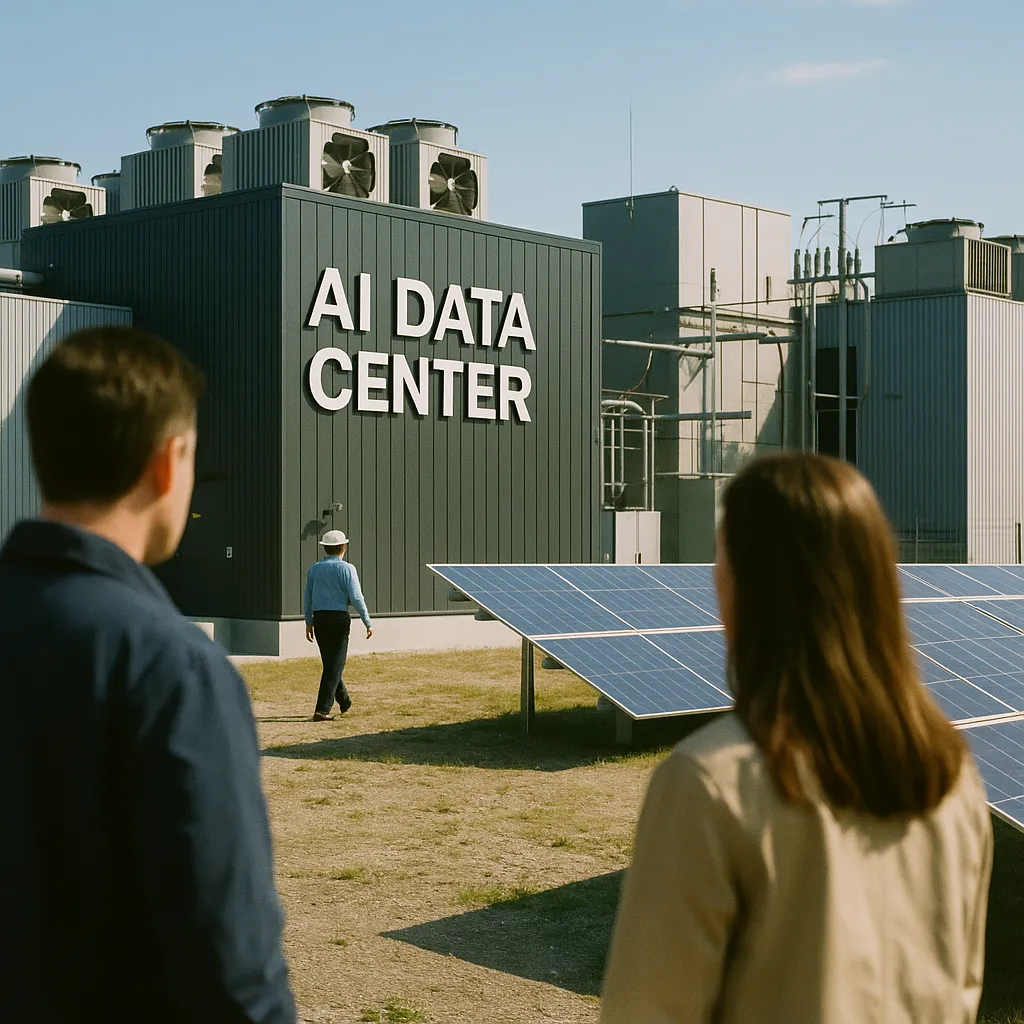
- Co-location is becoming standard practice. The most resilient data center development strategy involves co-locating with generation and storage rather than relying on grid delivery. Several hyperscalers are now building campuses where solar, battery storage, and data center infrastructure share a site.
- Permitting expertise is a competitive advantage. The bottleneck is increasingly regulatory and political, not technical. Developers with relationships, track records, and permit-navigating capability in congested markets are positioned to capture disproportionate value.
- Battery storage demand will continue rising, driven not by storage economics alone but by the value of avoiding curtailment and providing grid services in constrained markets.
What to Watch
The most important near-term indicator is the pace of FERC transmission rule implementation in the U.S. — particularly Order 1920, which mandates long-term transmission planning with consideration for future load growth including data centers. If regional transmission organizations move implementation forward aggressively, the interconnection queue backlog could begin to clear by 2028–2029. If implementation stalls in litigation or state-level opposition, the paradox deepens.
Watch also for hyperscaler announcements about nuclear and geothermal procurement. Amazon, Google, and Microsoft have all signed agreements for power from advanced nuclear projects. If those projects deliver on schedule — a large if — they provide AI data centers with power that bypasses the renewable-transmission bottleneck entirely.
Source: Enverus / RatedPower 2026 Global Renewable Energy Trends Report
Did this help you understand AI better?
Your feedback helps us write more useful content.
Get tomorrow's AI briefing
Join readers who start their day with NexChron. Free, daily, no spam.