AI-assisted breast cancer screening detects 21% more cancers than traditional reads. GE HealthCare and DeepHealth are taking the technology global.
GE HealthCare and DeepHealth Expand AI Breast Screening Partnership Globally
By Hector Herrera | April 19, 2026 | Health
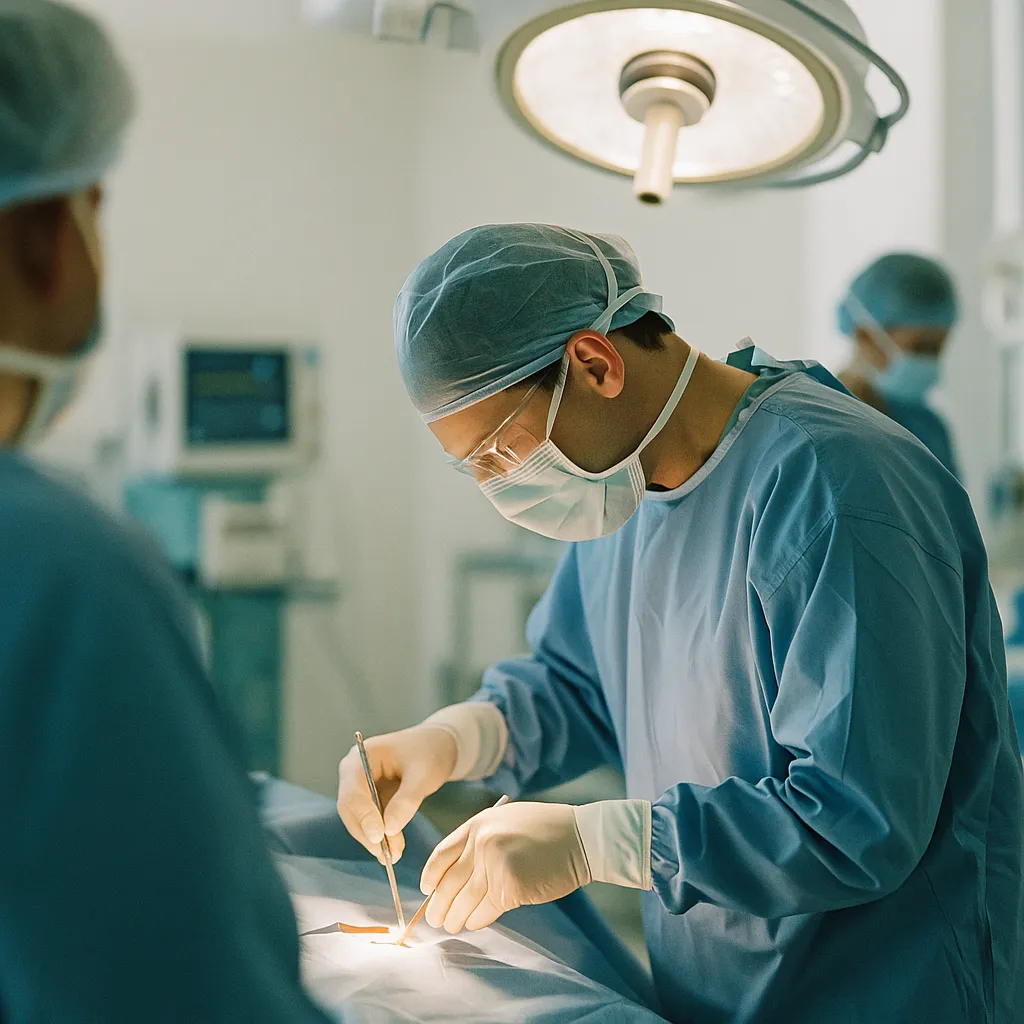
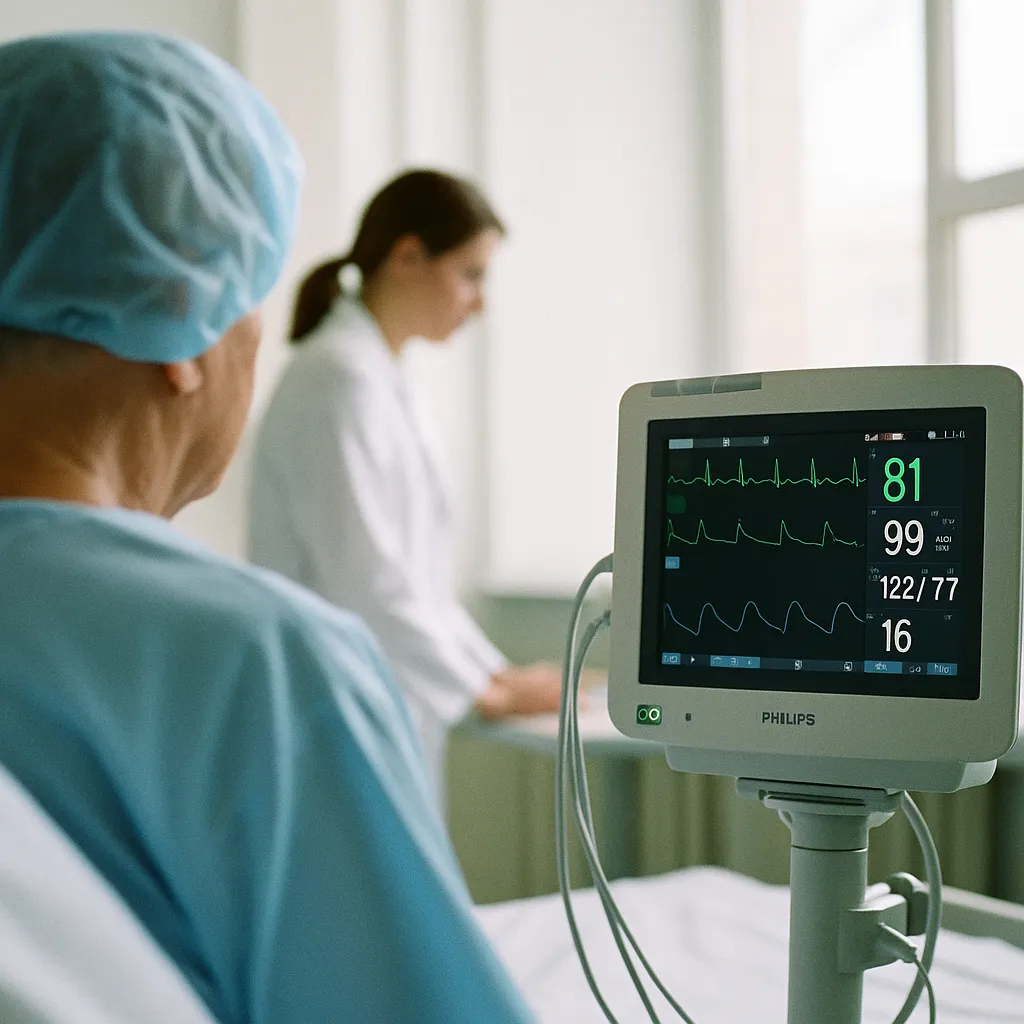
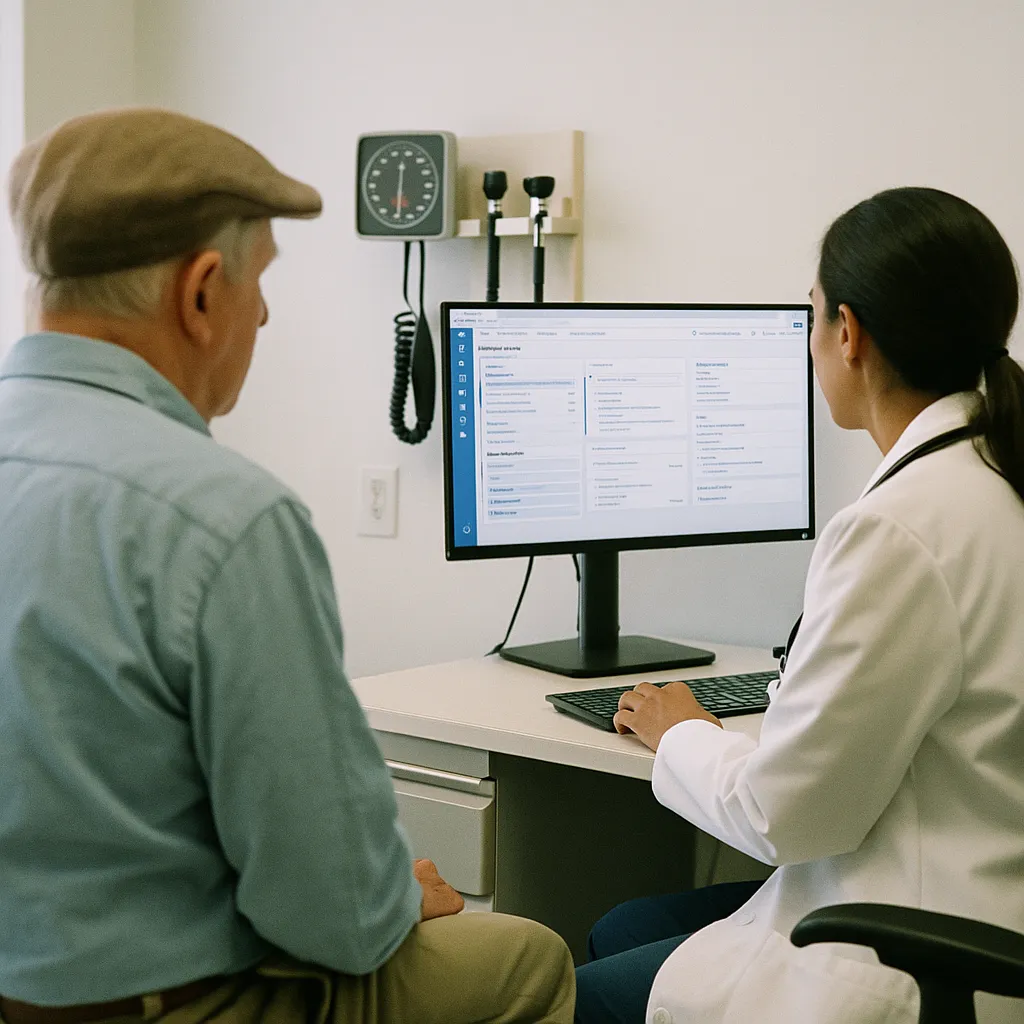
AI-powered breast cancer screening from GE HealthCare and DeepHealth is moving from pilot programs to full global clinical deployment—and the results justify the expansion. A 21% increase in cancer detection rates over traditional radiologist-only reads makes this one of the clearest published ROI cases for diagnostic AI to date.
What Happened
GE HealthCare and DeepHealth have announced an expansion of their AI-assisted breast cancer screening partnership to healthcare providers worldwide. The two companies have been operating this technology in U.S. clinical settings; the expansion takes the platform into international markets and a broader domestic install base.
The headline number is significant: AI-driven screening workflows produced a 21% increase in cancer detection rates compared to standard mammography reads without AI assistance. That figure, if it holds across diverse patient populations and imaging environments, represents a material clinical improvement—not a marginal one.
Context
Breast cancer is the most common cancer diagnosed in women globally. Early detection is the single most powerful predictor of survival outcomes. A woman whose breast cancer is detected at Stage I has a five-year survival rate above 99%. By Stage IV, that number drops below 30%.
Radiology has faced persistent workforce shortages for years. In the United States alone, the American College of Radiology estimates a shortfall of thousands of radiologists that is projected to worsen through the decade. AI-assisted reads don't replace radiologists—they extend their capacity and add a second layer of pattern recognition that catches what a fatigued or overloaded human eye might miss.
Get this in your inbox.
Daily AI intelligence. Free. No spam.
DeepHealth specializes in AI tools for radiology workflows. GE HealthCare brings the imaging hardware, hospital relationships, and global distribution network. The partnership combines the technology layer with the infrastructure layer that actually gets tools into clinical practice.
Details
- Detection improvement: 21% increase in cancer detection rates over traditional methods
- Technology: AI-driven workflow integrated into mammography screening protocols
- Deployment stage: Moving from pilots to full clinical rollout at healthcare providers worldwide
- Partners: GE HealthCare (imaging systems) + DeepHealth (radiology AI software)
- Scope: Global expansion, including markets where radiologist capacity is most constrained
The specific mechanism isn't a replacement read—it's an AI layer that flags suspicious regions for radiologist attention and, in some workflow configurations, enables double reading at scale without requiring a second human radiologist. This matters most in high-volume screening environments where time pressure is highest.
Impact
For patients: A 21% lift in detection rates means cancers found sooner, when they are more treatable. In practical terms, for every 100 cancers that would have been caught by standard screening, the AI-assisted workflow catches an additional 21. At population scale, that is a large number of women whose prognosis improves materially.
For health systems: The ROI case here is unusually clear. AI-assisted screening costs money to deploy but reduces downstream treatment costs for late-stage cancers—which are dramatically more expensive to treat than early-stage ones. Health system CFOs can model this directly. This is why the GE/DeepHealth partnership represents a maturation point: the numbers are specific enough to drive procurement decisions.
For the AI-in-healthcare market: The field has been full of promising pilots that never scaled. This expansion is evidence that at least one category—radiology AI for high-volume screening—has cleared the clinical validation, regulatory, and workflow integration hurdles required for real-world deployment. It becomes a reference case for other diagnostic AI applications working toward similar adoption.
For radiologists: The near-term story isn't job displacement—it's capacity expansion. A radiologist supported by AI can review more studies with better accuracy. The longer-term workforce question is more complex: if AI reduces the need for double-reading and high-volume routine screening, the specialty mix within radiology may shift toward interpretive and interventional work.
What to Watch
The global expansion will test whether the 21% detection improvement holds across patient populations with different cancer prevalence rates, imaging equipment, and clinical protocols. Watch for peer-reviewed outcomes data from international sites over the next 12 to 18 months—that data will either validate the headline number or qualify it.
Hector Herrera covers health and AI for NexChron.
Did this help you understand AI better?
Your feedback helps us write more useful content.
Get tomorrow's AI briefing
Join readers who start their day with NexChron. Free, daily, no spam.