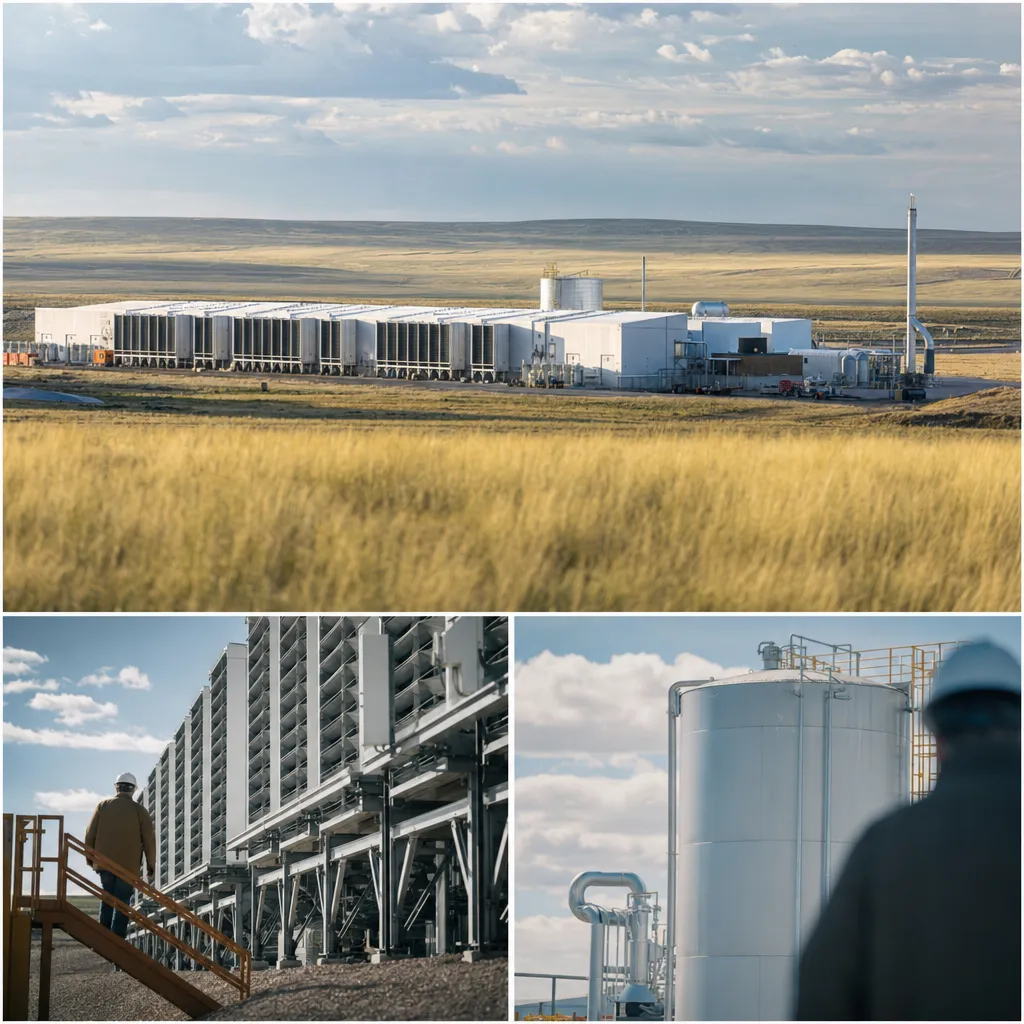
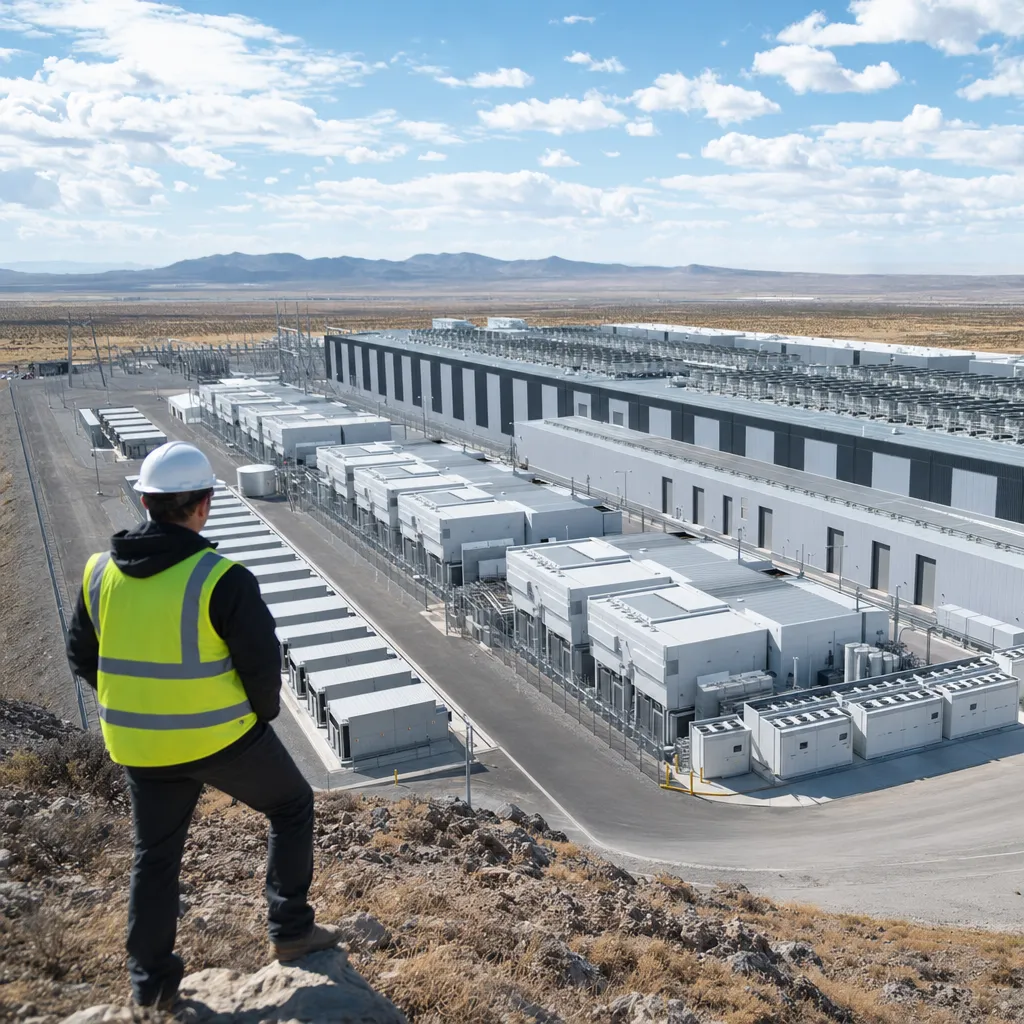
Google has acquired Crusoe Energy’s stalled 10-gigawatt Wyoming data center project and will invest $17 billion to complete the buildout — a sign hyperscalers are bypassing intermediaries.
Google has taken over a 10-gigawatt Wyoming data center project originally developed by Crusoe Energy Systems, pledging $17 billion to complete what would become one of the largest hyperscale AI infrastructure buildouts in North America, Bloomberg reports. The deal signals a broader shift: hyperscalers are increasingly acquiring AI capacity directly rather than leasing it from intermediaries.
What Happened
Crusoe Energy Systems, a Denver-based startup that pairs stranded or low-cost energy with compute infrastructure, had developed plans for a large data center campus in Wyoming. Crusoe was unable to sign anchor tenants sufficient to justify the project's capital requirements, according to Bloomberg.
Google stepped in to acquire the site. Under the new arrangement:
- Google takes ownership of the Wyoming project and will invest $17 billion in the buildout
- Crusoe remains involved as a partner on a separate Texas project with Google
- Scale: 10 gigawatts of planned capacity — for context, the entire U.S. data center market consumed roughly 20 gigawatts of power in 2024; this single project represents a significant increment of new demand
Why Wyoming
Wyoming offers a combination of factors attractive for large-scale AI compute infrastructure:
Get this in your inbox.
Daily AI intelligence. Free. No spam.
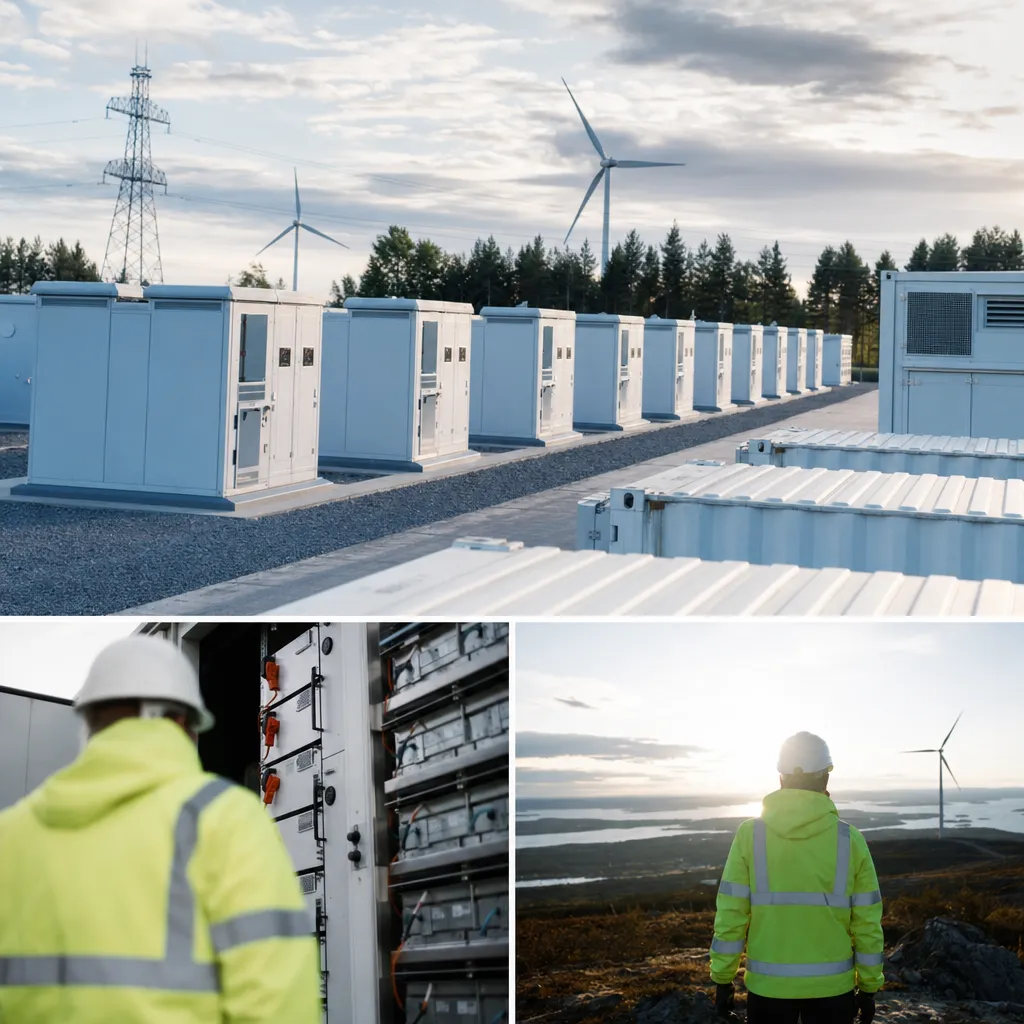
- Low electricity costs: among the lowest industrial power rates in the country, driven by coal generation and growing wind capacity
- Cold climate: lower ambient temperatures reduce cooling costs, which are significant at hyperscale
- Available land: large contiguous parcels suited to campus-scale footprints
- State-level incentives: Wyoming has actively pursued data center development with tax and permitting structures designed to compete with Texas and Northern Virginia
The Broader Pattern
Google's move is part of a wider trend of hyperscalers — Google, Microsoft, Amazon — shifting from leasing compute capacity to owning infrastructure outright. The intermediary model (companies like Crusoe, CoreWeave, and Lambda Labs lease GPU clusters to AI developers) made economic sense when demand was fragmented across many players.
As Google, Microsoft, and Amazon's internal AI workloads have scaled, they increasingly prefer to own the asset rather than pay the lease margin. The economics tip decisively once a hyperscaler's internal demand is large enough to fill its own facilities.
This matters for investors in AI infrastructure intermediaries. The addressable market for companies positioning between hyperscalers and compute users may be narrowing as the hyperscalers capture that value directly.
Grid and Construction Reality
A 10-gigawatt buildout does not happen overnight. Construction at this scale typically spans six to ten years and requires substantial grid upgrades from regional transmission operators. Google will need to work with Wyoming's grid operator and the Western Electricity Coordinating Council to integrate that load — a process that includes interconnection queues already backed up by years.
The Wyoming project adds to Google's already-announced data center investments totaling more than $75 billion committed globally for 2026. The company is building out ahead of its own projected AI compute demand curve, betting that internal workload growth will fill the capacity before it comes online.
What to Watch
Whether Crusoe pursues alternative projects independently or pivots its model in response to losing its flagship Wyoming asset will indicate how well AI infrastructure intermediaries can compete when hyperscalers are acquiring directly. Watch also for Wyoming state grid interconnection filings, which will reveal the construction timeline in detail.
Did this help you understand AI better?
Your feedback helps us write more useful content.
Get tomorrow's AI briefing
Join readers who start their day with NexChron. Free, daily, no spam.