Waymo opened paid robotaxi service in three new cities on September 1, bringing its fully autonomous fleet to 14 US cities and making Tampa the first city with two competing driverless services.
Waymo Launches Paid Robotaxi Rides in Denver, San Diego, and Tampa — Now Operating in 14 US Cities
By Hector Herrera | September 13, 2026
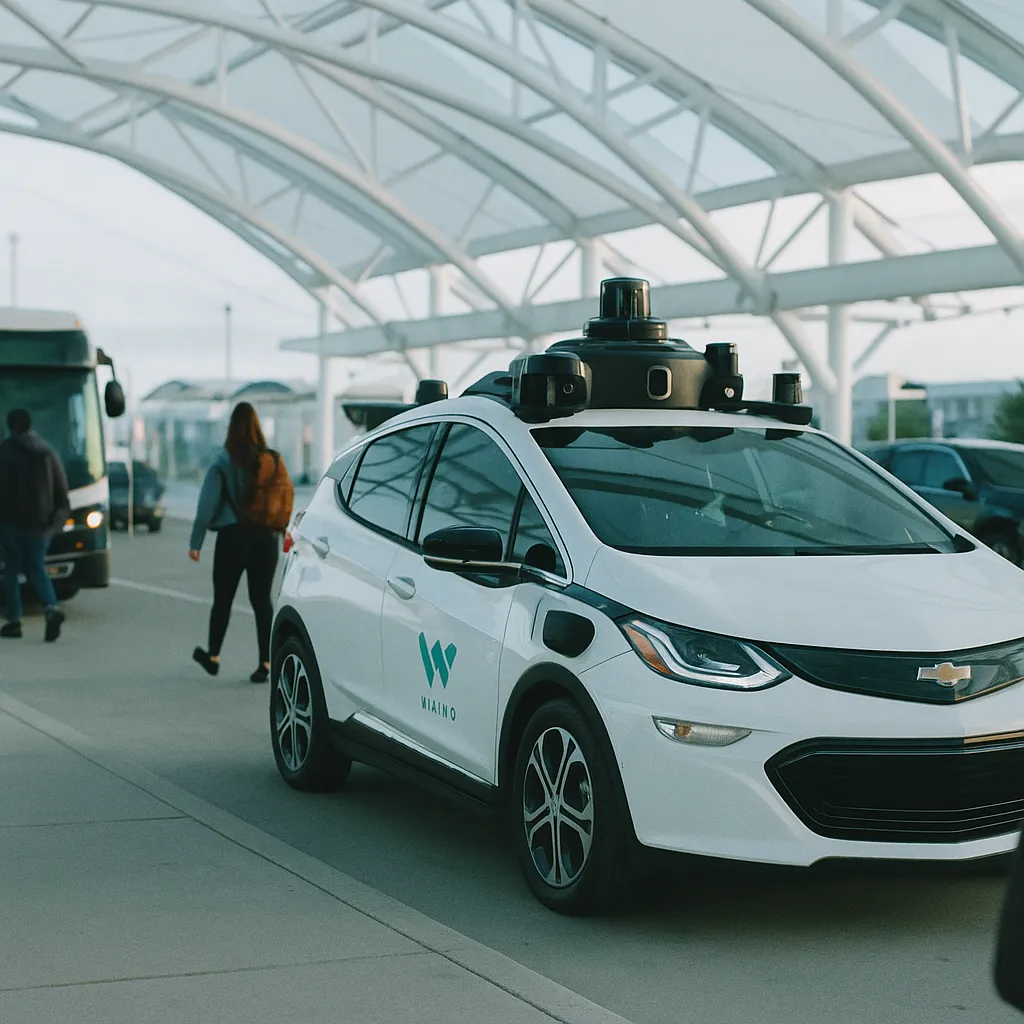
Waymo opened paid public robotaxi service in Denver, San Diego, and Tampa on September 1, expanding its fully autonomous ride-hail network to 14 US cities and more than 4,000 vehicles. Tampa is now the first city in the US where Waymo and Tesla simultaneously operate competing paid driverless services.
Where Waymo Stands Now
The September 1 launches represent the most geographically diverse single-day expansion Waymo has executed. Denver, San Diego, and Tampa are meaningfully different markets — different climate conditions, different traffic patterns, different city layouts — and deploying across all three on the same date signals operational confidence in Waymo's ability to adapt its autonomous driving stack across environments rather than perfecting one market before moving to the next.
TechCrunch reported the full details of the expansion, including confirmation of the 14-city figure and the 4,000-vehicle fleet count.
Waymo's fleet now includes a new vehicle model called the Ojai — a minivan format designed for groups and higher-revenue rides — alongside its established Jaguar I-PACE sedan fleet. The Ojai represents Waymo's move into the larger vehicle segment that Uber and Lyft have long served with human drivers.
The Tampa Milestone
Tampa deserves specific attention. It is the first US city where two competing, paid, fully driverless ride-hail services are operating simultaneously: Waymo and Tesla's Cybercab network, which launched its own Tampa service earlier in 2026.
That's not a trivial distinction. For years, the question about autonomous vehicles was whether they could operate at commercial scale at all. Tampa in September 2026 answers that question: two separate companies, with different sensor approaches and different vehicle hardware, are both taking real customers on real paid rides in the same city.
Get this in your inbox.
Daily AI intelligence. Free. No spam.
What Tampa now tests is market dynamics, not just technology. Which network riders prefer. Whether price competition emerges. How the two services handle the same adverse weather conditions. Whether one network's coverage area forces the other to expand or retreat.
International Expansion Next
Waymo confirmed expansion plans targeting three international cities: Tokyo, Munich, and London. Each represents a materially different regulatory and infrastructure environment:
- Tokyo — dense urban environment with strict vehicle safety certification requirements under Japanese law; left-hand-drive road rules don't apply (Japan drives on the left)
- Munich — EU regulatory framework, including the EU AI Act's requirements for high-risk autonomous systems; early European foothold with a major automotive manufacturing city as the launch market
- London — left-hand traffic, one of the world's highest-density urban environments, with Transport for London involved in any commercial ride-hail licensing
No dates have been announced for any of the international launches. These are confirmed targets, not imminent deployments.
What Expansion at This Pace Means
Waymo has now gone from 27 cities (as of mid-2026) to 14 cities — wait, let me be precise. Earlier reporting through June 2026 tracked Waymo's footprint at 27 cities covering various service types. The September 1 expansion to Denver, San Diego, and Tampa, explicitly bringing the paid public service count to 14 US cities, suggests Waymo is being precise about distinguishing its fully commercial, open-to-all operations from restricted pilots or invitation-only programs.
The 4,000+ vehicle figure is the more operationally significant number. Each vehicle represents capital investment, maintenance overhead, and remote monitoring capacity. Scaling to 4,000 while adding three cities simultaneously tests Waymo's operational infrastructure as much as its driving technology.
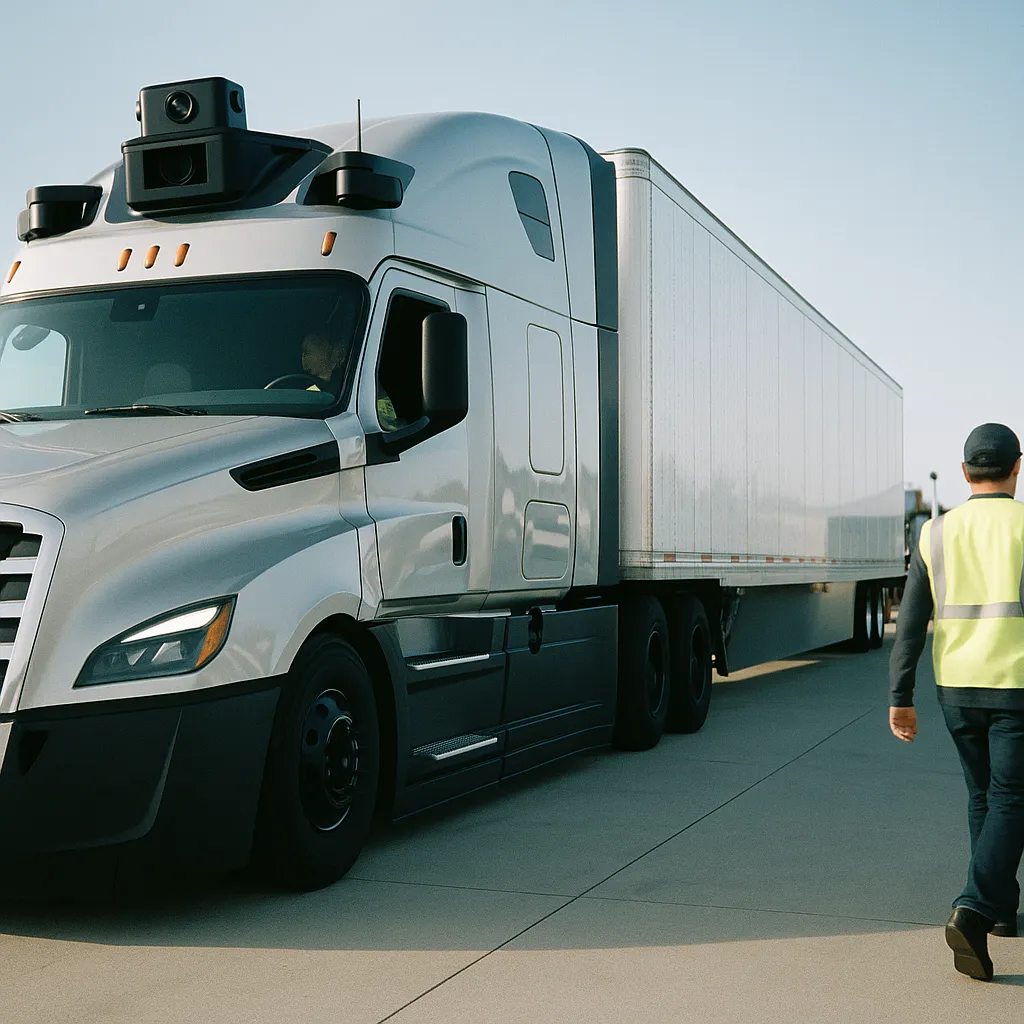
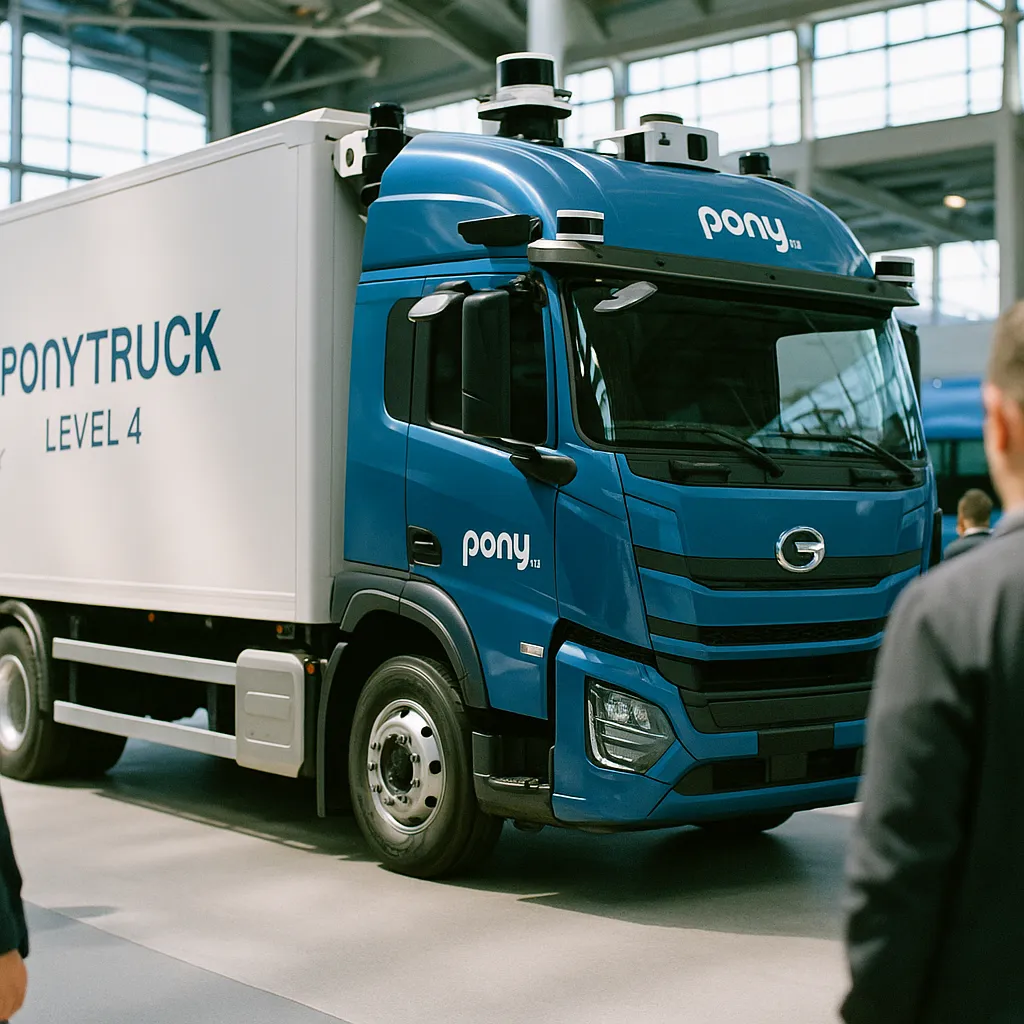
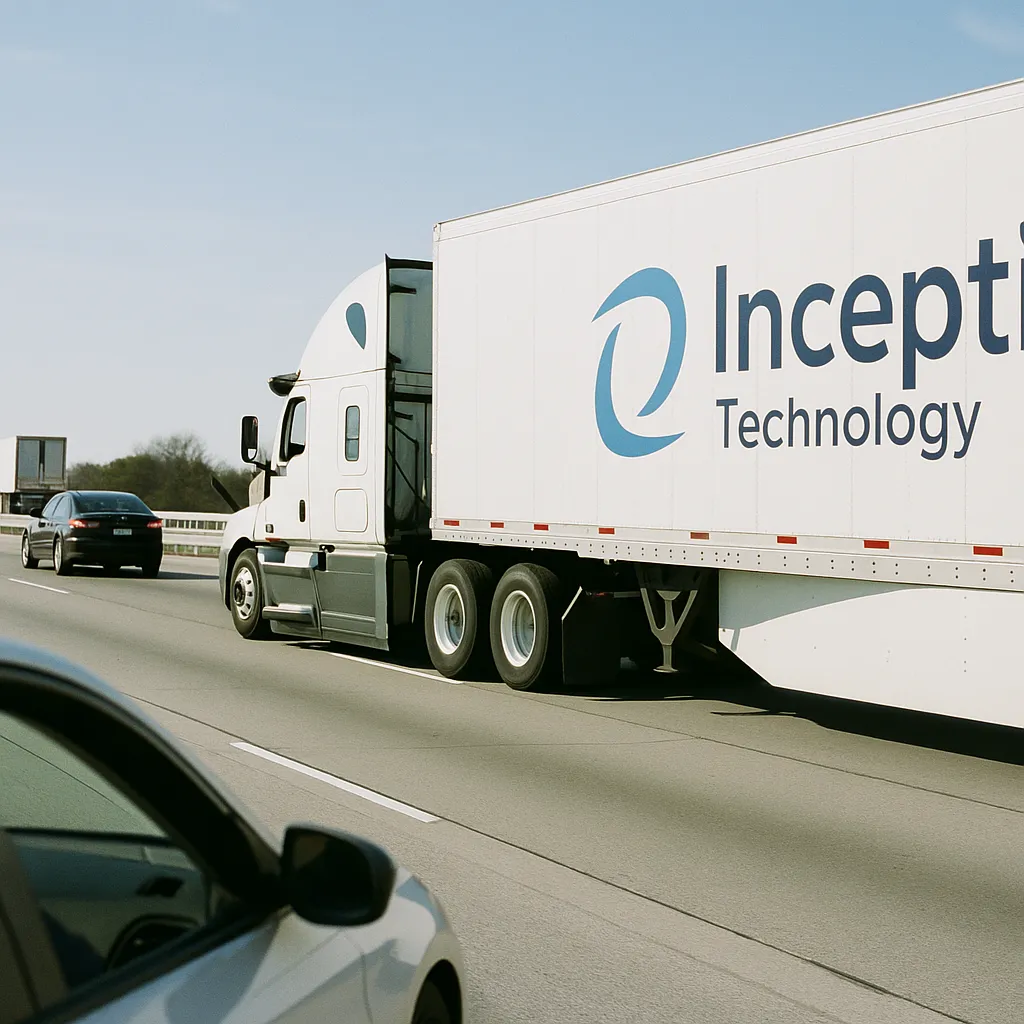
The competitive picture has changed more in 2026 than in the preceding five years combined. Beyond Waymo and Tesla, Aurora and Waabi have reached commercial autonomy milestones in freight, and Chinese autonomous vehicle companies continue to operate domestically at scale. The "robotaxi as future concept" narrative is over — it's now a present operations story, and the question is which networks can scale profitably.
For riders, the practical implication in cities where Waymo operates is straightforward: fully autonomous ride-hail is available now, with real pricing and no safety driver. The service isn't theoretical.
For traditional ride-hail — Uber and Lyft — the Waymo expansion is pressure in two directions: Waymo has existing partnerships with both platforms where Waymo rides can be hailed through their apps, which generates revenue for Waymo while reducing the differentiation argument for human-driven rides.
What to Watch
The Tampa competitive dynamic between Waymo and Tesla is the most informative near-term datapoint. If one network gains a sustained booking advantage within the next 60 days, it will reveal whether passengers are making loyalty-driven choices or purely price-and-availability choices. That distinction will shape how both companies price their services in new markets. The international timelines — specifically which of Tokyo, Munich, or London gets a launch date announcement first — will also signal which regulatory environment Waymo found most navigable.
Did this help you understand AI better?
Your feedback helps us write more useful content.
Get tomorrow's AI briefing
Join readers who start their day with NexChron. Free, daily, no spam.