Toyota and Waymo are building a purpose-made robotaxi together — Toyota will manufacture AV-ready bZ4X electric vehicles integrated with Waymo's autonomous driving system at its Japanese factory, targeting deployments in Japan, the UK, and additional international markets.
Toyota will manufacture purpose-built autonomous vehicles integrated with Waymo's self-driving technology at its Japanese factory, targeting robotaxi deployments in Japan, the United Kingdom, and additional international markets. The partnership marks Waymo's most significant hardware manufacturing tie-up outside the United States and signals a broader industry shift toward factory-integrated AV platforms over software retrofits.
For the past decade, building a self-driving car meant taking a production vehicle off the assembly line and adding sensors, computers, and software after the fact. Toyota and Waymo are moving away from that approach. By designing Waymo's autonomous system into the bZ4X from the start of manufacturing, the partnership aims to create a robotaxi platform that is structurally cleaner, more reliable, and cheaper to maintain than conversion-based alternatives — and one built specifically for international markets.
The Vehicle: Toyota bZ4X as Global AV Platform
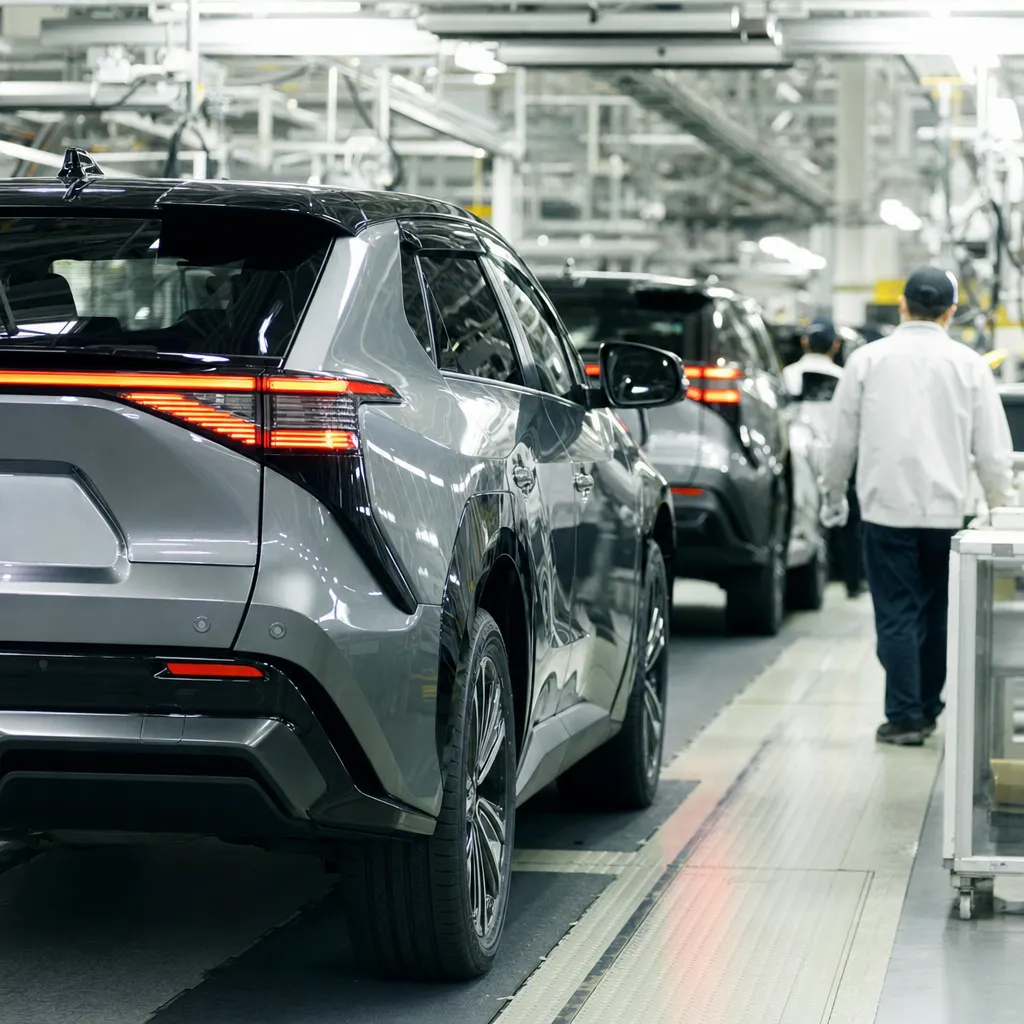
The vehicle at the center of the deal is the Toyota bZ4X, Toyota's flagship full-electric crossover SUV, built on the company's e-TNGA electric vehicle architecture. For the AV partnership, Toyota will produce a Waymo-ready variant at its Japanese manufacturing facility; neither company disclosed the specific production site or a commercial launch timeline.
The bZ4X choice is strategically sensible:
- EV-native architecture: The e-TNGA platform's flat-floor design and clean electrical architecture simplify sensor placement and wiring integration compared to retrofitting a combustion-era body.
- Global production footprint: Toyota manufactures the bZ4X for markets across North America, Europe, and Asia, giving the AV variant a supply chain already optimized for multi-region distribution.
- Consistency with Waymo's fleet: Waymo's US fleet currently runs on the Jaguar I-PACE and Zeekr RT, both EVs. Adding another electric platform extends a zero-emission robotaxi strategy that Waymo has committed to publicly.
Why Japan and the UK Come First
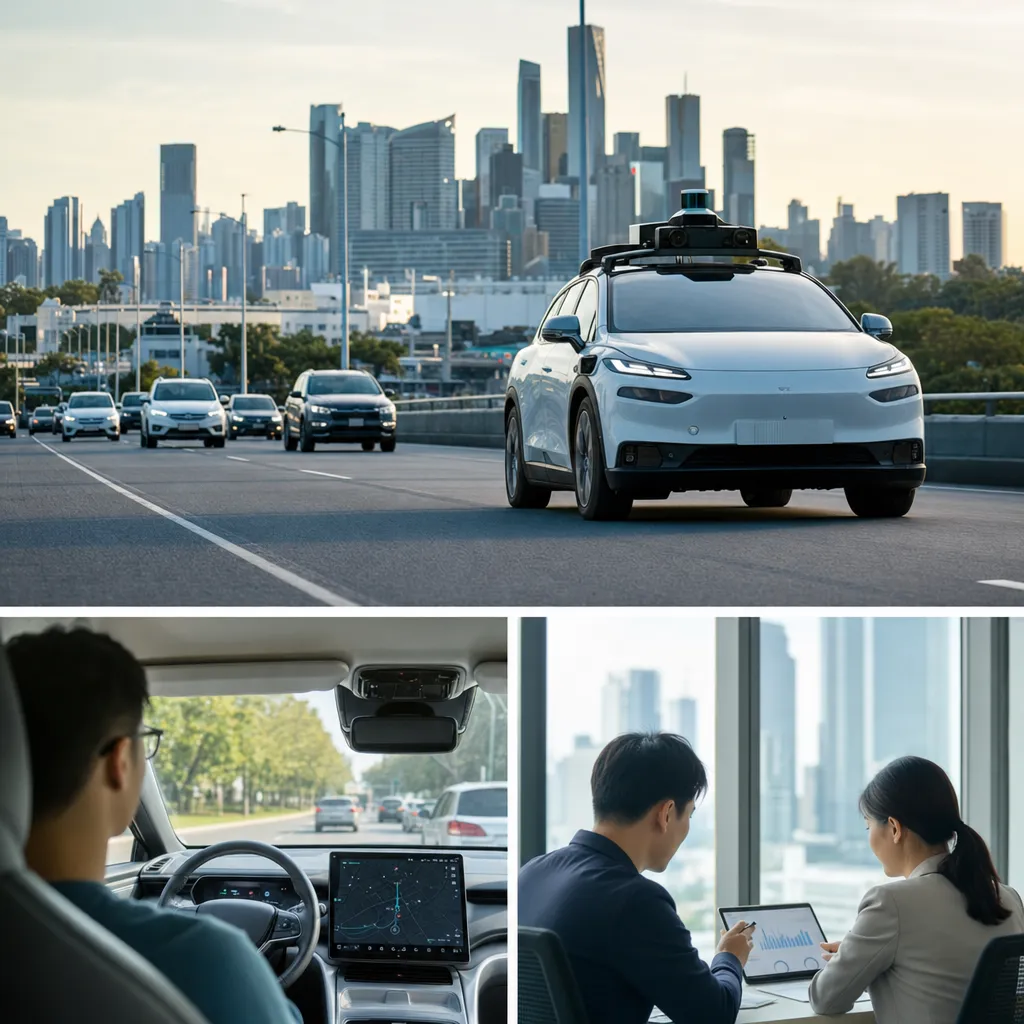
Waymo has operated commercially in San Francisco, Phoenix, and Los Angeles for years but has moved carefully internationally, constrained by regulatory fragmentation and the challenge of finding manufacturing partners who can support high-volume deployment at scale.
Japan: Toyota is not just any car company in Japan — it is the country's largest employer and arguably its most consequential industrial institution. A Waymo-powered robotaxi built by Toyota carries institutional credibility that no American-assembled AV could easily replicate. Japanese regulators have established structured AV testing frameworks in designated urban corridors, with Tokyo, Nagoya, and Osaka among the cities that have hosted driverless shuttle trials. Toyota's domestic manufacturing relationship gives the rollout a path that bypasses some of the regulatory friction foreign-built vehicles would face.
Get this in your inbox.
Daily AI intelligence. Free. No spam.
United Kingdom: The UK published a Connected and Automated Mobility roadmap that creates a licensing framework for commercial AV services. UK cities — particularly London — have been on Waymo's international radar for several years, and the new legal structure makes deployment planning more predictable. Building the platform in Japan and shipping to a right-hand-drive market like the UK is straightforward for Toyota, which produces right-hand-drive variants of the bZ4X for existing markets.
What Changes for the AV Industry
Factory-integrated builds represent a meaningful architectural shift in how the industry approaches autonomous vehicles. The key difference comes down to design intent:
Retrofit approach: Engineer the sensor suite to fit an existing vehicle body. Mount compute hardware where packaging allows. Integrate software over existing vehicle networks not designed for autonomous operation. The result works, but carries permanent compromises.
Factory-native approach: Design mounting points, wiring harnesses, thermal management systems, and compute architecture into the vehicle from the beginning. The sensors fit the chassis; the chassis is designed around the sensors. Maintenance is simpler because nothing is bolted on after the fact.
Waymo's current US platform with Jaguar already incorporates some factory-level collaboration, but a full manufacturing partnership with Toyota at a production facility represents a deeper integration than any previous Waymo hardware relationship.
Competitive pressure: The announcement will increase pressure on rivals to secure comparable partnerships. Zoox, the Amazon-owned robotaxi startup, builds its own purpose-designed vehicle from scratch. Cruise and Mobileye remain tied to GM and Intel parent relationships, respectively. A Toyota-Waymo factory partnership widens the gap between companies with manufacturing-scale hardware strategies and those still operating in the prototype era.
What to Watch
Toyota and Waymo have not disclosed a production start date, commercial service launch, or specific Japanese city partners. The practical pacing of the rollout will be determined less by manufacturing readiness and more by regulatory milestones in both countries:
- Japan: Watch for Waymo or Toyota permit applications in Japan's designated level-4 AV operating zones and any announcements from Japan's Cabinet Office on its autonomous vehicle commercialization roadmap.
- UK: The UK's AV Bill implementation schedule and the first commercial AV service license grants will signal when the UK market is actually ready for Waymo service.
The partnership confirms that the robotaxi industry's next phase is global, purpose-built, and anchored to manufacturing relationships rather than software partnerships alone.
Source: The Driverless Commute, Week of November 16, 2026
Did this help you understand AI better?
Your feedback helps us write more useful content.
Get tomorrow's AI briefing
Join readers who start their day with NexChron. Free, daily, no spam.